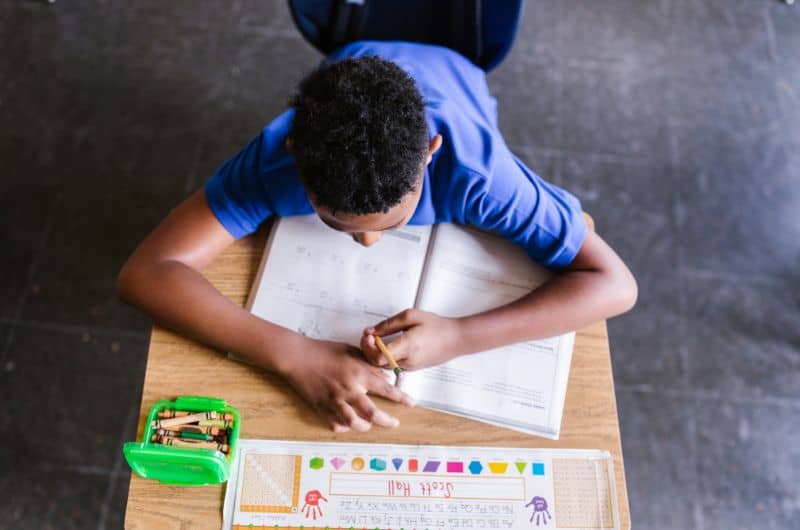
Children usually do not build self-esteem from one big pep talk. Confidence grows through repeated moments where they try, contribute, recover, choose, and see themselves making progress.
Motivation for Mom outlines 25 ways kids can strengthen self-esteem, ranging from learning a skill and finishing small goals to helping others, spending time outdoors, and practicing positive self-talk. The useful thread running through the list is simple: kids need chances to feel capable in ordinary life, not just praise after a major achievement.
What confidence-building really looks like
Self-esteem is often treated like a feeling adults can hand to a child, but the source’s examples point to something more practical. A child feels more confident when they have evidence that they can try something hard, learn from mistakes, and still belong even when the outcome is imperfect.
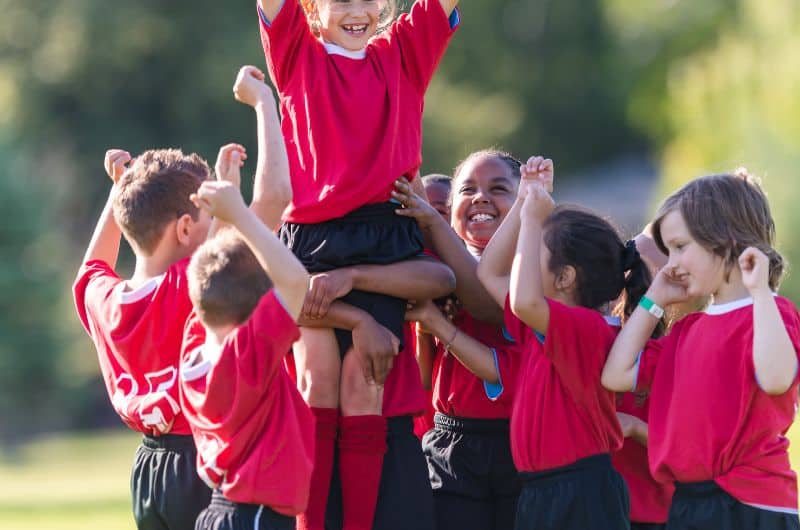
That is why activities such as cooking, drawing, coding, music, dance, sports, puzzles, books, chores, volunteering, and group discussions all fit under the same umbrella. They are different on the surface, but each gives a child a way to practice effort, decision-making, communication, or follow-through.
Key takeaways
- According to Motivation for Mom, confidence grows when kids try new skills, face challenges, and notice their own progress.
- Small responsibilities, such as chores or simple choices, can help children feel capable and trusted.
- Celebrating effort matters because it teaches children that growth is not limited to perfect results.
- Supportive relationships, creative expression, outdoor exploration, and helping others can all reinforce a child’s sense of value.
Turn effort into visible progress
Several of the source’s suggestions focus on achievement, but not in a high-pressure way. Finishing a puzzle, completing a book, practicing a talent, setting a personal goal, or keeping a record of daily wins gives children something concrete to look back on.
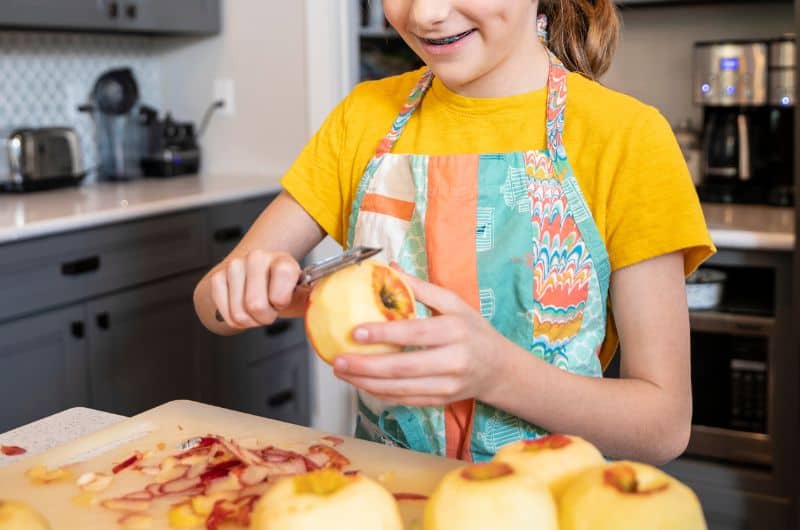
For parents and caregivers, the important shift is to make progress visible without turning every activity into a performance review. A child who practices piano, shoots baskets, writes stories, or learns a recipe can be encouraged to notice what is different now compared with last week. That teaches a more durable lesson than simply being told they are good at something.
Motivation for Mom also emphasizes celebrating effort rather than only results. In everyday terms, that means naming persistence, patience, and willingness to try again. This helps children connect pride with the process of learning, not just with winning, finishing first, or getting everything right.

Give children real responsibility
Independence is another major theme in the source material. Letting kids solve problems, make simple choices, take on household chores, and accept mistakes can help them see themselves as capable people with some control over their own lives.
This does not require handing children adult-level responsibility. It can be as ordinary as choosing an outfit, deciding between two activities, packing part of a bag, feeding a pet with supervision, setting the table, or thinking through how to fix a small problem before an adult steps in.
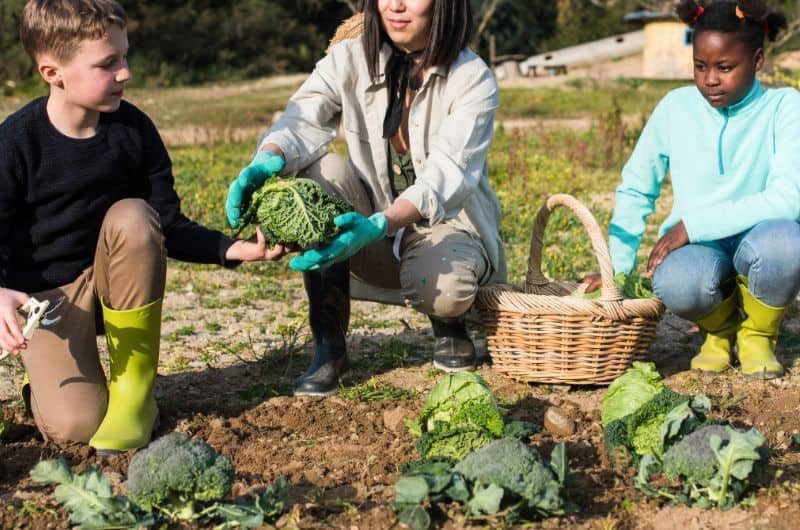
The caveat is that responsibility should match the child’s age and temperament. The goal is not to leave kids unsupported. It is to give them enough room to practice judgment, experience manageable consequences, and learn that a mistake is something to work through rather than a reason to give up.
Build confidence through connection and expression
Confidence is not only an individual project. Motivation for Mom includes helping someone with a task, volunteering, spending time with supportive friends and adults, and speaking up in group discussions. Those examples matter because children also build self-esteem by seeing that their words, ideas, and actions affect other people.
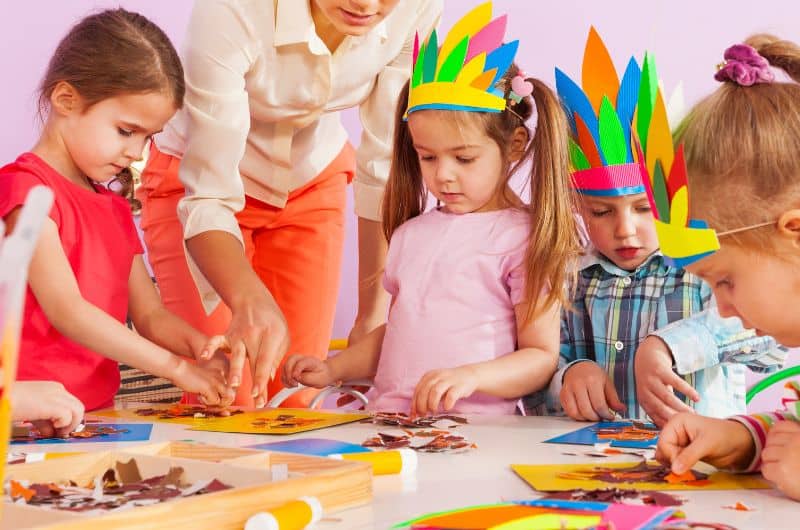
Creative and active outlets serve a similar purpose. Art, crafts, storytelling, music, team activities, clubs, drama, sports, and outdoor exploration give kids ways to express identity, test abilities, and feel part of something beyond themselves. Some children may shine in a team setting, while others may feel more confident through quiet creative work or nature-based exploration.
The source also highlights emotional habits such as positive self-talk, gratitude, reading about resilient characters, and talking about feelings. These tools help children name what they are experiencing and practice healthier responses when they are frustrated, nervous, or disappointed.
Keep the goal realistic
The strongest use of a list like this is not to try all 25 ideas at once. A more realistic approach is to choose one area where a child already has a small opening: a skill they are curious about, a chore they can own, a friendship where they feel safe, or a creative outlet they return to without much prompting.
From there, adults can create repeatable opportunities. Confidence tends to grow when children get steady chances to try, reflect, help, speak, create, and recover. The work is less about manufacturing constant success and more about giving kids enough supported practice to believe, accurately, that they can handle more than they thought.
Inspired by this post on Motivation for Mom.