

Children learn what bodies mean in two places at once: at home, where privacy and comfort are modeled, and online or peer spaces, where labels can turn ordinary vulnerability into public judgment. The two diapr.ai posts provided approach that problem from different ages and settings, but together they point to the same parenting challenge: helping kids feel ownership over their bodies before embarrassment, teasing, or shame defines the conversation.
The practical question is not whether families can avoid every awkward moment. It is how adults can respond when a child asks for privacy, when a teen is reduced to an online label, or when body confidence is being shaped by other people’s reactions.
Privacy Is Learned Before It Is Demanded

The diapr.ai post on family nudity reported that casual nudity around young children is not automatically harmful when it is handled with comfort, respect, and age-appropriate awareness. Its central distinction is important: the issue is less about setting one universal age and more about noticing the child’s response.
That framing matters because privacy is not only a rule parents impose. It is also a signal children give as they grow. According to the family nudity post, curiosity, discomfort, embarrassment, or a request for more privacy should be treated as reasons to adjust. In other words, a child’s boundary does not need to be dramatic before it deserves respect.
This early approach creates the foundation for later online situations. A child who has experienced privacy as normal, flexible, and respected may be better positioned to understand why consent and personal comfort still matter when the setting shifts from a bathroom door to a phone screen.
Online Labels Can Turn Body Judgment Into Group Pressure

The diapr.ai post on the “Bop” trend approached the same themes from adolescence, where language, reputation, and peer belonging can collide quickly. It reported that a word that may sound casual can become a label that shames, embarrasses, or isolates teens, especially when it spreads through posts, comments, or group chats.
Unlike family privacy, which often unfolds inside trusted relationships, online labeling can feel public and sticky. The “Bop” trend post noted that teens may be reduced to a nickname or stereotype, leaving them feeling exposed, judged, or unsafe around peers. Even when a teen appears to laugh it off, the source emphasized that embarrassment, anxiety, or pressure may be underneath.
Together, the two posts show a continuum. Younger children need adults to respect physical privacy without attaching shame to bodies. Teens need adults to recognize when social language is being used to police reputation, sexuality, appearance, or belonging. Both situations are about who gets to define a young person’s body and comfort.
Body Confidence Requires Both Warmth and Limits
Both sources avoid panic-based advice. The family nudity post does not present bodies as inherently shameful, and the “Bop” trend post does not suggest that every slang term should trigger an immediate crackdown. Instead, they both point toward a steadier posture: calm attention, clear boundaries, and respect for the young person’s experience.
That balance is essential for body confidence. If adults respond to privacy with embarrassment, children may learn that bodies are a problem. If adults ignore discomfort or teasing, children may learn that their boundaries are less important than everyone else’s convenience or entertainment.
The shared lesson is that body confidence is not built by pretending awkwardness never happens. It is built when adults treat bodies as ordinary, privacy as legitimate, and hurtful labels as serious enough to discuss without making the child or teen feel blamed.
Key Takeaways for Parents
- Respect early privacy cues, including embarrassment, discomfort, curiosity, or direct requests for more space.
- Avoid turning normal body conversations into shame-based warnings, especially with younger children.
- Ask teens how online labels are being used before assuming the meaning or impact.
- Treat jokes, nicknames, and trends seriously when they expose, isolate, or humiliate someone.
- Connect privacy, consent, reputation, and respect as one ongoing conversation rather than separate lectures.
A Parent’s Response Should Start With Curiosity
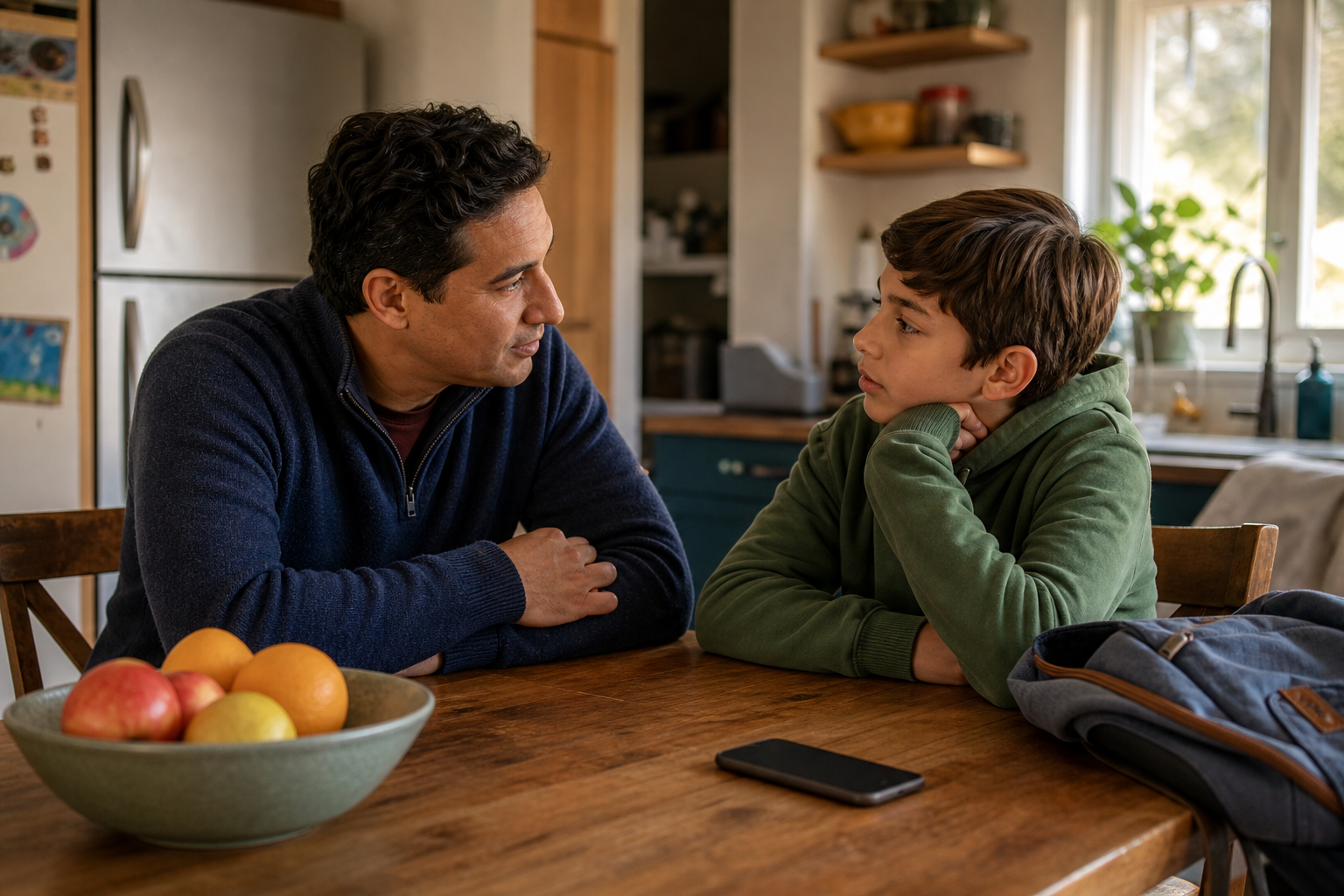
The “Bop” trend post reported that a calm, curious approach can help teens talk about what a word means, how people are using it, and whether anyone is being targeted. That same approach applies to younger children’s privacy signals. Before correcting, explaining, or setting a new rule, adults can first notice what the child is communicating.
Curiosity does not mean passivity. The family nudity post argued that family nudity should not feel forced, confusing, or dismissive of anyone’s boundaries. The teen-focused post similarly advised paying attention to changes in mood, friendships, sleep, and phone habits when online interactions may be causing distress.
The clearest synthesis is that parents do not need perfect knowledge of every trend or one fixed rule for every age. They need a home culture where children can say, directly or indirectly, “this feels uncomfortable,” and expect adults to listen before they lecture.
References
- diapr.ai Blog — Family Nudity and Kids: When Parents Should Set Boundaries
- diapr.ai Blog — The Bop Trend Is Hurting Teens: How I Help at Home