You do not need to become a collectibles expert to make better calls at thrift stores, estate sales, or while clearing out a relative’s closet. You need a slower eye, a few sorting habits, and a way to keep tiny objects away from tiny hands.
For parents with babies and toddlers, this matters because clutter piles up fast. Some things should be donated, some should be kept for family reasons, and a small number may deserve a closer look before they leave the house.
Start With the Objects People Underprice
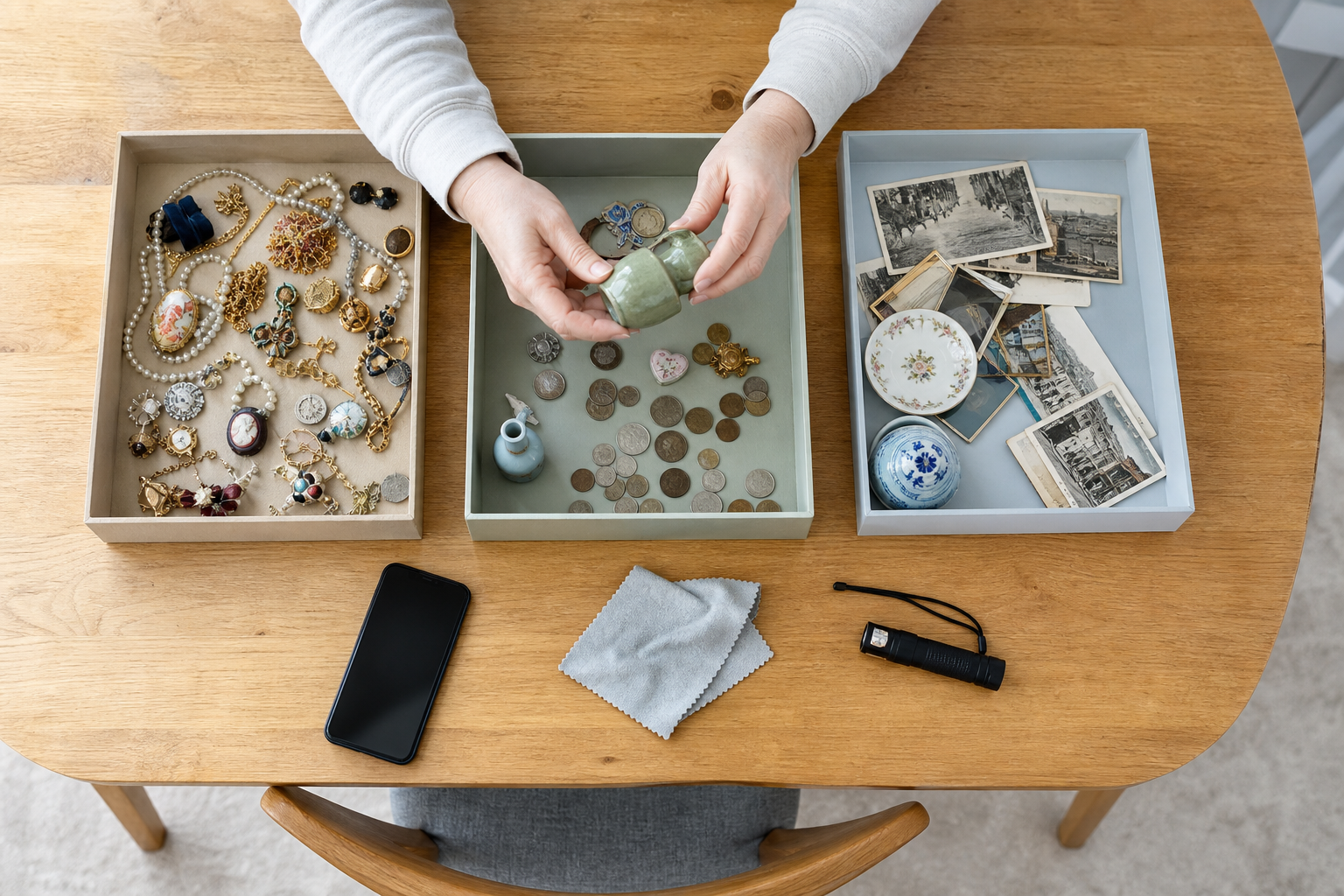
The easiest secondhand wins are not always fancy. They are often ordinary things that look too familiar to feel special: old coins in a jar, a rubber-banded stack of bills, a glass bowl on a thrift-store shelf, or a box of household pieces from someone else’s kitchen.
Most old change is still worth face value. That is the baseline. But some pieces of U.S. currency can be worth more than the number printed or stamped on them, which is why it is worth checking before you dump everything into a coin machine.
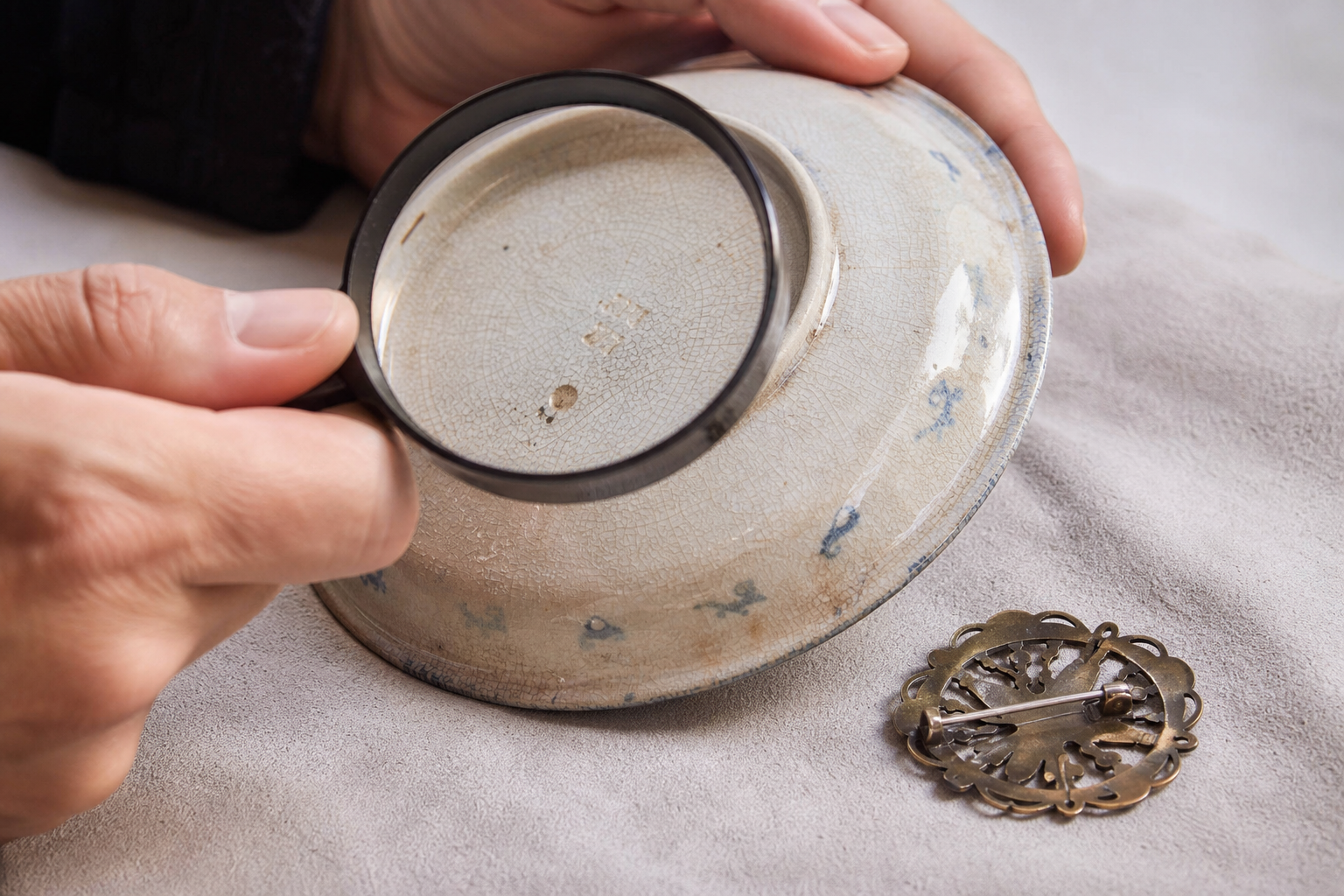
Glassware works the same way. A blue mixing bowl may look like any other blue bowl until you flip it over. The important clue can be on the base, not the color, shape, or shelf price. A thrifted blue glass bowl marked at $2 could be worth $250 or more when the right identifying mark is there.
Use a Two-Minute Check Before You Donate or Buy
You do not need to evaluate every item in the house. That is how a quick cleanout turns into a stalled room full of piles. Use a simple check for things that are small, old, marked, or unusually well made.
- Pick up the item only if it fits a high-potential group: coins, paper money, glass bowls, marked kitchenware, or older household collectibles.
- Look for a maker’s mark, date, mint mark, stamp, signature, label, or unusual construction detail.
- Photograph the front, back, bottom, and any marks before you put it in a donate box.
- Search the exact words, numbers, or symbols you can read, not a vague description like “old bowl” or “old coin.”
- Compare against sold listings or collector references when possible, not just active asking prices.
If the item has no readable mark and no clear reason to keep digging, move on. The point is not to make every object precious. The point is to avoid missing the small percentage that needs more attention.
Make Sorting Safe Around Babies and Toddlers
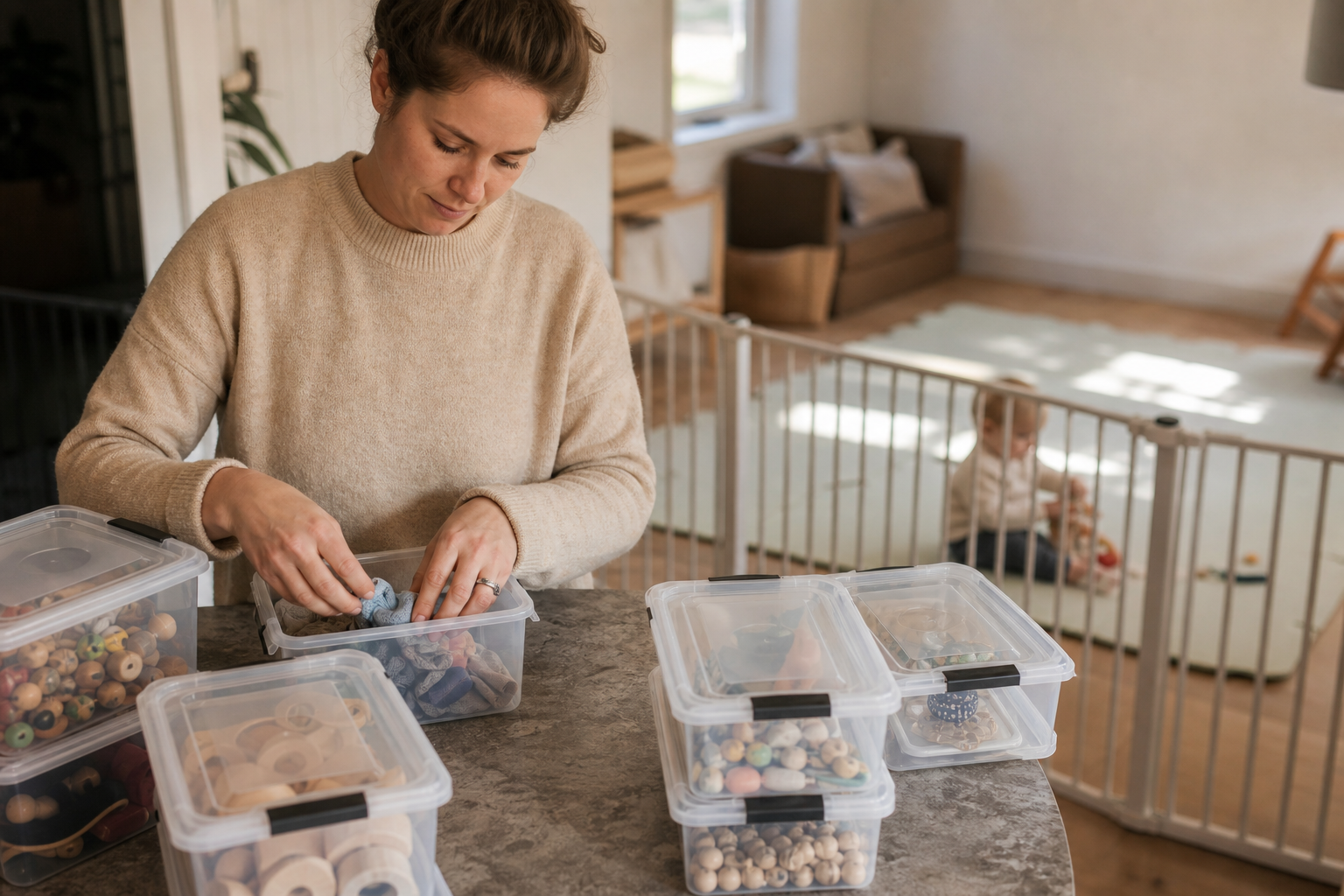
Coins, old bills, glass bowls, rubber bands, and small tags are not good floor projects when a baby is crawling or a toddler is helping. Sort at a table, during nap time, or after bedtime. Keep a lidded container nearby so you can close the whole project quickly if your child wakes up.
Use three containers only: keep, check, and donate. Anything with small parts, sharp edges, dust, or breakable glass goes straight into the closed “check” container until you can inspect it without a child underfoot.
Do not wash vintage paper, scrub old coins, or run marked glassware through the dishwasher before you know what it is. Cleaning can remove clues. For a busy parent, the safest first step is a photo, a label, and a sealed box out of reach.
Know When a Find Is Worth More Attention
A useful clue is specific. “Old” is not specific. “Blue” is not specific. A date, mint mark, maker’s mark, pattern name, stamp, or unusual base mark gives you something real to search.
- Check currency when it is older, unusual, in very crisp condition, visibly misprinted, or clearly different from everyday change.
- Check glassware when the base has a mark, the color is distinctive, the shape looks like part of a set, or the piece feels heavier or better finished than modern kitchen glass.
- Pause on estate boxes because valuable objects often sit beside ordinary ones. A stack of bills or a kitchen bowl can be easy to overlook when you are tired and sorting quickly.
- Skip the rescue impulse when you cannot identify a clue. A low price alone does not make something valuable.
This is especially helpful if you are trying to reduce clutter before a baby arrives, clear space for toddler toys, or make a nursery closet usable again. You can be careful without turning your home into storage for maybes.
Key Takeaways
- Most old coins and bills are not valuable beyond face value, but some deserve a quick check before you cash them in.
- A mark on the base of glassware can matter more than the price sticker or the color.
- Photograph identifying details before cleaning, donating, or selling a possible collectible.
- Sort small or breakable items away from babies and toddlers, using closed containers you can move quickly.
- Keep the process limited: check the clue, decide the next step, and let ordinary items leave the house.
A Simple Weekend System
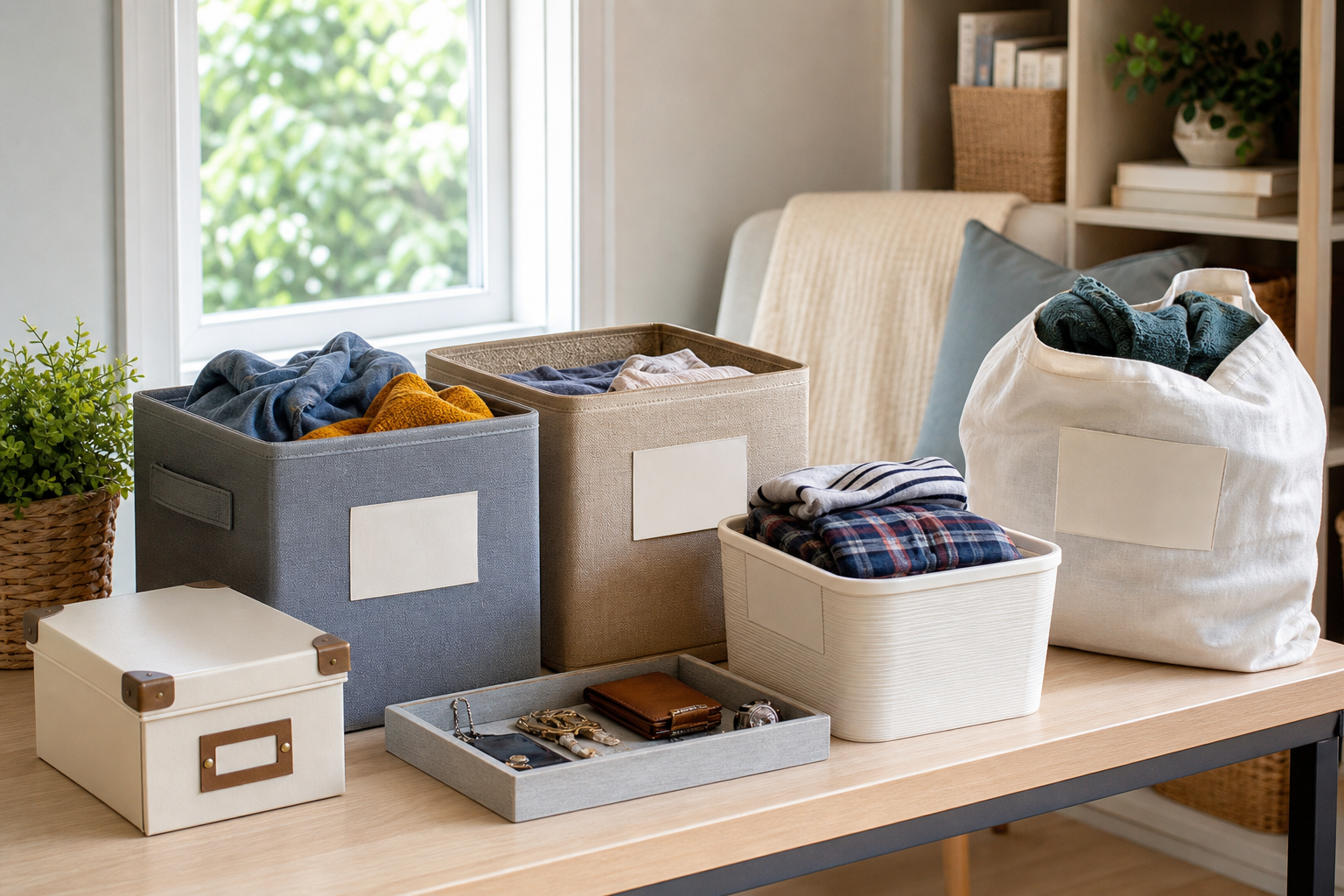
Set a timer for one short session, not a whole day. Pull out one drawer, one box, or one thrift bag. Separate only the items with clear clues. Take photos. Put the rest where it already belongs: donation bag, recycling, keepsake box, or back into use.
If something looks promising, write down what you know and store it safely until you can check sold prices or ask a collector group, appraiser, or specialist shop. If it does not have a clue, let it go. The hidden value is not just in finding a collectible. It is also in getting your space back.
References
- Wealthy single moms — 15 pieces of US currency worth way more than face value
- Wealthy single moms — That $2 blue bowl at Goodwill could be worth $250+ – here’s how to find out