
You may have found a childbirth price for the country where you live, plan to move, or hope to give birth. It is useful context, but it is not yet a budget. The amount your family must actually prepare depends on what the quoted price includes, which coverage rules apply to you, how the birth unfolds, and when each payment is due.
You do not need to predict every clinical decision. You do need a written map of the likely charges, the plausible alternatives, and the gaps nobody has agreed to cover. Here is how to build one without mistaking a country average or hospital package for your final bill.
A country price is context, not your personal bill
Published comparisons covering countries from Japan to South Africa make one point immediately visible: childbirth costs differ sharply around the world. But a converted headline price cannot tell you what you will owe.
Before using any global figure, find out what kind of number it is. It might represent a hospital charge, a bundled package, an average cost, a self-pay price, or an amount before public or private coverage. Those numbers answer different questions and should not be placed side by side as if they were interchangeable.
- What is included? Confirm whether the figure covers prenatal care, the birth admission, professional fees, medicines, laboratory work, postnatal care, and routine newborn services.
- Whose price is it? Ask whether it applies to residents, visitors, people enrolled in a public program, privately insured patients, or families paying without coverage.
- Which birth pathway does it represent? A package built around one planned route may not include anesthesia, surgery, a longer stay, a transfer, or higher-level care for the parent or baby.
- Which currency and date apply? If you will pay across currencies, the exchange rate and payment method can change your home-currency total. Record the currency of every estimate rather than converting everything once and forgetting the original amount.
- Is it a bill, an approved amount, or your share? An insurer or public program may use different terminology. Ask what the provider charges, what the payer recognizes, what it expects to pay, and what remains yours.
A useful comparison therefore has two layers. The country-level number helps you understand the broad landscape. Your written estimates and coverage decisions determine the amount you should prepare.
Build the estimate around your actual care pathway

Start with the care you expect to use, not with a national average. Then add an alternative pathway so the budget does not fail as soon as the clinical plan changes. This is financial planning, not a prediction about how your birth will go.
- Map the full episode of care. List prenatal appointments and testing, the planned place of birth, the professionals who may bill, postnatal follow-up, prescriptions, and newborn care. Keep the parent’s care and the baby’s care on separate lines.
- Identify every payer. Write down whether each line may be paid by a public program, private insurer, employer benefit, travel policy, hospital assistance program, or your household. Do not write “covered” until the responsible payer confirms it.
- Request a baseline estimate. Ask the facility and clinicians for an itemized estimate based on the planned route of care. Request the estimate in writing and note how long it remains valid.
- Request an alternative estimate. Ask what changes financially if the delivery method changes, another clinician becomes involved, the stay is longer, or the parent or baby needs a higher level of care. The goal is to identify cost categories that are absent from the baseline, not to guess the clinical outcome.
- Verify the estimates with the payer. Give the insurer or program administrator the provider names, facility, expected dates, and service descriptions. If the system uses billing codes, ask the provider for them rather than guessing.
- Turn the total into a cash-flow plan. Mark deposits, advance payments, amounts due at admission, bills expected later, and claims that require you to pay first and seek reimbursement. A benefit that eventually reimburses you does not solve a deposit due before care.
Your working budget can be expressed plainly: confirmed amounts you must pay, plus uncovered related costs, plus a reserve for categories that remain uncertain. Keep expected reimbursements separate until their eligibility and timing are confirmed. That prevents a promised future payment from being mistaken for cash already available.
When you contact a hospital, clinic, midwifery practice, insurer, or public program, use the same questions each time:
- Is this an estimate, a fixed package, or a maximum?
- Does it apply to my residency, enrollment, and coverage status?
- Which services, professionals, medicines, tests, and facilities are included?
- Which items are specifically excluded?
- Can the parent and newborn receive separate bills or use separate coverage rules?
- Could any clinician involved be outside the relevant network or payment arrangement?
- What authorization or referral must be completed before admission?
- What changes if the planned delivery method, length of stay, or level of care changes?
- What must be paid in advance, and what may be billed later?
- Who can provide the answer in writing, with a date and reference number?
Keep names, dates, reference numbers, estimates, and coverage confirmations together. If two answers conflict, send both back to the organizations involved and ask them to resolve the discrepancy in writing. Do not choose the more favorable answer simply because it makes the budget easier.
Catch the charges that sit outside the birth package
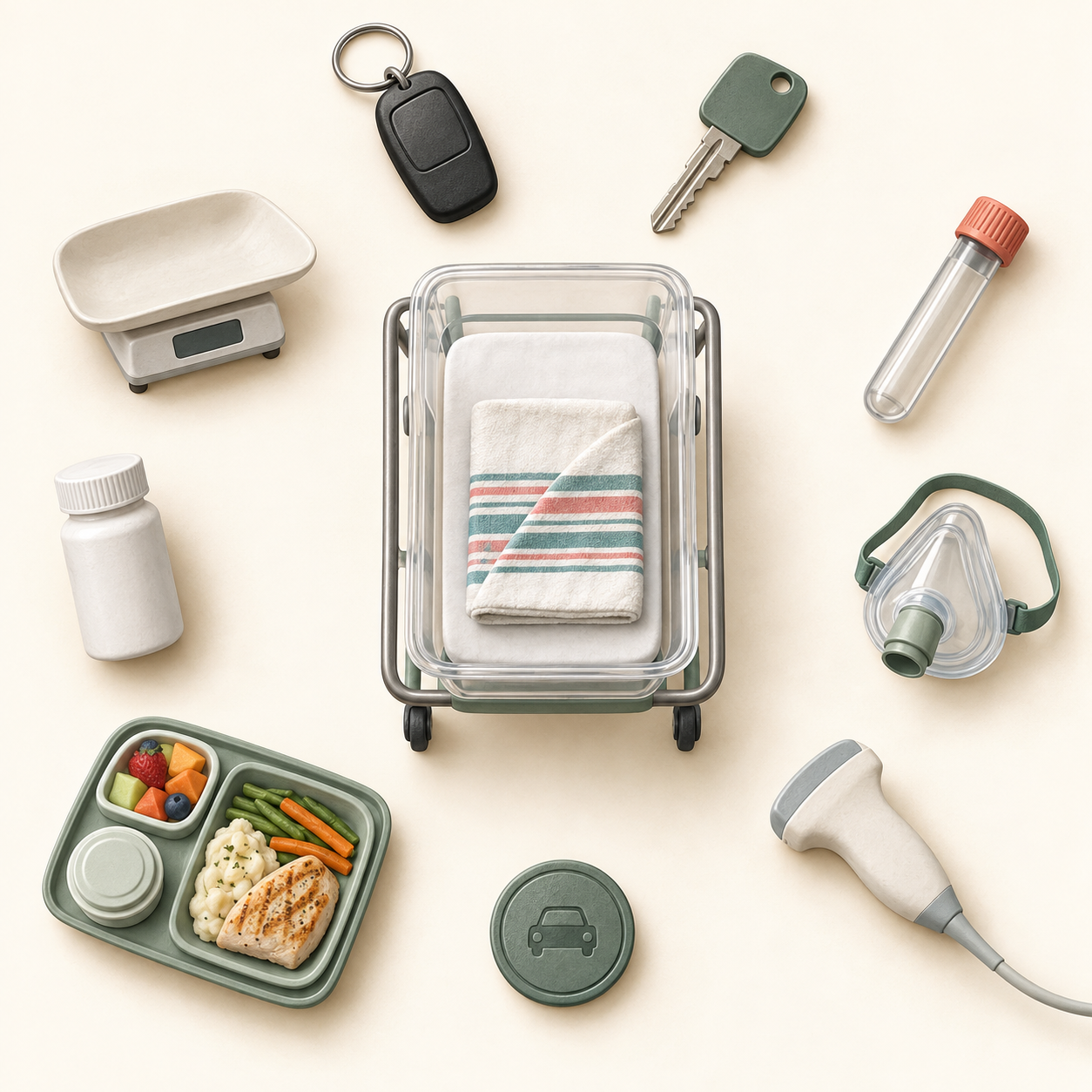
A package can be accurate and still be incomplete. The problem is often not a hidden fee inside the package; it is a related service that was never part of the package at all. Audit the boundaries before you rely on the total.
| Cost area | What to ask | What to record |
|---|---|---|
| Before admission | Are consultations, tests, imaging, medicines, and travel to appointments included? | Provider, expected timing, coverage decision, and your share |
| Birth admission | Are the facility, attending clinician, anesthesia, operating room, medicines, laboratory work, and supplies covered by one estimate or several? | Separate estimate for every billing organization |
| After discharge | Are follow-up visits, prescriptions, home support, feeding support, or an unplanned return included? | Included services, exclusions, and how long package coverage lasts |
| Newborn care | Is routine newborn care included, and how would additional monitoring or specialist care be billed? | Baby’s payer, enrollment steps, effective date, and separate deductible or cost share if applicable |
| Administration | Are there deposits, claim fees, medical-record fees, translations, currency conversion costs, or card charges? | Payment method, due date, refund rules, and original currency |
Do not add a confident-looking contingency percentage unless it has a real basis in your own quotes and coverage. A vague percentage can disguise the category that creates the risk. List unresolved items individually instead: anesthesia not yet priced, newborn enrollment not yet confirmed, possible transfer not included, or reimbursement timing unknown. You can then direct each uncertainty to the organization capable of answering it.
Also separate medical costs from the household costs surrounding birth. Transport, parking, accommodation, meals, child care for an older child, unpaid time away from work, and help at home may never appear on a medical estimate. They still affect how much accessible money your family needs.
Cross-border and relocation plans need extra checks

If you are moving countries, returning home to give birth, or considering planned care abroad, do not assume that being physically present makes you eligible for the local price. Residency, enrollment, immigration status, referral pathways, and the date coverage begins may all matter. The relevant public authority, insurer, and provider must confirm how the rules apply to you; general travel content cannot make that determination.
- Confirm eligibility dates. Ask when coverage begins, which documents must be approved, and whether care received while an application is pending is treated differently.
- Ask whether the facility will accept you. Confirm registration requirements, records the clinical team needs, and whether the provider has any restrictions affecting a transfer of care.
- Read travel-policy language carefully. Ask separately about routine maternity care, pregnancy-related emergencies, birth, care for the baby, medical transfer, and care after the scheduled trip ends. A broad statement about emergency coverage is not enough.
- Confirm newborn coverage before birth. Ask who must enroll the baby, what documents are required, when coverage becomes effective, and how care delivered before enrollment is handled.
- Plan for records and communication. Find out whether medical records need translation, which format the receiving team accepts, and how previous test results will reach them.
- Check civil and travel paperwork. Ask the relevant authorities about birth registration, parentage documents, citizenship, passports, visas, and permission to travel with the baby. These are legal and administrative questions, so rely on the responsible authorities rather than a hospital estimate or another family’s experience.
- Stress-test a transfer. Ask what happens financially if care moves from the intended clinician or facility to another one. Confirm transport and higher-level care separately rather than assuming the original package follows you.
A lower planned price is not a complete saving if it depends on uncertain eligibility, excludes the baby, or requires your family to fund the full amount while waiting for reimbursement. Compare the amount and the risk attached to it: what is confirmed, what is conditional, what is excluded, and how much cash could be required quickly.
Cost planning must never delay urgent medical care. Know how to reach emergency services and where urgent maternity and newborn care are available at your destination. If you are deciding whether travel is medically appropriate or when to travel, ask the clinician responsible for your care; a cheaper booking or package is not a substitute for that assessment.
Turn your notes into three usable confirmations
Your planning is ready when three parties have answered three different questions. The provider confirms what care may be delivered and how it is billed. The payer confirms which parts it recognizes and what remains yours. The household budget confirms when that money will be available, including deposits and delayed reimbursements.
Key takeaways
- Treat a global or country-level childbirth price as context, not as the amount you will owe.
- Build the budget from your expected care pathway and a plausible alternative pathway.
- Request separate written answers for the parent’s care, the baby’s care, exclusions, and payment timing.
- Distinguish a provider’s charge, a payer’s recognized amount, a reimbursement, and your final out-of-pocket share.
- For international plans, verify eligibility, newborn coverage, transfers, paperwork, and currency exposure before committing.
- Do not let price checks or coverage disputes delay urgent care.
Make the provider, payer, and household calls while you still have time to resolve conflicting answers. Once the written confirmations are in one place, you can compare locations or care options on the number that matters: the money your family may actually need, when it may be due, and which uncertainties remain.
References