

You love the idea of naming your baby after a fearless female character. But loving a heroine and living with her name are different decisions. The right choice should carry the quality you admire while still sounding natural at daycare, around the dinner table, and on your child’s future resume.
You don’t need the most recognizable character or the boldest-sounding name. You need a connection you can explain, a name both parents genuinely like, and a result that still works when nobody catches the reference.
Begin with the quality you want the name to carry
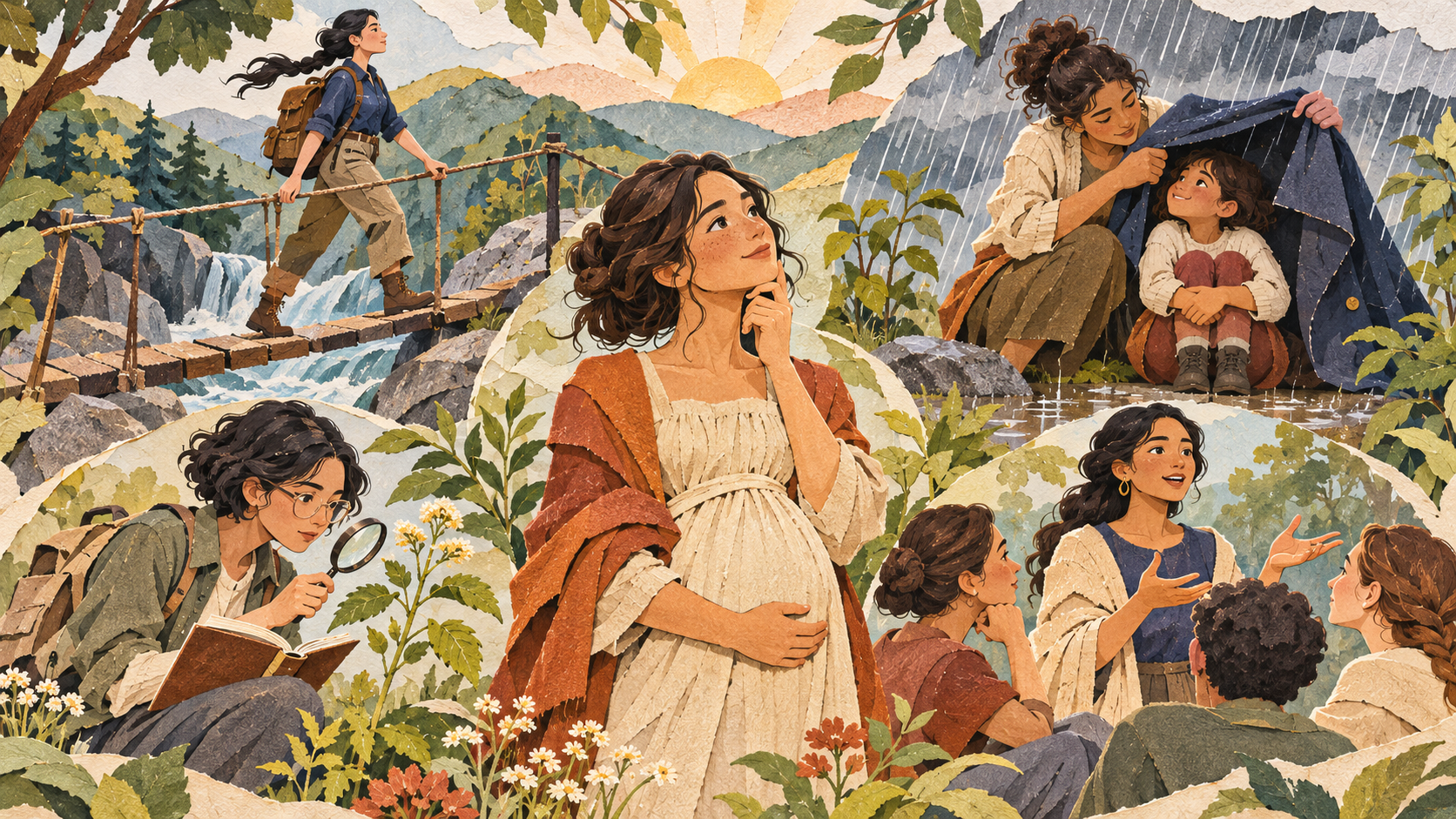
Start with the character’s choices, not her popularity. Fearlessness isn’t limited to winning fights or delivering commanding speeches. It can look like protecting someone, challenging an unfair rule, admitting a mistake, rebuilding after failure, staying compassionate under pressure, or speaking when silence would be easier.
A broad mix of female TV characters from 1990s icons to modern power players can help you notice how many forms strength takes. Before collecting names, finish this sentence:
We admire this character because she…
Complete it with an action. She keeps going. She protects people without controlling them. She thinks independently. She changes her mind when the evidence changes. An action gives you a sharper filter than a vague word such as strong.
Then ask whether you admire the character’s overall values or only one memorable moment. A name is a lasting tribute, so a complete pattern matters more than a dramatic scene. This step will often eliminate an exciting but shallow choice before you become attached to it.
Keep the symbolism in proportion, too. A name can express what you value as parents, but it doesn’t assign a personality to your child. Your daughter may be quiet where the character is outspoken, cautious where she is impulsive, or drawn to an entirely different kind of courage. The healthiest tribute leaves her room to become herself.
Decide how visible you want the tribute to be

A character can inspire the name without becoming your child’s public identity. Decide how obvious you want the connection to be before comparing individual options. That choice will tell you where the tribute belongs.
- Use the character’s first name when you love the name independently and are comfortable with the association being noticed. This is the clearest tribute, but it also gives the reference the most influence.
- Place the name in the middle when the connection matters to your family but you want your child to have more control over when she shares it. This can also solve a difficult rhythm or an awkward pairing with the family surname.
- Use a shortened form, surname, initial, or sound echo when you want a private nod rather than a direct reference. Write down the link now; if it takes a long explanation today, it may be hard for your child to understand later.
- Choose a different name that reflects the same quality when the character matters more than her literal name. The tribute becomes less recognizable, but the reason behind it may fit your family more honestly.
Ask one practical question: do you want other people to recognize the inspiration before you explain it? If the answer is no, a middle name or subtle echo is probably the better route. If the answer is yes, make sure you are comfortable with the character becoming a frequent part of conversations about your child.
Both parents should also be able to describe the connection in their own words. Agreement on the name isn’t quite enough if one parent sees a meaningful symbol and the other merely tolerates a fandom reference. Try saying, Our child is named after this character because…. If either explanation feels forced, return to the quality you identified and consider a subtler form.
Check the whole character, not just the version you first loved

Characters change. A brave protagonist can make cruel choices, a supposed villain can become more complicated, and a final season can alter how an earlier storyline feels. You don’t need a flawless role model, but you should know which parts of the character you are honouring and which parts you aren’t.
Review the complete arc available to you rather than relying on a favourite scene or a short clip. Then work through these questions:
- What does she do when she has power over someone else?
- Can she admit harm, change course, or accept consequences?
- Is her courage rooted in conviction, loyalty, survival, ambition, or something else?
- Would you still admire the quality if a less charismatic character displayed it?
- Can you explain the inspiration without defending behaviour that troubles you?
Separate the fictional character from the performer as well. People may connect the name to the role, the actor, or both, even when your intention concerns only the character. Decide whether that overlap matters to you. You can’t predict every future association, but you can avoid choosing under the mistaken belief that everyone will interpret the tribute exactly as you do.
Recognition can vary between generations, regions, and communities. That isn’t automatically a problem. It simply means you should like the name when the reference lands, when it doesn’t, and when someone makes the wrong connection.
Take the name off the screen and test it in real life

A character name can feel perfect while you are watching the show and awkward once it meets your surname. Test your finalists as names first and tributes second.
- Say the complete name aloud. Use the first, middle, and family name at a normal speaking volume. Listen for repeated sounds, accidental rhymes, and places where the names run together.
- Write every likely version. Include the full name, initials, first and last name, and obvious shortened forms. You don’t have to love every possible nickname, but you should know which ones other people are likely to try.
- Use the name in ordinary sentences. Imagine calling it from another room, introducing your child to a caregiver, writing it on a birthday invitation, and hearing it during a formal introduction. A name that works only in dramatic dialogue isn’t ready yet.
- Ask a neutral person to repeat it. Say the name once without mentioning the character. Notice what the person hears, where they place the emphasis, and whether they assume a different spelling. Their response isn’t a vote; it is information about what your child may encounter.
- Run the age test. Picture the name belonging to a baby, a school-aged child, a teenager, a working adult, and an older person. You aren’t predicting your child’s life. You are checking whether the name can travel beyond the tiny-baby stage in which you are choosing it.
- Remove the show from the decision. Ask whether you would still consider the name if you had never seen the character. A yes means the name has an independent foundation. A no isn’t necessarily fatal, but it tells you that the tribute is doing most of the work.
If the name comes from a language or culture you don’t know well, pause before treating its sound as enough. Learn its pronunciation, meaning, ordinary usage, and any cultural or religious significance. A character may introduce you to a name, but the character doesn’t define the name’s full context.
When two finalists remain, compare them using the same criteria: fit with the family surname, acceptable initials, pronunciation, likely nicknames, strength of the character connection, and how well the name stands without that connection. Don’t add a new criterion merely because it helps one favourite win. A consistent test makes the trade-off visible.
Key takeaways
- Define the specific kind of courage you admire before making a name list.
- Choose whether the tribute should be direct, private, or recognizable only to people who know the story.
- Consider the character’s full arc instead of naming from one memorable moment.
- Make room for your child to have a personality and values that differ from the character’s.
- Test the complete name aloud, in writing, across likely nicknames, and in both casual and formal situations.
- Keep a finalist only if you can live with both outcomes: people notice the reference, or they never notice it at all.
Put your strongest options away for a little while, then return to them without clips, fan discussions, or character images in front of you. Choose the name you would be glad to use even if the show faded from memory. The story can give the name its beginning; your child should be free to give it everything that comes next.
References



