

When your toddler is already crying, kicking, or shouting, scrolling through a long menu of videos gives both of you another problem to solve. The useful question is not which CoComelon song is universally best. It is which familiar song your child can accept in that moment, and how you use it without creating a second battle.
Big feelings and tantrums are normal in toddlerhood, and music can sometimes help a child move through them. Think of a song as a predictable cue rather than an off switch. It may lower the intensity, reconnect your child with you, or make the next step feel manageable. It will not end every tantrum, and that does not mean you used it incorrectly.
Build a small calm-down set before the next tantrum
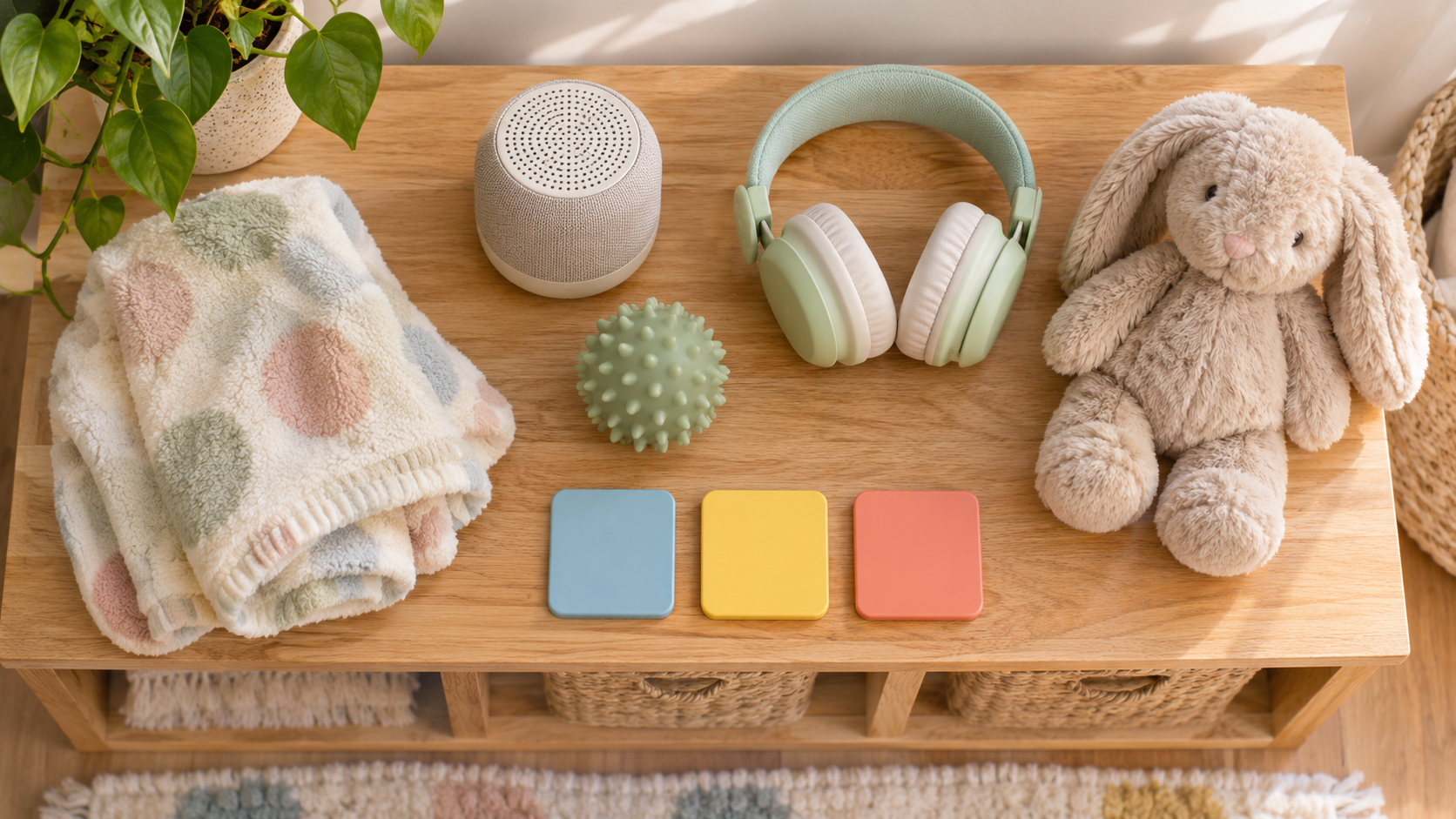
The middle of a meltdown is a poor time to test unfamiliar songs. Start during an ordinary, calm part of the day. Play a few possible tracks and notice which ones your child already anticipates, hums, requests, or settles in to hear. Familiarity matters more than finding a song marketed as calming.
If you need candidates, this collection of 15 CoComelon songs that may help with toddler tantrums gives you a starting point. Do not turn the entire list into your emergency playlist. Save a small selection that you can reach without searching or scrolling:
- A comfort song: Choose the most familiar, predictable tune your child tends to receive quietly.
- A connection song: Pick one with a simple action, expression, or sound you can copy together once your child is ready to engage.
- A transition song: Save a track associated with the task your child often resists, such as cleaning up or getting ready. Use this after the emotional peak, not as a lecture during it.
Decide in advance whether you will use a video, audio only, or your own voice. If watching the animation makes it harder to turn the device off, audio may be the easier tool. Download or save the tracks, pin the playlist where you can reach it quickly, and disable autoplay if the next video commonly becomes a new argument.
Let your toddler hear these songs when they are already content, too. A crisis-only song can become another highly prized thing to demand. A familiar everyday song is more likely to feel like a safe routine than a reward for screaming.
Use the song with your child, not at your child

A toddler at the height of a tantrum may not be able to explain what is wrong, choose among many options, or follow a string of instructions. Use fewer words and make your presence predictable. The song supports that work; it does not replace it.
- Make the space safe. Move hard, sharp, or breakable objects out of reach. Stay close enough to respond without crowding a child who does not want touch.
- Name what you can see in one sentence. Try, “You are very upset. I am here.” You do not need to identify the exact emotion or persuade your child to agree with your description.
- Offer one manageable choice. Ask, “CoComelon song or quiet?” If choosing is too much, say what you are going to do: “I will play your familiar song softly. You can listen or not.”
- Start without demanding participation. Keep the volume comfortable. Do not insist that your toddler watch, sing, dance, make eye contact, or stop crying before the song continues.
- Watch your child rather than the screen. If the intensity begins to ease, keep the environment simple. If the music clearly adds frustration, stop it. Switching rapidly from song to song usually adds more stimulation and more decisions.
- Leave room for recovery. When the song ends, your child may still need quiet, closeness, water, or time before returning to the original task. Calmer is not the same as immediately ready.
Avoid using the lyrics to correct your toddler in the middle of the tantrum. “The song says you have to share” turns a familiar track into another adult instruction. Let the music be the predictable part. Save teaching, problem-solving, and practice for a calm moment.
Match the kind of song to the kind of moment

A track that helps during tired, disorganized crying may annoy a child who is furious about a firm limit. Before pressing play, notice what appears to be driving the moment. You do not need a perfect diagnosis. You only need enough information to avoid adding the wrong kind of energy.
- When everything seems like too much: Use the lowest-energy familiar song in your set. Lower the volume, dim unnecessary noise around your child, and stop asking questions. If even the favourite song is rejected, quiet may be more helpful.
- When your toddler is angry about “no”: Keep the boundary separate from the comfort. You can say, “You wanted another episode. We are finished watching. I can play the song without the video, or sit with you.” The song may help your child tolerate the limit; it should not quietly reverse the limit.
- When a routine change triggered the tantrum: Introduce the transition song during calm practice first. Pair it with the same next action each time, such as putting toys in the basket. During a tantrum, wait until your child can notice the cue before expecting participation.
- When the peak has passed: A more interactive song can offer a path back into connection. Copy one simple movement and let your child join voluntarily. This is an invitation, not a test of whether the tantrum is “really over.”
Success can be subtle. Your toddler may continue to cry while allowing you to come closer. They may stop escalating, sit down, or accept the next small step. Do not require instant silence as proof that the song worked. The aim is to help your child move through the feeling safely, not to erase the feeling on command.
Keep the playlist from becoming another power struggle
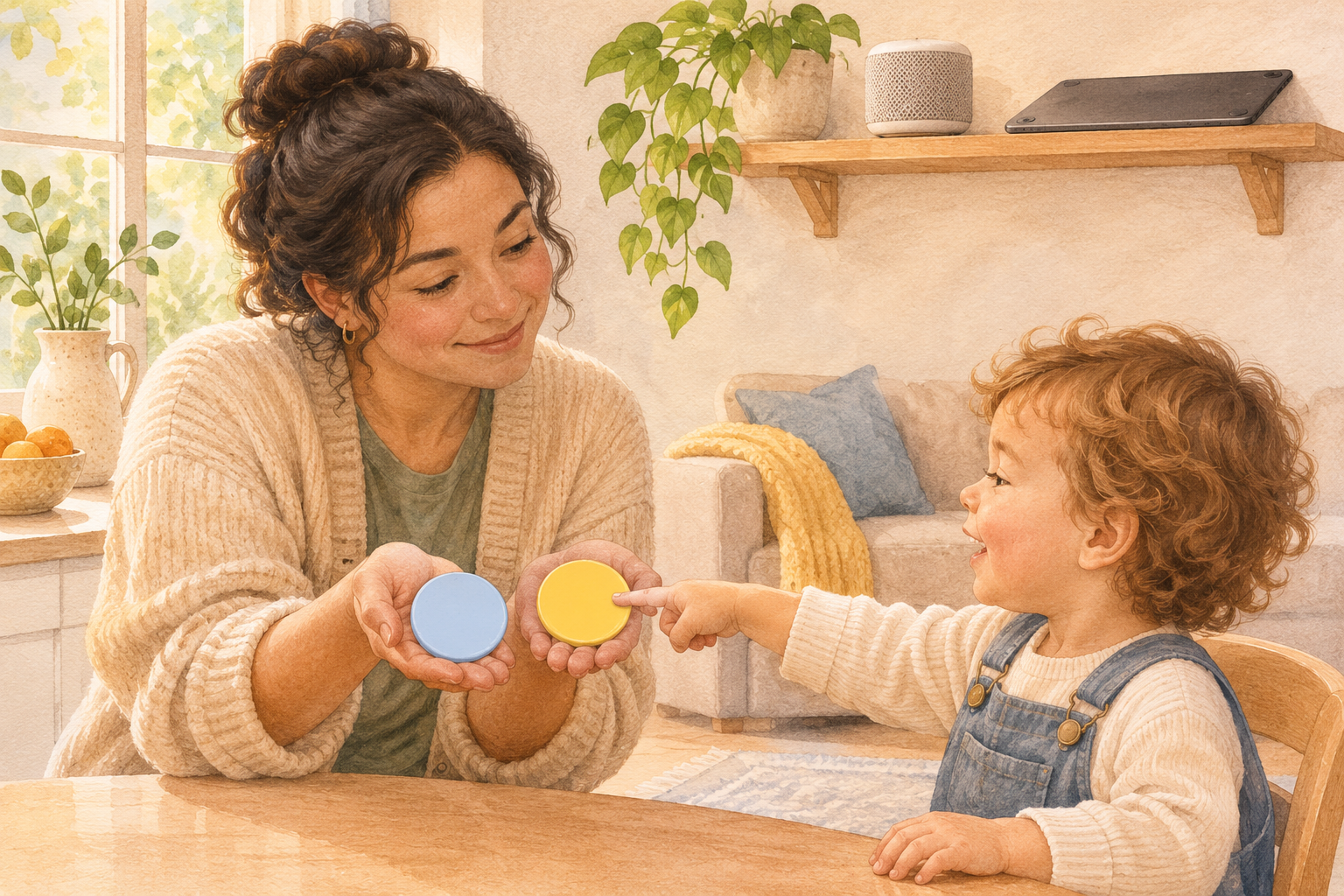
The most common problems begin after the calming song has done its job. The child wants the video to continue, the next episode starts automatically, or the parent changes the original boundary to prevent another outburst. A clear routine protects you from having to improvise under pressure.
- State the format before you begin. “We are listening to the song. We are not starting another video.”
- Make the ending visible and predictable. Use the natural end of the selected track rather than stopping it at a random point when possible.
- Repeat the boundary briefly. If your toddler asks for more, avoid a long explanation. “The song is finished. I can stay with you while you are upset” is enough.
- Do not keep unlocking new choices. Browsing thumbnails invites negotiation. Stay with the saved set or end the music.
- Do not threaten to remove the song as punishment. If it is part of your calming routine, keep it emotionally neutral. Stop it when it is unhelpful or when the agreed listening is over, not to shame your child for struggling.
If your child may hurt themselves or someone else, put the device aside and focus on physical safety. Clear the immediate area and stay nearby. A song is not a safety plan or a substitute for professional support. If tantrums regularly become unsafe, or you are concerned about your child’s development or behaviour, describe what you are seeing to your child’s health-care provider.
Key takeaways
- Choose familiar CoComelon songs during a calm part of the day, then save a small set that is easy to reach.
- Treat music as a cue for safety, connection, or transition, not a command to stop crying.
- Offer a simple choice, keep the volume comfortable, and stop the song if it adds frustration.
- Hold the original boundary even when you offer comfort. Calming a child does not require changing “no” to “yes.”
- Plan how the song will end, especially if video, autoplay, or requests for another episode tend to trigger a second conflict.
Set up the playlist during your child’s next calm stretch and try it once without a tantrum in progress. When a difficult moment comes, you will have one familiar option ready – and you will already know what happens when the song ends.
References



