
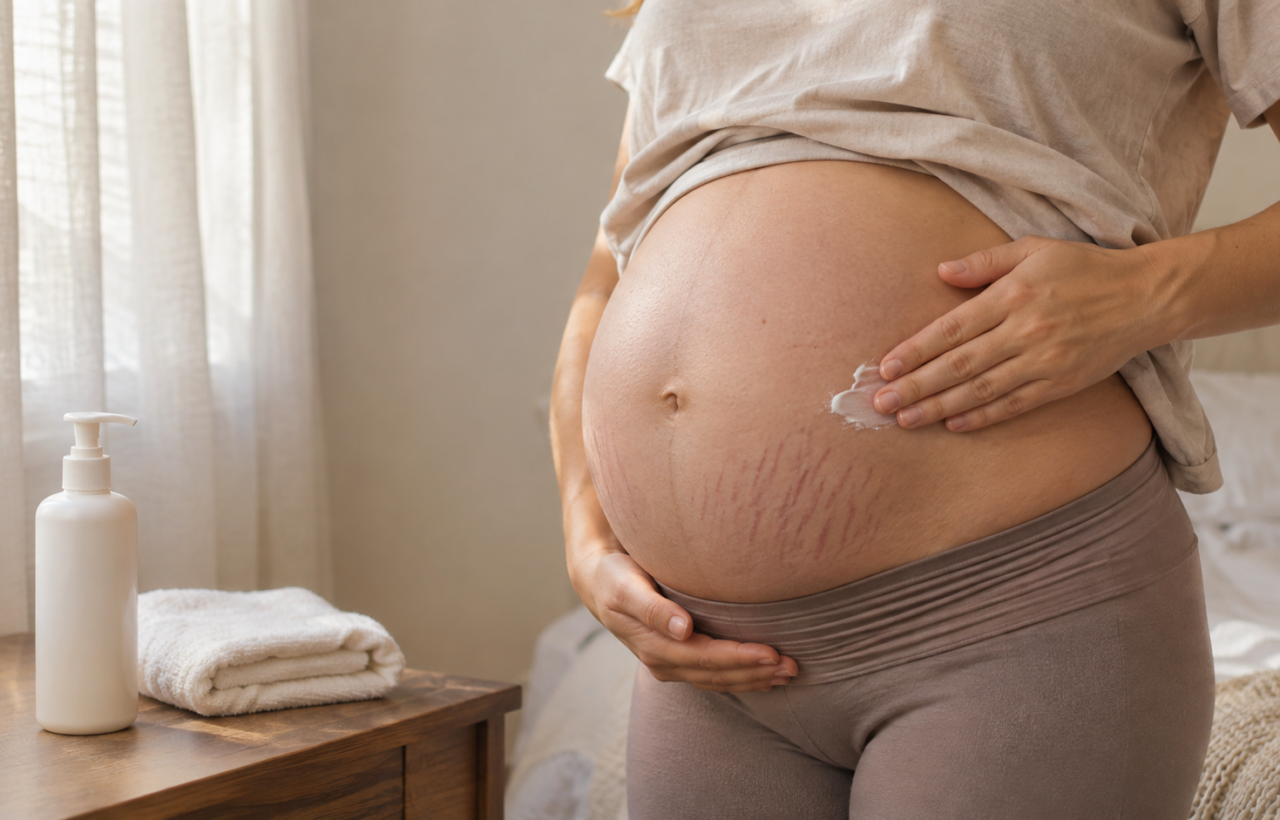
You may have noticed new lines on your belly, breasts, hips or thighs and wondered whether the right cream can stop them from spreading. The honest answer is less dramatic than the marketing: a topical product can moisturize tight, dry or itchy skin, but no cosmetic can guarantee that pregnancy stretch marks will be prevented or erased.
A useful plan starts with the right goal. Choose a formula that makes your skin comfortable, check that its ingredients are appropriate for pregnancy, and treat any prevention claim with caution. If the marks still bother you after pregnancy, that is the time to discuss treatment options with a qualified clinician.
Set a realistic goal before buying a treatment
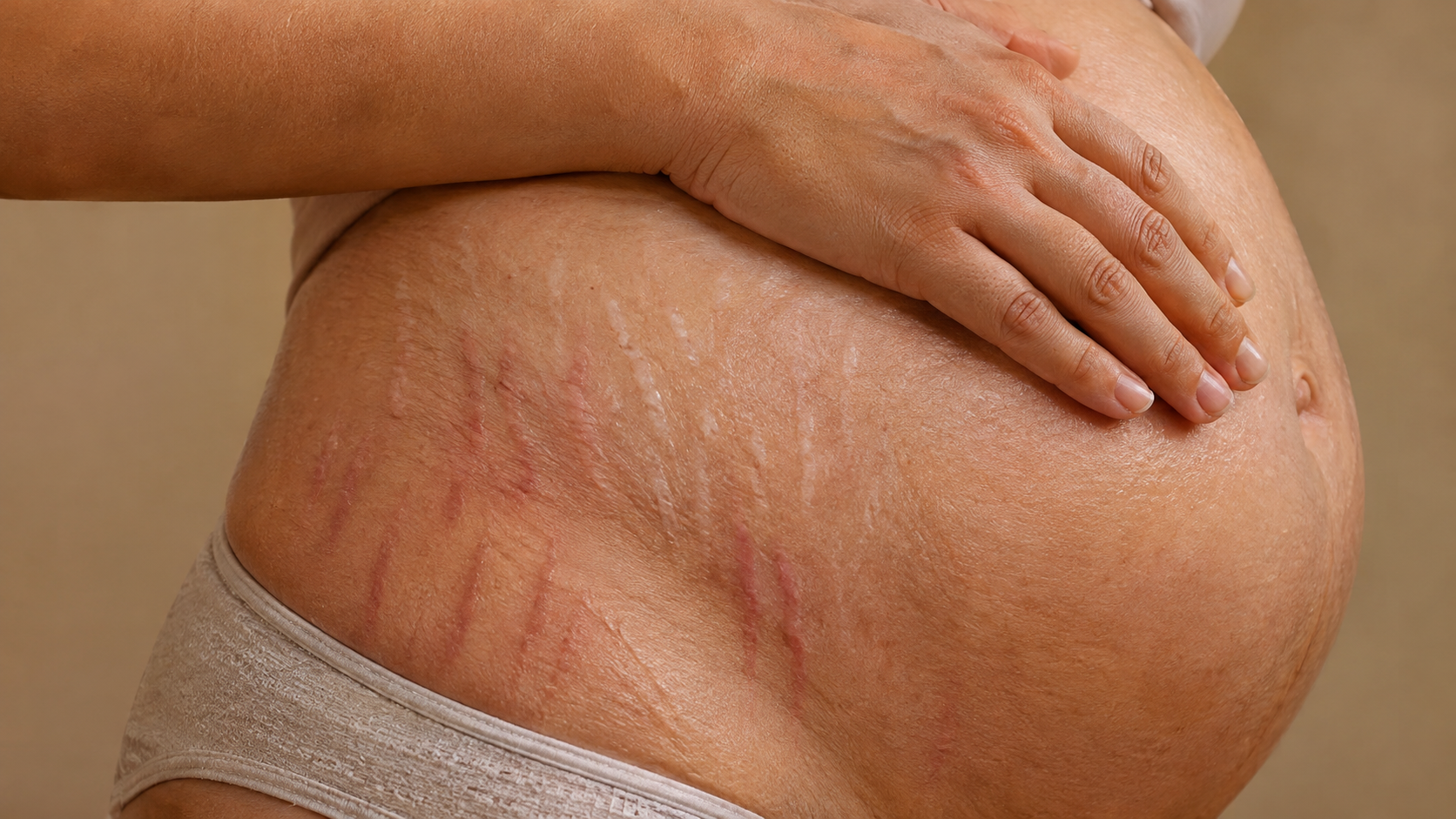
Stretch marks form as the skin changes during periods of growth. Pregnancy-related hormonal changes, genetics and how your body grows can all influence whether they appear. Because the change is not limited to the skin’s surface, applying more oil or buying a more expensive cream cannot give you complete control over it.
That distinction helps you separate three very different promises:
- Moisturizing dry skin is a reasonable job for a cream, lotion, oil or balm.
- Making skin feel softer or look temporarily smoother is a cosmetic effect, not proof that the product has changed a stretch mark.
- Preventing or permanently removing stretch marks is a much larger claim. A product should not be assumed to do this simply because it is marketed for pregnancy.
Look closely at the exact wording on the package. Claims such as hydrates, softens or improves the appearance of skin are not the same as prevents stretch marks. Before paying a premium for a stronger promise, look for information about what was measured, who used the product and whether it was compared with an ordinary moisturizer. If those details are missing, treat the wording as marketing rather than a result you can count on.
This does not make a moisturizer pointless. Pregnancy can leave expanding skin feeling dry, tight or uncomfortable. A pleasant product may help with those surface symptoms and make daily skin care easier. That is a worthwhile benefit, even when it cannot determine whether marks appear.
Choose a formula you will actually use
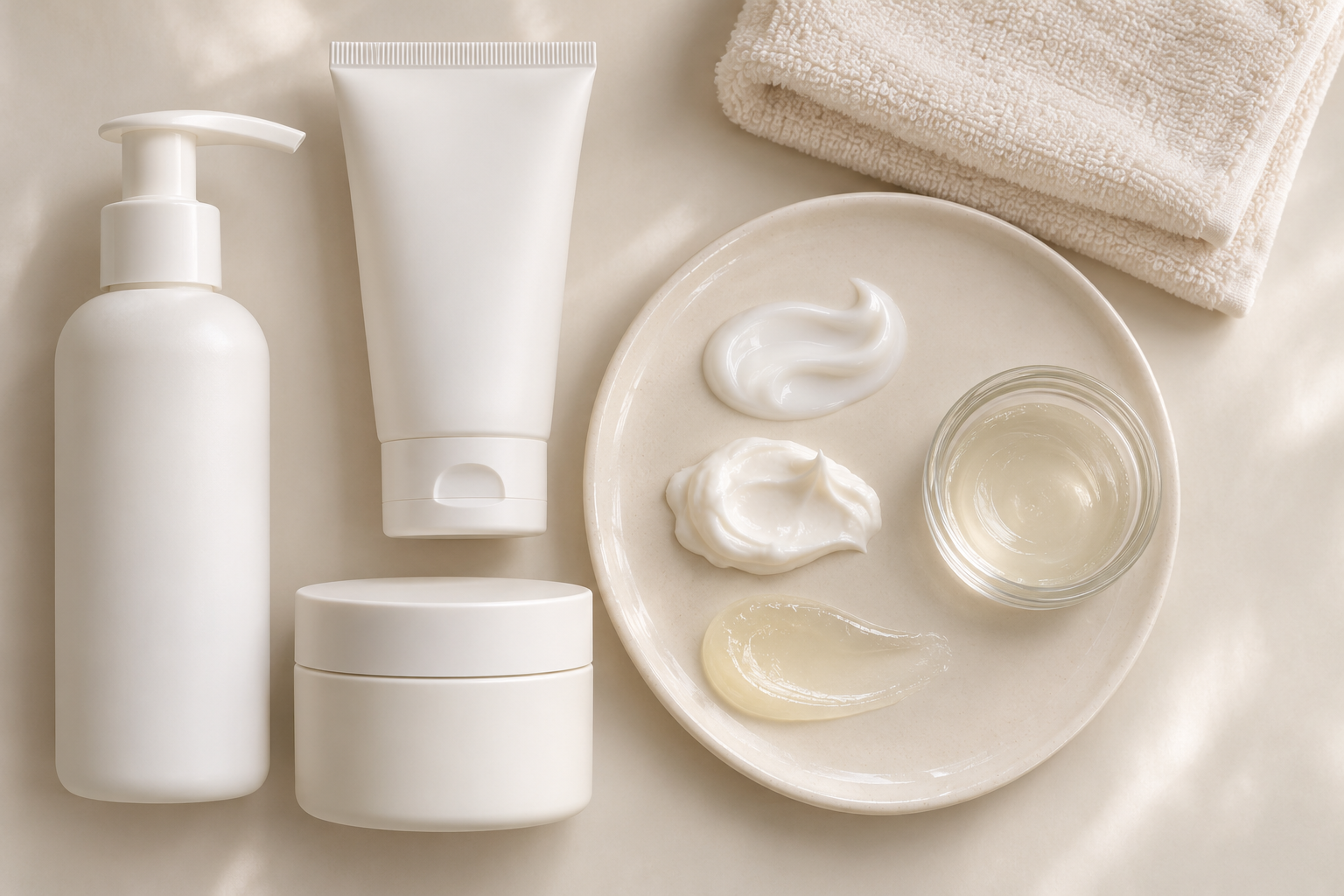
The best format is usually the one that fits your skin and your routine. Eighteen pregnant parents tested dermatologist-recommended creams, oils, lotions and balms, which highlights how much the experience of using a product can vary. Texture, scent and packaging can determine whether a product stays in your routine, but a pleasant application is not clinical proof that it prevents stretch marks.
| Format | When it may suit you | What to consider |
|---|---|---|
| Lotion or cream | You want something familiar, easy to spread and practical for regular use. | A lighter formula may feel more comfortable during the day, while a richer cream may suit dry skin. |
| Balm | You prefer a thicker layer on particularly dry areas or at bedtime. | It may take longer to spread and can feel heavy under clothing. |
| Oil | You like extra slip for gentle application or massage. | It may leave hands, floors or clothing slippery and is not automatically more effective than a cream. |
Before buying, test the decision against your real day. Can you open the container with slippery hands? Will the scent bother you when you feel nauseated? Does the finish work under maternity clothing? Can you afford to replace it as often as the directions require? A plain moisturizer that you can comfortably keep using may serve you better than a costly treatment you dislike applying.
If your skin is sensitive or fragrance tends to trigger nausea, begin with a simple, low-scent or fragrance-free option. Fragrance-free does not guarantee that a formula will agree with your skin, so the ingredient list and your own reaction still matter.
Use a simple, pregnancy-conscious routine
Products labelled natural, botanical or maternity are not automatically appropriate for every pregnancy. Marketing on the front of the container is not a safety assessment. Check the full ingredient list, especially when a product promises resurfacing, renewal, peeling or anti-ageing effects.
- Choose one straightforward moisturizer rather than starting several new active products at once. If irritation develops, this makes the cause easier to identify.
- Do not use a retinoid or retinol body product during pregnancy unless your prenatal clinician or pharmacist has specifically confirmed that it is appropriate for you.
- Try a small amount on a limited area before spreading a new formula across your belly, breasts, hips or thighs. This is particularly important if your skin is reactive.
- Apply the product gently, following its label. Putting it on after bathing, while the skin is still slightly damp, can help you build it into an existing routine.
- Wash oily residue from your hands and clean any drops from the floor. A slippery bathroom is an avoidable fall risk during pregnancy.
More product is not necessarily better. Use enough to cover the area comfortably, then let it absorb before dressing. Vigorous rubbing is not required, and you should not massage skin that is painful, broken, inflamed or unusually tender.
If you take prescription medication, have eczema or another skin condition, or are unsure about a long ingredient list, show the label to your pharmacist, midwife, obstetric clinician or family doctor. Bring the container or a clear photograph of the complete ingredient panel; the product name alone may not identify everything in the formula.
Know when a cream is not the right answer

Ordinary stretch marks may change colour and can feel different from the surrounding skin, but a new rash should not automatically be treated as part of the same process. Stop using a product and seek medical advice if an application causes persistent burning, marked redness, swelling, blistering, oozing or worsening discomfort.
Contact your maternity care team promptly if itching becomes intense or widespread, appears on your palms or soles, repeatedly disrupts sleep, or occurs without an obvious surface rash. Those symptoms need proper assessment rather than another layer of stretch mark cream. Facial or throat swelling, difficulty breathing or another sign of a severe allergic reaction requires urgent medical help.
If the marks themselves remain a concern after pregnancy, a dermatologist can explain which options might improve their colour or texture and what result is realistic. Improvement and complete removal are not the same outcome. Tell the clinician if you are breastfeeding, trying to conceive again or planning another pregnancy, because those details can affect the timing and suitability of medicines or procedures.
Until then, avoid turning pregnancy into a deadline for fixing your skin. A moisturizer can support comfort now. Treatments aimed at changing established marks are a separate decision and deserve a safety review rather than an impulse purchase.
Key takeaways
- No over-the-counter cosmetic can guarantee that pregnancy stretch marks will be prevented or erased.
- Choose a cream, lotion, balm or oil for comfort, tolerability and ease of use, not because its format sounds more powerful.
- Read the complete ingredient list. Do not use retinoid or retinol products during pregnancy without specific professional guidance.
- Introduce one product at a time and stop if it causes burning, swelling, blistering or a worsening rash.
- Intense or widespread itching, especially on the palms or soles, should be assessed by your maternity care team.
- For established marks that still concern you postpartum, ask a dermatologist about realistic improvement and disclose whether you are breastfeeding or planning another pregnancy.
For now, start with the simplest product that makes your skin feel comfortable and that you can use without irritation. If its label makes a bigger promise than moisturizing, bring the ingredient list and the claim to your prenatal clinician or pharmacist before adding it to your routine.
References



