Back-to-school planning is often treated as a supply-list problem, but the sources point to a broader reset: health decisions, emotional preparation, lunch routines, clothing choices, period-product access, and spending limits all affect how ready a child feels for school.
The useful pattern across the reporting is not perfection. It is reducing predictable friction before the first week: know what needs a medical conversation, make food easy enough to repeat, support anxious kids without overmanaging them, and spend in a way that leaves room for both needs and identity.
Put Health Checks Before Shopping Lists
Several source articles frame back-to-school health as more than deciding whether a child has enough pencils or new shoes. The most urgent example comes from the diapr.ai Blog article on meningitis vaccination, which reports Leslie Maier’s account of losing her son Chris to meningococcal meningitis after symptoms that initially sounded ordinary: headache, fatigue, and chills. According to that source, doctors later determined that Chris had contracted meningococcal meningitis, and less than a day passed between his first symptoms and his death.
That article reports that meningococcal meningitis is a serious infection involving inflammation around the brain and spinal cord, can spread through respiratory droplets and saliva, and can be connected to everyday close-contact behaviors such as sharing water bottles or kissing. It also reports that public health experts and professional medical organizations such as the American Academy of Pediatrics recommend a first meningitis vaccine at age 11 or 12, with a booster at 16 for people not at increased risk. The practical takeaway is narrower and more actionable than general worry: families can use the back-to-school window to ask a healthcare provider whether a child or teen is up to date.
The sick-day article adds a different health decision point. It describes the parent dilemma of balancing a child’s symptoms against school attendance and family logistics, while noting that a poll examined how parents decide when rest at home is the better choice. Together, these two health sources suggest a useful division: vaccine status is a planned conversation, while sick-day decisions require day-of judgment based on symptoms and the child’s ability to participate in school.
Period-product access belongs in the same health category. The diapr.ai Blog article on period poverty argues that teens should not have to worry about buying period products during a season when families are already managing many costs. It frames menstrual supplies as a health and dignity need, not an optional extra. For back-to-school planning, that means period products should be treated like other basic school-readiness supplies, especially for students who may otherwise have to manage the issue quietly.
Make Anxiety Smaller by Making School More Predictable
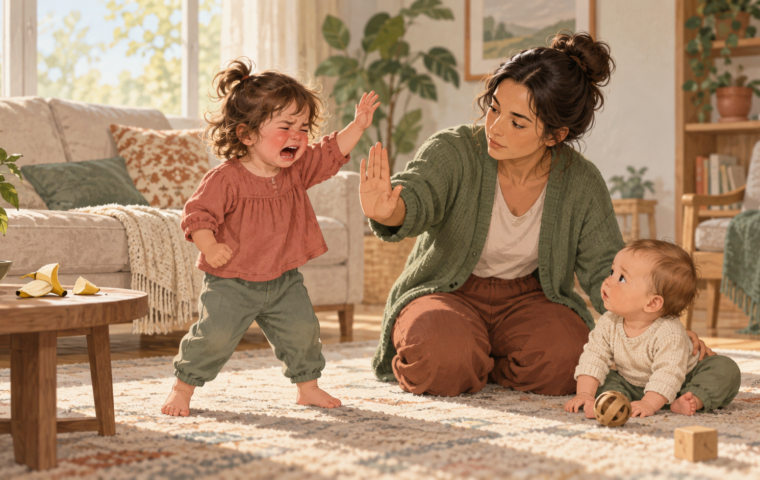
The anxiety, goal-setting, quote, joke, and coloring-page sources approach the same problem from different angles: children often need emotional scaffolding as much as they need materials. The diapr.ai Blog article on school anxiety reports that expert-backed guidance can help families understand a child’s stress and use simple strategies before the first day and beyond. The source does not present anxiety as a character flaw; it treats it as part of the transition many families need to plan for.
Goal-setting offers one practical bridge between reassurance and independence. The goal-setting article recommends helping children set short-term and long-term goals that are clear, realistic, and encouraging, with examples such as staying organized, building confidence in a subject, finishing assignments on time, or asking for help. That matters because a goal can turn a vague worry, such as school feeling hard, into a smaller next step a child can understand.
The quote and lunch-box joke articles focus on small emotional cues. One suggests using back-to-school quotes at breakfast, in a lunchbox, or during a busy morning to set a positive tone. The other presents lunch-box jokes as a simple way to add connection and comfort during the school day. These are not substitutes for support when a child is struggling, but they can make routines feel less abrupt and more relational.
For younger children, the coloring-page article adds a low-pressure transition tool: screen-free back-to-school coloring pages using crayons, markers, or colored pencils. In synthesis, these sources point to a layered approach: talk about anxiety directly, set one or two realistic goals, and use small rituals that help the school day feel familiar.
Pack Lunches for Eating, Not Performance
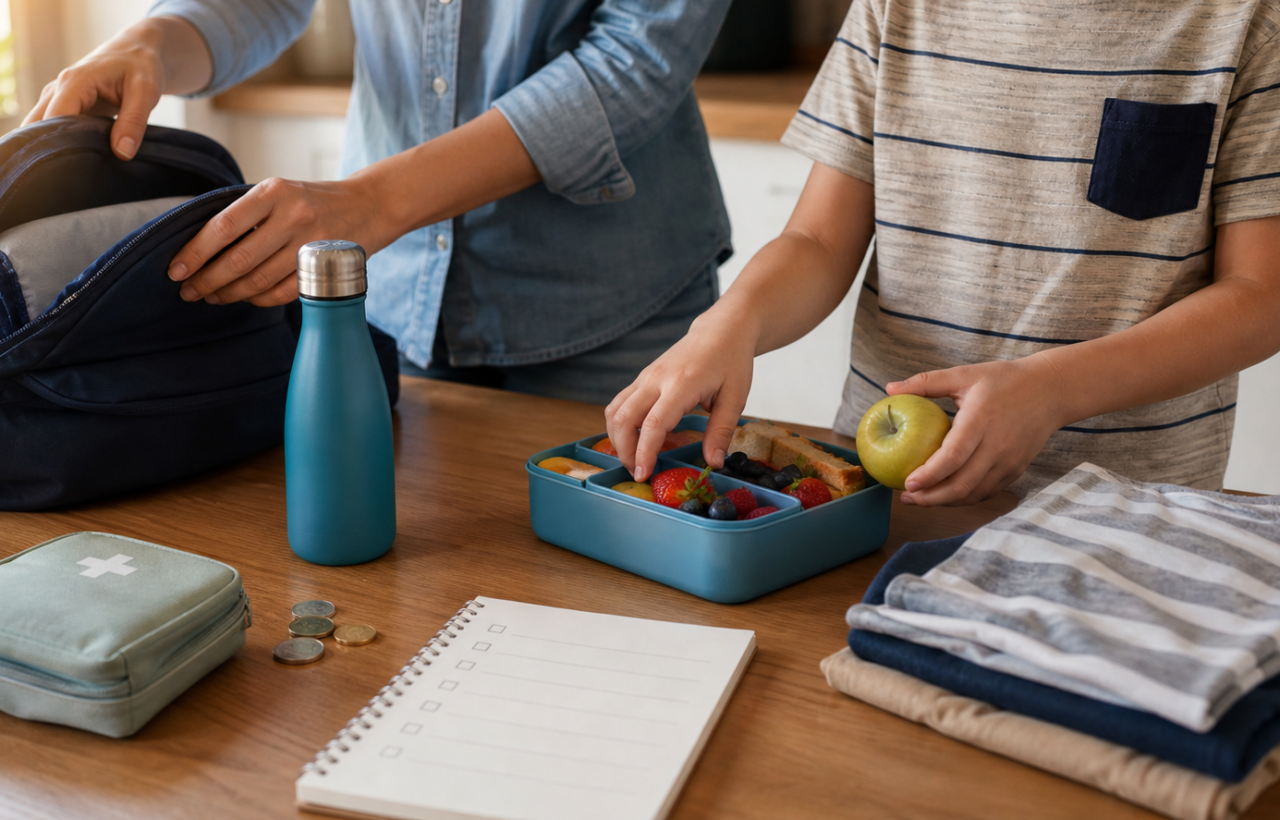
The lunch sources agree on a practical standard: a school lunch works if a child will eat it, it holds up in the lunch box, and it offers enough balance to carry them through the day. The diapr.ai Blog article on cold lunches recommends building around a familiar main item and including a protein-rich food, a whole grain or starchy option, a fruit or vegetable, and something with healthy fat.
That source reports examples including turkey and cheese pinwheels, hummus and veggie wraps, pasta salad with chickpeas, chicken salad pitas, hard-boiled egg bento boxes, yogurt parfaits, cold quesadilla triangles, rice and bean salad, tofu and edamame snack boxes, and leftover grilled chicken with a grain salad. The point is not to make a new recipe every day; it is to create a mix-and-match formula that can adapt to what is already at home.
The article on cute school lunches acts as a useful corrective. It acknowledges the appeal of fruit cutouts, dinosaur nuggets, and carefully arranged lunch boxes, but asks whether children need that extra effort every day. Its answer is pragmatic: the best lunch is one a child will eat, enjoy, and recognize as care. That keeps aesthetics in their proper place. Color, compartments, dips, and bite-sized pieces can help a lunch feel approachable, as the cold-lunch article notes, but visual polish should not become a daily standard parents feel required to meet.
Budget for Needs, Identity, and the Unexpected
The shopping and style articles both treat clothing as practical and personal. The budgeting article reports that back-to-school shopping can become stressful when teens want fashion trends they have seen online, in stores, or among friends. Its central advice is to separate actual needs from exciting wants, prioritize items such as a fresh backpack, shoes that fit, and reliable basics, and give teens a budget so they can make choices within a clear limit.
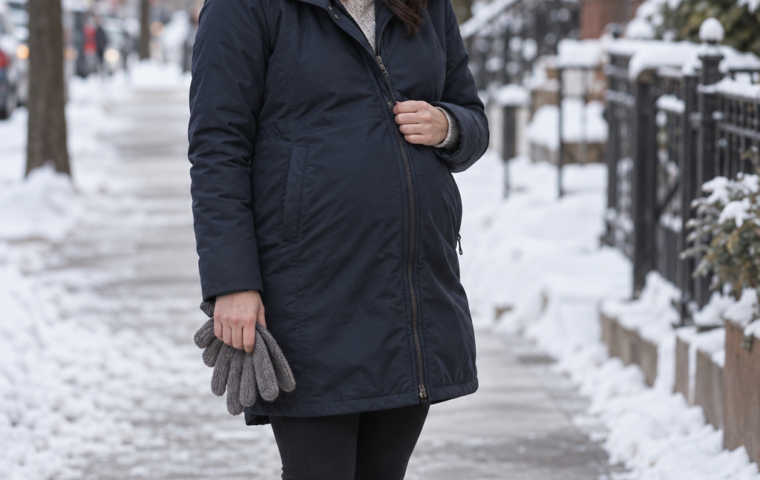
The style article adds criteria for what is worth buying: soft fabrics, easy waistbands, breathable layers, durable shoes, and weather-ready pieces such as rain boots, a lightweight rain jacket, cozy socks, and a warmer layer. It also emphasizes allowing personality through favorite colors, prints, sneakers, or a backpack the child is excited about. Read together, the budget and style sources suggest that the goal is not to suppress style, but to make style answer to school-day realities.
Period products complicate the back-to-school budget in an important way. The period poverty article argues that teens should never have to worry about buying basic menstrual supplies. That means a realistic family budget should distinguish between optional trend items and health-related necessities. A teen choosing one or two trend pieces within a budget is different from a teen lacking access to supplies needed to attend school comfortably and with dignity.
Key Takeaways for a Calmer First Month
- Use back-to-school season to ask a healthcare provider about vaccine status, including meningitis vaccination and boosters when relevant.
- Treat sick-day decisions separately from planned health prevention: one is a daily judgment call, the other belongs on the calendar before school starts.
- Support anxious children with predictable routines, realistic goals, and small connection points such as notes, jokes, or encouraging words.
- Build lunches from a repeatable formula: protein, grain or starch, fruit or vegetable, and healthy fat, with presentation kept helpful rather than performative.
- Give older children and teens a clear shopping budget that covers needs first, then leaves limited room for personal style.
- Include period products among basic school-readiness supplies, not as an optional or embarrassing extra.
Build a System That Can Survive Busy Mornings
The strongest thread across the sources is that back-to-school readiness depends on systems parents can actually maintain. A beautiful lunch that cannot be repeated, a shopping plan that ignores teen identity, or a morning routine that leaves no room for anxiety will likely break under pressure.
A steadier approach is to decide the non-negotiables first: medical conversations, basic supplies, food a child will eat, clothing that works for the day, and emotional supports that fit the family’s real schedule. From there, the extras can stay useful instead of becoming another burden.
References
- diapr.ai Blog — 18 Inspiring Back-to-School Quotes to Motivate Kids
- diapr.ai Blog — 20 Dietitian-Approved Cold Lunch Ideas Kids Will Love
- diapr.ai Blog — The Back-to-School Meningitis Vaccine Talk Parents Need
- diapr.ai Blog — 7 Expert Tips to Ease Your Child’s School Anxiety
- diapr.ai Blog — 180 Funny Lunch Box Jokes to Brighten Every School Day
- diapr.ai Blog — A Simple Goal-Setting Habit to Help Kids Thrive at School
- diapr.ai Blog — Back-to-School Style Tips I Swear By as a Mom
- diapr.ai Blog — How I Decide If My Sick Child Should Stay Home From School
- diapr.ai Blog — Back-to-School Shopping Without Blowing the Budget
- diapr.ai Blog — Cute School Lunches: Do Kids Really Need the Extra Effort?
- diapr.ai Blog — 10 Free Back-to-School Coloring Pages Kids Will Love
- diapr.ai Blog — Why Teens Should Never Have to Buy Period Products