
Pregnancy often brings two kinds of questions at once: what is normal for the body, and what choices still feel safe, comfortable, and connected. The sources here cover symptoms, skin care, intimacy, bonding, fetal movement, placenta position, and induction, which together point to one practical theme: pregnancy guidance is most useful when it leaves room for individual variation.
This synthesis connects those threads so readers can sort everyday uncertainty from moments that deserve a direct conversation with a doctor, midwife, nurse, or maternity unit.
Normal can look quieter than expected
Several of the source articles push back against the idea that pregnancy has one standard set of sensations. The diapr.ai post on breast tenderness reported that sore or enlarged breasts are common in the first trimester, but that little or no breast tenderness can still be normal. Its main point was not that symptoms are meaningless, but that the absence of one expected symptom does not automatically signal a problem.
The same pattern appears in the articles on fetal movement and anterior placenta. The movement article reported that babies have different activity patterns, and that movement may depend on pregnancy stage, placenta location, and what the baby is doing at a given moment. The anterior placenta article added one important piece of context: an anterior placenta is attached to the front of the uterus, closer to the belly, and may affect how pregnancy is experienced.
Taken together, these sources suggest a useful distinction. A missing or muted sensation, such as no breast tenderness or less obvious movement at certain moments, may be part of a normal pregnancy pattern. A clear change from the baby’s usual movement pattern, however, is treated differently in the movement article: it advised contacting a healthcare provider or maternity unit right away if movement clearly decreases or something feels off.
Comfort measures still need a safety check

Pregnancy comfort can be physical, emotional, or relational, but the sources repeatedly frame comfort as something to balance with personal safety. The Bio-Oil article reported that the product may feel soothing or pampering for dry or stretched skin, while also noting that some experts have raised concerns about possible risks. Its practical recommendation was to avoid treating Bio-Oil as automatically pregnancy-safe and to check ingredients, sensitivities, and provider guidance when unsure.
The intimacy article makes a similar move in a different area. It reported that pregnancy does not automatically mean sex has to disappear, and framed anal sex during pregnancy around comfort, precautions, body awareness, and knowing when to pause or check in with a healthcare provider. The shared message is not avoidance; it is informed choice.
That distinction matters because pregnancy can make people feel as if every decision has only two options: safe or unsafe, allowed or forbidden. These sources are more nuanced. They present skin care and intimacy as areas where the answer may depend on the person, the pregnancy, the product or practice, and whether any new symptom or concern appears.
Connection is part of preparation

The pregnancy date ideas article broadens the topic beyond symptoms and medical decisions. It reported many low-pressure ways partners can stay connected, including a sunrise walk, cozy breakfast at home, couples prenatal massage, botanical garden visit, baby playlist, maternity photos, mocktail tasting, bookstore date, memory box, picnic, gentle cooking class, nursery planning date, museum visit, shared pre-baby bucket list, movie marathon, scenic drive, letters to the future baby, prenatal yoga, dessert date, birth preferences night, stargazing, home spa night, farmers market visit, photo album, local mini babymoon, question-and-answer date, and no-phone night.
That long list is less about novelty than function. Many of the ideas reduce physical demands, create space for conversation, or turn practical preparation into something collaborative. The birth preferences night is especially connected to the labor induction article: both sources point toward asking questions early, understanding options, and approaching birth as a shared process rather than a fixed script.
The fetal movement article also treats connection as practical. It reported gentle ways to tune in, such as lying on the side in a quiet place, having a cold drink or small snack and resting, placing hands gently on the belly, noticing the baby’s usual active times, using soft music or a partner’s voice, and changing positions. These are not presented as guarantees that a baby will move on command. They are ways to slow down, notice patterns, and know when something seems different.
Labor prep benefits from flexible expectations
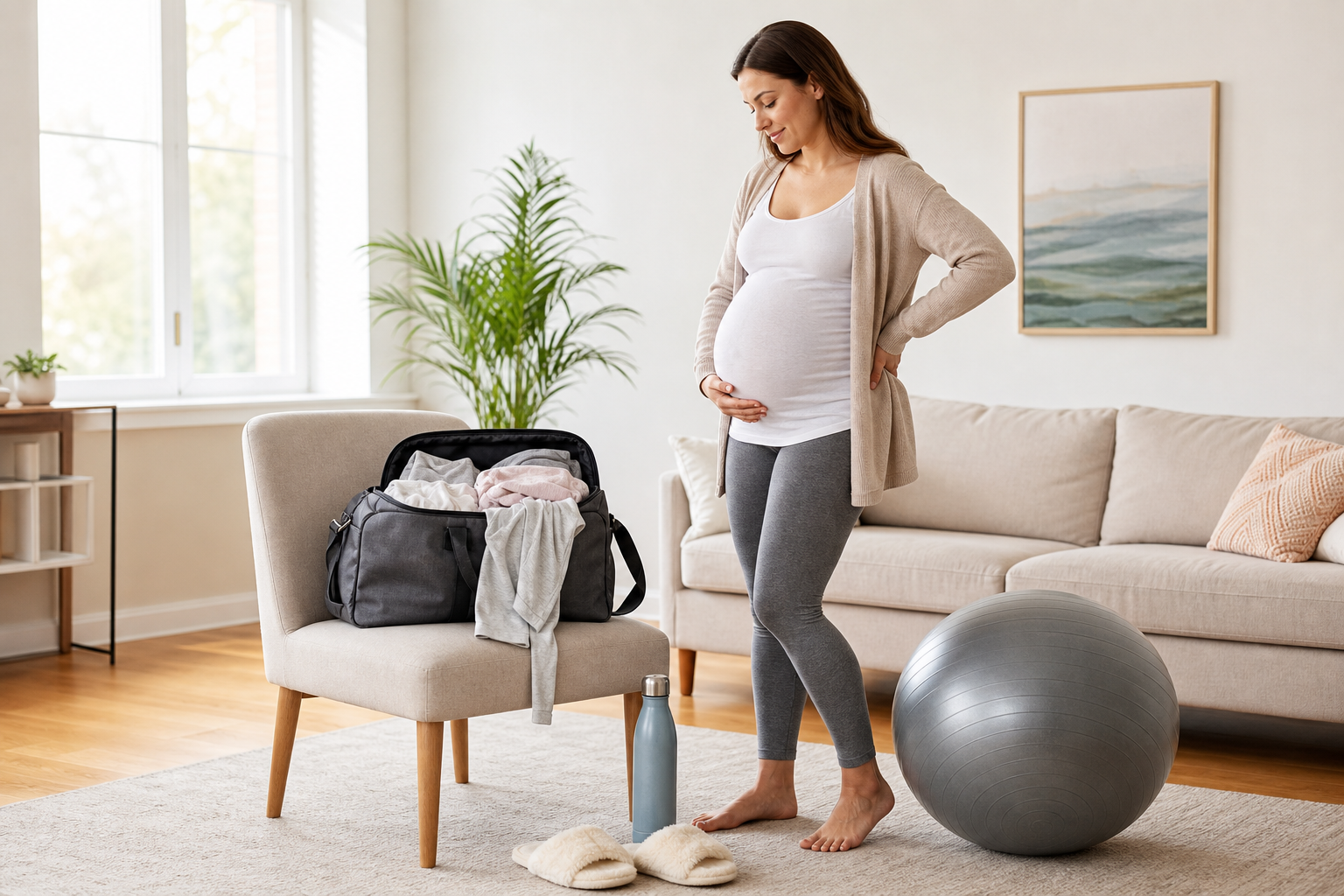
The induction timeline article reported that induction can sometimes lead to birth within several hours, while in other cases it may take a full day or longer, especially if the cervix needs time to soften, thin, or open. It also reported that timing depends on the body, pregnancy history, cervix, and the method used by the care team.
That article described induction less as an instant switch and more as a process that may involve cervical ripening before medication such as oxytocin, breaking the water, or another method. The key preparation step it emphasized was asking the care team what to expect in the individual situation, including which method is being used, how the pregnant person and baby will be monitored, and what signs show labor is moving forward.
Read alongside the other sources, this makes labor prep feel less separate from the rest of pregnancy. The same habits that help earlier, including noticing patterns, asking about uncertainty, discussing preferences, and making space for comfort, also apply when induction or delivery planning becomes more immediate.
Key takeaways
- Symptoms vary: the breast tenderness article reported that not having sore breasts does not automatically mean something is wrong.
- Placenta position can shape experience: the anterior placenta article reported that the placenta may attach to the front of the uterus, and the movement article noted that placenta location can affect how movement is felt.
- Patterns matter more than comparisons: the fetal movement article emphasized learning the baby’s usual pattern and contacting care promptly after a clear decrease or uneasy change.
- Comfort choices deserve context: the Bio-Oil and anal sex articles both framed pregnancy safety around individual circumstances, precautions, and provider guidance when unsure.
- Preparation is relational as well as medical: the date ideas and induction articles both point toward calm conversations, shared planning, and flexible expectations before birth.
When to move from reassurance to a check-in

The sources do not treat every worry the same way. Some concerns are framed as normal variation, such as having little or no breast tenderness or needing quiet moments to notice fetal movement. Others are framed as reasons to seek specific guidance, such as uncertainty about Bio-Oil ingredients, discomfort or safety questions around anal sex, or questions about induction methods and monitoring.
The clearest escalation point comes from the fetal movement article: if there is a clear decrease in movement, or something simply feels off, the recommendation is not to wait alone but to contact a healthcare provider or maternity unit right away. That principle can guide the broader pregnancy experience too. Reassurance is useful, but it should not replace timely care when a change feels significant.
Pregnancy prep works best when it leaves space for both calm and action: calm enough not to overread every absent symptom, and active enough to ask for help when the body, baby, or situation changes in a way that needs attention.
References
- diapr.ai Blog — No Breast Tenderness in Pregnancy? Why I Wouldn’t Panic
- diapr.ai Blog — Bio-Oil During Pregnancy: Benefits, Risks, and My Take
- diapr.ai Blog — Anal Sex During Pregnancy: Safe, Comfortable Tips to Know
- diapr.ai Blog — 27 Romantic Pregnancy Date Ideas That Go Beyond Dinner
- diapr.ai Blog — Anterior Placenta: What It Means for My Pregnancy Journey
- diapr.ai Blog — 7 Gentle Ways I Tune In to My Baby’s Kicks During Pregnancy
- diapr.ai Blog — Labor Induction Timeline: When I Might Meet My Baby