Getting Prenatal Care When ICE Fears Feel Overwhelming
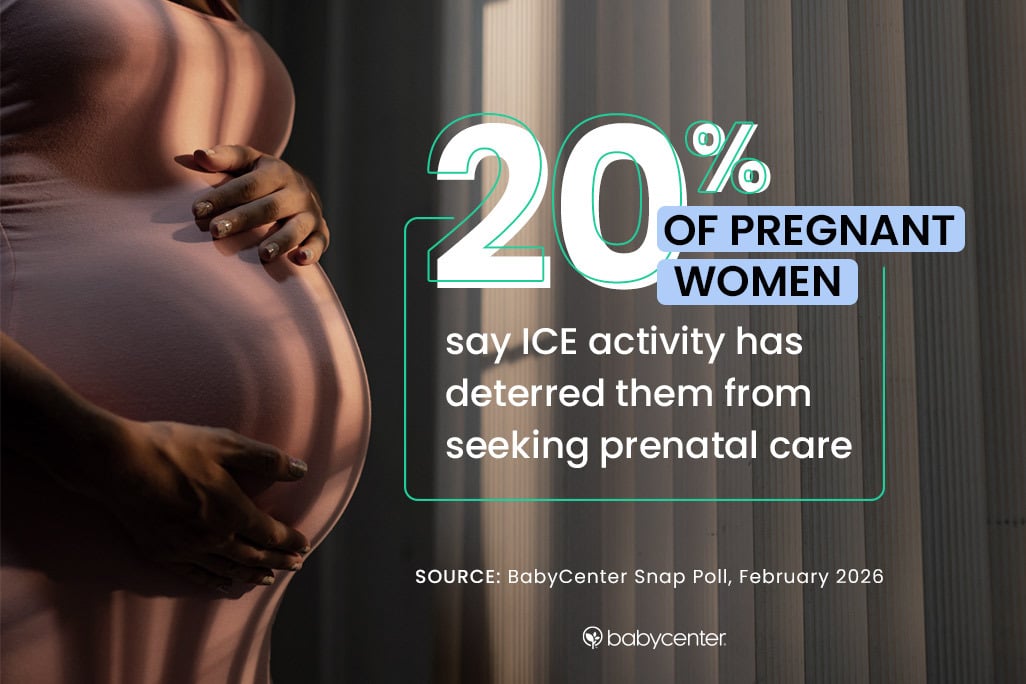
A new BabyCenter poll finds that one in five expectant moms say ICE activity has kept them from seeking prenatal care, highlighting a serious barrier to support during pregnancy.
A pregnant woman stands quietly in silhouette against stark window blinds, capturing the uncertainty and vulnerability many expectant parents may feel when seeking care.
When I think about pregnancy, I know prenatal care should feel like a basic source of support and safety. But for many expectant moms, fear around ICE activity can make even necessary medical appointments feel stressful and uncertain.
A new BabyCenter poll found that one in five expectant moms say ICE activity has deterred them from getting prenatal care. That number is heartbreaking because regular prenatal visits can be so important for both a mother’s health and a baby’s development.
A BabyCenter graphic highlights a troubling poll finding: one in five pregnant women say ICE activity has made them hesitate to seek prenatal care.
I believe every pregnant person deserves access to care without fear. When immigration concerns become a barrier to checkups, screenings, and trusted medical advice, it can leave families feeling isolated at a time when they need support the most.
What did the BabyCenter poll find about ICE activity and prenatal care?
The poll found that one in five expectant moms said ICE activity had deterred them from getting prenatal care. The finding highlights fear as a serious barrier to pregnancy support.
Why can ICE fears make prenatal care difficult?
Fear surrounding ICE activity can make necessary medical appointments feel stressful and uncertain. Immigration concerns may become barriers to checkups, screenings, and trusted medical advice.
Why are regular prenatal visits important?
The article says regular prenatal visits can be important for a mother's health and a baby's development. It describes prenatal care as a basic source of support and safety during pregnancy.
What kinds of prenatal support can immigration concerns disrupt?
Immigration concerns can interfere with access to checkups, screenings, and trusted medical advice. These are the forms of care specifically identified in the article.
How can barriers to prenatal care affect families?
When immigration concerns prevent people from seeking care, families can feel isolated. The article emphasizes that this can happen at a time when they need support the most.
What is the article's central message about access to prenatal care?
The article argues that every pregnant person deserves access to care without fear. Prenatal support should provide safety rather than add stress and uncertainty.