
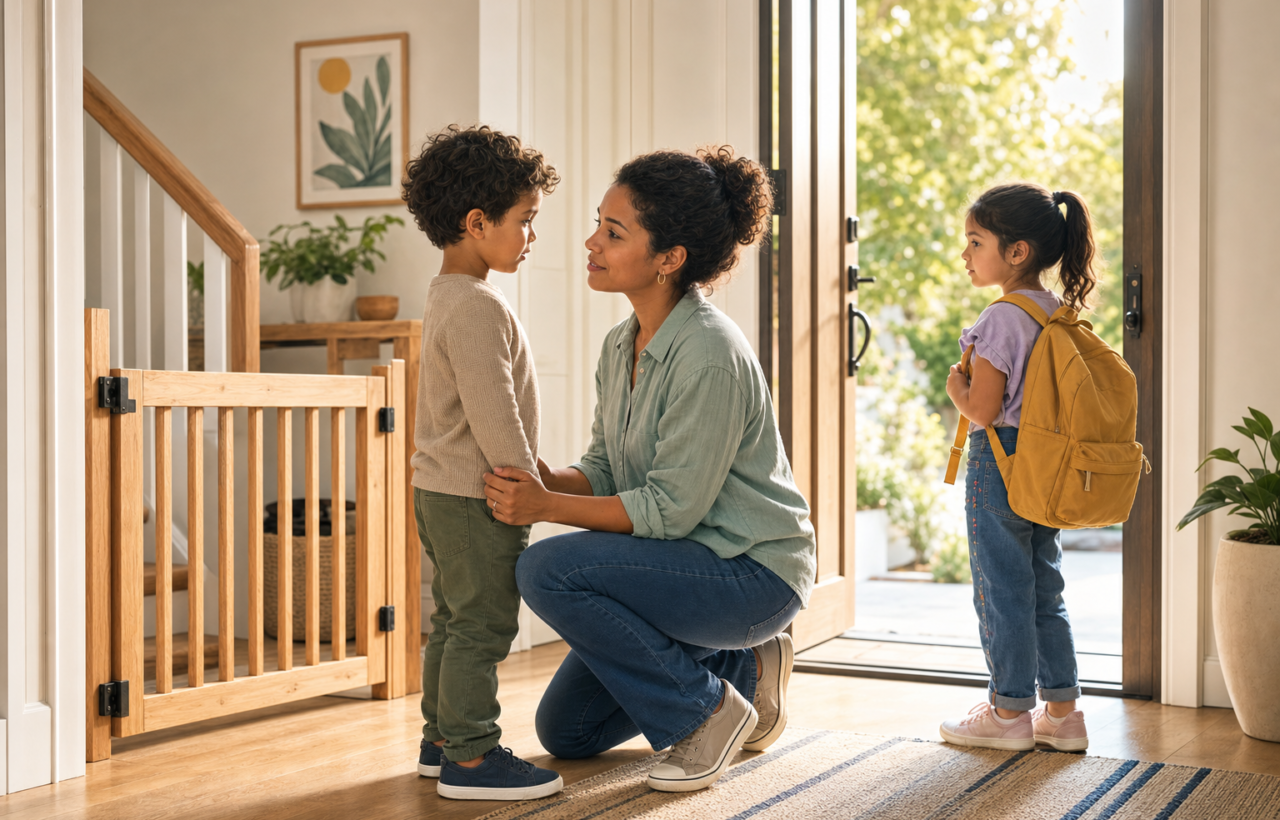
Family life often turns on decisions that look small from the outside: how much freedom a child gets, whether a sibling can tag along to a party, how a grandparent celebrates a new baby, or how a parent responds when a child hurts someone else.
Taken together, the source articles point to one practical theme: children tend to do best when adults combine warmth with clarity. The setting may be school, home, playground, extended family, or a struggling marriage, but the work is similar: name the boundary, protect the relationship, and help children understand the impact of behavior.
Freedom Works Best When It Has A Frame

The article on unschooling described an education approach built around curiosity, personal interests, and real-life experience rather than a conventional classroom schedule. It also raised the central concern many parents have with high-freedom choices: without a familiar structure, families may wonder how children stay motivated and whether essential skills are being covered.
The reading-at-home article approached learning from a different angle but reinforced the same tension. It framed reading as something parents can make playful, personal, and inviting so that books feel less like another required task and more like a shared source of confidence and enjoyment.
Those two pieces are not arguing for identical parenting choices. One focuses on a broad educational philosophy; the other focuses on a specific habit at home. But together they suggest a useful distinction: child-led does not have to mean adult-absent. Parents can respect a child’s interests while still creating conditions that make learning easier to begin, sustain, and revisit.
Boundaries Are Often Kindest When They Are Clear Early
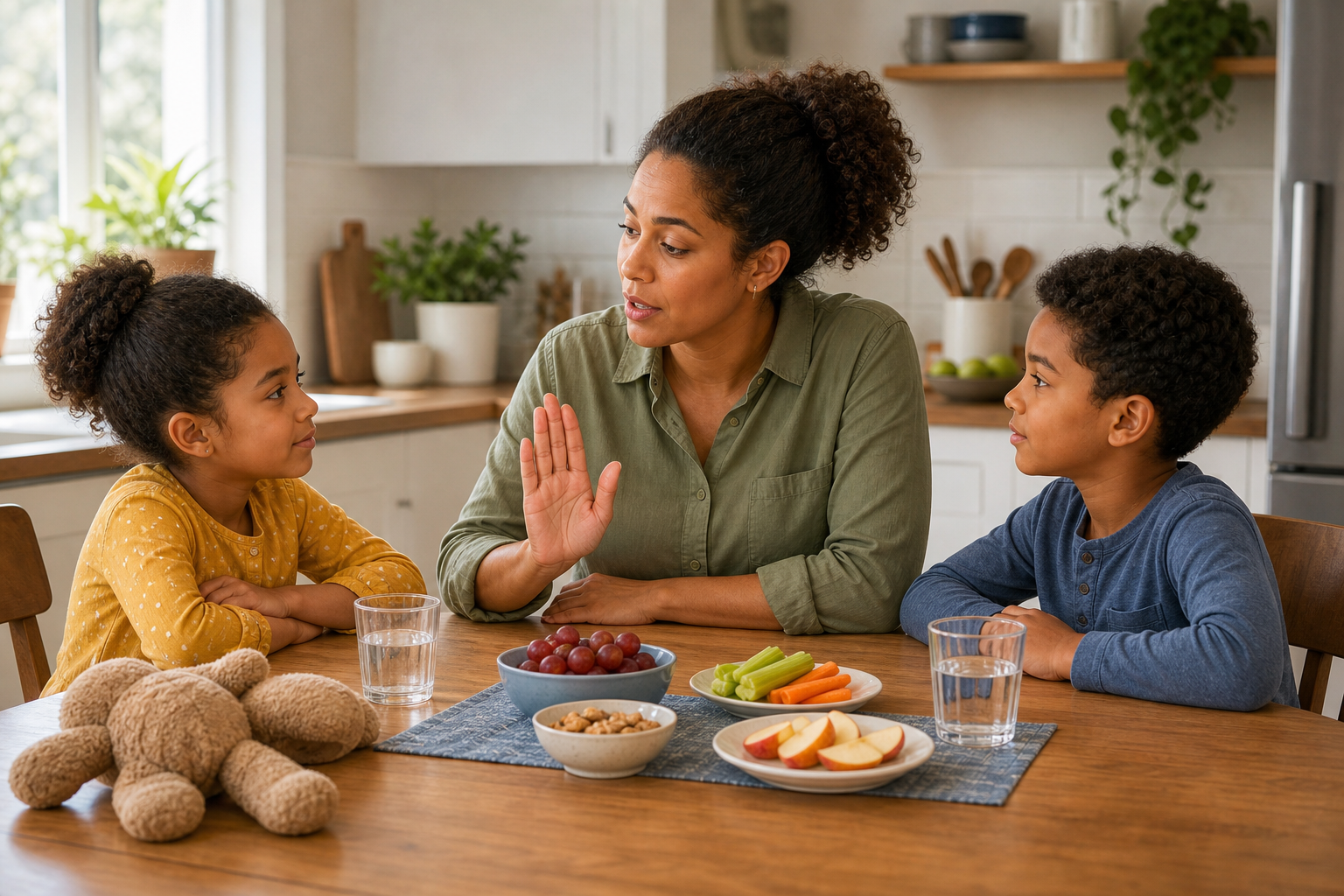
Several source articles centered on family boundaries, especially moments when adults may have good intentions but competing needs. The birthday-party etiquette article noted that a host may invite only one sibling because of limits around space, budget, venue rules, or the birthday child’s closest friendships. It recommended asking politely if an invitation is unclear, while also helping the uninvited sibling feel seen through a small plan of their own.
The article on “grandma showers” described a more emotionally loaded boundary. It reported that some parents-to-be may feel uncomfortable when a separate grandparent celebration shifts attention away from a milestone they experience as deeply personal. The issue, as framed there, is not necessarily a rejection of excited grandparents; it is a need for support that does not overtake the parents’ moment.
The grandparent-bonding article offered the constructive side of that same boundary. It emphasized consistency, listening, shared traditions, and respect for the parents’ household rules. In synthesis, these pieces suggest that closeness across generations is strongest when extended family members stay dependable without becoming decision-makers in a household that is not theirs.
Child Behavior Needs Accountability, Not Just Consequences
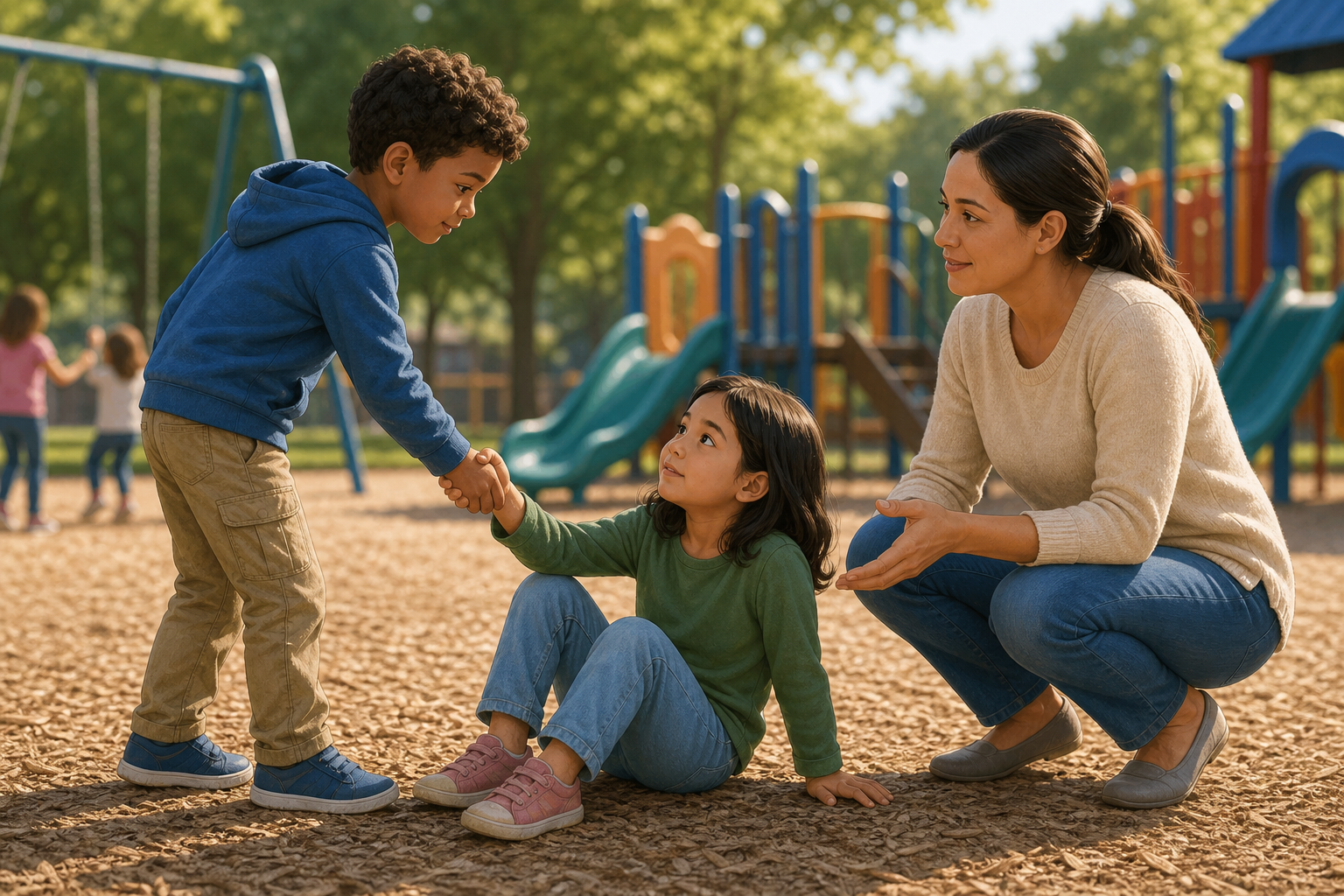
The article about a father’s response after his son bullied a peer focused on a parenting moment where a child caused harm. Its emphasis was not on anger alone, but on using the incident to teach accountability, empathy, and the real impact of bullying on another child.
That lesson connects back to the birthday-party and grandparent pieces because all three deal with social behavior. Children learn from how adults handle disappointment, exclusion, conflict, and repair. A sibling who is not invited to a party can be guided through hurt feelings without making the host responsible for fixing them. A child who bullies a peer can be required to face the harm done without being reduced to the worst thing they did.
The useful through-line is that accountability is relational. It asks what happened, who was affected, what needs to be repaired, and what boundary will apply next time. That is different from pretending behavior does not matter, and it is also different from responding in a way that teaches fear but not understanding.
The Environment Can Make Parenting Harder Or Easier
The playground-design article widened the lens beyond individual parenting choices. It reported parent complaints about playgrounds with too little shade, poor sightlines, high openings in play structures, hot metal slides, and weak or missing fencing near parking lots. It also noted that some public playground projects may include comment periods during the design phase, giving parents a chance to raise practical concerns before decisions are final.
This matters because child behavior is shaped by context. A caregiver supervising a toddler near traffic, an overheated slide, or a structure with blocked visibility has less room to encourage independence calmly. The child may experience the playground as freedom; the adult may experience the same space as constant risk management.
The synthesis here is not that design replaces supervision. It is that better public spaces can support better supervision. Shade, visibility, safe materials, and real barriers do not remove the need for parental judgment; they make it more realistic for children to play, explore, and regulate themselves in a setting designed for families.
Children Notice Adult Relationships, Even When Adults Stay Quiet

The article on silent divorce brought family dynamics into the parenting discussion. It described marriages that remain legally intact while emotional connection has largely ended, with partners still sharing family routines but no longer reaching toward each other. The piece reported expert concerns that children read the emotional climate at home, not just whether adults are openly fighting.
This source also complicated a common assumption. It noted that a sexless marriage is not automatically a silent divorce if emotional closeness, support, and value remain. The concern is not one isolated marker of intimacy, but the broader pattern of emotional absence and lack of effort to reconnect.
Placed beside the other articles, this one adds a crucial reminder: parenting boundaries are not only about what adults say to children. Children also absorb what adults model about conflict, repair, distance, respect, and emotional availability. A home can be calm on the surface and still teach children that disconnection is normal if no one names or addresses it.
Key Takeaways For Everyday Family Decisions
- High-freedom choices, such as interest-led learning, still benefit from adult attention, rhythm, and follow-through.
- Clear boundaries can protect relationships when they are communicated early and without blame.
- Grandparents can build strong bonds by being consistent, curious, and respectful of household rules.
- When children hurt others, the goal is not only punishment; it is helping them understand harm, responsibility, and repair.
- Public spaces and home relationships both shape child behavior, because children respond to the environments adults create around them.
The most useful parenting choices are rarely the most rigid or the most permissive. They are the ones that make expectations understandable, keep relationships intact, and give children enough support to practice better judgment over time.
References
- diapr.ai Blog — Unschooling Explained: Pros, Cons, and Parent Questions
- diapr.ai Blog — 5 Expert Tips to Make Reading Fun for Kids at Home
- diapr.ai Blog — Only One Sibling Invited? How I Handle Party Etiquette
- diapr.ai Blog — 6 Heartfelt Ways I Build Closer Bonds With Grandkids
- diapr.ai Blog — Grandma Showers Spark Big Feelings for New Parents
- diapr.ai Blog — A Dad’s Powerful Response After His Son Bullied a Peer
- diapr.ai Blog — Why Playgrounds Feel So Hostile To Parents And Kids
- diapr.ai Blog — Silent Divorce: Why Couples Stay Married But Checked Out