Back-to-school style is not only about what a child wears on the first day. Across the source articles, the season is also a budget exercise, a confidence moment, and a chance for children to practice making visible choices within real limits.
The useful middle ground is neither total freedom nor total control. Families can plan from what they already own, decide where secondhand shopping makes sense, and leave room for age-appropriate self-expression in clothes, accessories, and beauty choices.
Start With Inventory Before Style Decisions
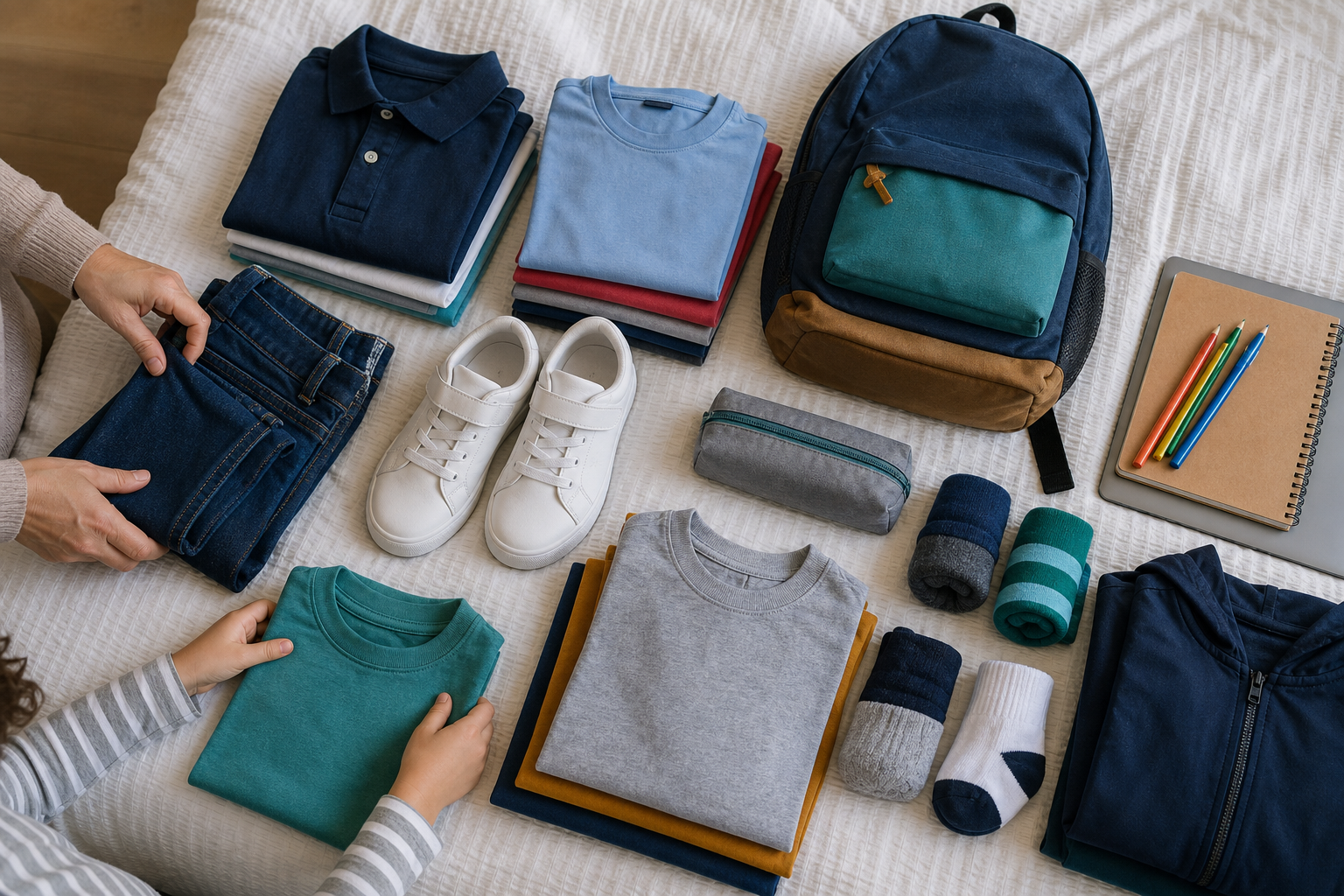
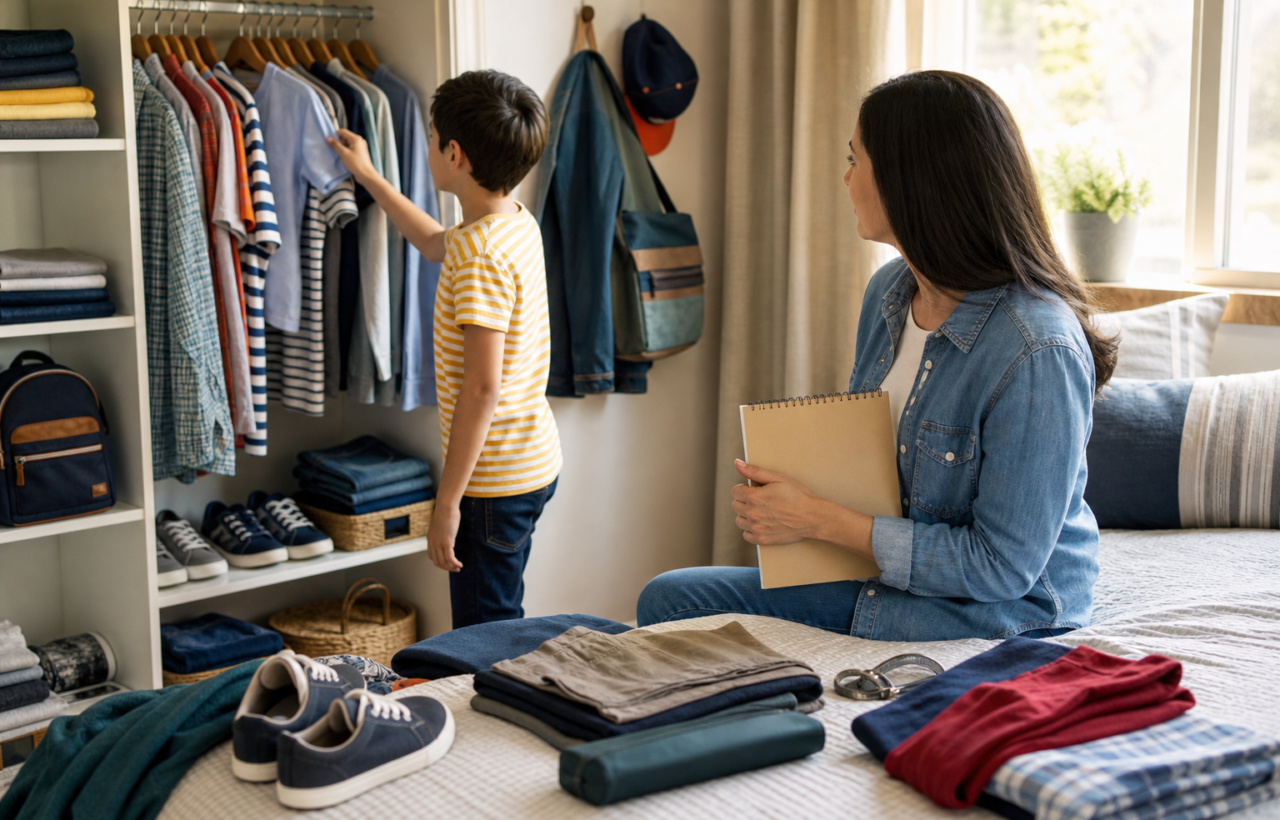
The back-to-school thrifting source reported that families can reduce duplicate buying by checking closets, desks, bookshelves, storage bins, and last year’s school gear before shopping. That practical step matters for style, too: a child may already have pieces that work, pieces that no longer fit, and pieces that reveal what they actually like wearing.
That same source suggested sorting household items into keep, replace, and sell or donate groups. In a style context, the replace pile becomes more than a spending list. It shows where the budget should go first, whether that is a backpack with working zippers, clothes in the right size, or school-adjacent supplies that are complete and usable.
This planning step also gives parents a clearer way to discuss wants versus needs. A child asking for a bold outfit or manicure is easier to hear when the family already knows which basics are covered and which purchases still have to be prioritized.
Let Self-Expression Fit Inside Practical Boundaries
The Gen Alpha style source framed children’s fashion choices as confidence, curiosity, and self-trust rather than strict rule-following. It described a child choosing bright colors, unexpected patterns, and expressive outfits with a sense of possibility. The manicure source made a related point from a different angle: for some tweens, back-to-school nails may feel like part of starting a new grade with confidence.
Together, those sources suggest that appearance requests are often about more than the item itself. Clothes, colors, patterns, and nails can all become ways for children to test taste, belonging, and independence. Dismissing every request as vanity can miss the developmental conversation underneath it.
At the same time, the sources do not argue for unlimited choice. The manicure article emphasized school rules, nail health, cleanliness, cost, length, and maintenance. The style article noted that adults still have real constraints, including budgets, weather, comfort, and daily responsibilities. For children, the equivalent boundaries are school expectations, comfort, function, hygiene, and what the family can reasonably afford.
Secondhand Can Support Personality, Not Just Savings
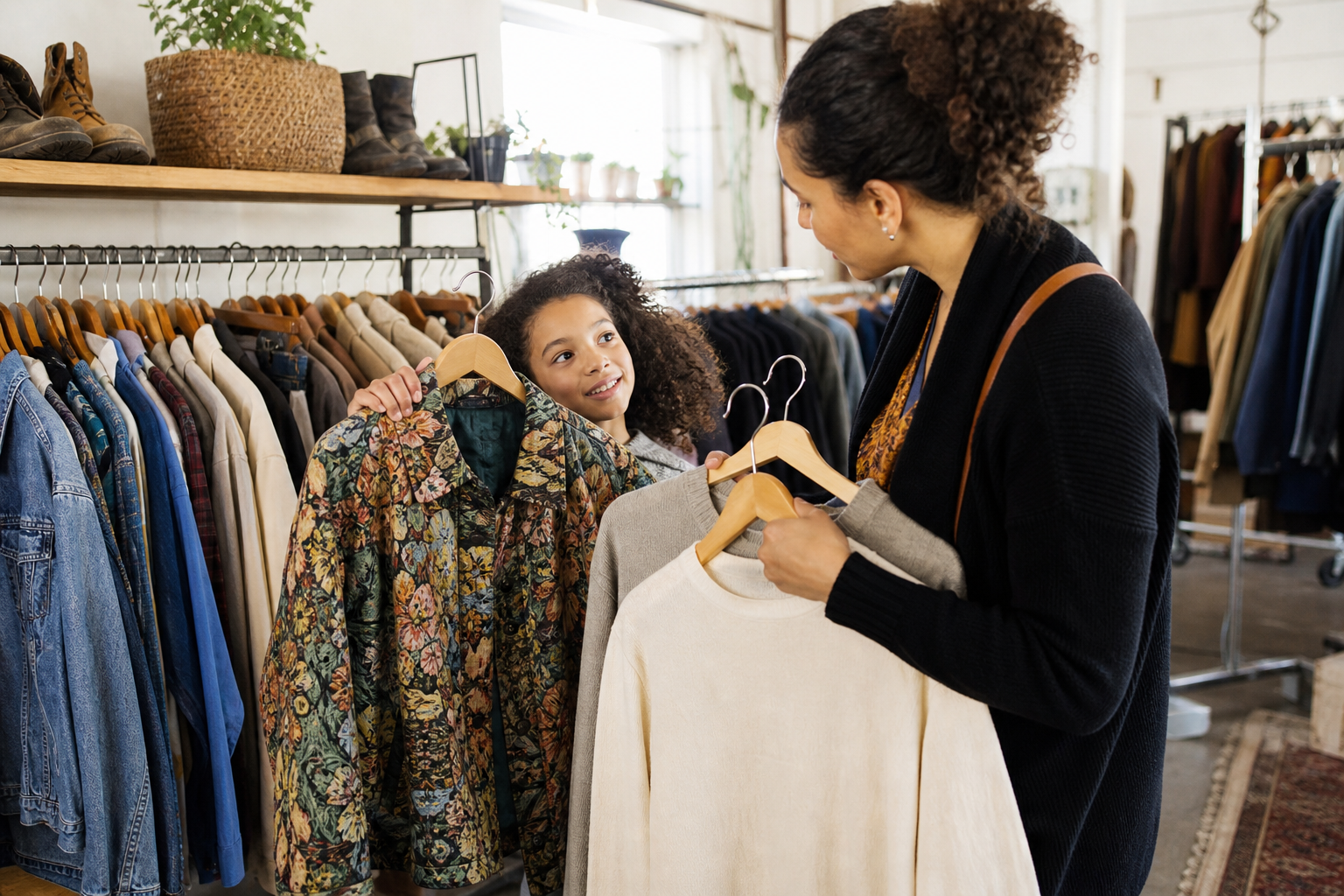
The thrifting article focused on affordability, naming secondhand clothes, backpacks, books, and everyday school essentials as categories where families may stretch the budget. Read alongside the style source, thrifting can also be a low-pressure way to experiment. A child who wants more color, pattern, or a different silhouette may be able to try something without making every style choice a full-price commitment.
The important limit, as the thrifting source stressed, is condition and usefulness. Clothing should be checked for wear, missing fasteners, stains, fit, and whether it suits the child’s routine. Backpacks should be assessed for zippers, seams, straps, and interior pockets. A low price does not help if the item will not survive daily use or will never leave the closet.
That is where the sources connect most usefully: style does not have to be expensive to be expressive, but it still has to work. A bright thrifted shirt, a comfortable pair of jeans, or a practical bag in a color a child likes can satisfy both the budget and the desire to show up as oneself.
Beauty Requests Need a Different Kind of Budget Talk
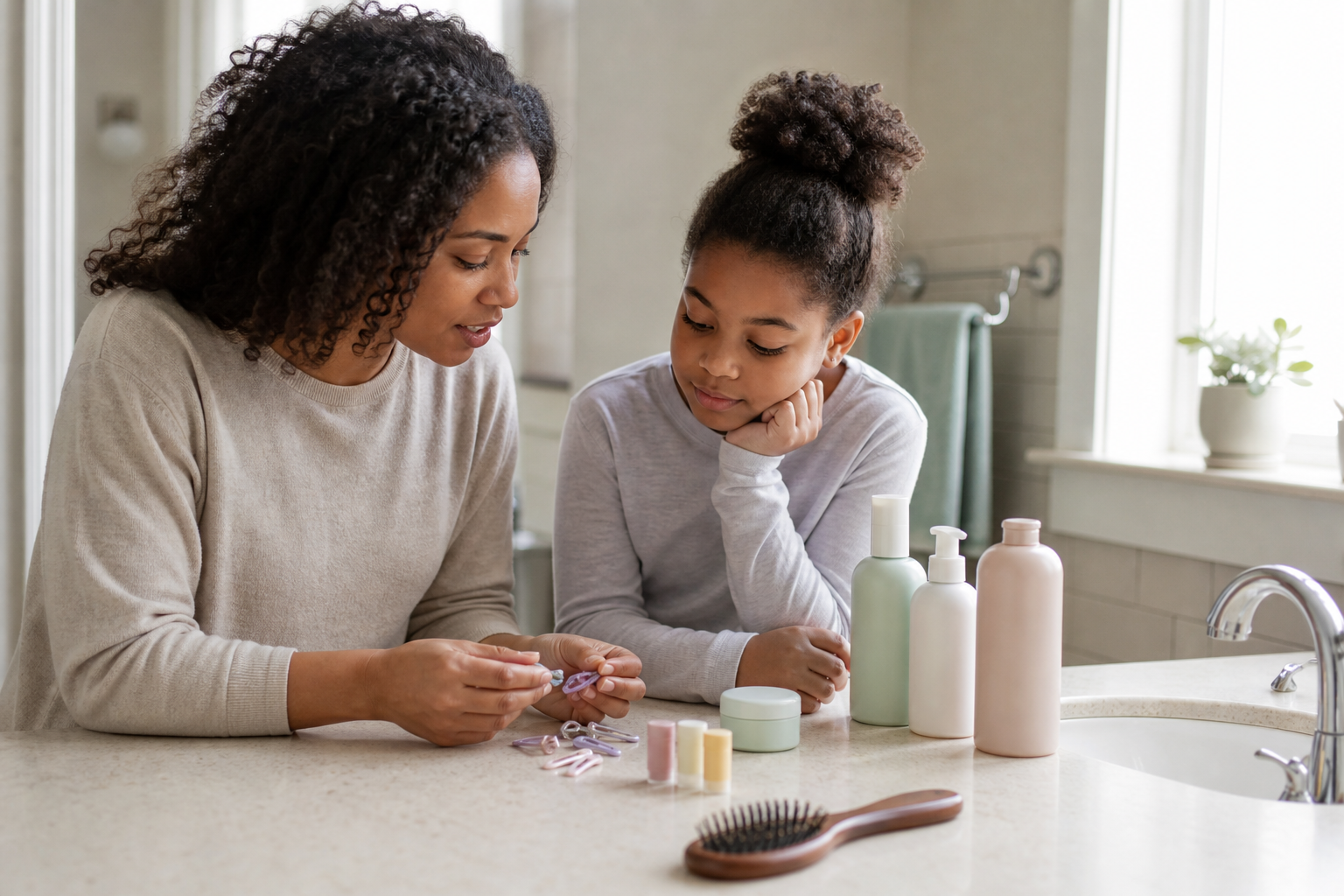
Back-to-school nails sit differently from clothes or backpacks because they can involve salon hygiene, product choices, removal, repairs, and repeat appointments. The manicure source reported that the trend can be fun and confidence-building, especially for some Black and Latine tweens, while also urging parents to consider cleanliness, school policies, nail health, cost, and age fit before booking.
That makes the budget conversation more specific. A one-time manicure may seem manageable, but fills, touch-ups, repairs, or removal can change the cost. Length and design also affect daily school life: the source highlighted ordinary routines such as writing, typing, opening lunch containers, playing, changing for activities, and keeping nails clean.
A balanced answer can be conditional rather than vague. Parents might allow polish or a simple design, set a limit on length, check the school dress code first, or choose an at-home option if salon cleanliness, cost, or maintenance feels wrong for the moment. The point is to keep the expressive part intact while making the responsibilities visible.
Key Takeaways
- Use a home inventory first so back-to-school spending reflects real gaps, not guesses.
- Treat style requests as conversations about confidence, taste, and responsibility.
- Use secondhand shopping for categories where fit, condition, and function can be judged clearly.
- Keep beauty choices school-appropriate, manageable, hygienic, and realistic for the family budget.
- Let children have meaningful choices inside boundaries that protect comfort, health, and daily routines.
The strongest back-to-school plan is flexible: practical enough to protect the household budget, but generous enough to let children participate in how they want to be seen. That combination can make the season feel less like a spending sprint and more like a careful reset.
References
- diapr.ai Blog — A Practical Back-to-School Thrifting Plan for Families
- diapr.ai Blog — What Kids Can Teach Adults About Personal Style
- diapr.ai Blog — Back-to-School Nails for Tweens: A Practical Parent Guide