
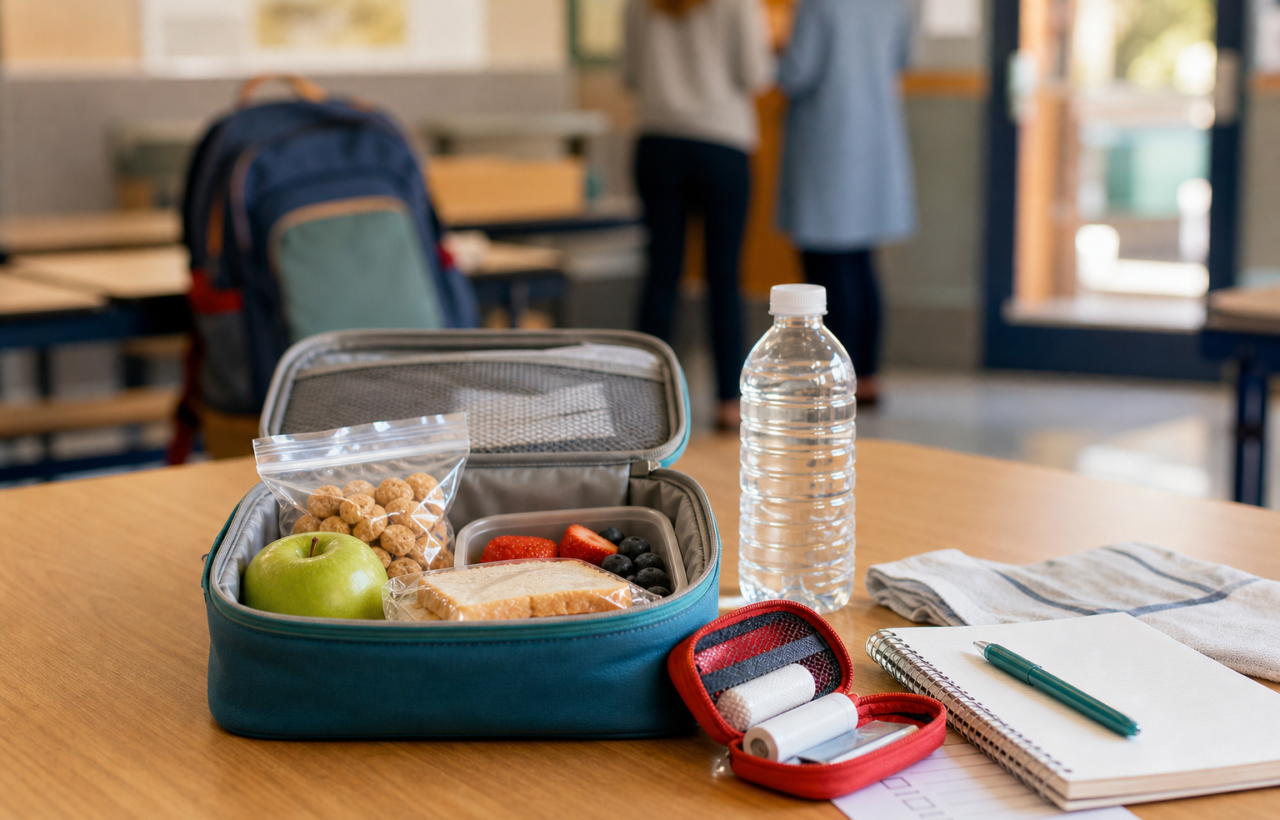
School allergy planning works best when snack routines and emergency response are treated as one connected system. A peanut-free lunchroom policy may reduce risk, but families still need a plan for what happens if a reaction occurs away from a parent.
The two source articles approach that system from different sides: one focuses on choosing peanut-free packaged snacks for school, while the other reports on neffy, a needle-free epinephrine nasal spray option families may discuss with a healthcare provider before the school year.
Start With the School’s Actual Rules

The snack-focused source emphasizes that peanut-free packing should be based on the school’s instructions, not a parent’s assumption about what should be acceptable. It reports that school rules can differ by classroom or building, and families may need to follow the strictest guidance they receive.
That matters because packaged snacks can look straightforward while still requiring review. The same source notes that packaging gives parents a concrete label to check, but it also cautions that packaged does not automatically mean suitable for a peanut-free space.
A practical school allergy plan therefore starts before shopping. Families can ask what wording the school expects them to avoid, whether original packaging should be kept, and who to contact when a label or classroom rule is unclear.
Build a Snack System, Not a One-Time List
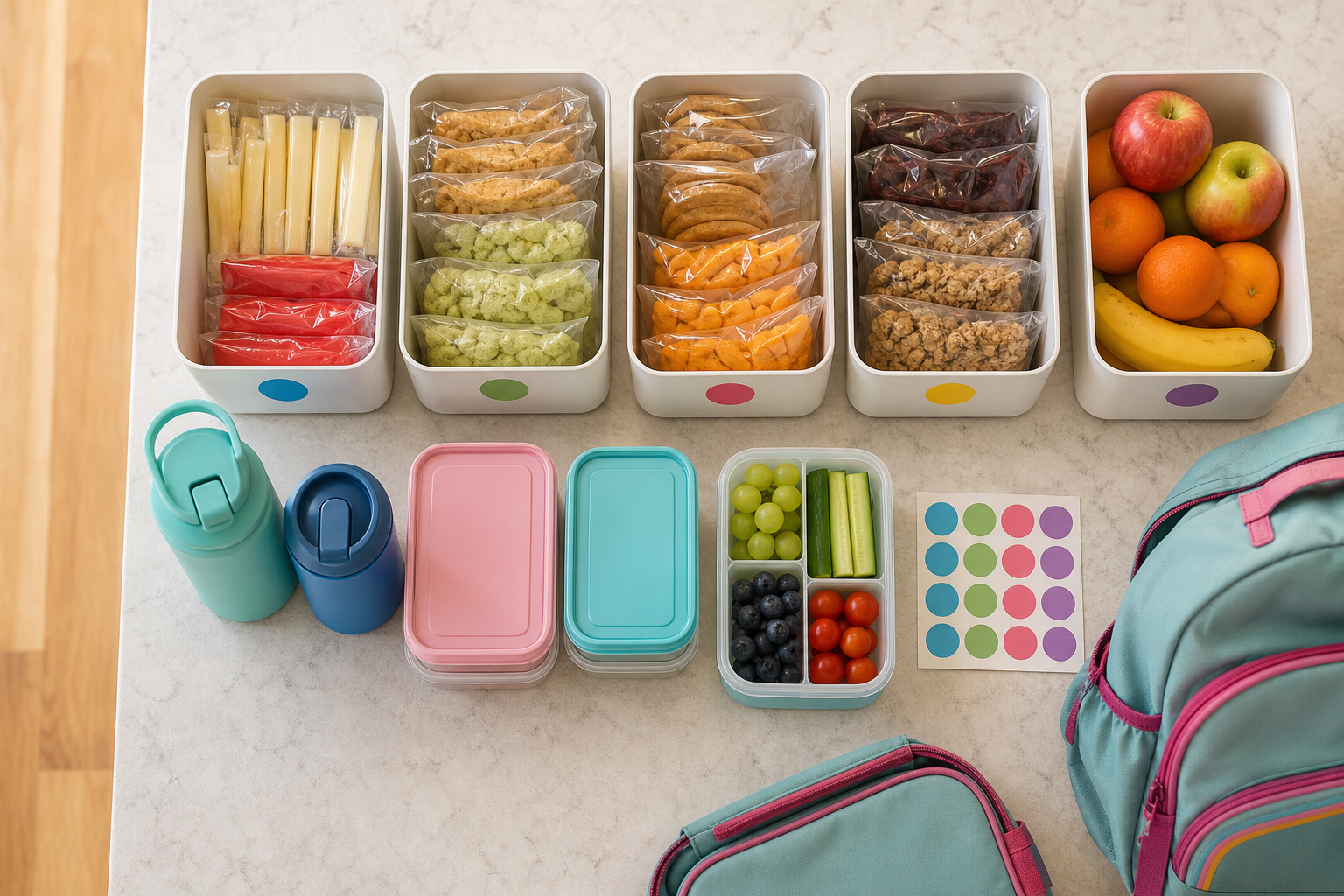
The peanut-free snack source frames the parent challenge as repeatability. A snack has to meet several needs at once: it should align with school policy, hold up in a backpack, be manageable during a short break, and still be something the child will eat.
The source recommends reading packages every time, including for foods a family has bought before. That point is especially useful because school snack packing often becomes automatic after the first few weeks. A small approved list can save time, but it should not replace label checks or school clarification when wording changes.
Kid appeal is also part of the system. The same source suggests rotating textures and formats so peanut-free options do not feel like a narrow substitute category. For younger children, easy-to-open and less messy snacks can also make the routine more realistic during school hours.
Plan for the Moment Prevention Is Not Enough
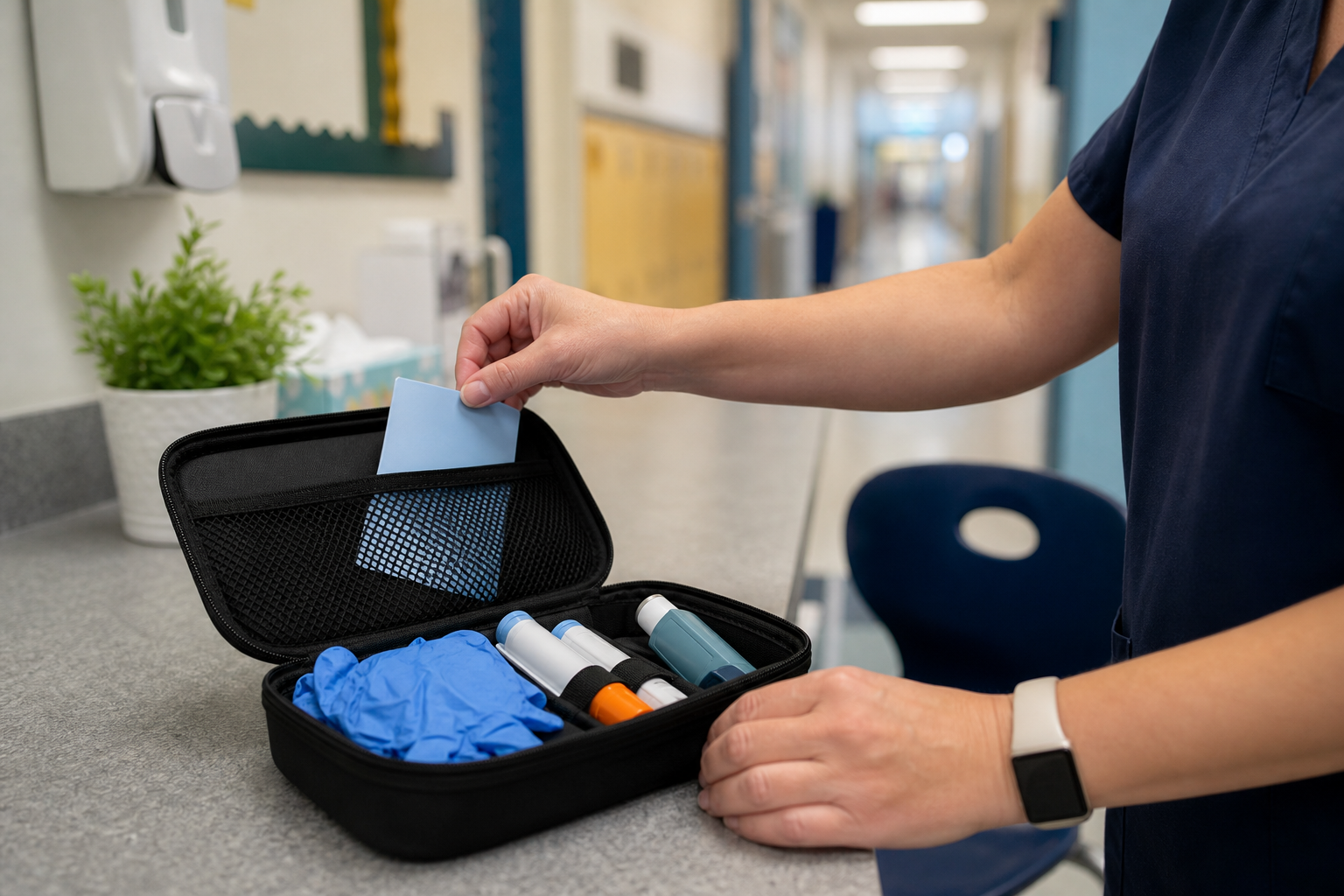
The neffy source shifts from prevention to emergency response. It reports that anaphylaxis can become life-threatening quickly and that a reaction may happen in places such as a cafeteria, classroom, sports practice, or after-school activity when a parent is not present.
According to that source, neffy is an epinephrine nasal spray used for emergency treatment of allergic reactions, including anaphylaxis, in adults and children who weigh 33 lbs. or more. It presents neffy as a needle-free alternative for families who want an epinephrine option that does not involve a shot.
The source also reports that needles are part of the reason 83% of people hesitate to use epinephrine, or do not use it at all. In a school setting, that hesitation is not a minor detail. A device that feels less intimidating may be worth discussing with a pediatrician or allergist if it makes the emergency plan more usable for the child and the adults around them.
Match Medication Logistics to the Child’s Day
The neffy article repeatedly points back to logistics: where medication is kept, who knows how to use it, and whether the child can ask for help. It reports that neffy is small, discreet, and easy to carry in places such as a backpack, sports bag, or lunchbox, but portability only helps if access is planned in advance.
The source says families should carry two devices because a second dose may be needed if symptoms continue or return. It also reports that, if needed, a second dose should be given with a new device in the same nostril starting 5 minutes after the first dose.
Storage and expiration are part of the same checklist. The source reports that neffy has a shelf life of 2 years to 2.5 years from the date of manufacture, depending on the dose, and should be stored at room temperature between 68 F and 77 F (20 C to 25 C). It also reports that accidental exposure to high temperatures up to 122 F (50 C) does not make it unstable.
Families considering neffy still need medical guidance. The source says parents should discuss medical conditions, medications, nasal conditions, and possible side effects with a healthcare provider. It lists possible side effects including nasal discomfort, headache, throat irritation, chest and nasal congestion, feeling overly excited or anxious, nose bleed, sneezing, dizziness, nausea, and vomiting.
Key Takeaways for School Allergy Planning
- Use the school’s allergy policy as the starting point for snack decisions, especially when classroom rules are stricter than general school guidance.
- Check packaged snack labels repeatedly rather than relying on memory or child-focused marketing.
- Keep snack choices practical for the child: easy to open, manageable at school, and varied enough to be eaten consistently.
- Review emergency medication access with the nurse, teachers, coaches, and other trusted adults before an emergency happens.
- For families considering neffy, the source article reports that it is for adults and children weighing 33 lbs. or more and should be discussed with a healthcare provider.
Make the Adults Part of the Plan

The two sources converge on a larger point: allergy safety is not only about the food or the device. The snack article focuses on reducing uncertainty before food enters the backpack. The neffy article focuses on making sure emergency treatment is close enough and familiar enough to use under pressure.
For school families, the strongest plan connects both. Parents can maintain a label-checking routine, keep a flexible list of snacks their child accepts, confirm how medication is stored and accessed, and review the written allergy plan with the adults who supervise lunch, class time, sports, and after-school care.
As school routines change through the year, the plan should be easy to revisit: new snacks, new classrooms, new activities, and expiring medication all deserve another check before they become a problem.
References
- diapr.ai Blog – Back-to-School Allergy Plans: What to Know About neffy
- diapr.ai Blog – A Practical Guide to Peanut-Free School Snack Packing