School dress codes are often presented as simple conduct rules, but the available source material frames them as a question of equity, belonging, and instructional time.
The central issue is not only what a policy says on paper. It is how the policy is enforced, which students are most likely to feel watched, and what happens to learning when appearance becomes a disciplinary matter.
Why Enforcement Matters More Than the Rule Itself
The diapr.ai Blog post argues that dress codes can look neutral while being applied unevenly in practice. It specifically says enforcement too often falls harder on LGBTQ+ students and students of color.
That distinction matters for families and schools. A rule about clothing may sound straightforward, but students experience it through adult judgment: who is stopped, whose outfit is treated as disruptive, whose hair or cultural expression is questioned, and whose identity is made visible as a problem to solve.
The Equity Concern Is About Identity, Not Just Clothing
The source connects dress code enforcement to clothing, hair, gender expression, and cultural identity. In that framing, the harm is not limited to inconvenience or embarrassment. It is the message a student may receive when their appearance is singled out during the school day.
General school policy context supports why this distinction is important: rules that rely on subjective judgments can leave more room for inconsistent interpretation. When a standard depends on whether an adult finds an appearance distracting, inappropriate, or outside the norm, the burden can fall unevenly on students whose bodies, identities, or cultures are already more closely scrutinized.
Learning Time Is Part of the Cost
The diapr.ai Blog post also argues that dress code discipline can interfere with education when students are removed from class, shamed, or disciplined over attire.
This shifts the question from whether schools should have expectations to whether a particular enforcement response is educationally useful. If the response removes a student from instruction, heightens anxiety, or turns a school day into a conflict over appearance, the policy may be undermining the learning environment it is supposed to protect.
Belonging and Safety Are Learning Conditions
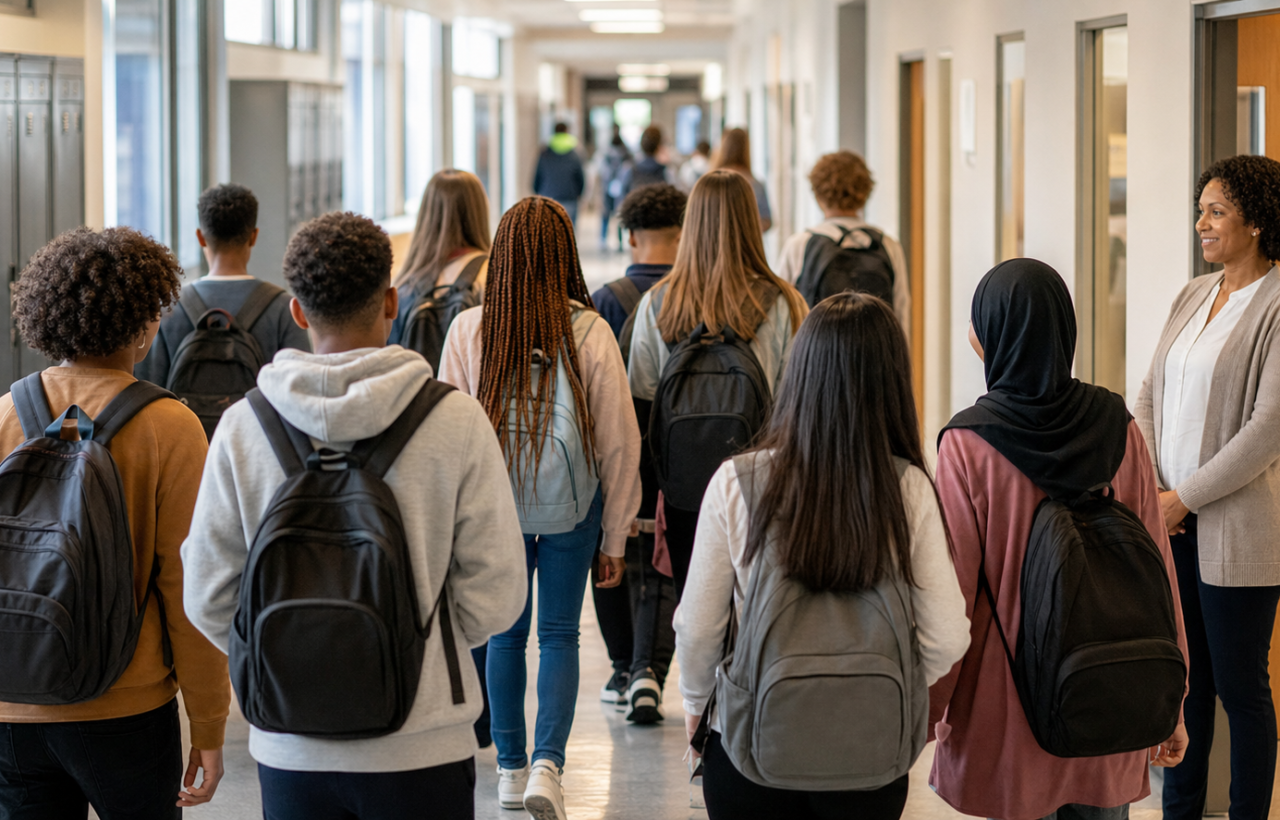
The source emphasizes that students should be able to focus on learning, friendships, and feeling safe in the classroom rather than worrying that their appearance will be judged.
That point links equity and academics. A student who feels targeted may still be physically present in class, but their attention can be pulled toward self-monitoring, embarrassment, or fear of discipline. For schools, the practical question is whether appearance rules help create a calmer learning space or whether they create avoidable friction that some students experience more intensely than others.
Key Takeaways for Parents and Schools
- Dress code debates are not only about clothing; they are also about enforcement, identity, and belonging.
- The available source argues that LGBTQ+ students and students of color are disproportionately affected by dress code enforcement.
- Policies can interrupt learning when students are removed from class or disciplined over appearance.
- Schools evaluating dress codes should look at how rules are applied in practice, not only how they are written.
- A fairer approach starts by asking whether a rule supports learning or creates avoidable shame and exclusion.
What a More Learning-Centered Policy Conversation Looks Like
A productive dress code conversation should move beyond whether schools have the authority to set expectations. The more useful questions are narrower and more practical: Which rules are necessary for safety? Which rely on subjective judgments? Which students are most often corrected? What happens after a violation is identified?
From the source material, the clearest standard is that school rules should not make students feel targeted or unwelcome. If a dress code cannot be enforced without inequity, shame, or lost class time, it deserves serious revision.