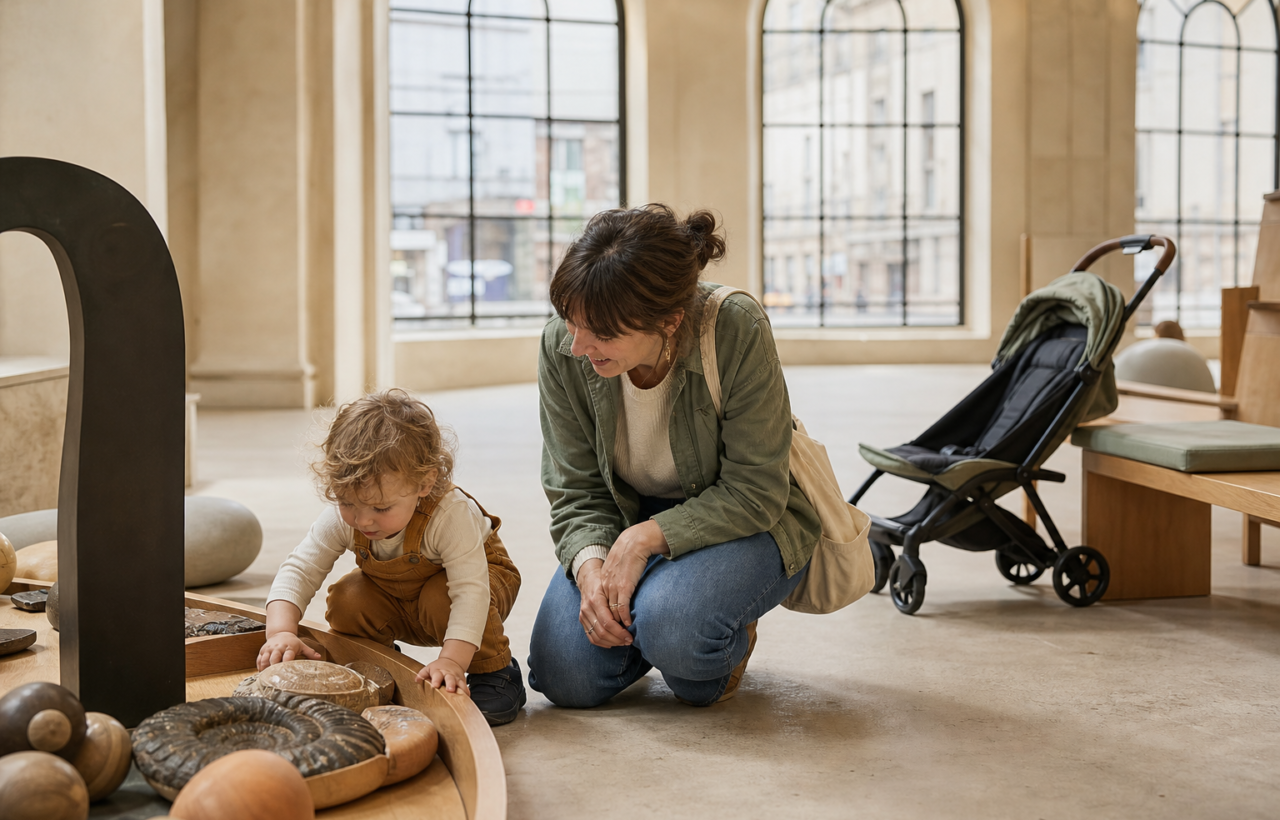
You can have a good London museum day without asking a baby or toddler to behave like an older child. Choose for the way your child explores now, then make the visit easy to shorten when feeding, sleep or movement takes priority.
London museums can offer interactive displays, engaging stories and family-friendly activities that could fill a long visit. For a child under three, however, staying for hours is not the measure of success. A better goal is a manageable outing with something your child can notice, do or enjoy.
Key takeaways
- Choose a museum by what your child can actually see or do, not by the breadth or prestige of the collection.
- Confirm buggy access, lifts, changing facilities, feeding options, entry conditions and gallery closures for the date of your visit.
- Plan an anchor activity, a nearby bonus and an uncomplicated exit.
- Use your child’s most reliable settled period instead of trying to complete a full museum itinerary.
- Pack a compact reset kit and be willing to leave while the outing is still recoverable.
Match the museum to how your child explores
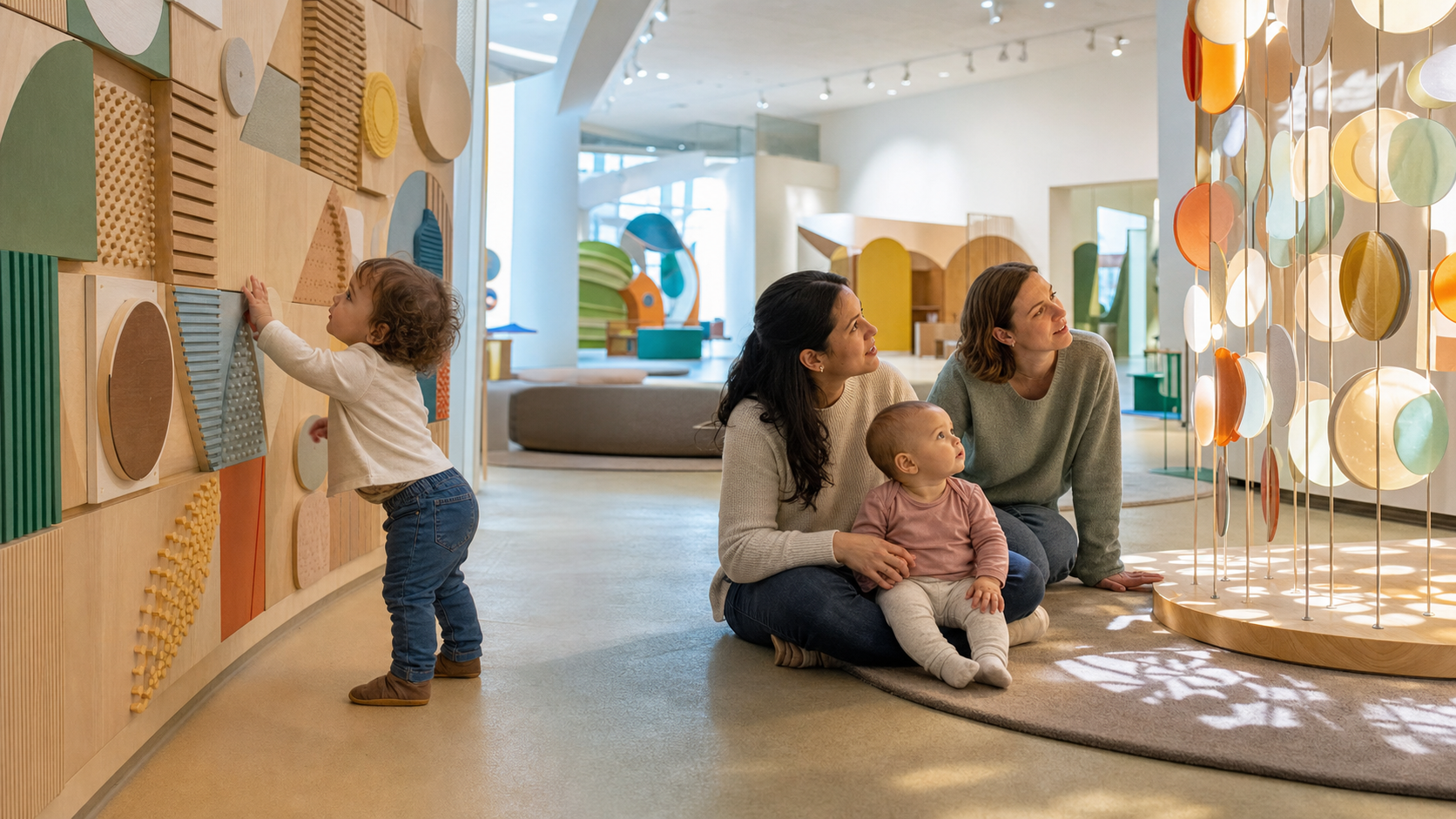
“Family-friendly” is too broad to make the decision for you. An exhibit can be hands-on but still be a poor fit if its controls are out of reach, its activity depends on reading or the interesting part happens only after a long explanation. Ask a simpler question: what can your child do there without needing to act older?
If your baby mostly watches
Look for large objects, strong shapes, movement, light, sound and visual stories that work from buggy or carrier height. An exhibit does not need to be touchable to hold value for a young baby. It does need to be visible without repeated lifting or awkward positioning.
Caregiver comfort also affects the visit. Check whether you can pause nearby, whether the route has seating, and whether you can step away for a feed or change without abandoning the whole plan. A visually exciting gallery at the far end of a difficult route may be less useful than a modest display near the facilities you need.
If your child is crawling or newly walking
Movement is likely to compete with the exhibits. Prioritise designated family spaces, simple cause-and-effect activities and layouts where stopping does not block a narrow passage. Check the museum’s rules before assuming your child can crawl on a gallery floor or touch an object. “Interactive” does not mean that everything in the room is available for play.
If buggy parking is required, decide whether that works for your child before you travel. It may be manageable for a confident walker or a child who accepts a carrier. It can be a dealbreaker when you are visiting alone with a child who still needs reliable transport between rooms.
If your toddler follows stories and instructions
Look for a clear theme your toddler already recognises: animals, transport, homes, clothes, music, colour or people doing familiar jobs. The collection does not have to be designed exclusively for toddlers. A few understandable objects can work better than a large children’s zone with activities that demand skills your child does not yet use.
Read museum descriptions for concrete verbs. “Listen,” “touch,” “build,” “move,” “match” and “pretend” tell you what participation may look like. Words such as “discover” or “explore” sound inviting but do not tell you whether a young child can take part. Photos can help you check display height, floor space and whether an adult must operate the activity.
Reject a difficult day before you book it
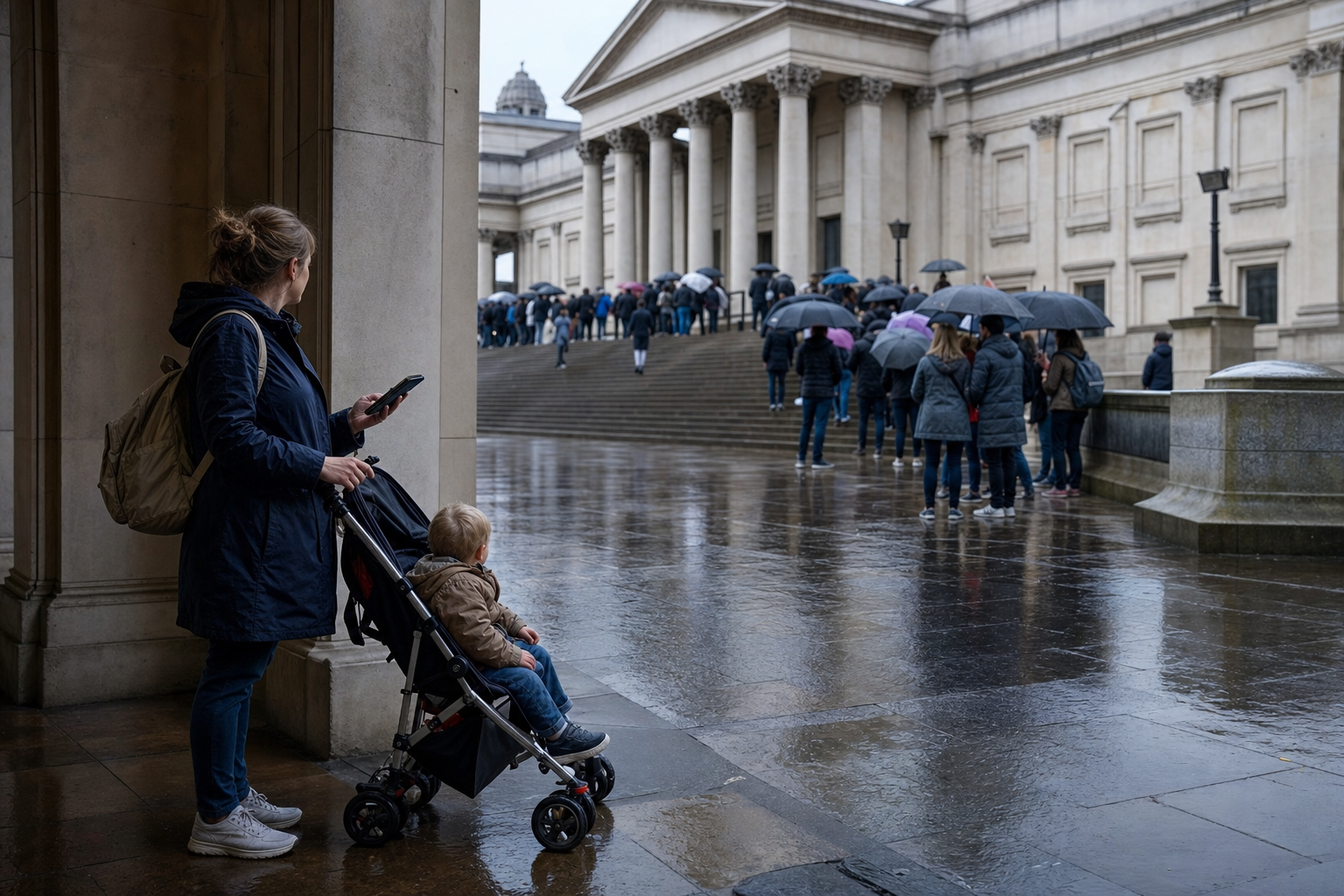
The best exhibit on your list cannot compensate for an inaccessible route, an unsuitable arrival slot or nowhere to handle an ordinary nappy change. Screen the practical details first. Use the museum’s official visitor, family and access pages for the date you intend to go, because opening arrangements and available spaces may change.
- Trace the arrival. Check whether entry is timed, where the family should queue and what happens if you arrive outside the booked window.
- Trace the buggy route. Confirm step-free entry, lift access and any galleries where buggies are restricted. If parking is required, find out where it is and keep valuables with you.
- Locate care facilities. Check for baby-changing facilities, toilets, permitted feeding areas and a place where you can pause without standing in a busy route.
- Check the day’s availability. A family gallery or advertised activity is only useful if it is open during your visit. Look for closures, booking requirements and session times.
- Read the food rules. Find out where snacks and drinks are allowed rather than waiting for hunger to force a rushed decision.
- Plan the departure. Know the most direct way out and whether re-entry is allowed. This matters if your child needs a reset outside.
Mark each museum green, amber or red against your own non-negotiables. Green means the requirement is clearly confirmed. Amber means you have a workable alternative, such as using a familiar carrier when a buggy cannot enter. Red means the outing depends on your child tolerating something they usually do not tolerate. A red flag is a reason to choose another museum, not a problem to solve after arrival.
Also check the journey on both sides of the museum door. A direct route, an obvious entrance and an easy trip home may matter more than adding another impressive gallery. If two options look equally appealing, choose the one with fewer transitions.
Build the visit around an anchor, a bonus and an exit
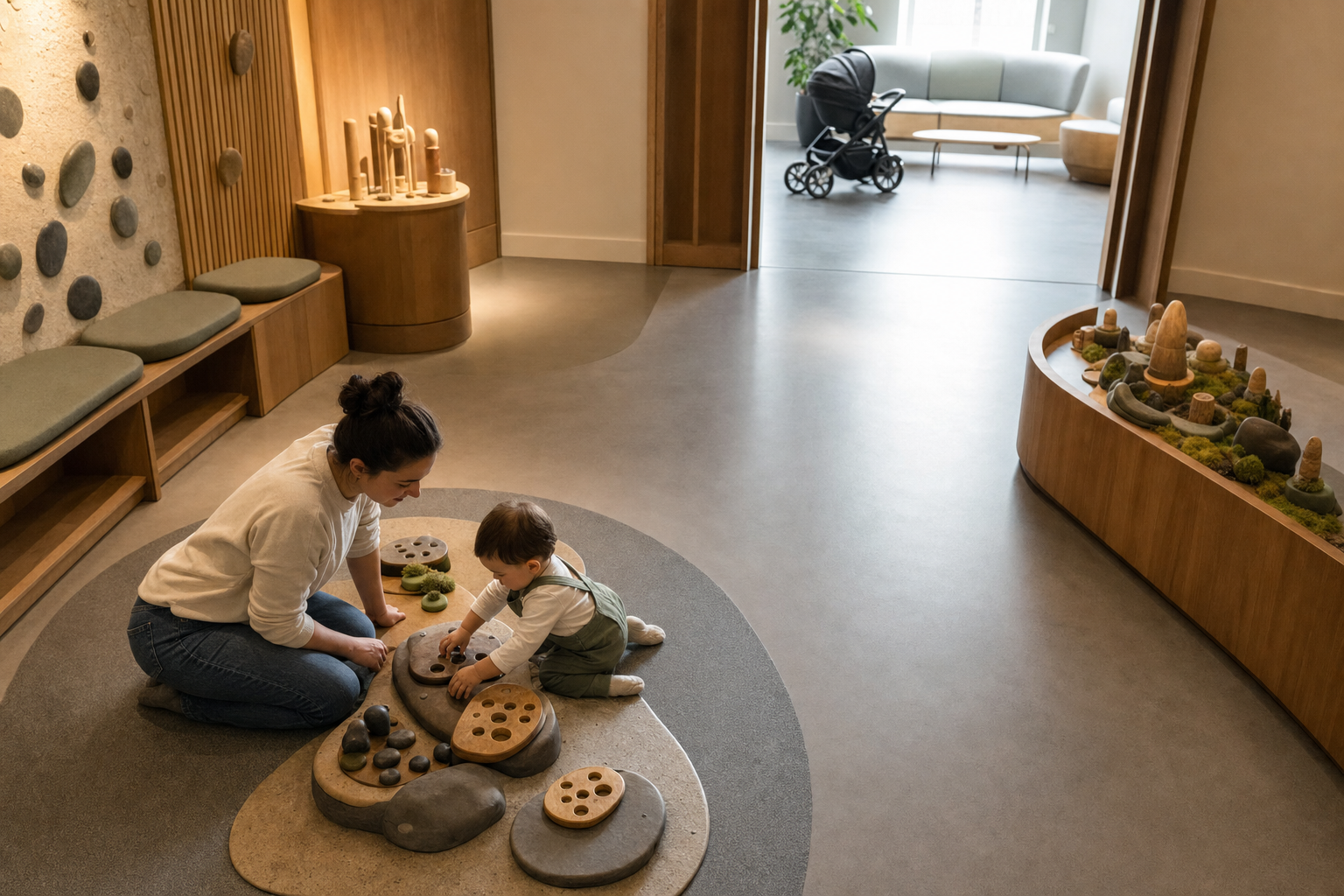
A long list of rooms quietly turns a family outing into a completion task. Replace it with a flexible route:
- The anchor is the display or family activity most closely matched to your child’s current interests and abilities. Go there while everyone is settled.
- The bonus is something nearby that you can add if your child is still engaged. It should not require crossing the entire building.
- The exit includes the closest suitable place to feed, change, calm down or leave. Decide where it is before you need it.
Use your child’s most reliable awake and settled period for the anchor. If sleep is unpredictable, favour a museum and journey that are easy to abandon. Do not build the day around a scheduled activity unless its timing genuinely suits your child; the programme is optional, while your child’s basic needs are not.
Inside the museum, follow attention rather than room order. Pointing, watching, repeating an action or returning to the same object are useful signs that your child is engaged. You do not need to move on because an adult could finish the display more quickly. Equally, you do not need to keep presenting new objects after your child has turned away and begun seeking movement, food or comfort.
When the mood shifts, try the ordinary reset your child needs: a change, feed, drink, snack where permitted, quieter space, movement or familiar comfort. If that does not restore the outing, leave. Staying because of the ticket price, travel effort or imagined itinerary converts a manageable visit into a harder journey home.
If more than one adult is coming, agree on an exact meeting point in case you split up. Decide who is following the child and who is handling directions, tickets and belongings. That small division prevents both adults from looking at a map while the toddler keeps moving.
Pack for the moment the plan changes
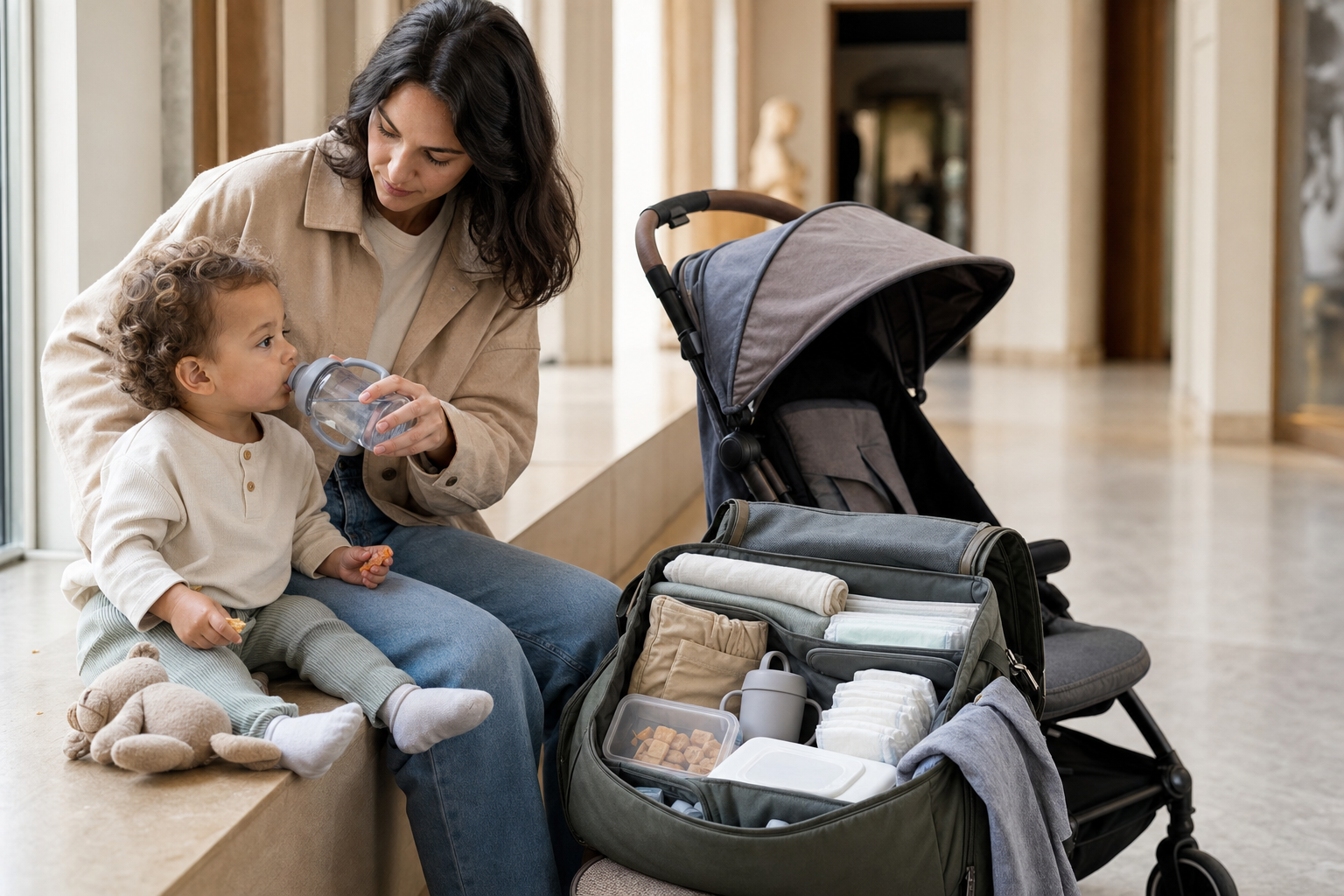
A museum bag should help you recover from predictable disruptions without becoming another awkward object to manage. Keep the items you will reach for quickly in a small pouch or easy-access pocket.
- A compact changing kit and a sealable bag for wet or soiled items.
- A change of clothing suited to your child’s current needs.
- Water and a familiar snack if the museum permits them.
- A familiar comfort item that can be contained or attached rather than dropped repeatedly.
- A carrier only if your child already accepts it; the museum is not the place to test unfamiliar equipment.
- Tickets, booking details and screenshots of the relevant route, gallery and facilities information in case reception is unreliable.
- Any feeding supplies your child normally needs, packed so they can be reached without emptying the whole bag.
Avoid packing loose entertainment for every possible pause. The museum already provides plenty to look at, and dropped toys create extra retrieval work. Bring what reliably settles your child, not a second itinerary in toy form.
For your next London museum day, open the family and access information before discussing the exciting exhibits. Identify the anchor, find the nearest reset space and save the exit route. If the practical answers are clear, you have a workable plan. If they are not, keep the museum for another stage and choose the easier day out.