
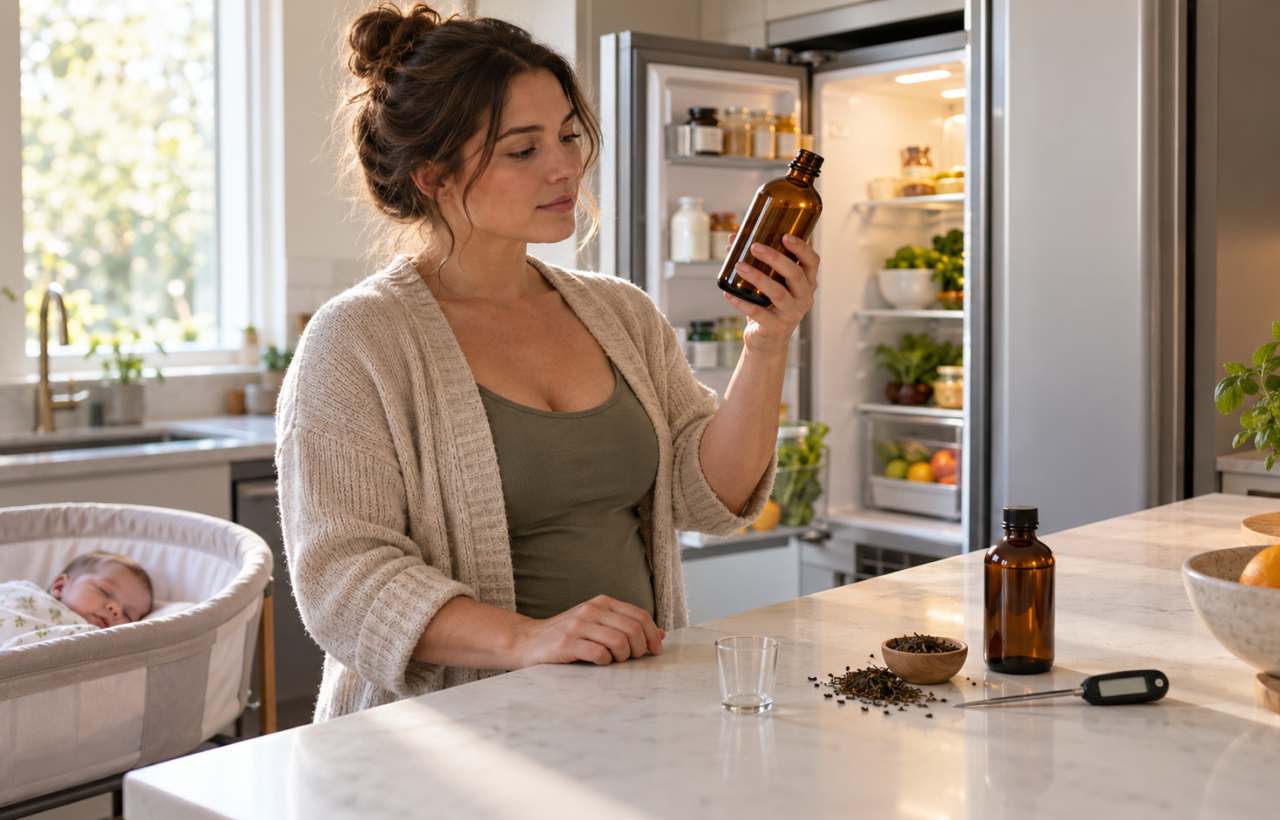
You have a bottle of kombucha in the fridge, your baby may want to nurse soon, and the word “fermented” is making you hesitate. The honest answer is not a clean yes or no. Avoiding alcohol is the lowest-risk choice while breastfeeding, but an occasional, carefully chosen serving may be reasonable for some parents.
The decision comes down to three separate concerns: alcohol, caffeine and possible contamination in an unpasteurized drink. Those amounts can vary between products, so the front-of-bottle promise that a kombucha is “natural” or contains probiotics does not tell you whether it fits your breastfeeding routine.
Key takeaways
- Not drinking kombucha is the simplest way to avoid its alcohol, caffeine and contamination concerns.
- If you choose to drink it, look for a commercial, pasteurized product with clear alcohol, caffeine and serving-size information.
- Keep it to one labeled serving, have it just after nursing or pumping, and use a cautious two-hour waiting period before breastfeeding again.
- Count its caffeine toward a daily total of about 200 milligrams. Babies younger than about 6 months clear caffeine more slowly than adults.
- Skip homemade and unpasteurized kombucha while breastfeeding because unwanted bacteria are an additional concern.
- Do not use kombucha to increase milk supply. There is no published evidence that it boosts supply or provides a specific nutritional benefit to your baby.
The bottle has to answer three questions
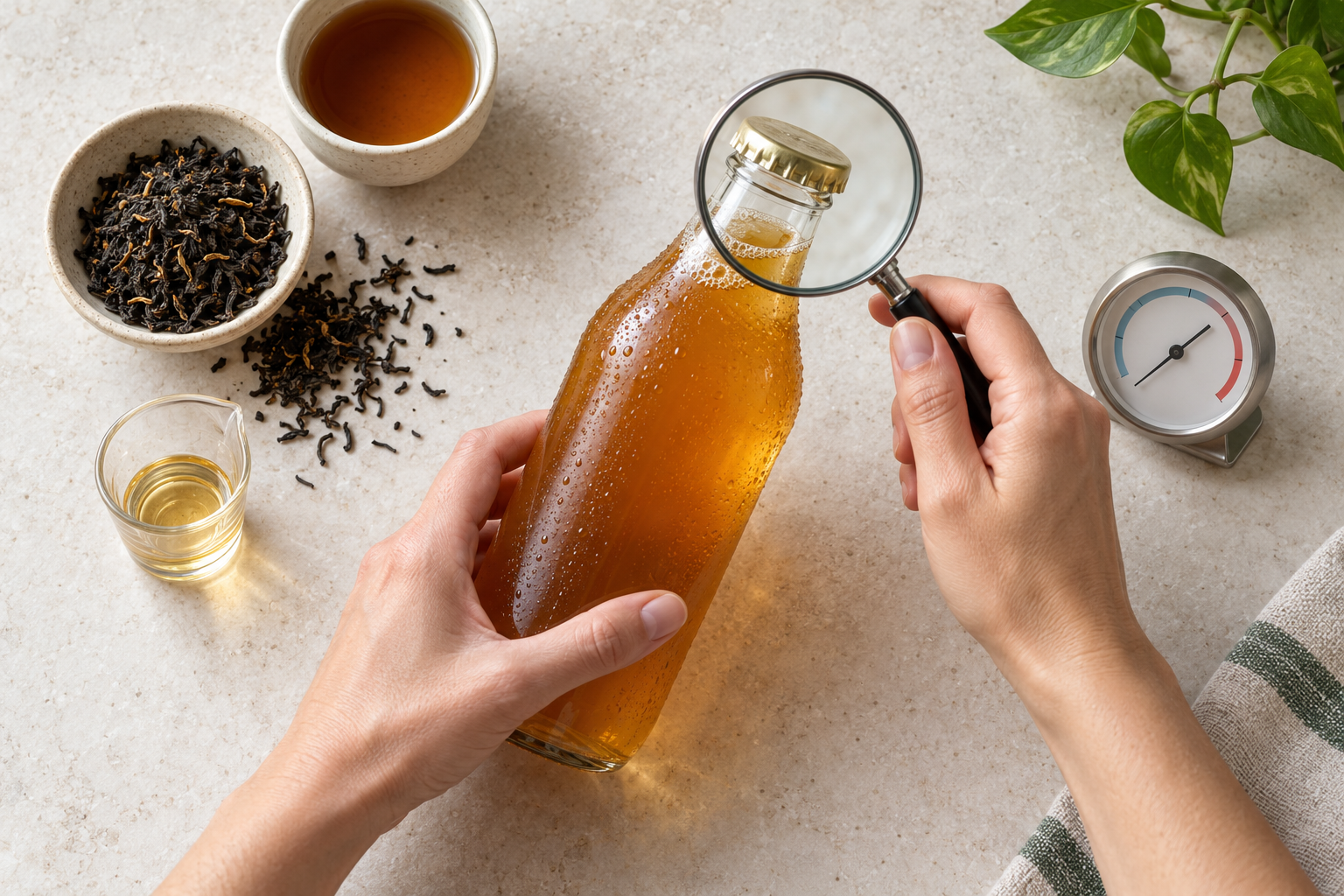
There is no single kombucha rule that works for every brand. Before opening a bottle, check the actual product rather than treating all kombucha as interchangeable. If the label leaves an important question unanswered, choosing another drink is easier than guessing.
How much alcohol does it contain?
Fermentation naturally produces alcohol. Kombucha may contain roughly 0.5% to 1.25% alcohol, although the amount varies by product. That is less than a typical alcoholic drink, but it is not necessarily zero.
Check both the alcohol percentage and the serving size. The percentage describes concentration; the serving size tells you how much you are actually drinking. One bottle may contain more than one labeled serving, so “one serving” and “one bottle” should not be assumed to mean the same thing.
How much caffeine will it add to your day?
Kombucha is commonly made from black, green or oolong tea, which means caffeine is a separate consideration from alcohol. A cautious breastfeeding limit is about 200 milligrams of caffeine across the entire day, not 200 milligrams from kombucha alone.
Add the kombucha to coffee, tea, cola, energy drinks, chocolate and any other caffeine you consume. If the bottle does not disclose its caffeine content, do not interpret the missing number as zero. Choose a product with a clear amount or select a caffeine-free drink instead.
Only a small amount of caffeine passes into breast milk, but young babies process it more slowly. If your baby is younger than about 6 months, or you notice a repeatable pattern of unusual wakefulness or fussiness after you consume caffeine, reducing the total is a practical next step.
Does it explicitly say pasteurized?
Raw kombucha can carry unwanted bacteria. A commercial product that explicitly says it is pasteurized is easier to assess than a raw or homemade batch. Home brewing introduces variables in sanitation, fermentation and alcohol content that you cannot reliably resolve by taste or smell.
If you cannot confirm pasteurization, leave that bottle for another time. This matters even when the kombucha looks, smells and tastes normal.
A cautious plan for one serving

If you decide to have kombucha, make the plan before you open it. The point is to reduce avoidable exposure without disrupting your baby’s feeding cues.
- Choose the product: Use a pasteurized commercial kombucha with readable alcohol, caffeine and serving information.
- Check the portion: Measure one labeled serving rather than automatically finishing the bottle.
- Choose the timing: Drink it just after nursing or pumping, when the longest natural interval before the next feed is likely to begin.
- Allow a cautious interval: Wait about two hours after the serving before breastfeeding again. This is a harm-reduction step, not proof that every kombucha is risk-free.
- Count the caffeine: Include the serving in your total for the day and pay attention to any consistent change in your baby’s sleep or fussiness.
A waiting plan only works when it fits your baby’s normal feeding pattern. Do not plan to make a hungry baby wait so that you can complete an interval. If feeds are currently frequent or unpredictable, skipping alcohol-containing kombucha is the cleaner option.
When skipping kombucha is the better decision
You do not need to negotiate with an unclear label. Choose another drink when any of these applies:
- The kombucha is homemade, raw or not clearly marked as pasteurized.
- You cannot determine its alcohol content, caffeine content or serving size.
- You expect to drink more than one serving.
- Your baby is feeding too frequently or unpredictably for a planned interval to be realistic.
- You are hoping it will increase milk supply or deliver a proven health benefit to your baby.
- You repeatedly notice that your baby is more wakeful or fussy after you consume caffeine.
- You or your baby has a health consideration that could change the advice, and you have not yet discussed it with an appropriate health professional.
Frequent or heavy alcohol consumption is a different situation from an occasional low-alcohol serving. It can affect infant growth and motor function and may cause fatigue and other problems. If alcohol use is frequent or feels difficult to limit, speak promptly with your doctor, midwife or another qualified health professional. Kombucha should not be used to make ongoing alcohol exposure seem negligible.
For advice tailored to your feeding situation, ask a doctor, midwife, pediatrician or lactation consultant. Bring a photo of the product label so the conversation can address the actual alcohol percentage, caffeine amount and serving size rather than kombucha in the abstract.
Choose an alternative based on what you wanted from kombucha
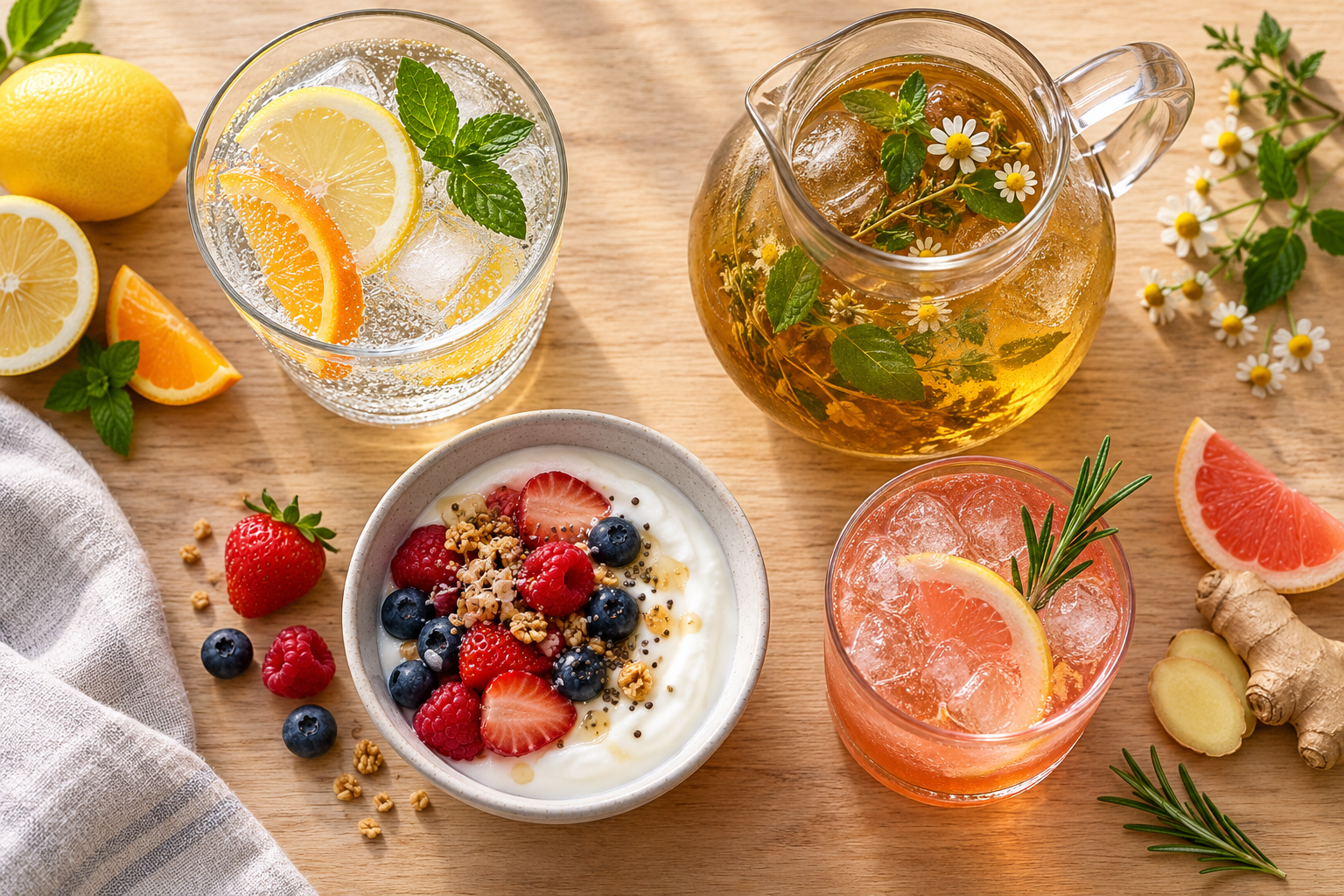
The best replacement depends on why you reached for kombucha in the first place:
- For a tart, fizzy drink: Choose an unfermented sparkling drink made without alcohol or caffeine. Check the label rather than relying on words such as “refreshing” or “botanical.”
- For probiotics: Yogurt is a straightforward food option without kombucha’s alcohol and caffeine combination. Kefir and fermented foods such as sauerkraut, kimchi and pickled vegetables are other possibilities.
- For a probiotic supplement: Ask a doctor or midwife before starting one. Evidence about probiotic supplements during breastfeeding remains limited, and the right product may depend on your own health.
- For milk supply: Do not substitute kombucha for feeding support. If supply is worrying you, a lactation consultant or another qualified clinician can assess milk transfer, feeding frequency and your baby’s growth.
At the store, make the decision from the label: pasteurized, clear alcohol and caffeine information, one measured serving and workable feeding timing. If one of those pieces is missing, leave the bottle. Your drink should fit around feeding your baby, not require you to postpone it.
References



