
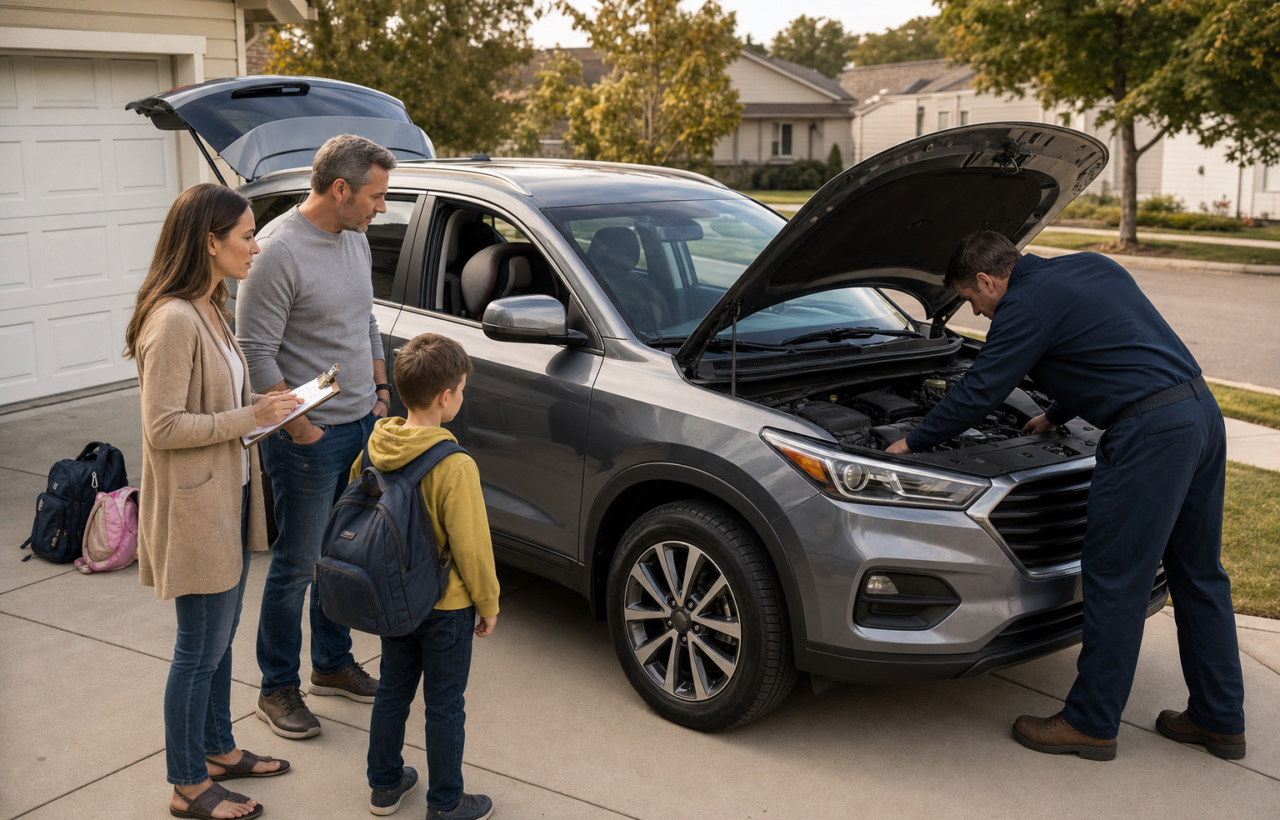
A used family car can be the sensible choice, but the price on the windshield does not answer the most important ownership question: how much uncertainty comes with keeping it running.
The available source material gives one detailed comparison rather than a broad model-by-model data set. That makes the lesson narrower but still useful: families should compare the purchase price against likely repair exposure, service predictability, and the household’s ability to absorb an unexpected bill.
The Purchase Price Can Hide a Different Kind of Cost
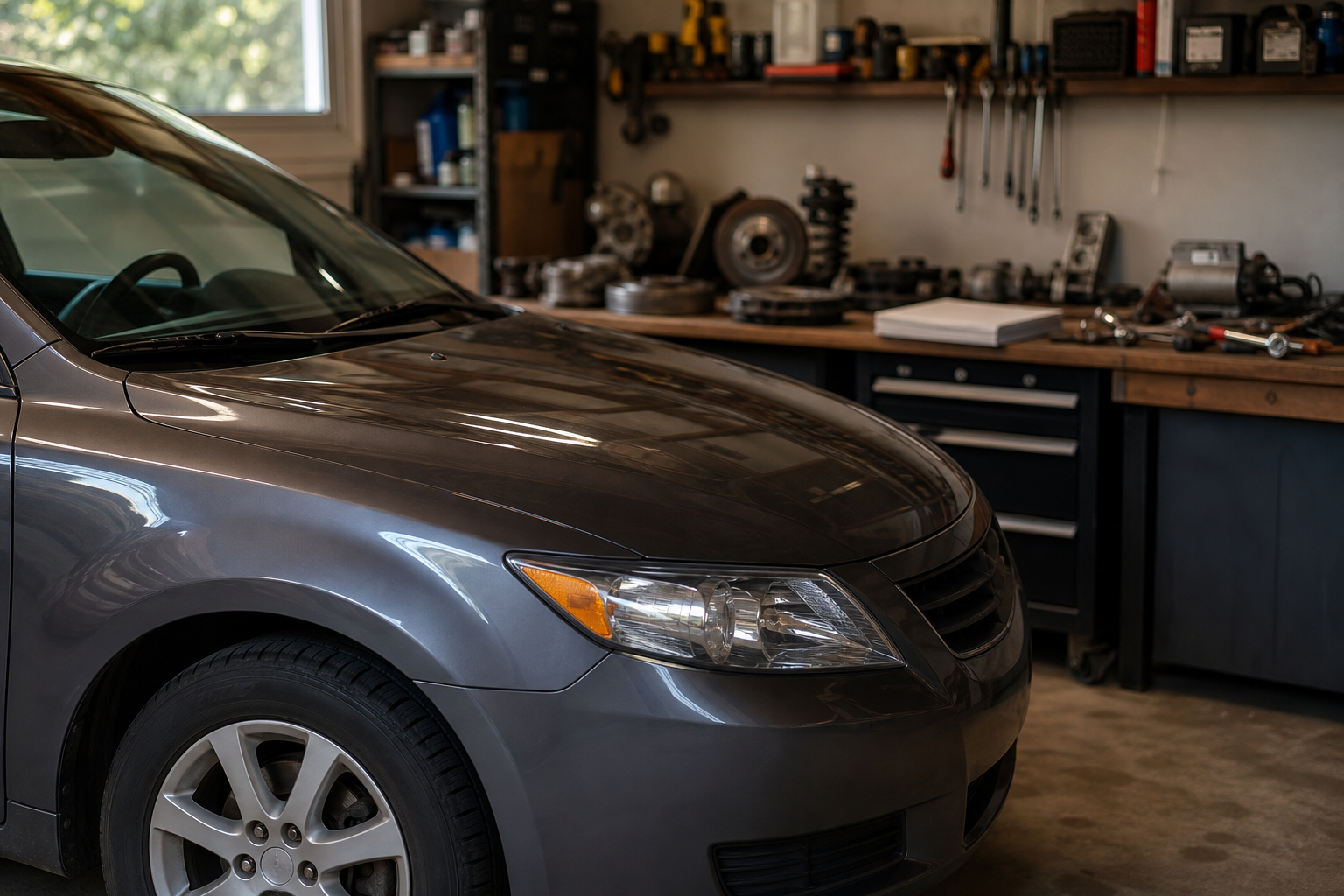
The existing diapr.ai post reported a specific scenario from Wealthy Single Moms: a used BMW X3 with 60,000 miles priced at $27,000, compared with a new Honda CR-V at $32,000. On day one, the used BMW appears to save $5,000 before considering other costs.
That same source reported that the BMW example later faced a $2,400 cooling system repair six months after purchase, followed by a timing chain rattle the next year. The important point is not that one repair erases every possible advantage of buying used. It is that the initial discount becomes less meaningful when a family has to carry the risk of large, poorly timed repairs.
For a household vehicle, predictability has value. A car used for school drop-offs, commuting, appointments, groceries, and weekend activities is not just an asset; it is part of the family’s daily operating system. A lower payment can still feel expensive if the car is unavailable or requires urgent repair decisions.
Used Luxury Pricing Can Be Misleading

The source article highlights a common used-car trap: premium vehicles can become attainable on the used market after depreciation, while their service needs may still reflect their original class. The discounted price may make the vehicle look comparable to a mainstream family crossover, but parts, diagnostics, labor, and age-related repairs may not follow the same comparison.
That does not mean a used premium SUV is automatically a poor decision. It means the buyer should evaluate it as an older premium vehicle, not simply as a cheaper substitute for a newer mainstream model. The family is not only buying the badge, cabin, and driving feel; it is also buying the maintenance profile attached to that vehicle.
The source material does not provide a full ranked list of models or repair histories, even though the referenced article title mentions affordable family cars with high maintenance costs. Without that data, it would be misleading to name additional vehicles or imply a broader pattern by model. The safer conclusion is about the buying process: unusually attractive pricing should trigger more due diligence, not less.
How Families Should Compare New and Used Options
The most useful comparison is not simply used versus new. It is stable cost versus uncertain cost. A new mainstream family vehicle may carry a higher purchase price, while a used vehicle may offer a lower entry point but more exposure to deferred maintenance, age-related failures, and downtime.
In the BMW X3 and Honda CR-V scenario reported by the source, the purchase-price gap is visible immediately. The repair risk appears later. That timing matters for families because the budget impact of a repair is often less manageable than a planned monthly payment, especially when transportation cannot be paused.
A practical comparison should separate two questions. First, can the family afford to buy the car after taxes, fees, insurance, registration, and financing? Second, can the family afford to keep it if a major repair arrives soon after purchase?
Key Takeaways
- A lower used-car price does not automatically mean a lower ownership cost.
- The source-reported example compares a $27,000 used BMW X3 with 60,000 miles to a $32,000 new Honda CR-V.
- The same example included a $2,400 cooling system repair six months later and a timing chain rattle the following year.
- Premium used vehicles should be judged by premium-vehicle repair exposure, not just by their depreciated price.
- Families should budget for repairs before treating a used vehicle as the more affordable choice.
A Pre-Purchase Check Should Focus on Risk, Not Just Condition

A clean-looking used family car can still carry expensive risk if important wear items are near the end of their service life. General used-car due diligence should include a pre-purchase inspection, service-history review, and a conversation about known age-related maintenance for that model.
The inspection should not be treated as a pass-fail formality. Its value is in revealing whether the buyer is taking on predictable maintenance, deferred work, or a realistic chance of a major near-term repair. That distinction changes the affordability calculation.
Families should also decide in advance how much repair cushion they can keep after the purchase. A used vehicle may still be the right decision if the household can set aside money for maintenance and tolerate some uncertainty. If the purchase uses up the entire transportation budget, the cheaper vehicle may be the riskier one.
The Better Bargain Is the Car the Household Can Sustain

The right family car is not always the newest option or the cheapest used option. It is the vehicle whose full ownership demands fit the household after the sale is complete.
For families comparing a tempting used SUV with a more ordinary new crossover, the strongest decision comes from pricing the uncertainty. The sticker price starts the conversation; repair exposure determines whether the car remains affordable once daily life depends on it.