
Family shopping content often mixes two different jobs: discovery and decision-making. A parenting product roundup can introduce new ideas, while an Aldi preview can point to short-window grocery or household deals, but neither should replace a household-specific shopping plan.
The useful approach is to read these roundups as signals. Across the supplied sources, the clearest pattern is not a single must-buy product; it is the need to separate products that solve an actual family problem from items that simply look timely, seasonal, or scarce.
What the three roundups actually establish
The My Baba-related source, as summarized by diapr.ai Blog, reported a broad edit of parenting and family-life products, innovations, and new brands. The same post also noted that the supplied material did not include product names, prices, testing notes, age ranges, safety details, or buying links.
The two Aldi-focused sources, both drawing on Wealthy single moms reporting, were more time-specific. One described Aldi food finds for July 15 through July 21, with the reported lineup emphasizing quick meals, cold breakfasts, pizza, ice cream, and snacks. The other described Aldi middle aisle bargains for the same July 15 through July 21 window, framed around summer household strain and early back-to-school needs.
Taken together, the sources cover different parts of the same family-shopping cycle. One is about discovering family products and brands; the Aldi food preview is about keeping meals moving in mid-summer; the Aldi middle aisle preview is about household gaps such as storage, cookware, and children’s replacement items. None of the supplied source material provides enough detail to rank individual products or verify a full list of 30 Aldi items.
The buying filter is different for groceries, gear, and home goods
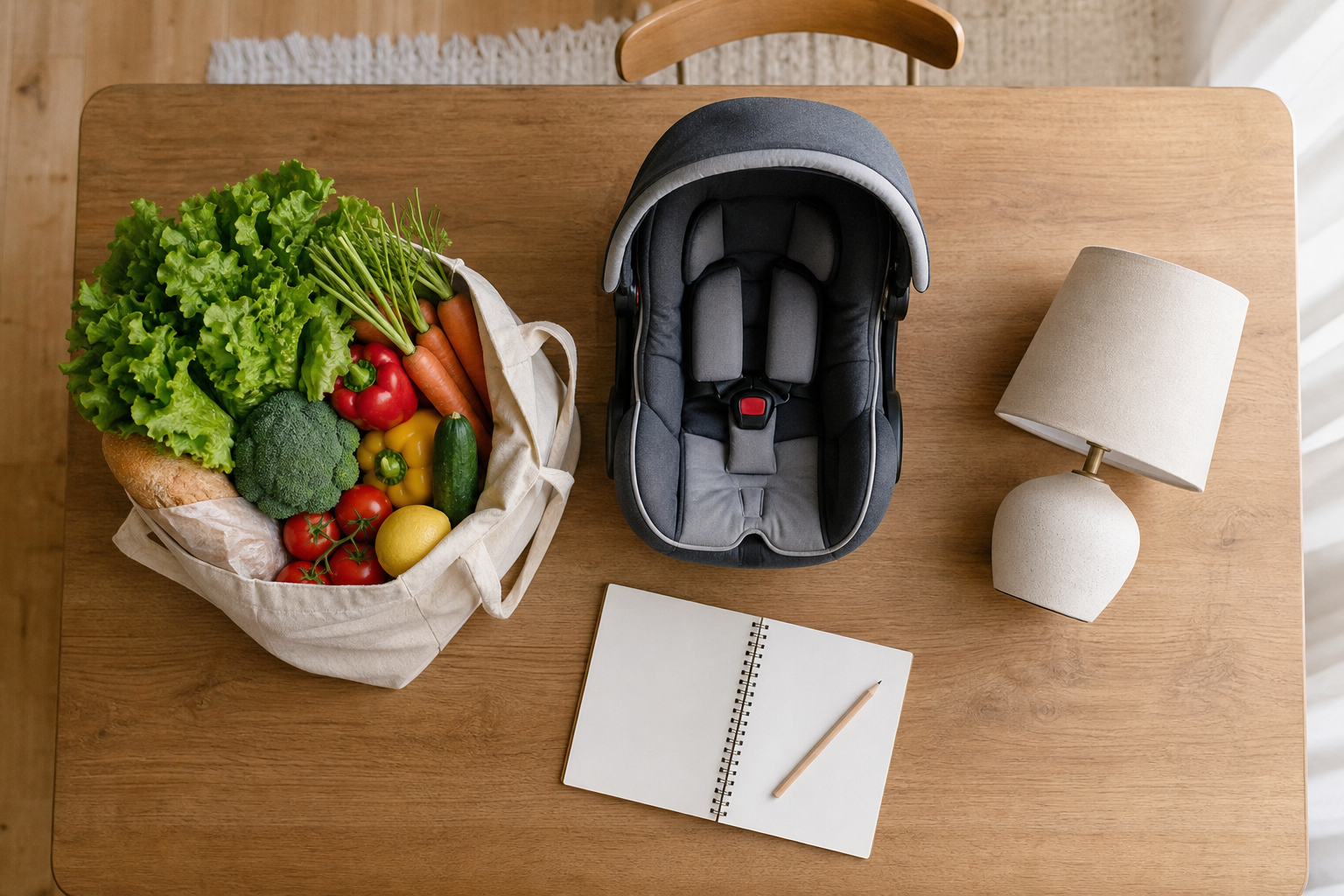
A family product roundup is usually best read slowly. Because the My Baba-related source was described at category level, parents would need to confirm age suitability, fit, care requirements, durability, safety information, and whether a product solves a real household need before treating any item as a serious candidate.
Aldi’s food finds call for a more immediate filter. According to the Wealthy single moms-based food source, the July 15-21 selection was built around summer convenience: fast meals, cold breakfasts, pizza, ice cream, and snacks. For families, that makes the central question practical rather than aspirational: will the item prevent takeout, reduce cooking in hot weather, or make an outing easier?
The Aldi middle aisle preview sits somewhere in between. Wealthy single moms reportedly framed that sale around families still dealing with summer expenses while starting to notice back-to-school needs. Storage, cookware, and children’s supplies may be useful purchases, but only when they match a known gap rather than a vague sense that the item might come in handy.
Limited-time language can make ordinary choices feel urgent

The Aldi sources both involve a short July 15-21 promotion window, which can make shoppers feel pressure to decide quickly. That urgency is part of what makes deal previews useful, but it is also what can turn a helpful list into extra spending.
The safest reading is to treat the preview as a prompt for checking the home, freezer, pantry, school-supply drawer, and kitchen cabinets before shopping. If a family already needs a backup dinner, a cold breakfast option, a lunch-packing solution, a missing pan, or a storage fix, a limited-time item may be worth considering. If no gap exists, the deal is only an invitation to add more inventory.
This is also where the parenting roundup and the Aldi previews overlap. New brands, clever products, seasonal foods, and middle aisle finds all benefit from the same pause: would this still make sense without the trend framing, the sale window, or the curated placement?
Key takeaways
- Use broad family product edits for discovery, not final buying decisions, especially when product-level details are not supplied.
- Read Aldi food previews through meal-planning needs: backup dinners, low-heat meals, cold breakfasts, snacks, and planned treats.
- Evaluate middle aisle finds by the exact household problem they solve, such as storage, cookware, or children’s daily-use items.
- Do not assume a full product list, price, size, or availability unless the source provides it or the shopper confirms it locally.
- A deal is most useful when it replaces another planned purchase or prevents a higher-cost fallback, not when it simply adds more to store.
A practical way to read the next roundup

Before acting on any family shopping roundup or Aldi preview, shoppers can sort items into three groups: solves a current problem, supports a near-term plan, or looks interesting but has no defined use. The first group deserves closer checking. The second may be worth buying if storage, budget, and timing work. The third can usually stay on the page or shelf.
For family gear, closer checking means looking for suitability, safety information, cleaning demands, and whether the product fits existing routines. For food finds, it means knowing when the meal, snack, breakfast, or dessert will be used. For home goods, it means naming the exact drawer, cabinet, lunch routine, school need, or kitchen gap the item addresses.
The best value from these roundups comes from using them as organized prompts, not shopping instructions. That leaves room for useful discoveries while keeping the final decision anchored in the household’s actual week.
References
- diapr.ai Blog — How Parents Can Read Family Product Trend Roundups
- diapr.ai Blog — How to Read Aldi’s July 15-21 Food Finds for Family Meals
- diapr.ai Blog — Aldi Middle Aisle Deals: What Shoppers Can Actually Know