
The familiar advice to never wake a sleeping baby is simple, but baby care rarely is. The more useful question is whether sleep is serving the baby well in that moment, or whether feeding, safety, illness, or the family routine needs to come first.
Drawing on guidance reported by Newton Hush, here is a practical way to think through the decision, with one important caveat: parents should check with their pediatrician before changing feeding or sleep routines, especially for newborns or babies with health concerns.
The Real Question Is Why You Are Waking Them
Waking a baby is not automatically good or bad. It depends on the reason. If the goal is convenience alone, it may be worth asking whether the timing can wait. If the reason involves feeding, hydration, safety, or protecting nighttime sleep, interrupting a nap can make sense.
Newton Hush emphasizes that newborns are a special case because they need frequent feeding. Their sleep can look long and peaceful, but early on, nutrition and weight gain often matter more than preserving every stretch of rest. Once a doctor has confirmed that an older baby is healthy and gaining well, the balance may shift toward letting sleep continue.
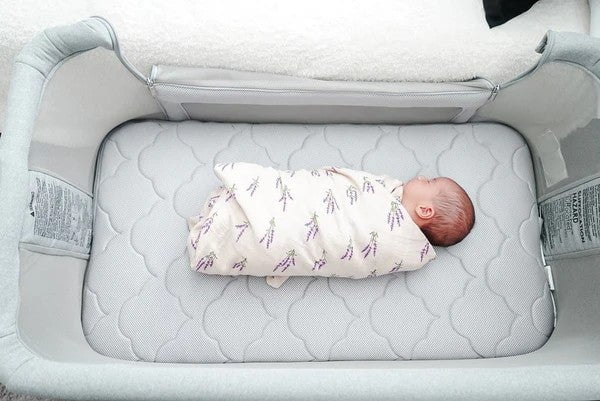
When Sleep Should Be Interrupted
The clearest reason to wake a baby is safety. According to Newton Hush, if a baby falls asleep in a car seat, swing, lounger, or another place that is not intended as a safe sleep space, parents should move the baby to a safer sleep setting even if that wakes them. In that situation, sleep continuity is less important than the sleep environment.
Feeding is another major reason. Newton Hush reports that newborns may need to be woken when it is time to eat because they rely on regular calories for growth and development. The source also says newborns generally sleep 16 to 18 hours in a 24-hour period, often in short stretches of one to two hours at a time.
Daytime naps can also become too long for the rest of the schedule. Newton Hush suggests that, particularly in the first few weeks, naps can be kept to about two hours, while nighttime stretches may run longer, around four to five hours. Around two weeks old, the source says waking from overly long daytime naps and using daylight early in the day may help reduce day-night confusion.

Illness changes the calculation too. Newton Hush notes that when a baby is sick, hydration and nutrition become especially important, and it recommends waking every three to four hours for feeding. Parents should treat that as general guidance from the source, not a substitute for medical advice, because illness, age, and feeding needs vary.
When Rest Can Usually Win
If a baby is older, healthy, feeding well, and gaining weight appropriately, Newton Hush says it is generally fine to let them sleep. Sleep supports growth and development, and not every nap needs to be managed down to the minute.
Deep sleep is another time to pause before intervening. If there is no pressing need to feed, move the baby, or protect bedtime, letting a deeply sleeping baby continue resting may be the gentler choice. The exception is when a pediatrician has given feeding instructions or there are concerns about weight, nutrition, or health. In those cases, the need to feed can outweigh the desire to preserve sleep.
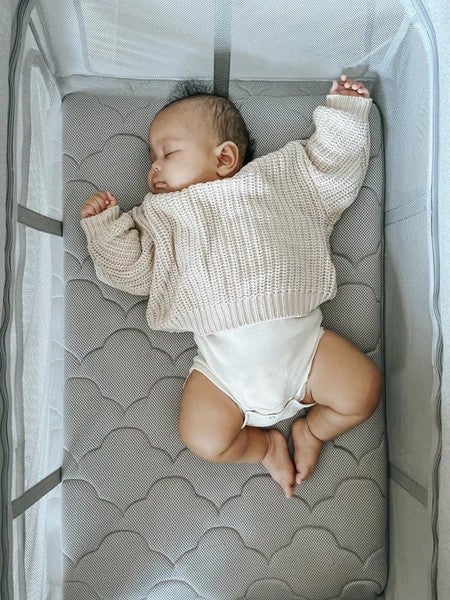
How to Wake a Baby Gently
When waking is necessary, the goal is not to startle the baby awake. Newton Hush recommends using gentle physical contact, such as touching the cheeks, hands, or feet, or lightly massaging the shoulder or back. A quiet voice or soft song can also help a baby surface gradually.
Light can be useful, especially when the wake-up is part of a daytime routine. Opening blinds or curtains lets natural light do some of the work. If using a room light, increasing brightness gradually may be less abrupt than switching on a bright overhead light at once.
Other small changes can help rouse a sleepy baby without making the moment feel harsh. Newton Hush suggests turning off a sound machine, changing a diaper, or unswaddling or undressing the baby. The mild change in sound, touch, or temperature may be enough to wake them for a feed or a needed schedule reset.
Key Takeaways for Tired Parents
- Wake a baby if they have fallen asleep somewhere that is not a safe sleep space.
- Newborns may need to be woken for feedings, especially before a pediatrician confirms weight gain is on track.
- Very long daytime naps can interfere with nighttime sleep, particularly in the early weeks.
- A sick baby may need waking for hydration and nutrition; parents should follow pediatric guidance.
- Older, healthy babies can often be left to sleep when there are no feeding, safety, or health concerns.
A Flexible Rule Beats a Rigid One
The best answer is not always yes or always no. A sleeping baby should be left alone when rest is the priority and all basic needs are being met. But when safety, feeding, illness, or a major schedule issue is involved, waking can be the more responsible choice.
For parents tracking feeds, diapers, naps, and overnight patterns, a simple record can make these calls less emotional. The more clearly caregivers can see what happened over the last day or two, the easier it is to decide whether this nap should continue or whether it is time to gently wake the baby.
Inspired by this post on Newton Hush.