Blog Posts
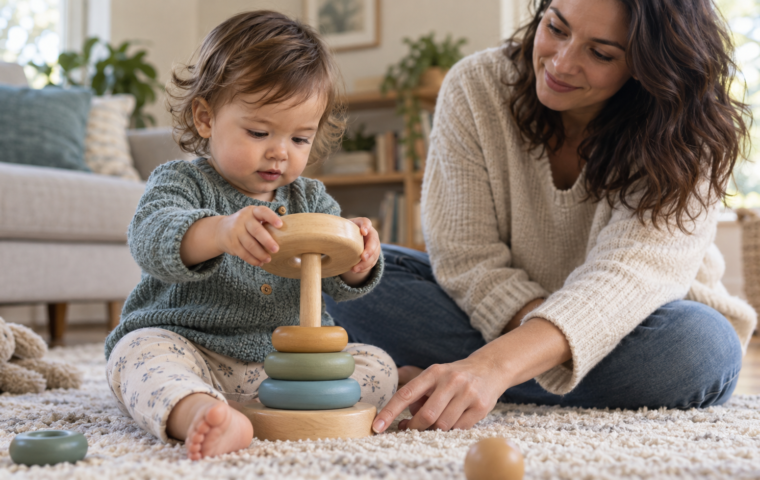
How Play Meets Your Baby or Toddler’s Emotional Needs
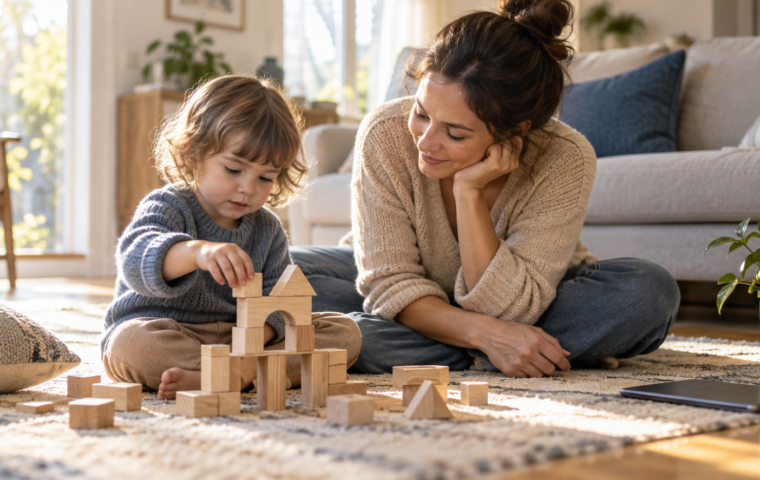
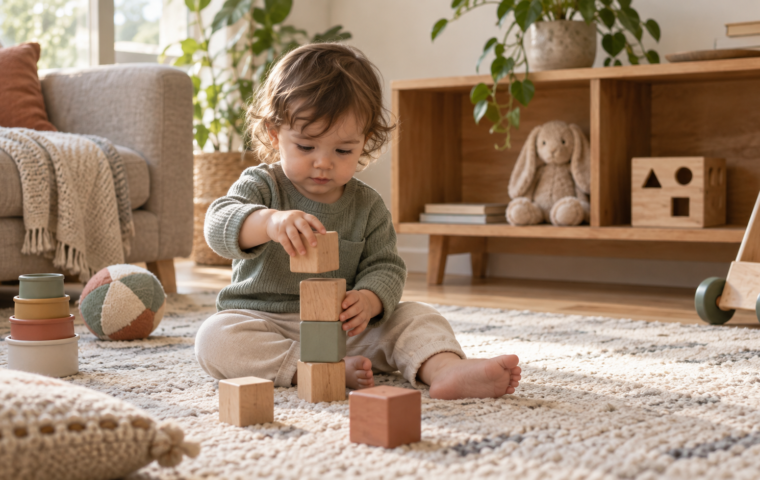
Use short, child-led play, clear boundaries and independent time to help your baby or toddler feel noticed, valued and secure.
Browse the journal
Use short, child-led play, clear boundaries and independent time to help your baby or toddler feel noticed, valued and secure.
Choose age-appropriate Halloween crafts with simple steps, safer materials and enough flexibility for toddlers to do the meaningful work.
Learn how to give your baby or toddler just enough help to practise a new skill, then fade the support as confidence and ability grow in daily routines.
Learn why a two-month feeding range is not a newborn quota, which intake clues matter, how to bottle-feed responsively and when to seek help.
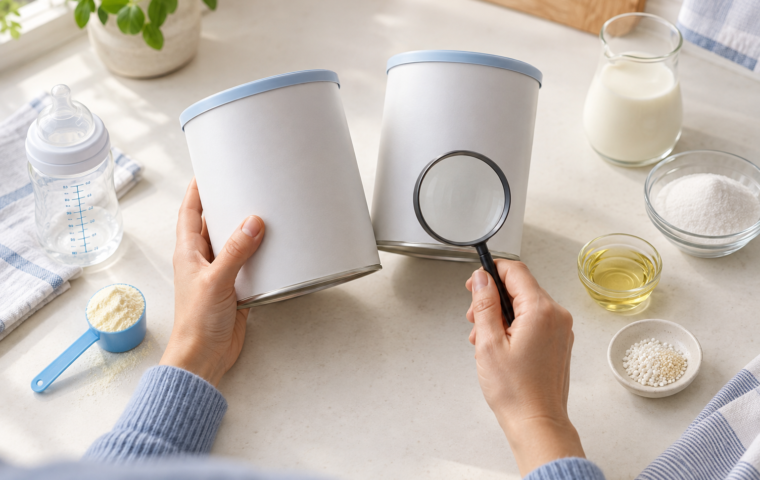
Learn what carbohydrates, proteins, fats, DHA, iron and vitamin D do in infant formula, and how to compare labels without chasing buzzwords.
Learn what the Generation Beta label really means and which everyday habits can build adaptability, judgment and connection in children under three.
A practical way to right-size your baby’s or toddler’s toy collection using play cues, developmental needs, simple rotation, and safer storage.
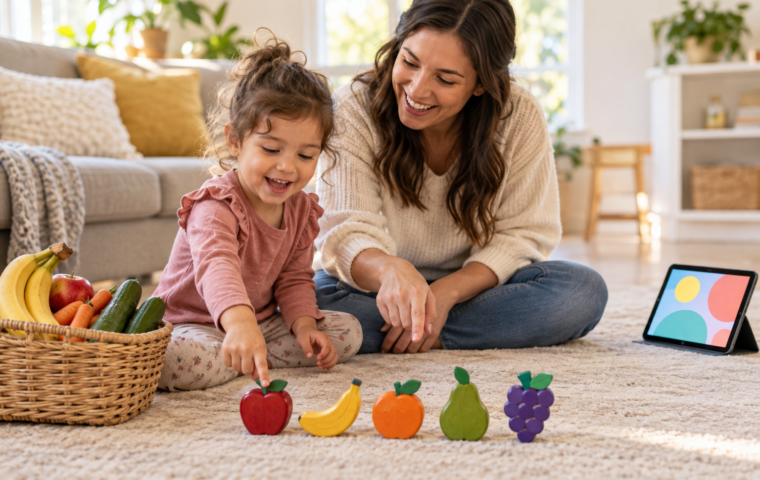
Turn favorite CoComelon songs into simple counting and food-learning routines that carry from screen time into play, cleanup, and family meals.
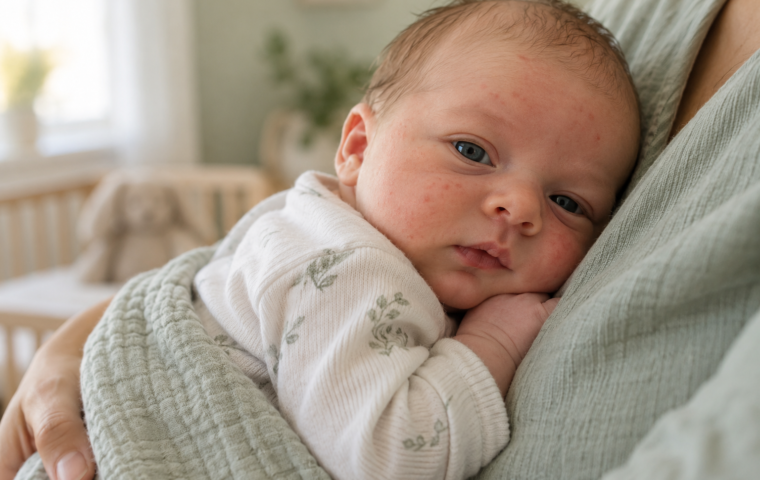
Learn how to recognize typical baby acne, protect delicate newborn skin, avoid irritating treatments and know when to call a healthcare provider.
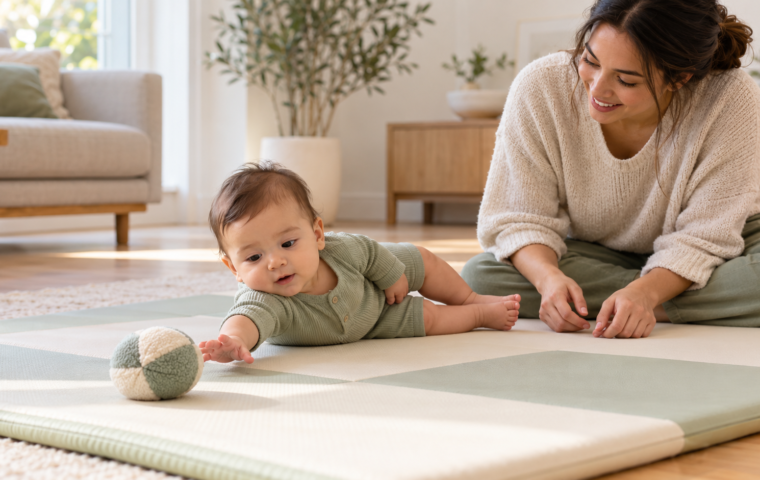
Use simple floor play, follow your baby’s cues, support first-year movement milestones, and recognize when a concern needs medical attention.
Learn to distinguish low supply from fast letdown, adjust one breast at a time, protect milk production, and know when to get feeding help.
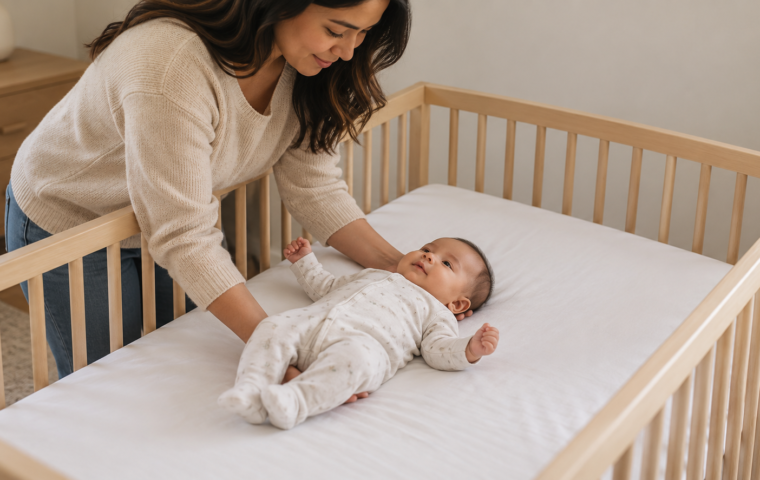
Learn when to reposition a side-sleeping baby, when self-rolling changes the answer, and how to prepare a safer crib for every nap and bedtime.
From birth till the first flush
Log diapers, feeds, sleep and more in one calm place—then notice the gentle patterns in your baby’s day.