A grunting baby can make a quiet night feel suddenly uncertain. According to Newton Hush, sleep grunts are common in the early months and are often tied to normal development rather than a problem.
The more useful question is not whether a baby ever grunts, but what else is happening at the same time. A single noisy stretch of sleep can mean something very different from grunting paired with breathing difficulty, color changes, fever, or unusual tiredness.
What Sleep Grunting Usually Means
Newton Hush describes newborn sleep as far noisier than many parents expect. Babies may sigh, snort, gurgle, whimper, hiccup, smack their lips, or grunt without being fully awake. In many cases, those sounds happen because the baby is moving through lighter sleep, practicing coordination, or reacting to normal body sensations.
One reason grunting stands out is that babies spend a large share of sleep in active sleep. Newton Hush reports that babies spend about 40 to 50 percent of sleep in REM sleep, compared with about 15 percent for adults. During active sleep, movement, irregular sounds, twitching, and brief stirring can be part of the picture.
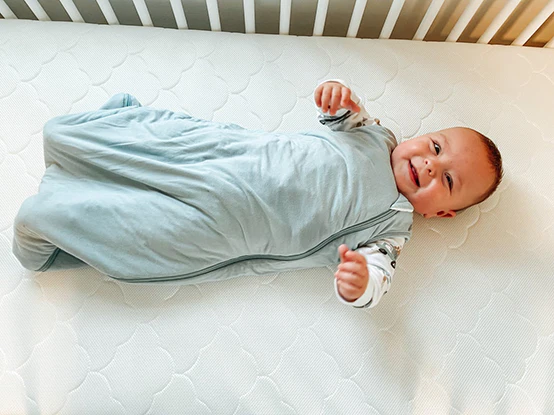
Newborn sleep cycles are also short. The source notes that babies move through sleep stages about every 45 to 50 minutes, so parents may hear noises during transitions even when the baby is not truly awake.
Common Causes Behind the Noise
Digestive development is one of the most common explanations in the Newton Hush article. A newborn is still learning how to coordinate abdominal and pelvic muscles, digest breastmilk or formula, pass gas, and move stool. That effort can sound like grunting, straining, or gurgling, especially during sleep.
Feeding can also play a role. If a baby falls asleep before finishing a bottle or nursing session, milk or formula may linger briefly near the back of the throat and create a gurgly or grunting sound. Hunger cues can show up during sleep as well, including rooting sounds, lip-smacking, suckling, and grunting before the baby wakes to feed.
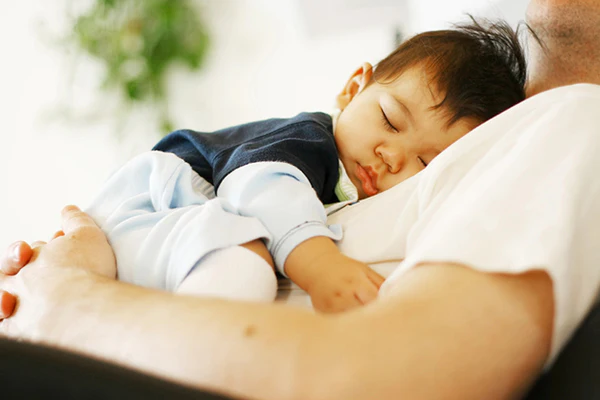
Congestion is another practical possibility. Newton Hush notes that babies rely mostly on nasal breathing in the earliest months, with mouth breathing becoming more common around 12 to 16 weeks. Because their nasal passages are small, even mild stuffiness can make sleep sound louder.
Some grunts may simply be developmental noise. The source frames certain sleep sounds as part of learning to breathe, use the vocal cords, stretch, dream, and coordinate muscles outside the womb.
Key Takeaways
- Occasional grunting during sleep is often normal in young babies, according to Newton Hush.
- Digestive coordination, active sleep, short sleep cycles, congestion, hunger, and bowel movements can all contribute.
- Grunting is more concerning when it comes with breathing trouble, color changes, fever, lethargy, or other signs of distress.
- Parents should keep safe sleep basics in place: back sleeping, a firm flat mattress, and an empty crib.
- If the sound feels unusual or the baby seems unwell, a pediatrician is the right next step.
Warning Signs That Need Medical Attention
The important dividing line is whether grunting is isolated or part of a larger pattern. Newton Hush advises parents to contact a doctor promptly if grunting happens alongside symptoms that suggest distress.
- Labored, fast, or unusually difficult breathing
- Blue lips or skin
- Chest heaving or a receding chin while inhaling
- Rhythmic grunting with flared nostrils
- An unusually long exhale or whistling sound on exhale
- Fever, lethargy, or a face that becomes very red
This is where parents should avoid trying to diagnose the sound from the crib monitor alone. If breathing looks hard, the baby changes color, or the baby seems unusually sleepy or unwell, the noise is no longer just a sleep quirk.
Ways to Support Quieter, Safer Sleep
The practical advice in the source centers on comfort and safe sleep rather than trying to eliminate every sound. Babies should be placed on their backs to start sleep, on a firm, flat crib mattress, with blankets, pillows, toys, and bumpers kept out of the crib.
If congestion seems to be contributing, Newton Hush mentions saline spray, a bulb aspirator, or a gentle newborn-safe suction device as options to discuss with a pediatrician. A cool-air humidifier or air purifier may also help when stuffiness or irritants are part of the problem, as long as cords and devices stay safely out of reach.
For digestion-related grunting, the source suggests simple routines such as keeping the baby upright after feeds, offering tummy time during the day, gently bicycling the legs, or trying massage when gas seems to be an issue. Hydration through breastmilk or formula also matters, particularly when a baby is congested.
Room conditions can matter too. Newton Hush recommends a cool sleep space, specifically 68F to 72F, and notes that darkness and a carefully placed sound machine may help some babies settle.
When the Grunting Starts to Fade
Most babies do not stay this noisy forever. Newton Hush reports that some straining and grunting connected with bowel movements may ease within a week or two, while other sleep sounds fade more gradually as breathing, digestion, and sleep cycles mature.
The source also notes that between three and six months, babies begin spending less time in active REM sleep and more time in quieter non-REM sleep. That shift can make nights sound calmer, though not silent. Occasional sleep noises, dreams, and little bursts of movement can remain part of babyhood.
For parents, the goal is not a perfectly silent sleeper. It is a baby who is breathing comfortably, sleeping in a safe space, feeding as expected, and otherwise acting well. When those pieces are in place, grunting is often just one of the many strange sounds of early development.
Inspired by this post on Newton Hush.