Daytime sleep can feel harder to manage than bedtime because it changes so quickly. A newborn may sleep in short, unpredictable stretches, while an older baby may need naps at fairly consistent times to avoid becoming overtired.
Using Newton Hush as the source, here is a parent-friendly way to think about nap timing, transitions, short naps, on-the-go sleep, and safer nap setups from the newborn months into toddlerhood.

The Age-by-Age Nap Map
Newton Hush frames nap schedules around age, total sleep in a 24-hour period, and the point when babies are usually ready for fewer naps. These are guidelines, not a diagnosis of what every child should do every day.
| Age | Sleep in 24 hours | Nap pattern reported by Newton Hush |
|---|---|---|
| 0 to 4 months | 16 to 18 hours | Frequent naps, often offered about 60 minutes after waking |
| 4 to 9 months | 12 to 16 hours | Often 3 naps, around 8:30/9:00 a.m., 12:30/1:00 p.m., and 3:00/3:30 p.m. |
| 9 to 12 months | 12 to 16 hours | Often 2 naps, around 8:30/9:00 a.m. and 12:30/1:00 p.m. |
| 12 to 24 months | 11 to 14 hours | Usually moving toward 1 midday nap, often around 12:00/1:00 p.m. |
| 2 years and older | 11 to 14 hours at age 2; 10 to 13 hours over age 2 | Often 1 nap around 1:00 p.m., with some children eventually needing a shorter nap |
The useful part of this framework is not that every family must hit the clock exactly. It is that babies can become overtired when naps are pushed too late, and some babies take shorter naps when put down too early.
Why Short Naps Are Often a Timing Problem
For newborns, Newton Hush says predictability is limited. Feedings, diaper changes, short wake periods, and naps blur together. The source suggests offering sleep about an hour after each wake-up and capping individual naps at no more than 2 hours so the longest sleep stretches are more likely to land at night.

Once a baby is older, timing becomes more important. According to Newton Hush, babies around 4 months and up may begin settling into clearer sleep windows. If naps regularly last less than an hour, the source describes a 60-minute rule: keep the baby in the crib for at least 60 minutes from the time they are placed down, even if they do not sleep the whole time.
That rule is described for the first two naps of a 3-nap day. The third nap, by contrast, is often shorter, about 25 to 45 minutes, and mainly helps bridge the stretch to bedtime.
When a Nap Transition May Be Starting
Nap transitions can look like resistance before they look like readiness. Newton Hush reports that many babies move from 3 naps to 2 between 7 and 9 months, often when the third nap is regularly refused.
The source is more cautious about the move from 2 naps to 1. Around 12 to 14 months, some babies may start skipping a second nap, but Newton Hush suggests continuing to offer 2 naps because the disruption may be temporary and connected with a developmental milestone such as walking.
For toddlers, Newton Hush places the 2-to-1 transition between 14 and 19 months. Signs may include one or both naps getting shorter, regularly skipped naps, new night waking, or earlier morning wake-ups. Once a toddler is on one nap, the source changes the 60-minute rule into a 90-minute rule, meaning the child stays in the crib for at least 90 minutes from the start of nap time.
Key Takeaways
- Newborn naps are usually irregular; Newton Hush emphasizes wake timing more than a strict clock schedule.
- For babies 4 months and older, the source recommends more consistent nap windows and uses the 60-minute rule for short naps.
- The 3-to-2 nap transition is commonly placed between 7 and 9 months in the source, while the 2-to-1 transition is placed between 14 and 19 months.
- On-the-go naps can work occasionally, but Newton Hush limits its Nap Pass idea to babies over 4 months who already nap and sleep well.
- For older toddlers, shortening or dropping a nap may be considered if naps start interfering with night sleep.
The Nap Pass: Helpful Flexibility, Not a Free-for-All
Newton Hush uses the term Nap Pass for occasional naps outside the usual crib routine. The source says this can happen up to 3 times per week for babies over 4 months, but only after the baby is already taking naps of 60 minutes or longer and sleeping well at night.
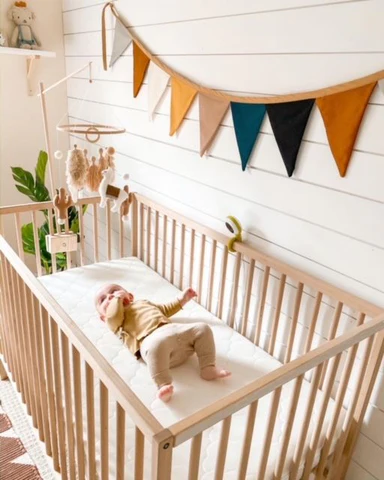
The limits matter. Newton Hush advises against using the Nap Pass for more than one nap in a day or on consecutive days. It also notes that if an on-the-go nap leads to a skipped or short nap, the next nap or bedtime may need to start earlier.

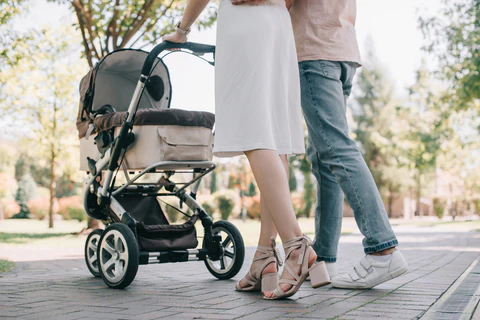
For parents, the practical takeaway is permission to leave the house sometimes without treating routine as all-or-nothing. The tradeoff is that flexibility works best when the baseline schedule is already stable.
Safer, Calmer Nap Conditions
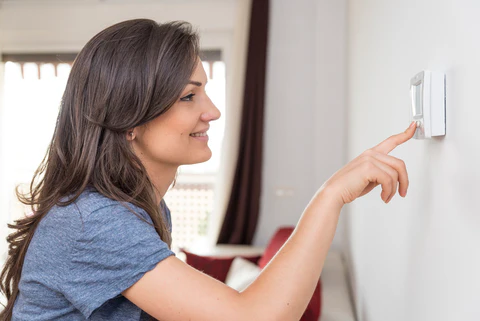
The source also connects nap success with the sleep environment. It cites a common room-temperature range of 68 to 72 degrees Fahrenheit, while also noting that the room should feel comfortable to a lightly clothed adult. Clothing matters too; the source says babies should not be dressed in more than one extra layer compared with what an adult would wear.
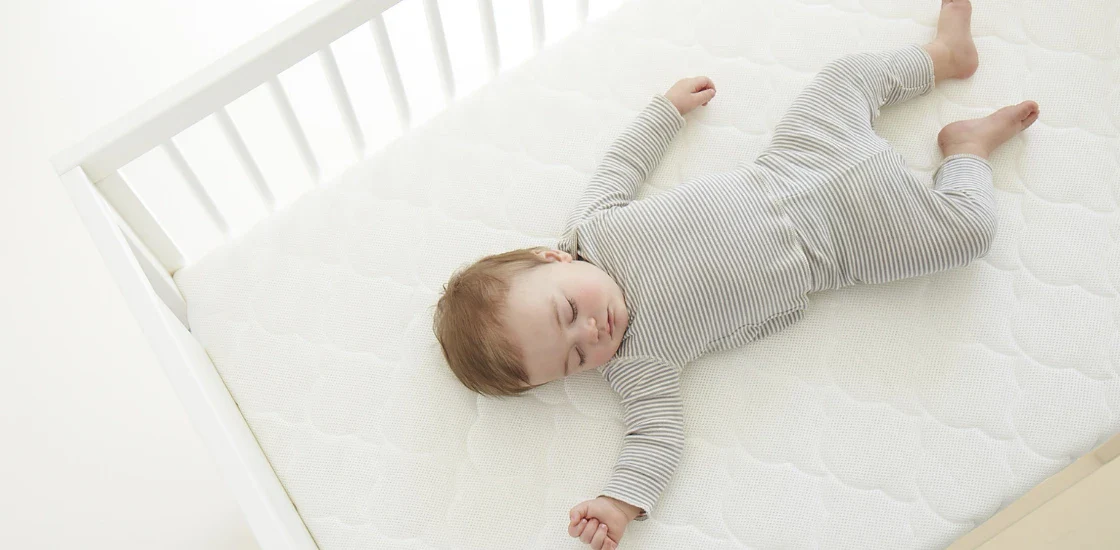
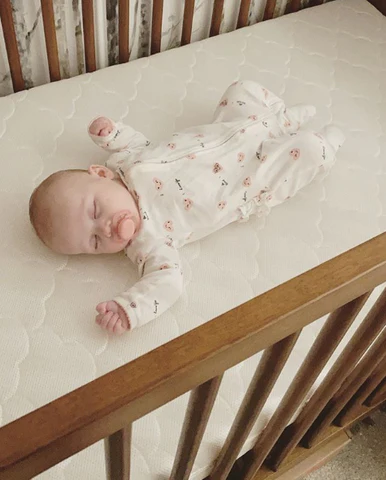
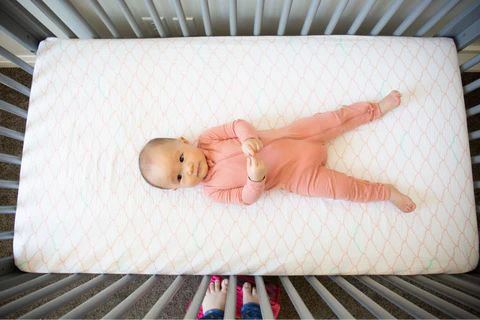
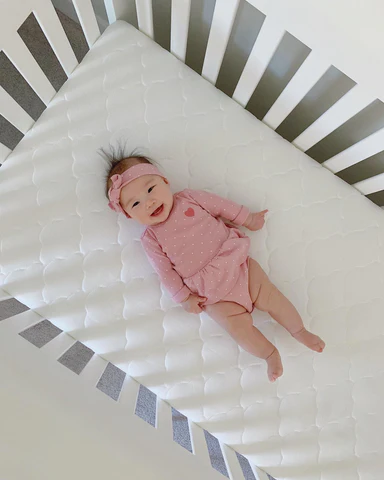
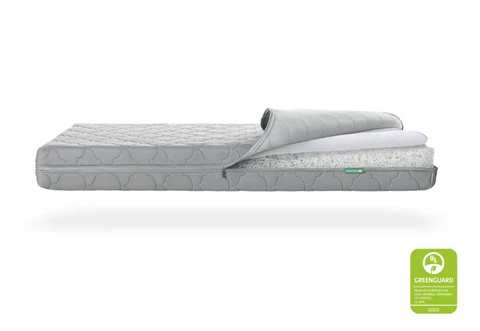
Newton Hush also emphasizes a bare crib setup: a firm mattress, a fitted sheet, and no loose blankets, toys, pillows, stuffed animals, or crib bumpers. It reports that the mattress should fit closely enough that no more than two fingers fit between the mattress and the crib frame.
The simplest routine is often the most repeatable: a short wind-down, a safe sleep space, and consistent timing. Nap schedules will keep changing, but watching for patterns can make those changes easier to handle before the whole day starts revolving around missed sleep.
Inspired by this post on Newton Hush.