
Choosing infant formula can feel like a high-stakes shopping decision, especially when labels emphasize organic ingredients, whole milk, European-style standards, gentle proteins, or fewer added oils. The more options parents see, the easier it is to assume there must be one perfect choice.
The more useful question is whether a formula is nutritionally complete, fits the baby’s needs, and can be used consistently. Drawing on information reported by hibobbie Blog, here is a practical way to compare formula without turning every burp, bottle, or fussy evening into a reason to start over.

Start With Safety, Then Look at Fit
According to hibobbie Blog, there is no single best baby formula for every infant. The source notes that infant formulas sold in the United States must meet strict nutritional standards, so the core question is usually not whether a standard formula can nourish a baby, but which product a family feels comfortable using and which one the baby tolerates well.

That distinction matters. Ingredient differences can be meaningful to parents, but they do not automatically mean a baby needs a different formula. If a baby is feeding comfortably, producing regular wet diapers, and gaining weight along their growth curve, the formula is doing the job it is meant to do.
What Formula Labels Are Really Signaling
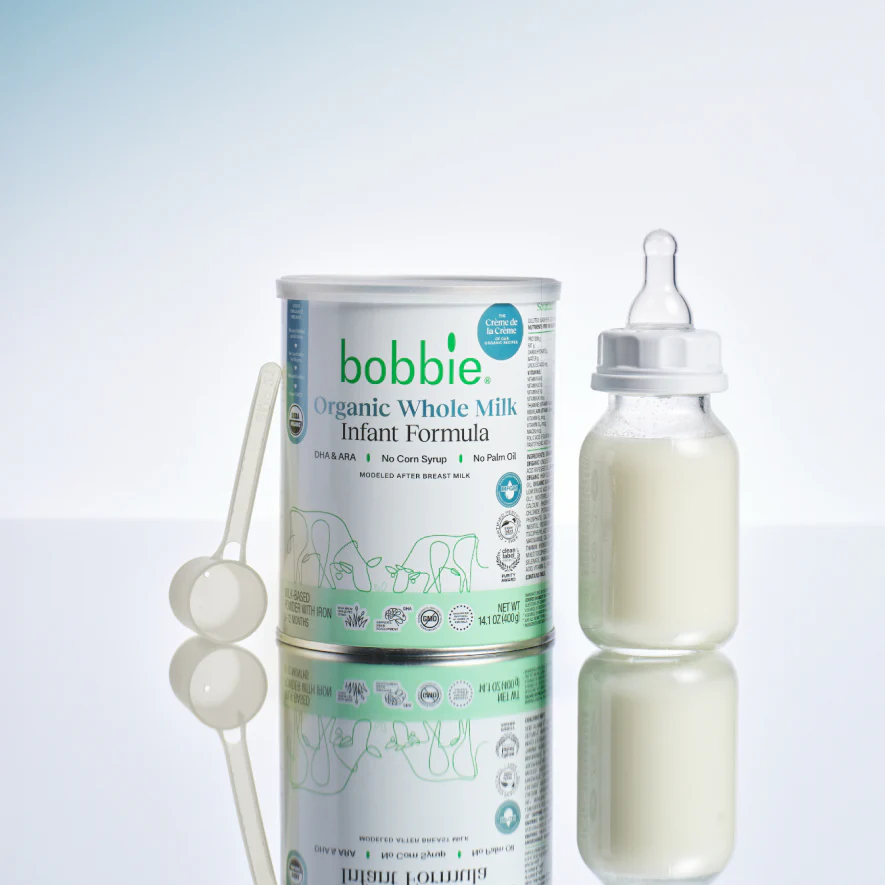
Formula labels often highlight how the product is made. hibobbie Blog points to several common differences: organic versus conventional ingredients, whole milk versus skim milk with added vegetable oils, and American versus European regulatory approaches.

In the United States, the source says infant formula is regulated by the FDA, while European formulas are overseen by the European Food Safety Authority. It also reports that both systems are intended to ensure formulas are nutritionally complete and safe, although they differ in some ingredient and additive standards. For parents, that means the choice is often less about one region being safe and the other unsafe, and more about ingredient philosophy.
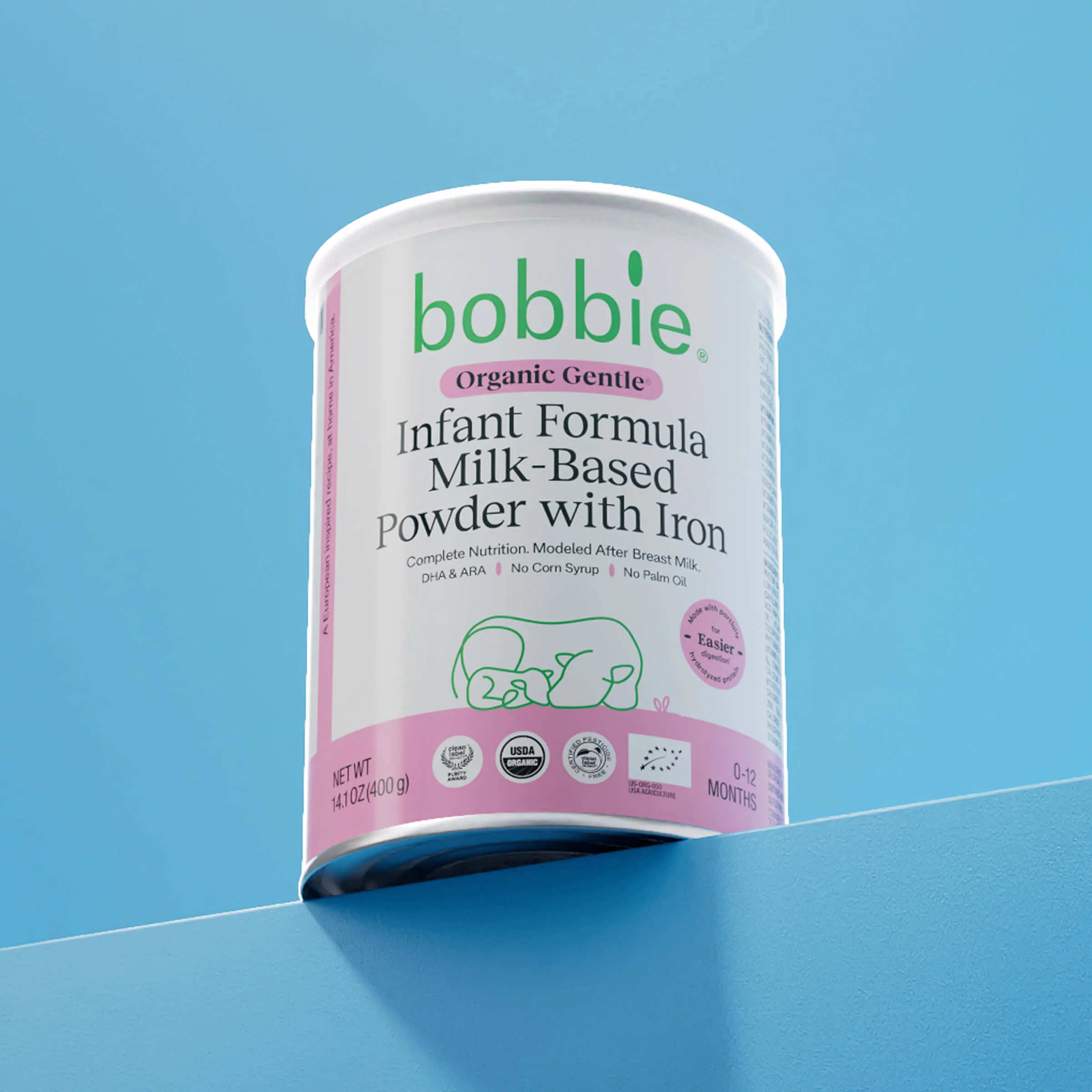
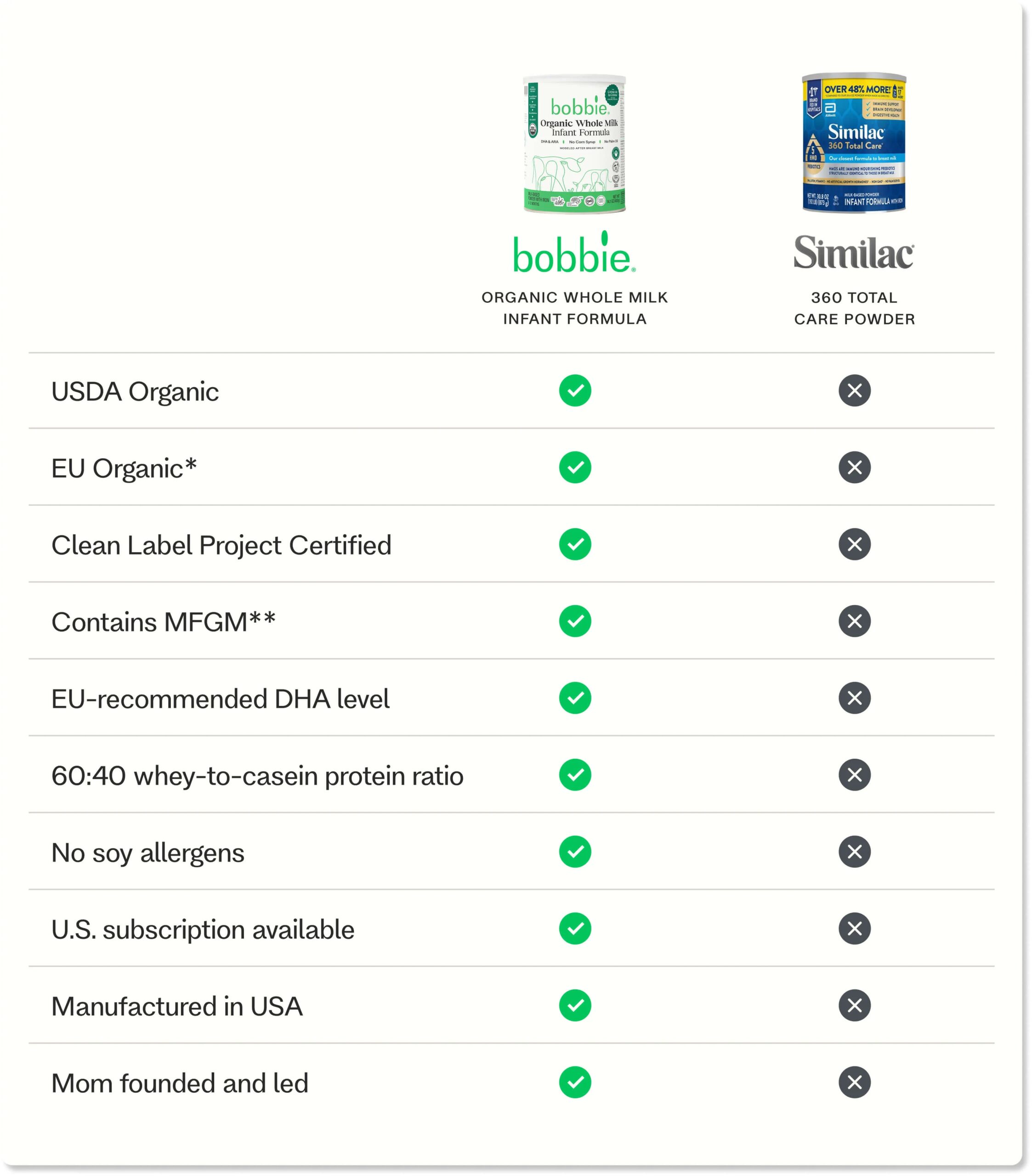
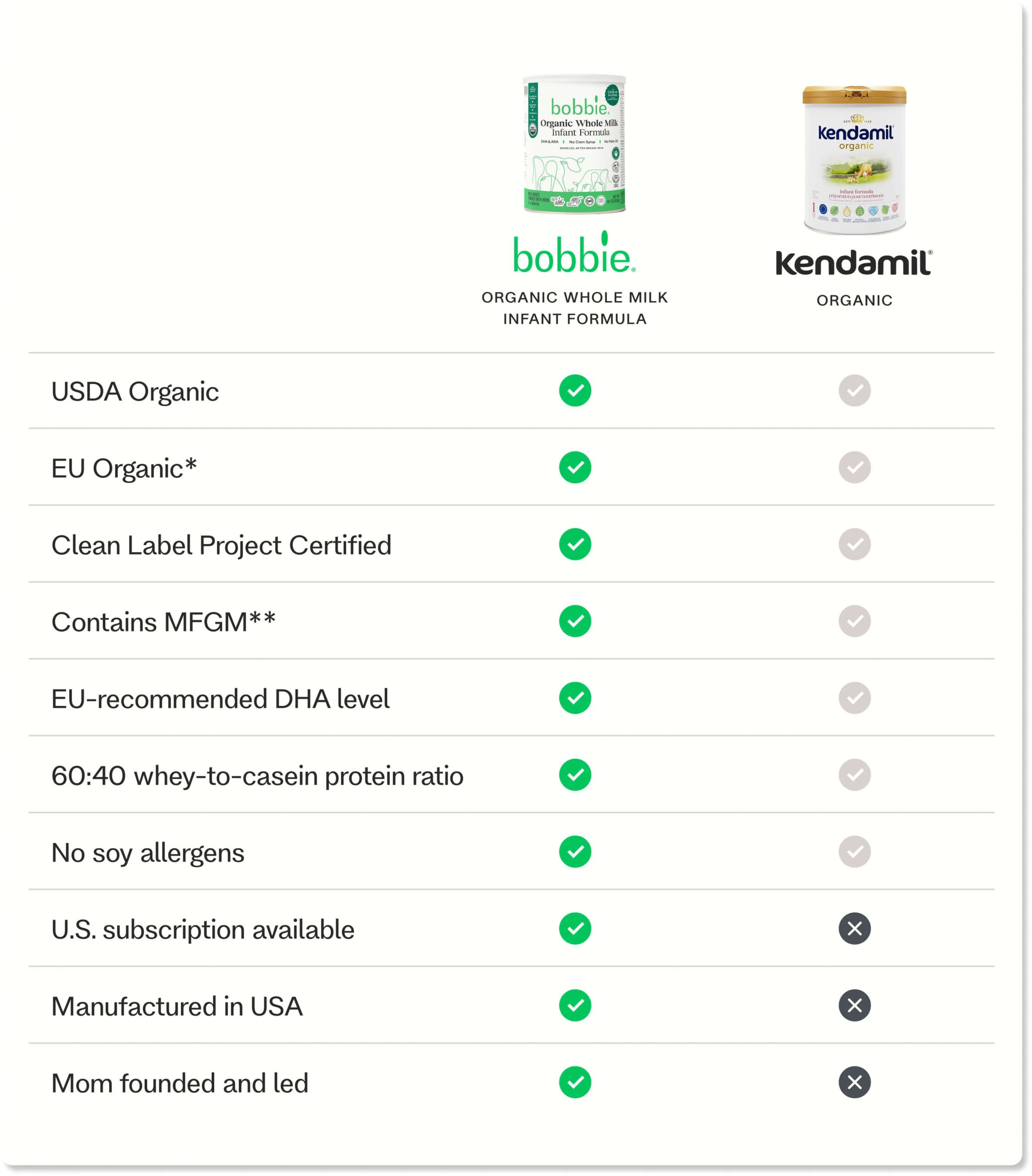
Organic certification is another place where wording matters. According to the source, USDA Organic certification means agricultural ingredients are produced without synthetic pesticides, herbicides, antibiotics, or genetically modified organisms. By contrast, terms such as natural or clean are marketing language rather than regulated certification. That does not mean conventional formula is a poor choice; it means organic certification gives parents one more concrete comparison point.

Whole Milk, Added Oils, and Fat Sources
Fat is essential in infant nutrition, so formula must include an appropriate fat blend. hibobbie Blog explains that many formulas use skim milk along with plant-based oils such as soybean, palm, coconut, or sunflower oil. Whole milk formulas use whole milk as a primary fat source, which means natural milk fat is already part of the base.

The source reports that whole milk formulas may require fewer supplemental oils because milk fat is already present, and that milk fat more closely resembles the fat composition found in breastmilk. Still, it also notes that all formulas contain added oils to help match the fatty acid needs of infants, including omega-3 and omega-6 fatty acids.
So for parents worried about seed oils, the practical move is not to search for a formula with no added oils. Based on the source’s explanation, that is not realistic for infant formula. A better approach is to read the ingredient list, understand where the fat is coming from, and keep the overall nutritional purpose in view.

Combo Feeding Is a Normal Feeding Strategy
Supplementing with formula is not a failure. hibobbie Blog describes combination feeding, using both breastmilk and formula, as common for many families. Some babies are exclusively breastfed, some are exclusively formula-fed, and many receive both. The important outcome is that the baby is fed, growing, and supported by an approach the family can sustain.
The source also says breastmilk and prepared formula can be combined in the same bottle. The order matters: formula powder should first be mixed with water according to the package directions, and breastmilk can be added afterward. Breastmilk should not be used as the liquid for mixing formula powder because that can make the bottle too concentrated.

When Symptoms Mean Pause Before Switching
Gas and spit-up are common in early infancy, and hibobbie Blog cautions that they do not always mean the formula is the problem. Feeding pace, nipple flow, and swallowed air can all contribute to discomfort. Before changing formulas, parents can look at how quickly the baby is feeding, whether the nipple flow seems too fast or too slow, and whether burping or paced feeding helps.
If a formula change is made, changing one thing at a time makes it easier to see whether the new formula actually helps. The source specifically says persistent symptoms such as blood in the stool, poor weight gain, or severe discomfort should be discussed with a pediatrician.
Key Takeaways for Formula Decisions
- A working formula is one that supports steady growth, comfortable feeding, and regular diaper output.
- Organic certification has a regulated meaning; broader words such as natural do not carry the same weight.
- Whole milk formulas may reduce reliance on supplemental oils, but all formulas still use fat blends to meet infant nutrition needs.
- Formula and breastmilk can go in the same bottle, but formula powder should be prepared with water first.
- Frequent switching can make it harder to know what is helping, so stability matters once a baby is doing well.
The clearest formula choice is rarely the one with the most impressive label. It is the one that meets nutritional requirements, fits the family’s priorities, and keeps the baby growing comfortably, with a pediatrician involved whenever symptoms or feeding concerns move beyond the everyday range.
Inspired by this post on hibobbie Blog.