Traveling with a formula-fed baby is mostly a planning problem: what to pack, where to keep it, and how to prepare a bottle when the normal kitchen setup is not available.
Using hibobbie Blog as the source, this guide reorganizes the practical advice into the choices parents actually face before a flight or road trip, from powder versus ready-to-feed formula to airport screening and dirty bottle parts.
Start With the Type of Formula You Are Carrying
The first decision is format. According to hibobbie Blog, powdered formula is usually easier to transport because it takes up less room and does not require refrigeration before mixing. That makes it useful for longer travel days, especially when measured portions are packed ahead in a dispenser or compartmented container.
Ready-to-feed and liquid concentrate formulas reduce measuring and mixing, but the tradeoff is bulk. The source notes that these options add weight and volume, and opened leftovers need refrigeration. Prepared bottles can be convenient, but hibobbie Blog frames them as best for short windows of two hours or less when temperature can be managed.
For organization, the source recommends clear labels on formula containers, bottles, pouches, and other feeding items. That matters most when more than one caregiver may be feeding the baby or when similar containers are packed together.
Pack for Delays, Not Just the Itinerary
A travel plan rarely reflects the full day a parent ends up having. Flights are delayed, traffic stretches, bottles spill, and babies may want to eat earlier than expected. Hibobbie Blog suggests packing more formula than the planned feedings require, ideally one and a half to two times the expected amount.
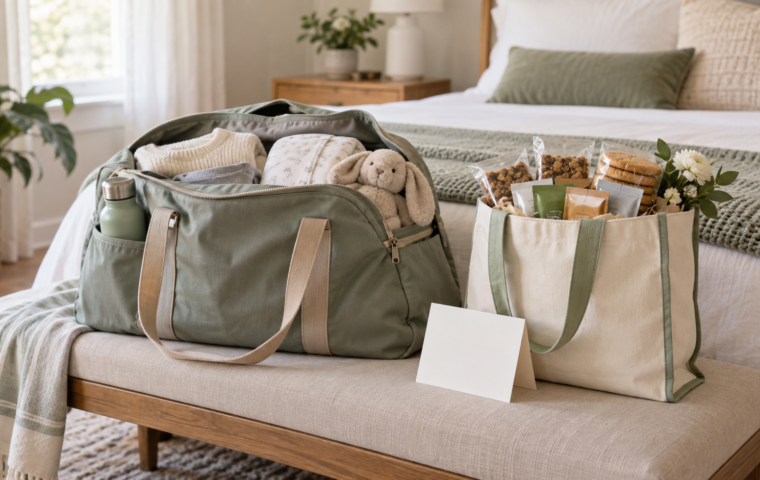
It also helps to separate essentials from backups. Keep the formula, bottle, water or other feeding tools needed during the travel window in a diaper bag or carry-on. Backup formula and extra containers can go in checked luggage or another bag, depending on the trip. The practical goal is simple: one missed bag or one messy bottle should not derail the next feeding.
- Key takeaways: Powdered formula is compact and does not need refrigeration before mixing.
- Ready-to-feed and liquid options are convenient but heavier, and opened leftovers need cold storage.
- Prepared bottles are best kept to short windows when temperature can be controlled.
- Extra formula, labels, and a plan for used parts reduce avoidable stress.
What Changes at Airport Security
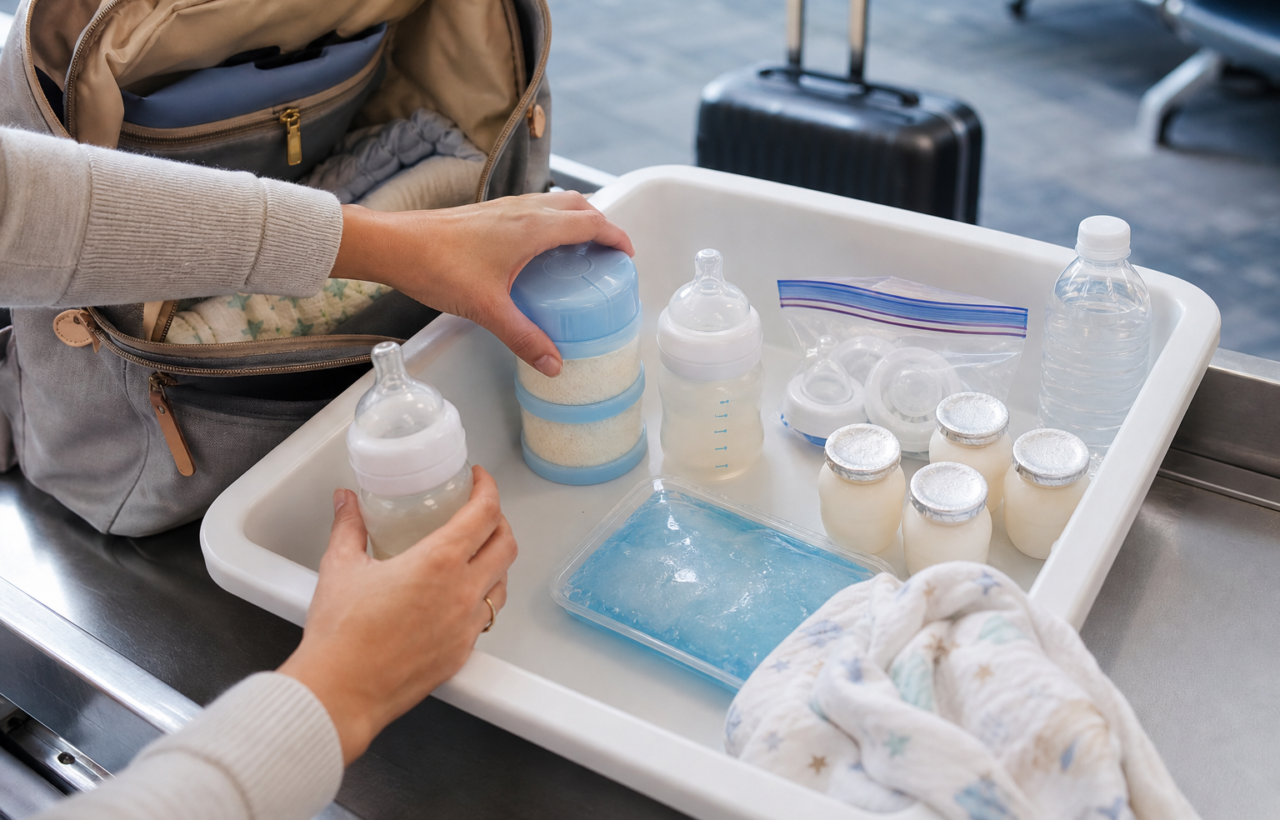
Air travel adds one major variable: screening. Hibobbie Blog reports that TSA allows baby formula, breast milk, and water in amounts greater than standard liquid limits because they qualify as medically necessary liquids. The source says this can include powdered formula, liquid formula, prepared bottles, bottled water for mixing, and cooled boiled water.
The source recommends declaring formula, water, or breast milk at security and placing those items in a separate bin. Parents should also allow extra time because screening may include visual checks, vapor testing, swabbing, or X-ray screening.
Sealed ready-to-feed formula deserves extra thought. Hibobbie Blog advises packing it in original packaging and near the top of the bag. The source also notes that officers may inspect liquids more closely and may ask to open containers or use test strips. Because opening a sealed container can affect sterility and start the clock on use, the article says parents do not have to agree to opening liquid ready-to-feed formula.
Feeding During Flights and Road Trips
On planes, hibobbie Blog suggests offering a bottle or breastfeeding during takeoff and landing to help with ear pressure. For formula mixed from powder, the source states that freshly prepared bottles are good for up to two hours at room temperature. If using only part of a ready-to-feed container, the remaining formula needs safe cold storage, such as an insulated cool bag or cooler bag with gel packs.
In a car, parents have more control over stops, but temperature is still the central issue. The source warns against storing formula in direct sunlight or near heat inside the vehicle. For prepared formula on trips longer than two hours, or opened liquid formula, hibobbie Blog recommends a cooler bag with an ice pack and monitoring bottles during stops.
Road trips also require a safety pause: hibobbie Blog says it is not recommended to bottle-feed a baby while the car is moving. Planning stops around feeding windows gives the caregiver time to clean hands, prepare the bottle, and settle the baby securely afterward.
Prepare Bottles With Cleanliness in Mind
Formula preparation on the go works best when the steps are reduced before the trip begins. Pre-measured powder, bottled water, clean bottles, and a dedicated dispenser can make the process less messy. Hibobbie Blog also points to portable insulated containers and mixing systems, including Bobbie’s Hot-to-Go Bottle, as tools meant to store warm water and help with direct mixing while traveling.
The source gives two reasonable approaches: mix ahead when the feeding window is predictable and the bottle will be used within two hours or kept cool between 35 and 40 degrees Fahrenheit, or mix on demand when plans are less certain. Either way, accurate measuring still matters.
Used parts need their own plan. Hibobbie Blog recommends zip-top gallon-size bags or another plastic bag for used, dumped, or rinsed bottle parts until proper cleaning is possible. That small piece of organization keeps clean feeding items separate from everything that has already been used.
The larger lesson is not to recreate the home routine perfectly. It is to protect the parts of the routine that matter most: enough formula, safe temperatures, clean tools, and a realistic place to feed the baby.
Inspired by this post on hibobbie Blog.