You remember the lockers, lunch tables, first-day nerves and classroom chaos. Now you want a back-to-school movie that brings those feelings back without turning family movie night into two hours of explaining jokes to a toddler.
The best choice depends on who is really watching. For a family with a baby or young toddler, the film may be mainly for the adults. That is fine. Build the evening around your child’s actual stage, then let the nostalgia belong to you.
Decide who the movie night is for
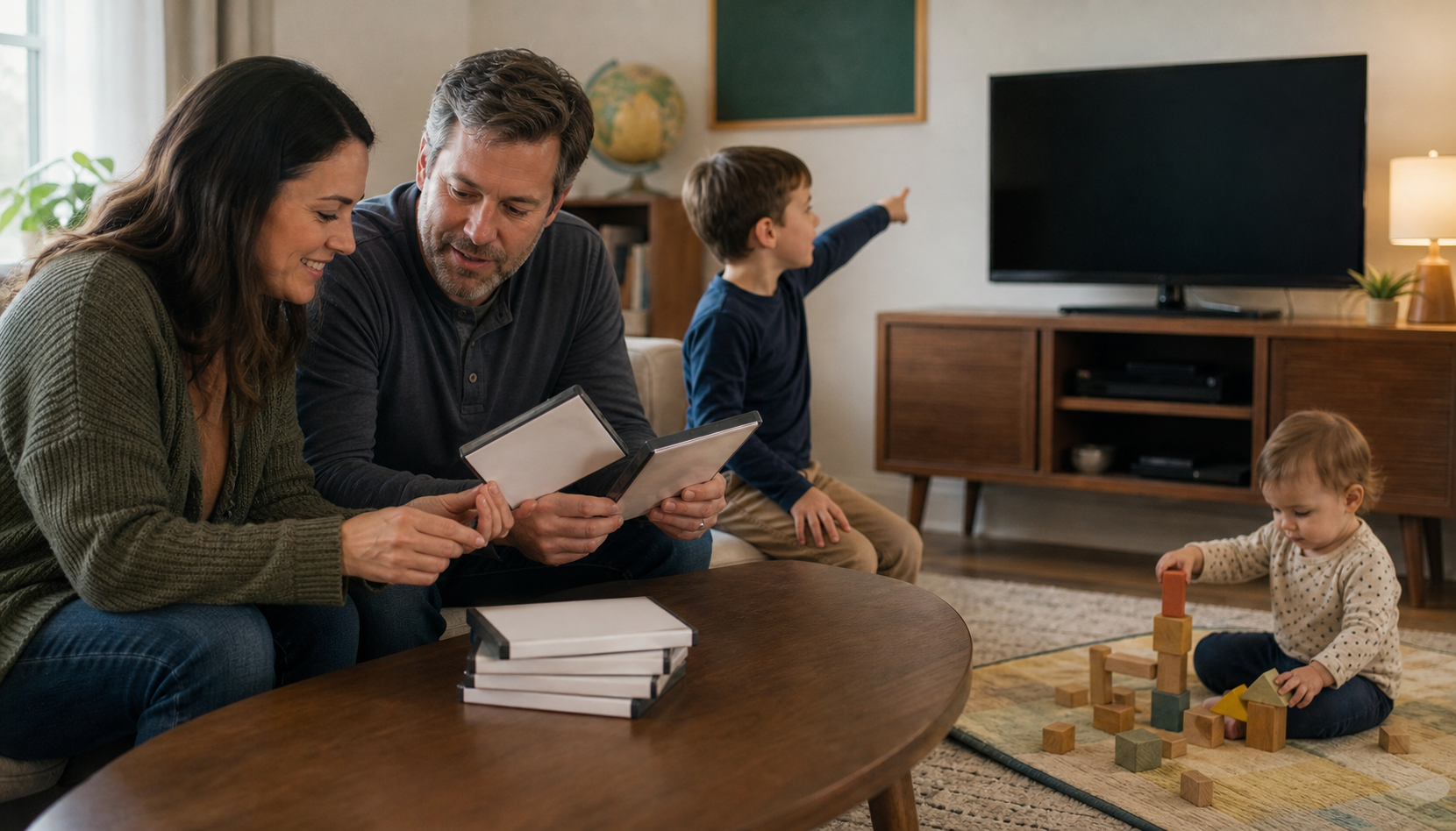
Start with one honest question: do you want an adult nostalgia night, a movie an older sibling will enjoy, or a first family tradition for your youngest child?
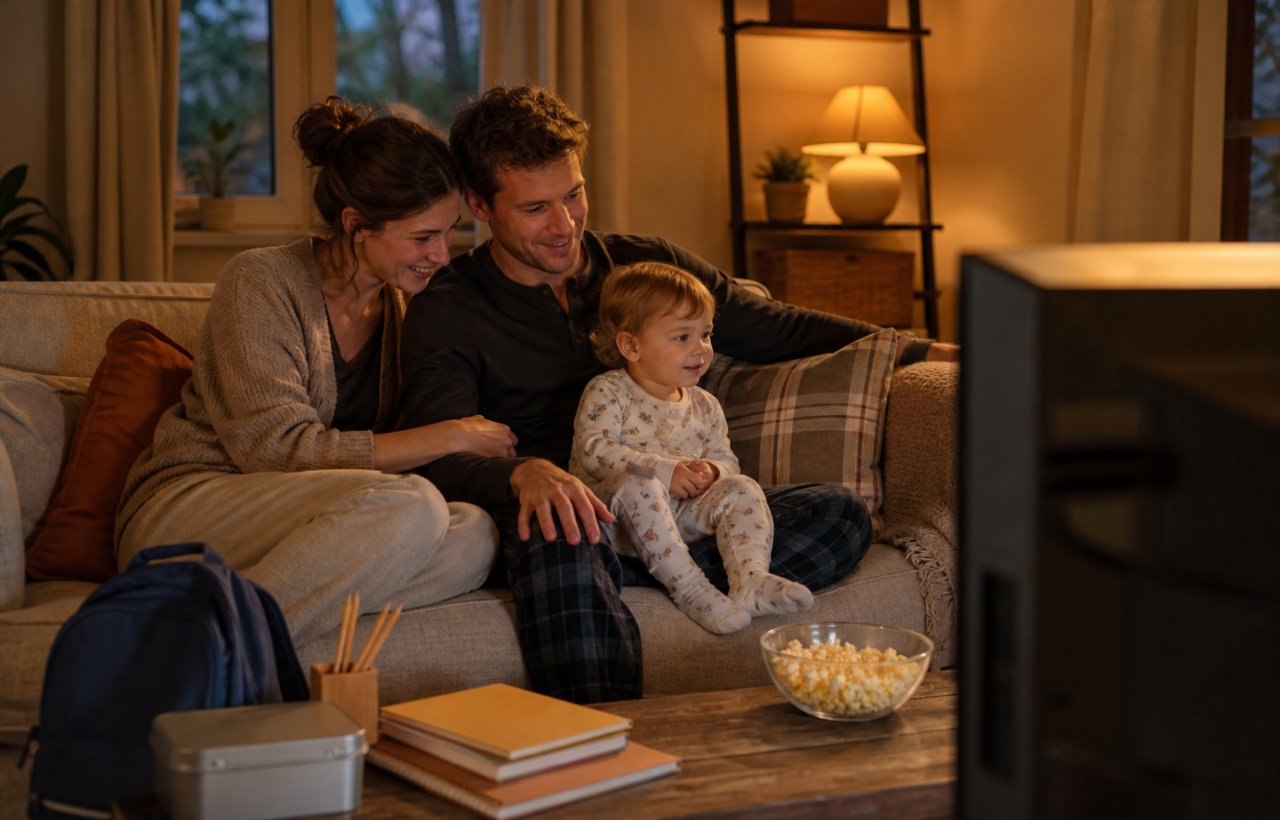
Those are different plans. A baby does not need to understand the plot for the evening to feel special, while a young toddler may care more about sitting with you, having a familiar snack and seeing a few lively scenes than reaching the ending.
- For the adults: choose the movie you genuinely miss and watch it after bedtime or during a dependable sleep window.
- For a mixed-age family: choose for the oldest child who will actively watch, then make a separate play space for the youngest.
- For a baby or toddler ritual: treat the movie as background to a short, repeatable family evening. Do not make finishing it the goal.
If you need ideas, begin with these 15 classroom-centred nostalgic picks. Make a shortlist based on what your household will enjoy, rather than choosing only because a title reminds you of childhood.
Check the movie you remember, not the movie you imagine
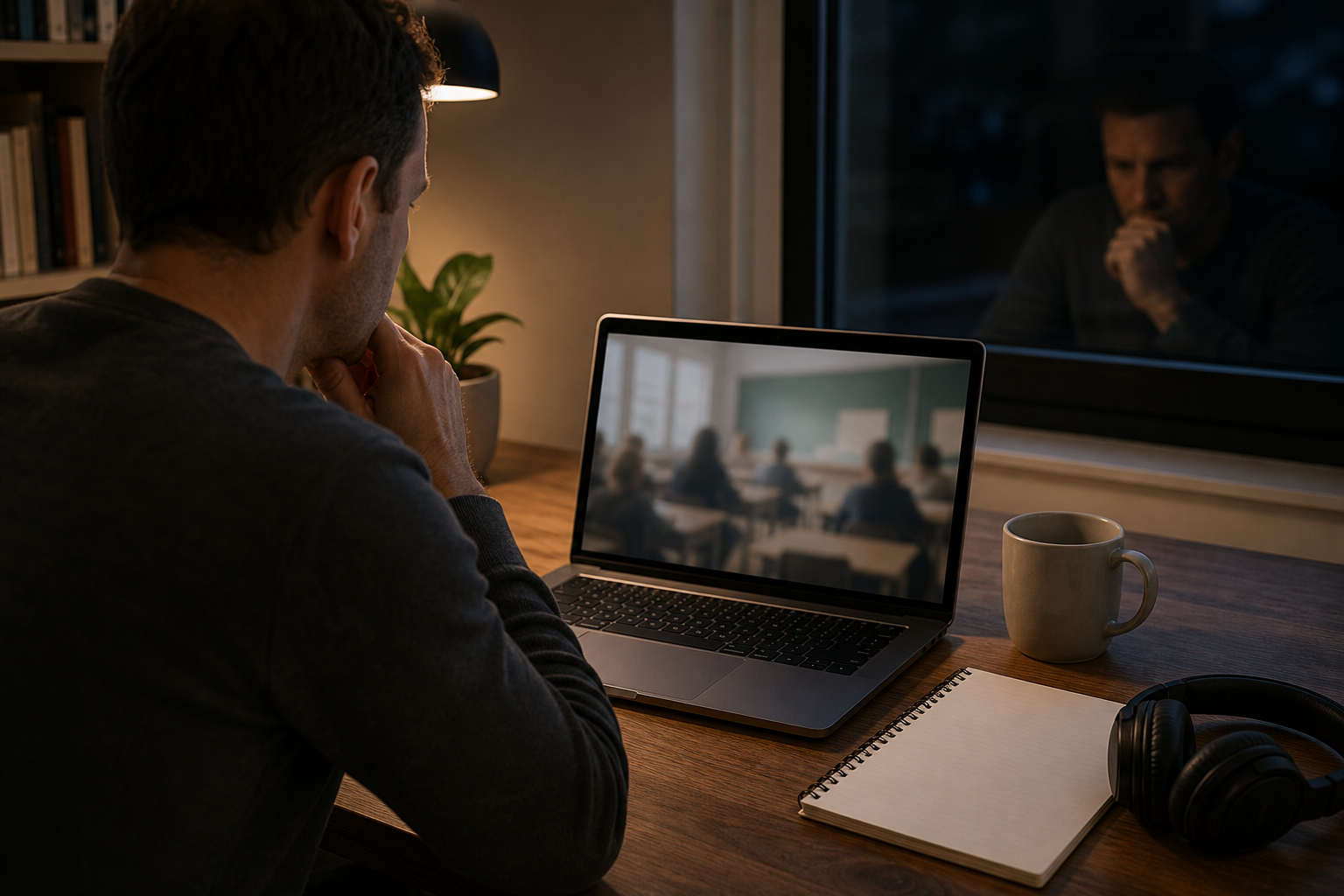
Nostalgia edits. You may remember a triumphant ending and forget the bullying, frightening moment, dated stereotype or joke that would make the room uncomfortable now. A familiar title still deserves the same check you would give an unfamiliar one.
Before movie night, read the current rating information and a detailed content description. Then check the particular elements that matter in your home:
- How intense are the school conflicts, teasing or threats?
- Are there loud or visually frightening scenes?
- Is the humour understandable without repeated explanations?
- Would you be comfortable discussing the characters’ behaviour with an older child?
- Does the running time fit the evening you actually have?
A rating is a filter, not a complete decision. It cannot tell you whether your child is especially bothered by conflict, noise or separation scenes. Your knowledge of your child matters more than your affection for the film.
Make the evening work for a child under three
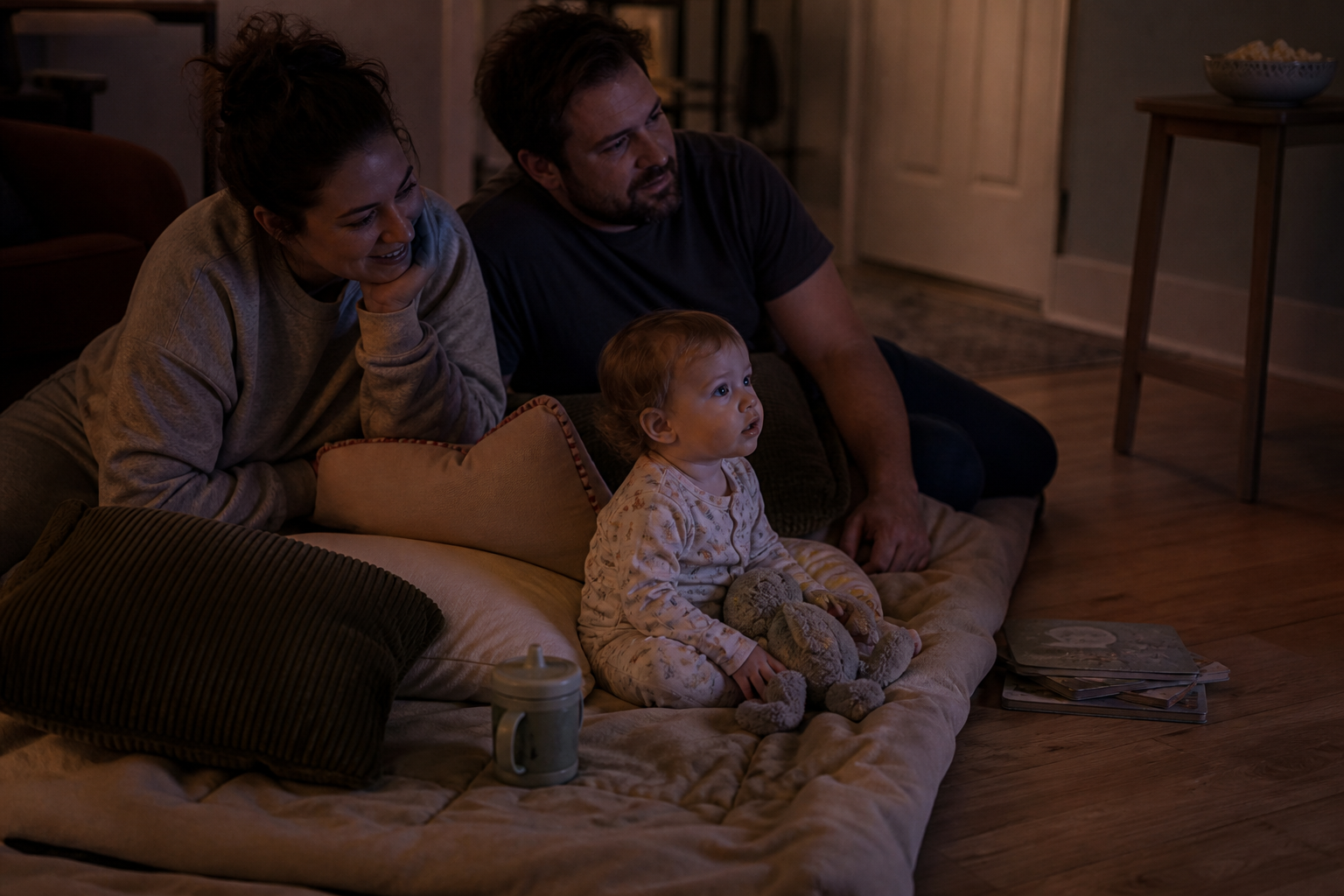
A school story is built around a world your baby or toddler has not entered. Trying to keep them focused on the entire plot can turn a pleasant idea into a struggle. Instead, make the shared experience concrete and flexible.
- Start at the child’s normal time. Do not delay sleep to create a more cinematic evening.
- Set up an alternative activity. Keep a few quiet toys or board books nearby so watching is optional.
- Choose a natural stopping point. Pause when your child loses interest, becomes restless or needs the usual routine.
- Keep food simple. Serve something already familiar and suitable for your child rather than introducing a special snack that requires constant supervision.
- Save the rest for later. The adults can continue after bedtime or finish the movie on another evening.
This approach also removes the pressure to find one title that works equally well for every age. The family can share the opening part of the evening without expecting the youngest person in the room to behave like an older child.
Key takeaways
- Choose the audience first: adults, older siblings or the whole household.
- Recheck a childhood favourite for tone and content instead of relying on memory.
- For a baby or toddler, make participation optional and protect the normal routine.
- Plan for pauses, movement and an early ending before you press play.
- Use nostalgia as the theme of the evening, not as proof that a movie suits your child.
Turn one movie into a small back-to-school tradition
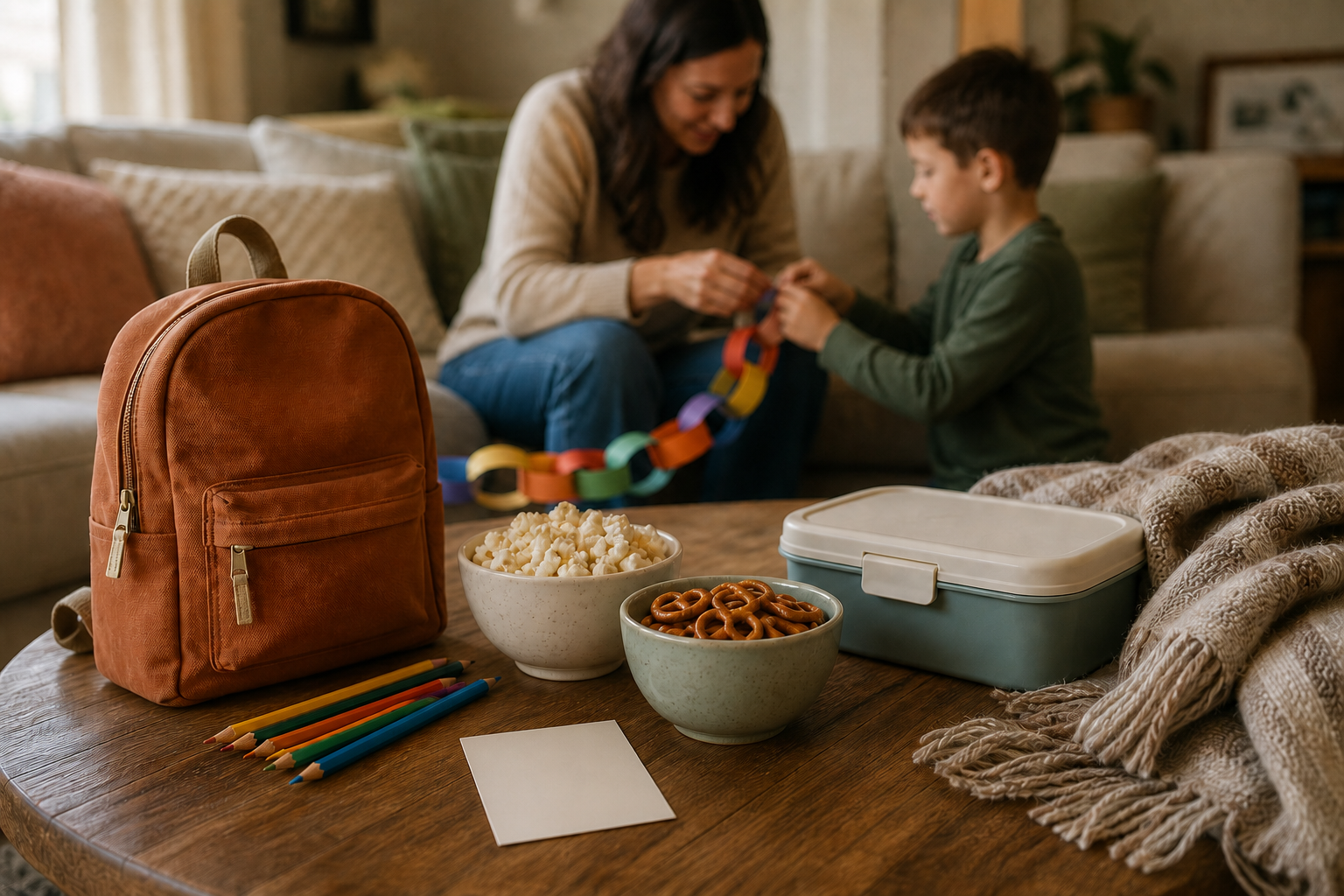
The film does not have to carry the whole occasion. Add one simple ritual that can survive changing ages and attention spans: take a first-day-style family photo, let an older child choose between two shortlisted movies, or put a favourite school-themed book beside the remote for the youngest.
Keep the ritual small enough to repeat. A complicated themed night creates more work at a busy point in the year, while one movie, one familiar snack and one photo are easy to bring back. As your child grows, they can take a larger role in choosing the title and talking about what happens at school.
For this year’s movie night, pick two suitable options, check their content, and decide in advance when your youngest child will leave the viewing area. Once those decisions are made, you can relax into the part you came for: revisiting a school-day story while beginning a tradition that belongs to your family.
References