

You’re standing in Costco with a baby-care list, a firm spending limit and packages that all seem to promise value. The useful question isn’t which box is biggest. It’s which package priced under $15 your household can finish safely, store easily and use without inventing a new routine.
A fixed price ceiling can keep individual purchases manageable, but it cannot tell you whether a product belongs in your cart. Use the plan below to separate practical family staples from inexpensive-looking clutter.
Give every package under $15 one clear job
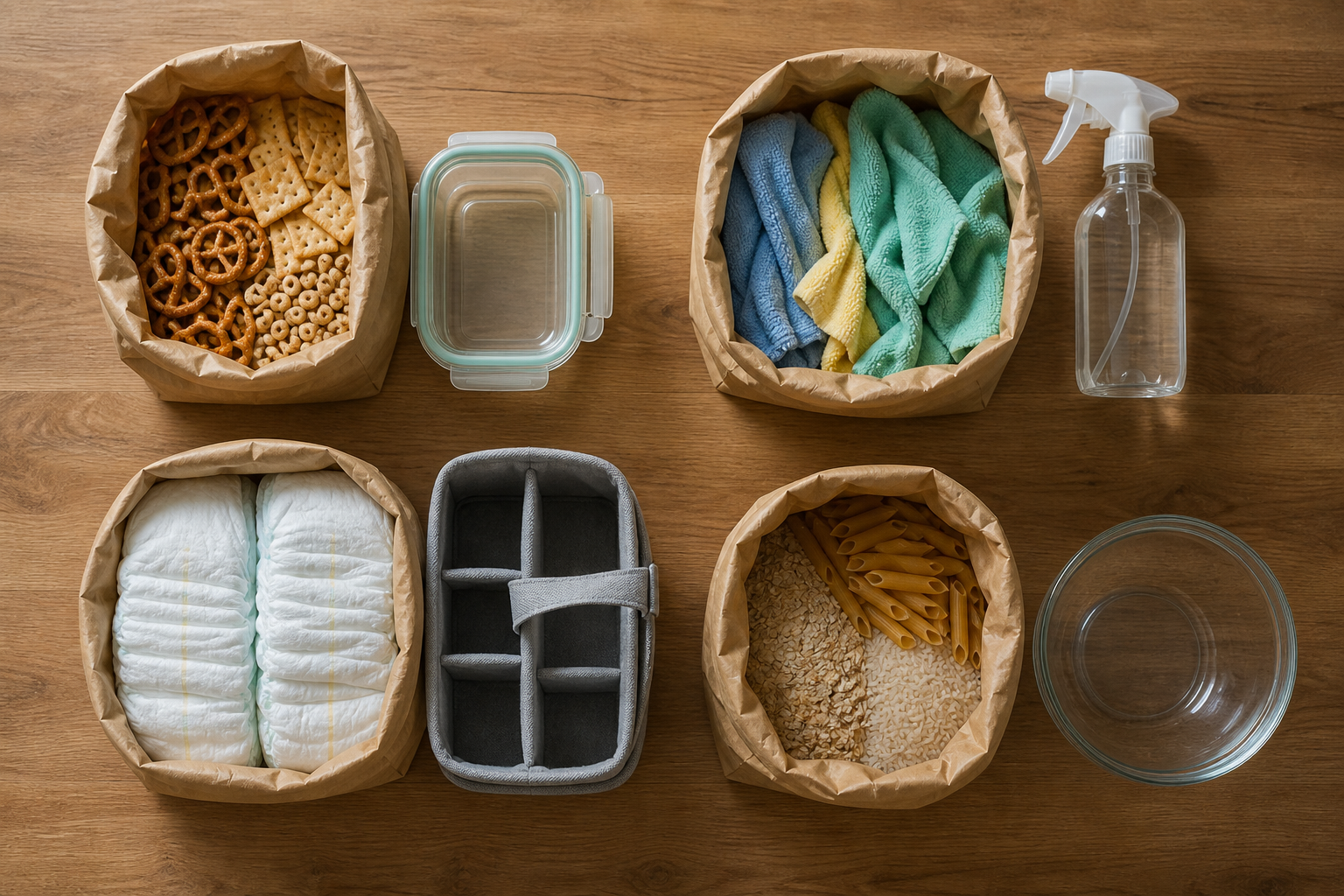
Begin with a household need, not the display at the end of the aisle. A bulk package deserves space when it replaces something you already buy, solves a predictable gap or gives you a realistic backup for a busy day.
Look for products that can fill one of these roles, provided the current shelf price is below your limit:
- Breakfast anchor: Oats, cereal or another simple staple qualifies when it is already part of your family’s morning routine. A large package is less useful when it requires everyone to adopt a new breakfast.
- Meal builder: Pasta, rice, canned tomatoes or beans can support different meals. Versatility counts only if you already cook with the ingredient and know what you will make from it.
- Snack component: Choose something you can combine with foods you normally serve rather than a novelty that becomes the entire snack plan. For a young child, suitability also depends on ingredients, texture and preparation.
- Caregiver backup: A shelf-stable food the adults will actually reach for can be more valuable than another child-focused snack nobody finishes.
- Extra-people buffer: Keep one dependable option for visits or shared meals. This is especially useful in July, when children are home, cold drinks disappear quickly and an ordinary weekend can unexpectedly mean feeding six extra people.
An item with no defined job is not a deal. If buying it requires a new recipe, new storage containers and a new family habit, leave it on the shelf until you have a specific plan.
Measure usable value instead of admiring the package size
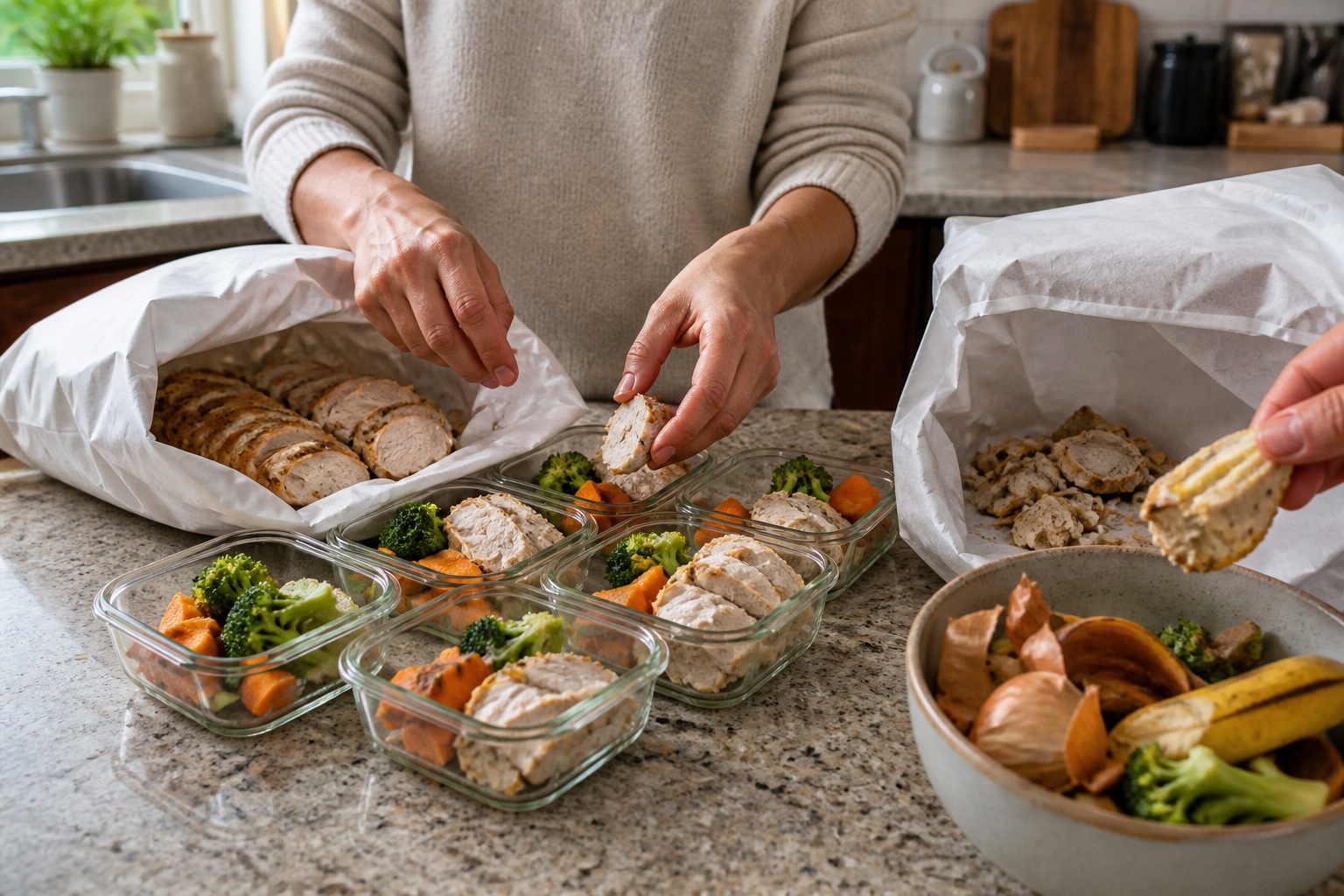
The under-$15 rule controls the price of one package. It does not control the total cart, and it does not guarantee that you will use what you buy. Several inexpensive impulse purchases can consume the budget that was meant for diapers, wipes or planned groceries.
Usable cost is the shelf price divided by the amount your household is likely to consume. This is more helpful than the printed unit price when part of the package is unsuitable for your child, unpopular with the adults or likely to go stale.
| Decision test | Good reason to buy | Reason to leave it |
|---|---|---|
| Repeat-use test | Your household has recently finished the same food or a close substitute. | You hope the package will create a new habit. |
| Replacement test | It removes another planned item from your next grocery list. | It is an addition rather than a replacement. |
| Finish test | You can name the meals or snack occasions that will use the package. | Your plan ends after opening it. |
| Storage test | You know where it will live before and after opening. | You are relying on finding space later. |
| Family-fit test | The adults will eat it, and any portion intended for your child can be prepared safely. | Its value depends on your baby or toddler accepting an unfamiliar flavour or texture. |
Do not let the package’s listed serving count do all the thinking. Your family may use a different amount at breakfast, in a recipe or during a snack. Estimate from your real routine instead.
Check the current warehouse shelf tag before committing. Treat $15 as your checkout ceiling, not as a promise that a product seen on an older shopping list will still qualify. If an unplanned item enters the cart, decide what planned purchase it replaces. If it replaces nothing, it is increasing the bill rather than saving money.
Decide where the bulk package will live before checkout
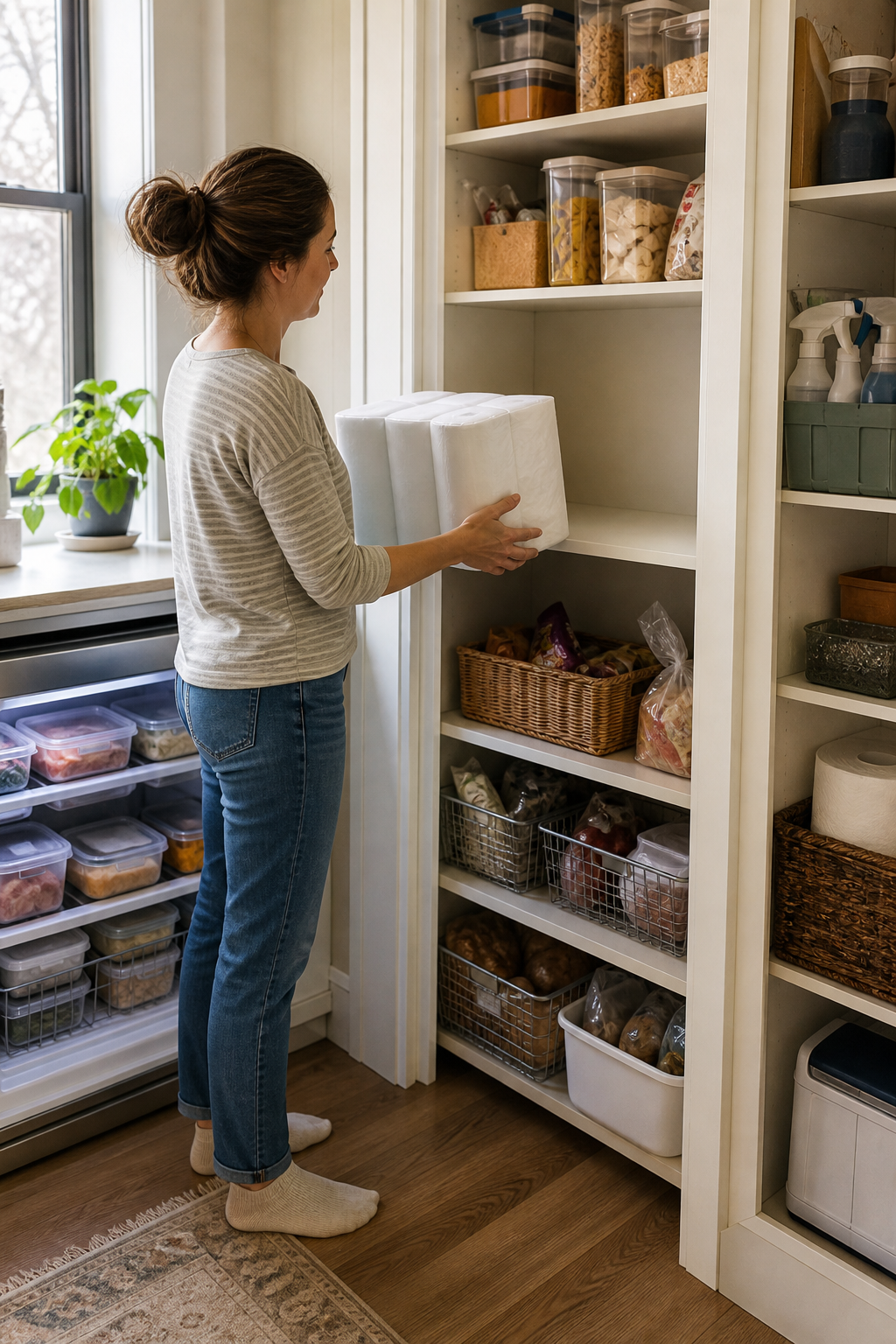
Storage is part of the price. A package that blocks your counter, gets buried in a cupboard or fills freezer space needed for meals carries a practical cost even when its shelf tag looks attractive.
Before putting a package in the cart, complete this sentence: “Unopened, it will live here. After opening, it will live here.” If you cannot fill both blanks, the package is probably too large for your home.
- For pantry goods: Confirm that the package can be resealed or that you already own a suitable food-safe container. Do not add the cost of new organizers to an allegedly inexpensive purchase without acknowledging it.
- For refrigerated or frozen goods: Check the space that is actually available, not the space you might create later. A freezer-friendly food is not helpful when the freezer is already full.
- For split packages: Keep a working amount within easy reach and leave the reserve sealed when the packaging allows it. This reduces repeated exposure to air and makes the open amount easier to see.
- For decanted food: Retain the product name, ingredient and allergen information, preparation directions and date information from the original packaging. Keep the label with the container or save a clear image you can identify later.
- For products that need using soon: Place them in a visible “use next” area instead of behind newer groceries. Visibility is more useful than a perfect-looking pantry if it prevents forgotten food.
Do not plan around an imaginary future appetite. Sleep disruptions, teething, illness and changing preferences can make food routines unpredictable with a child under 36 months. Shelf-stable or easily portioned options are often easier to manage than a large package that demands steady consumption.
Put your youngest eater through a separate safety check

Children from birth to 36 months are not one feeding group. A food that works for an older toddler, another child or an adult may be unsuitable for a baby. Bulk value never overrides age-appropriate preparation, ingredient checks or the directions on the package.
- Check the texture: Ask whether the food can be prepared in a form your child can currently manage. Some whole, hard or round foods can present a choking hazard to babies and toddlers. Do not serve them unchanged merely because they came in a convenient package.
- Read the ingredients: Review ingredient and allergen information for the exact product. Pay particular attention to variety packs because different flavours may contain different ingredients.
- Plan the preparation: Buy only when you can cut, soften, cook or otherwise prepare the food appropriately every time it is served. Convenience disappears when safe preparation does not fit your routine.
- Plan the serving: Close supervision and age-appropriate portions still matter. The pressure to finish a large package is never a reason to serve a food more often or in a form that is not suitable.
- Secure the packaging: Store food, small lids, wrappers and loose pieces where a young child cannot reach them. The package may remain in your home much longer than a standard grocery size.
If your child has a diagnosed allergy, a swallowing or feeding difficulty, or a clinician-directed eating plan, use that plan as the deciding standard. When you are unsure whether a texture or ingredient is appropriate, skip the bulk purchase and ask your child’s clinician or a qualified dietitian before serving it.
Key takeaways for the Costco aisle
- Use $15 as a per-package ceiling, then verify the current shelf tag.
- Buy a bulk item only when it has a clear job in a routine your household already follows.
- Judge value by the amount your family will use, not by the size of the box or the printed unit price alone.
- Require an exact storage place for the unopened and opened package.
- Keep ingredients, allergens, directions and date information attached to any food you decant.
- Evaluate food intended for a baby or toddler separately from food that is economical for adults.
For your next trip, make a short note with the household job, the staple that could fill it and the place the package will be stored. Let an item into the cart only when it passes all three parts. That turns the under-$15 limit into a working family plan instead of permission to accumulate inexpensive extras.
References