If you are building your baby’s first bookshelf and watching the cost of every new book, check this program before buying a large stack. Through Dolly Parton’s Imagination Library, children under 6 can receive a new, high-quality book free each month.
The practical question is not just whether the program sounds worthwhile. You need to know what it offers, how to approach enrollment without making assumptions, and what to do with each book when your baby would rather chew the corner than hear the ending.
What your family can expect from the program
The central offer is straightforward: a child under 6 can get one new book each month at no cost. That makes the program relevant from the newborn stage through the preschool years, including the entire 0-to-36-month period.
Do not read the age limit as an automatic guarantee of enrollment, however. Before you tell your child that a book is coming, check the current registration information and complete any eligibility steps shown for your location. Age is the first question, not necessarily the only one.
It also helps to set the right expectation about scale. One monthly book can steadily build a home collection, but it does not need to replace the public library, borrowed books, gifts, or the books your child already loves. Use the program as a dependable addition to your reading life, not as a reason to wait for the next title before reading together.
How to approach enrollment without missing a step

Enrollment details can be updated, and the form in front of you should always outrank a remembered instruction. Work through the current process in this order:
- Open the current sign-up information and follow the enrollment route provided there.
- Confirm that your child meets the stated age requirement and that registration is offered for your location. Do this before entering personal information on an unfamiliar page.
- Enter your child’s and household’s details exactly as the form requests. Pay particular attention to names, birth information, contact details, and any address or delivery fields.
- Save the confirmation page, email, or reference number. Make a note of the date you registered so you have something concrete to use if you need to follow up.
- Read the confirmation for the next stated milestone. Do not assume that completing a form means a book will arrive immediately.
If the process does not clearly confirm enrollment, use the contact route shown on the registration page. Avoid submitting the same child’s information repeatedly unless the program directs you to do so; duplicate attempts can make it harder to tell which submission is active.
Once enrollment is confirmed, keep the confirmation with your other child-related records. If your contact or delivery information changes, return to the program instructions rather than assuming the old information will update automatically.
How to use each book from newborn days through toddlerhood
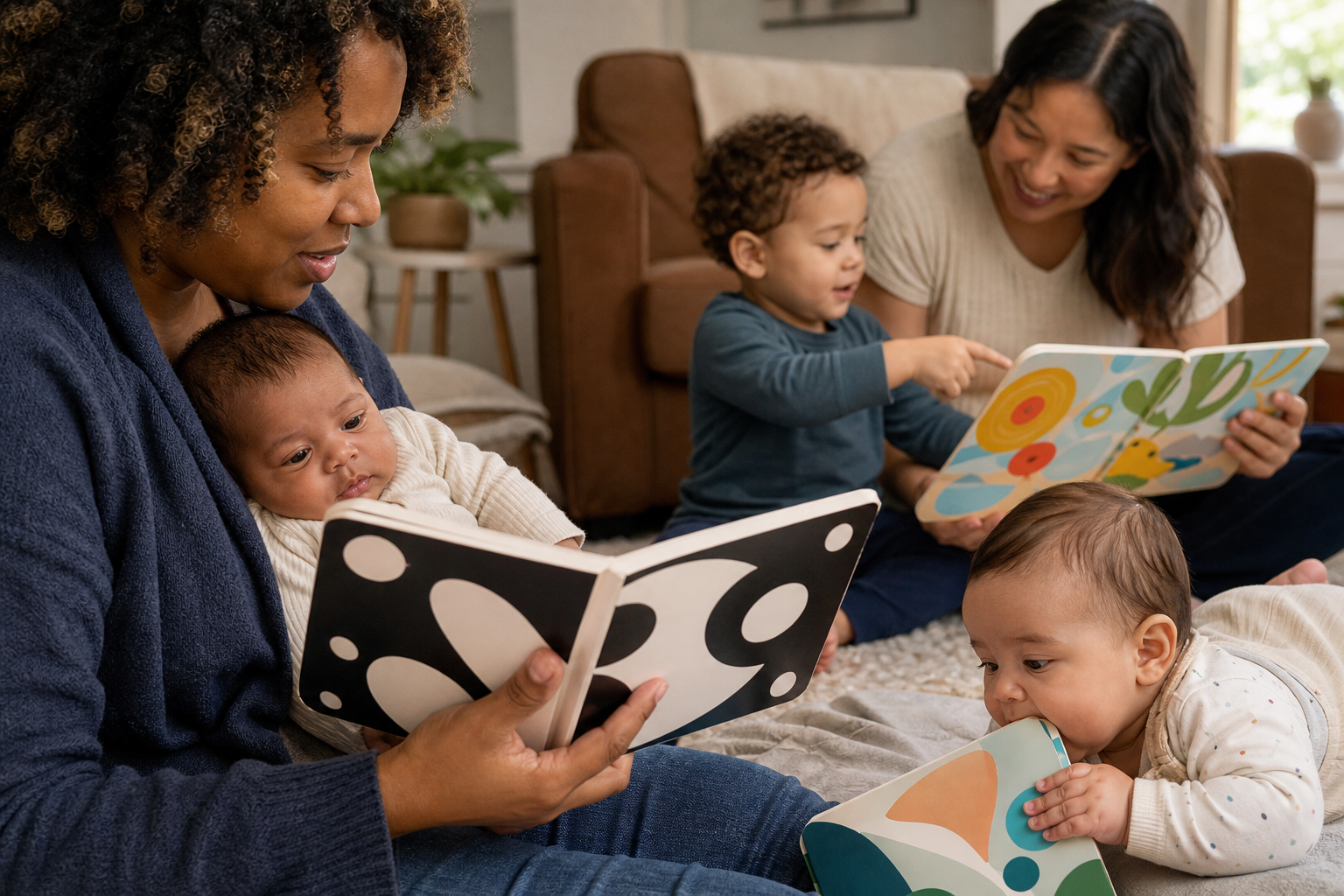
A free book is useful only if it fits into your actual day. You do not need a formal lesson, a silent room, or a child who will sit through every page. Match the reading to what your child can comfortably do right now.
With a newborn or young baby
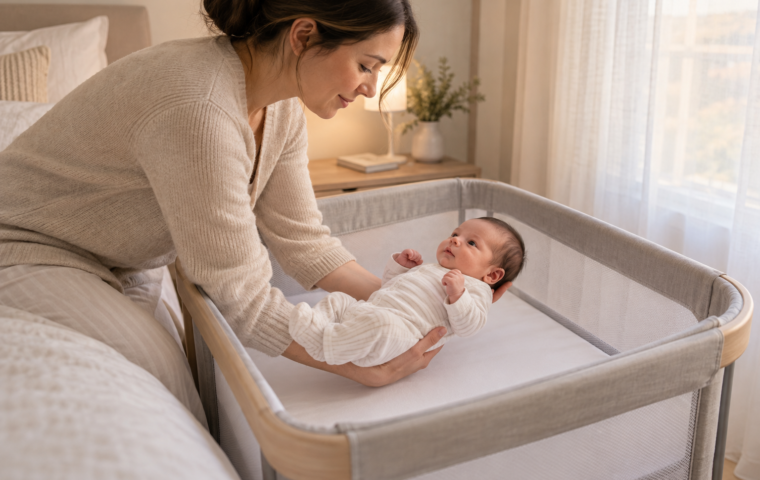
Hold the book where your baby can comfortably see it and read in your normal voice. You can name one picture, describe a colour, or repeat an interesting sound. If your baby looks away, becomes unsettled, or falls asleep, stop. Finishing the story is not the objective.
At this stage, the book can simply provide words and a calm point of shared attention. Returning to the same page on another day still counts as reading together.
With an older baby
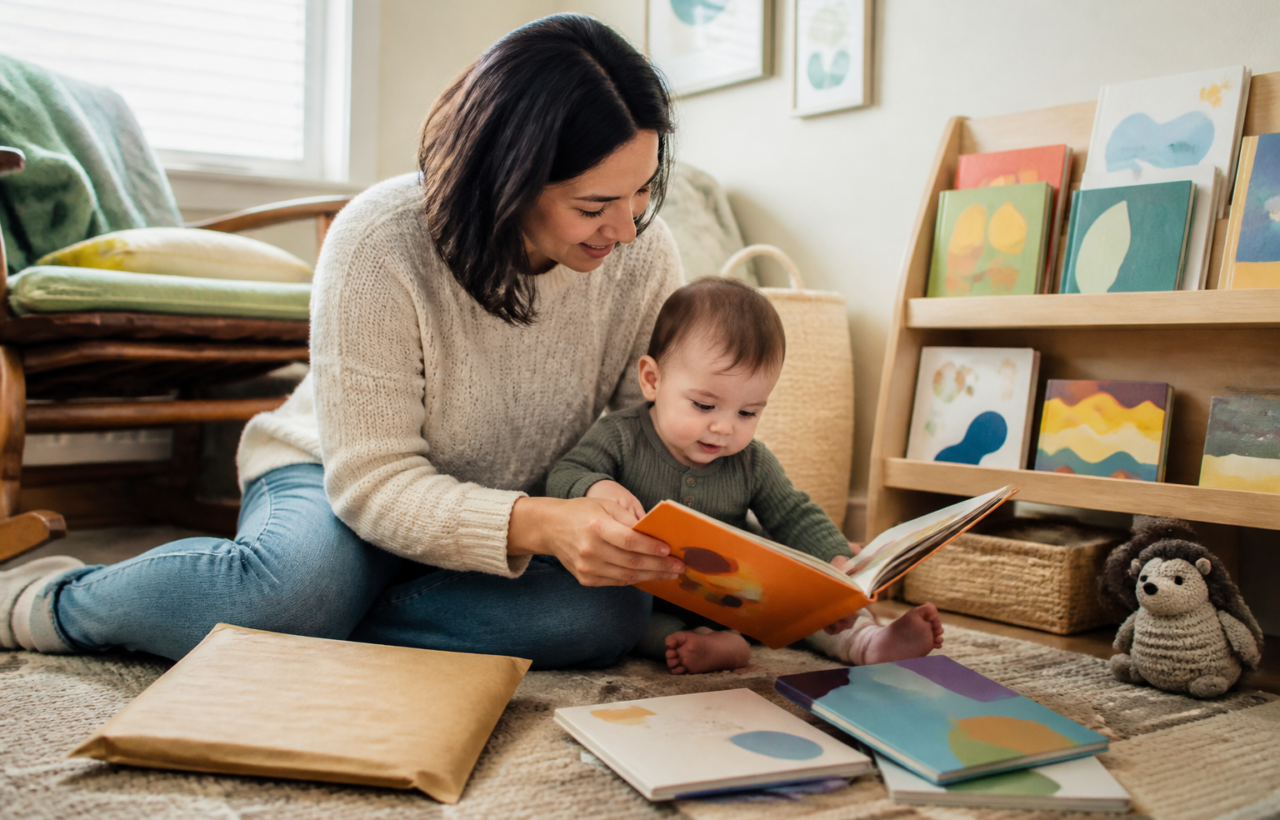
Let your baby touch the cover and help turn pages while you point to pictures and name what you see. Follow their attention rather than insisting on the printed sequence. If they return to one animal, face, or object, stay there and talk about it.
Babies may explore books with their mouths and hands, so supervise the interaction. Put the book away if it becomes damaged enough for pieces to come loose, then bring it back when it is safe to handle.
With a toddler
Give your toddler small choices: which book to read, where to begin, or which picture to find. Pause after a familiar line and let them supply a sound, gesture, or word if they want to. When they name something, add one useful detail. If they say “dog,” you might answer, “Yes, a big brown dog.”
Keep questions conversational. “What do you see?” leaves more room than a stream of questions with one correct answer. If your toddler wants the same book repeatedly, you do not need to push a different title merely because a new one has arrived.
Build a book routine that survives busy days
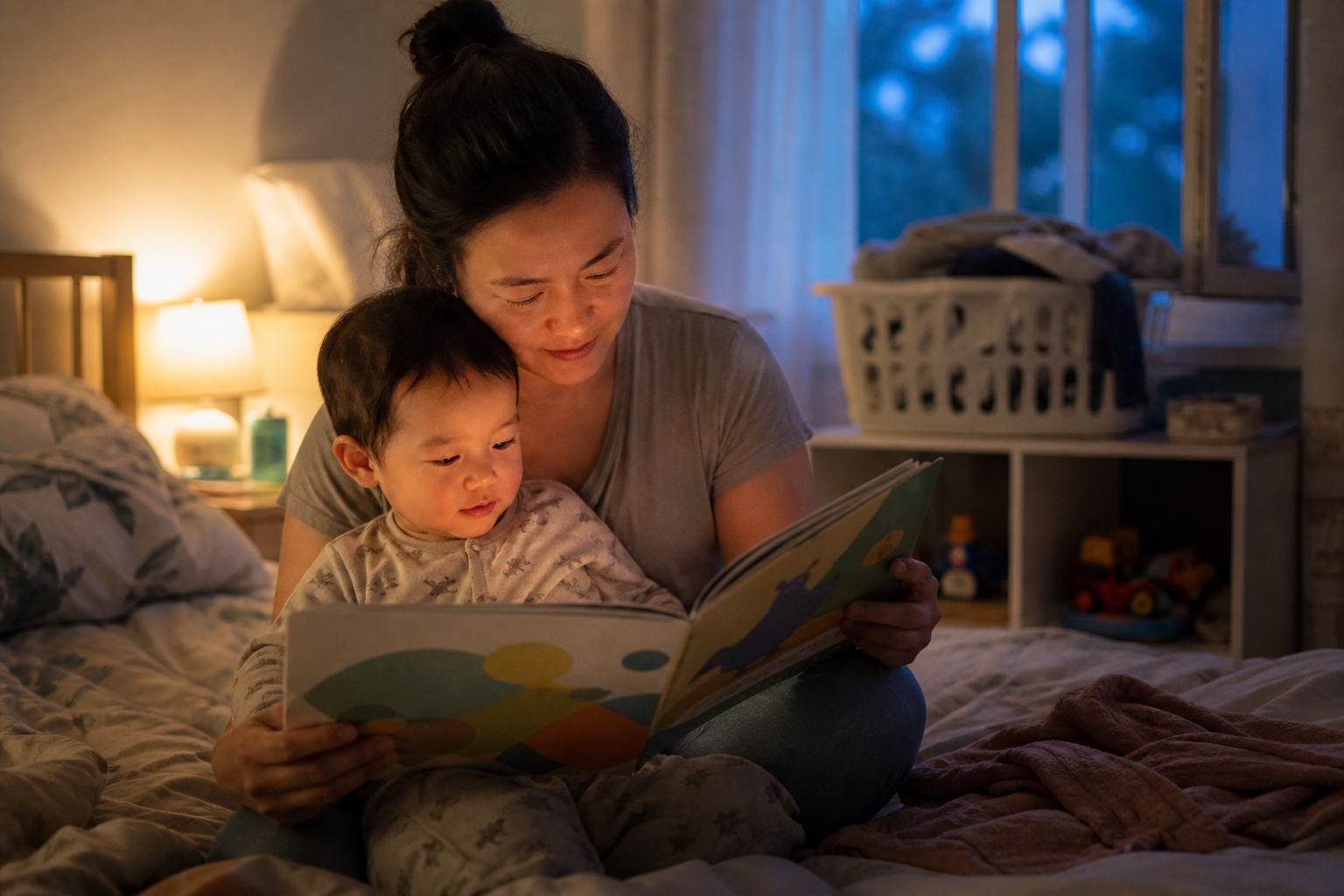
The easiest routine is attached to something your family already does. Put a small basket beside the feeding chair, keep a book near the play mat, or place the current favourite where you usually settle before sleep. The location becomes the reminder.
- Give new books one predictable landing place. You will know what has arrived, and books are less likely to disappear into unopened mail or a crowded shelf.
- Introduce one book at a time. Let your child notice the new arrival before mixing it into the rest of the collection.
- Keep favourites accessible. A new monthly title does not cancel an older favourite. Familiar and unfamiliar books can sit side by side.
- Read in fragments when necessary. The cover, one page, or a conversation about a picture can be enough for that moment.
- Put away books that are being thrown or damaged. Offer another object for active play and try the book again when your child is ready for it.
Try not to make the monthly arrival into a performance test. Your child does not have to identify every picture, repeat every word, or appear excited about every title. Your job is to make the book available and the interaction pleasant enough to revisit.
Questions parents commonly have
Is Dolly Parton’s Imagination Library really free?
Yes. The program’s stated offer is a free new book each month for children under 6. You should still read the current enrollment terms for your location before submitting information.
Is a baby too young to participate?
Not on age alone if the baby meets the current enrollment requirements. A child does not need to speak, point, or follow a whole story to share a book with you. For a young baby, listening to your voice and briefly looking at a page is a complete interaction.
What if my child will not sit through a book?
Stop trying to finish it. Read while your child is beside you, talk about a single picture, or return to the book later. A short, willing interaction is more useful than turning every story into a struggle over sitting still.
Should the monthly book replace library visits?
No. One new book can become part of your permanent home collection, while library visits let your child explore a wider range of subjects and choose among more titles. The two options solve different needs and work well together.
Check the current enrollment route, save whatever confirmation you receive, and choose one visible place for incoming books. When the first title arrives, open it with your child that day, even if you only look at the cover together.
References
- Parents — Dolly Parton’s Free Book Program Will Continue Her Legacy—Here’s How to Sign Your Child Up