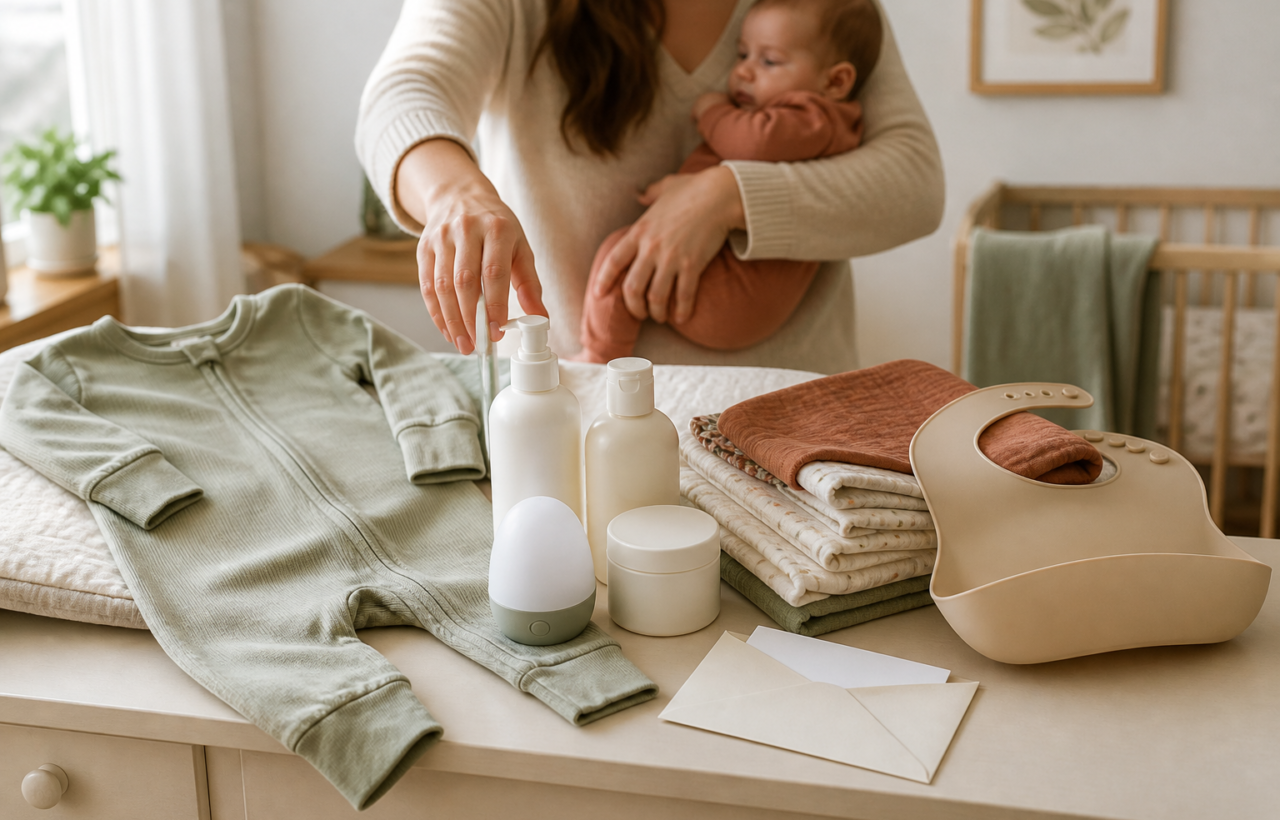
You want to give the baby something useful, but the family may already have stacks of blankets, tiny outfits and toys waiting at home. The safest way to avoid adding one more thing to the pile is to stop asking what looks like a baby gift and start asking what would make the parents’ next month easier.
That shift works whether you are shopping for a newborn, a mobile baby or a toddler. A practical gift fits the child’s current stage, the household’s routines and the parents’ actual preferences. It is easy to store, use, clean or exchange. Most importantly, it solves a problem the family really has.
Buy for the task, not the gift-opening moment
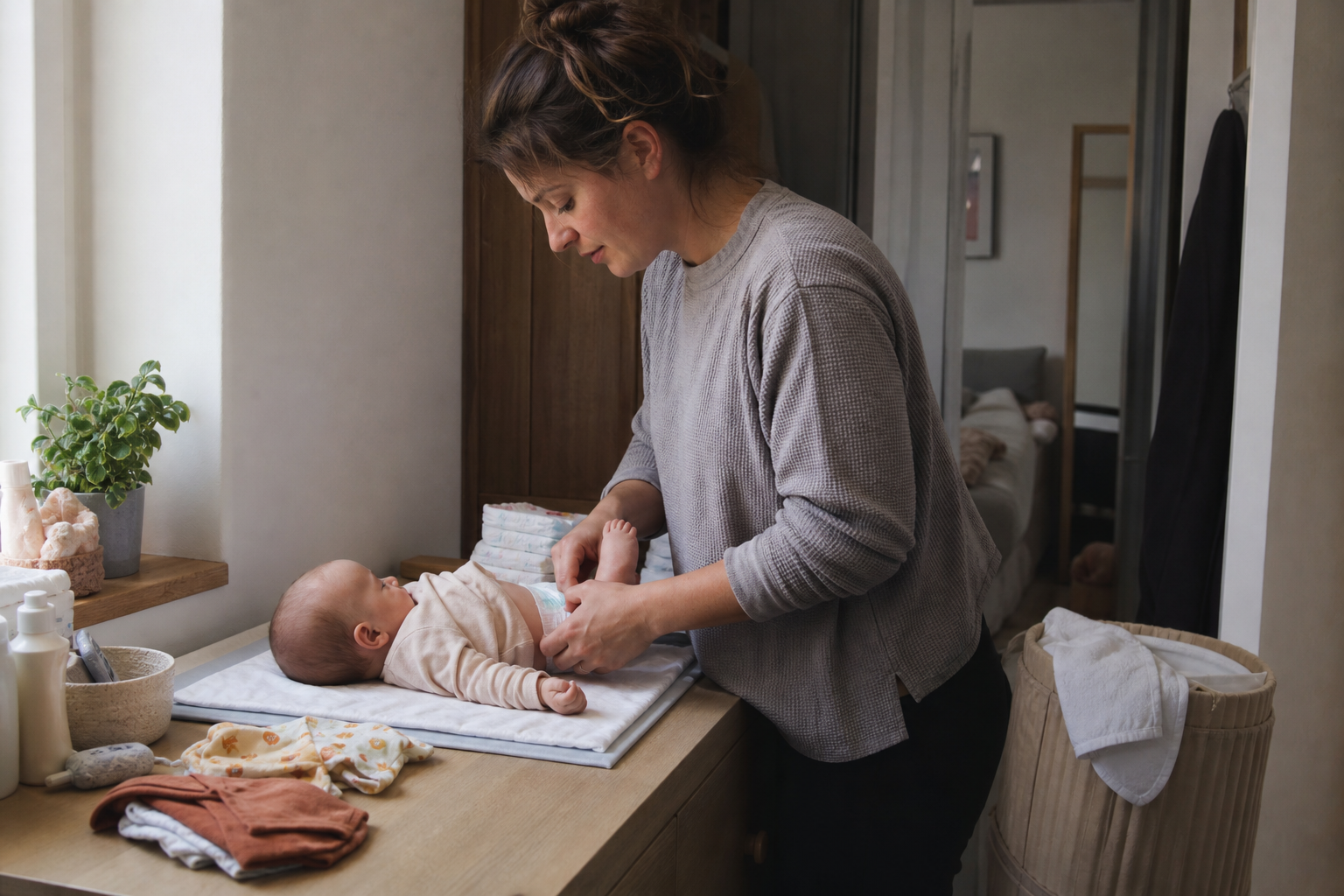
The most impressive-looking gift is not necessarily the most helpful one. Large toys need floor space. Decorative clothing may require special washing or suit the wrong season. A highly specialized gadget may duplicate something the parents already own. The practical choice is the one that avoids becoming unused clutter or a return errand.
If there is a registry, use it as a compatibility list rather than a source of inspiration. The exact model, material, size or colour may have been selected because it works with something the family already owns. Buying a more elaborate substitute can create a new decision for tired parents instead of solving one.
Without a registry, ask one focused question: What small baby-related task is annoying you right now? That is more useful than asking what they want, which can feel too broad. Their answer might point to a changing-supplies refill, an easier way to carry essentials, clothing that fits the coming season or help with meals.
If you cannot ask, look for a gift with three qualities: it supports a repeated routine, it can be used soon and it does not demand much storage or setup. That filter rules out many well-intentioned purchases before they become somebody else’s clutter.
Choose the kind of usefulness that fits the family
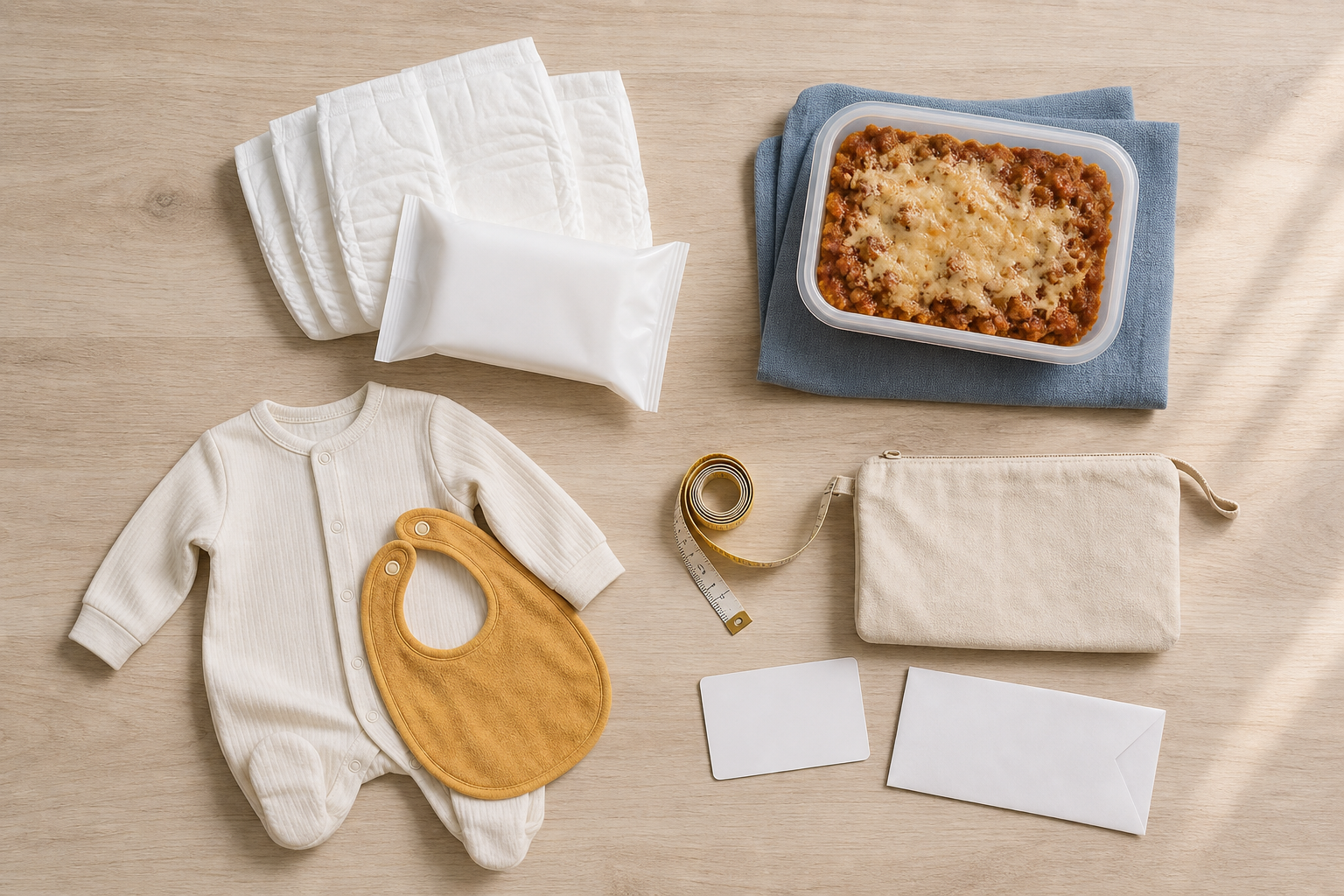
An exact item they have already chosen
A requested item is usually the lowest-risk physical gift. Check the product name, model, size, colour and quantity before ordering. Similar-looking baby products are not always interchangeable, especially when they must fit a stroller, changing station, carrier, bottle system or storage setup.
If the registry item is outside your budget, contribute through the registry when that option is available or choose a less expensive requested item. Do not feel obliged to replace it with an unrequested version merely to arrive with a larger box.
A small tool for a repeated routine
Some of the most useful gifts look almost comically ordinary. A diaper-cream spatula, for example, may help with a task that happens repeatedly, but it is practical only if the parents want that method and do not already have one. The same principle applies to organizers, drying accessories and portable changing items: start with the routine, then choose the tool.
Ask where the item will live and how it will be cleaned. A countertop tool is not helpful if the kitchen is already crowded. An organizer with many compartments is not automatically better than the container the parents already use. Practicality includes the space and maintenance an object demands after the wrapping is gone.
A replenishment of something they already use
Diapers, wipes, creams and feeding supplies can be excellent gifts because they are used up rather than stored indefinitely. They can also be surprisingly preference-sensitive. Confirm the brand or product, the current size and whether the family wants more before buying in bulk. Skin sensitivities, fit, feeding plans and simple personal preference can make an otherwise sensible supply unusable.
If you cannot confirm those details, give a gift card for a retailer the family already uses. You can make the purpose clear in the note, such as a contribution toward the next diaper or feeding-supply restock. That keeps the gift thoughtful without making a decision on the parents’ behalf.
Clothing that matches real life
Baby clothing becomes practical when it fits the family’s laundry habits, fastening preferences, climate and likely season of use. Ask what size they need next rather than assuming that bigger is always safer. A far-future size may meet the wrong weather by the time it fits.
Choose everyday basics over an elaborate outfit unless a special event is the reason for the gift. Leave tags attached and do not wash the clothing unless the parents specifically ask you to prepare it. An item that remains exchangeable is more useful than one that has already been committed to the closet.
Time and household capacity
A baby gift does not have to be an object for the baby. A grocery, prepared-meal or delivery gift card can reduce a household task during an intense stretch. Before arranging food, confirm dietary restrictions, delivery coverage and whether the family has room to store it. A surprise meal is not helpful if it arrives during travel, conflicts with dietary needs or fills an already packed freezer.
Practical help can also be a gift when it is specific. Offer a grocery run, a return drop-off or another task you are genuinely able to complete. Give the parents an easy way to choose the timing. A concrete offer is easier to accept than a general instruction to ask if they need anything.
Run a household-fit check before you pay
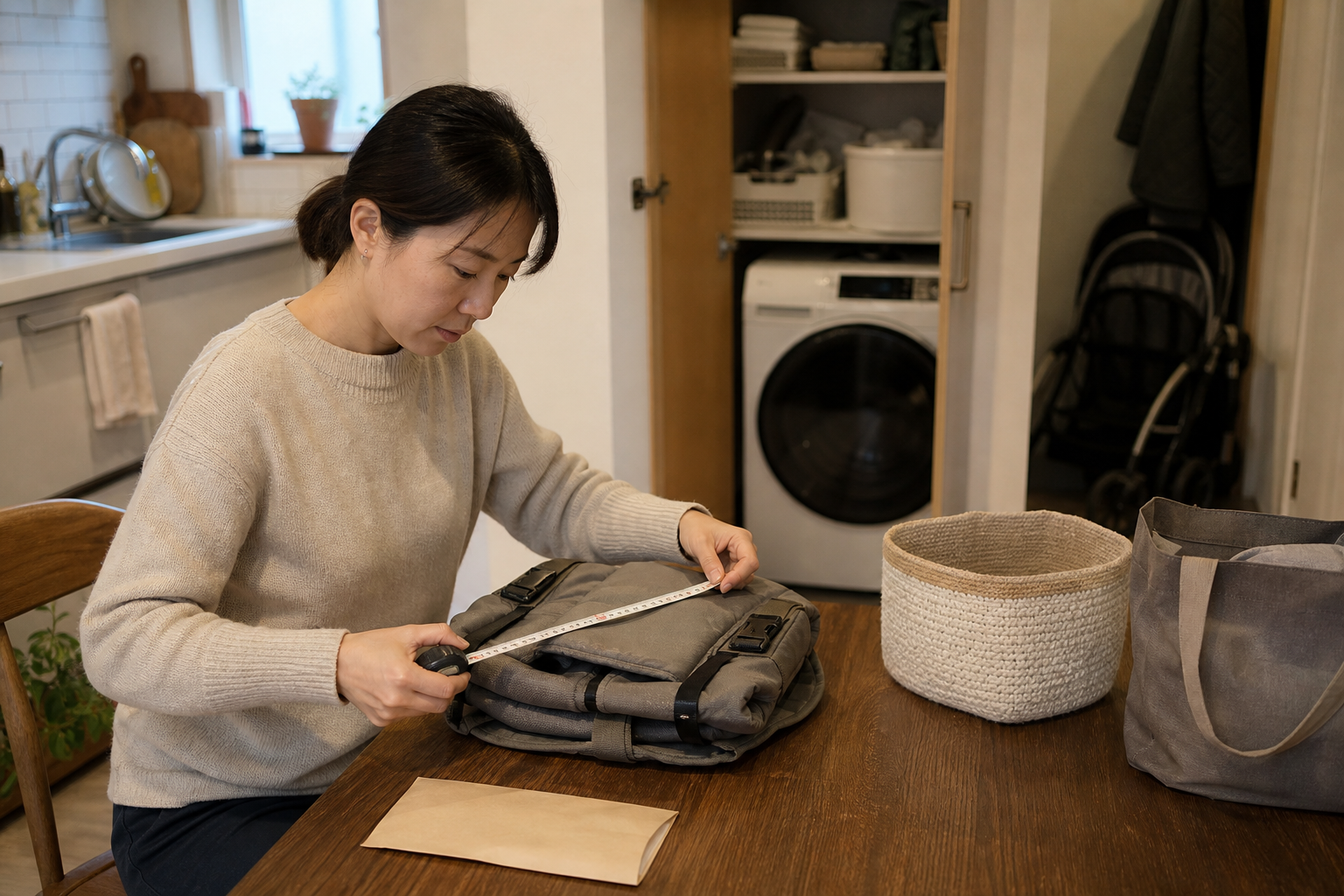
Use this check for every physical gift, including something that appears on a generic list of baby essentials:
- Is it wanted? Look for the exact item on the registry or confirm it directly. If neither is possible, favour something flexible and returnable.
- Will it be useful soon? Buy for the family’s current or next stage, not for a distant version of the child whose preferences and size are still unknown.
- Does it fit their home and routine? Consider storage, washing, charging, assembly and the space needed during use.
- Does it create another obligation? Check whether it needs proprietary refills, a subscription, an app, replacement parts or a permanent countertop location.
- Can the parents change their minds? Keep the receipt, preserve the packaging and check the return window before you give it.
Apply a stricter rule to anything involved in sleep, transport, carrying, feeding or bathing: buy the exact requested product from a reliable seller and include all instructions and packaging. Age, size, fit and setup can matter. If the item’s history, completeness or suitability cannot be verified, do not turn the uncertainty into the parents’ problem. Give money toward their chosen product or a retailer gift card instead.
Also check whether personalization will reduce usefulness. A name, monogram or permanent message can make an item special, but it can prevent returns and complicate reuse by a sibling. Confirm the spelling and the parents’ preference before personalizing anything.
Finally, avoid surprise volume. A bulk package may look generous while occupying an inconvenient amount of space. Ask whether the family wants that quantity and where they would keep it. This is especially important for families in apartments or homes already holding borrowed and handed-down baby gear.
Make a modest gift feel complete without making it bigger
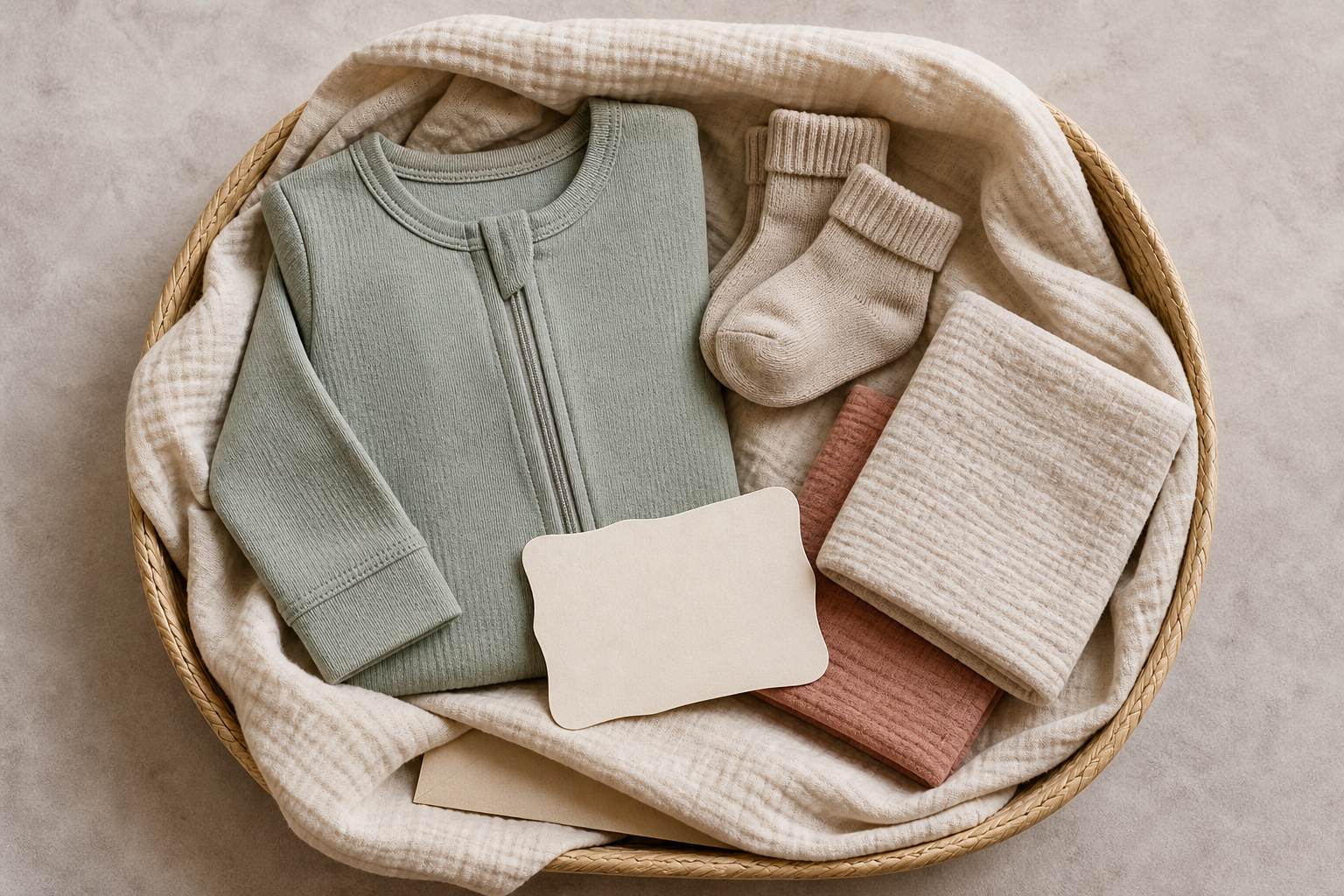
You do not need a large budget to give a useful baby gift. Completeness comes from solving one small problem well, not from adding unrelated filler. Pick one routine and keep every part of the gift connected to it.
- For changing: choose one confirmed consumable or requested tool, then include the receipt rather than padding the package with unfamiliar creams or wipes.
- For clothing: buy a requested everyday item in the needed size and season, with tags left on and an easy exchange route.
- For getting out of the house: select the exact portable item the parents requested instead of building a large travel kit from assumptions.
- For household support: pair a grocery or meal gift card with a short note explaining that it is meant for an easy day, not a special occasion they must organize.
Presentation can be simple. Reusable bags and baskets are only practical when the family actually needs another bag or basket. Otherwise, ordinary gift packaging and a clear receipt are enough. The object that contains the gift should not become a second item the parents must store.
If several people are buying together, coordinate before shopping. One requested higher-cost item or a shared retailer credit may be more useful than several near-duplicate products. Assign one person to confirm the exact model and keep the purchase information accessible to the parents.
Key takeaways for choosing a practical baby gift
- Start with the registry or ask which repeated task the parents would most like to make easier.
- Match the exact product, model, size and preference when compatibility matters.
- Confirm brands and quantities before buying consumables such as diapers, wipes or creams.
- Treat sleep, transport, carrying, feeding and bathing products as safety-sensitive purchases; do not improvise a substitute.
- Count storage, cleaning, setup, subscriptions and refills as part of the gift’s real cost to the household.
- Keep tags, packaging and receipts so a thoughtful gift remains flexible.
- When you cannot confirm the details, choose credit for a retailer the family already uses rather than guessing.
Before you check out, send one direct message asking what would help during the family’s current stage. If you cannot ask, choose the most flexible option available and make it easy to exchange. The best practical gift is not the one that proves how well you shop; it is the one that quietly removes a task, expense or irritation from the parents’ week.
References