

Your baby stops feeding with milk still in the bottle. You know how much work went into pumping it, but you don’t want to take an avoidable safety risk just to save the last little bit.
The decision comes down to one question: did your baby’s mouth touch the bottle nipple? Once it did, the remaining milk became an unfinished bottle, and a two-hour limit applies.
Key takeaways: the unfinished-bottle rule
- If your baby drank from the bottle, reuse the remaining breast milk within two hours after the feeding ends.
- Once two hours have passed, discard the milk. If you aren’t sure when the feeding ended, the safer choice is to discard it.
- Do not freeze an unfinished bottle for another day. Freezing does not turn exposed milk back into unused milk.
- If your baby never drank from the bottle, it is not an unfinished bottle in this sense. Follow the appropriate storage guidance for whether the milk is freshly expressed, refrigerated, thawed or warmed.
Why the clock changes after your baby drinks
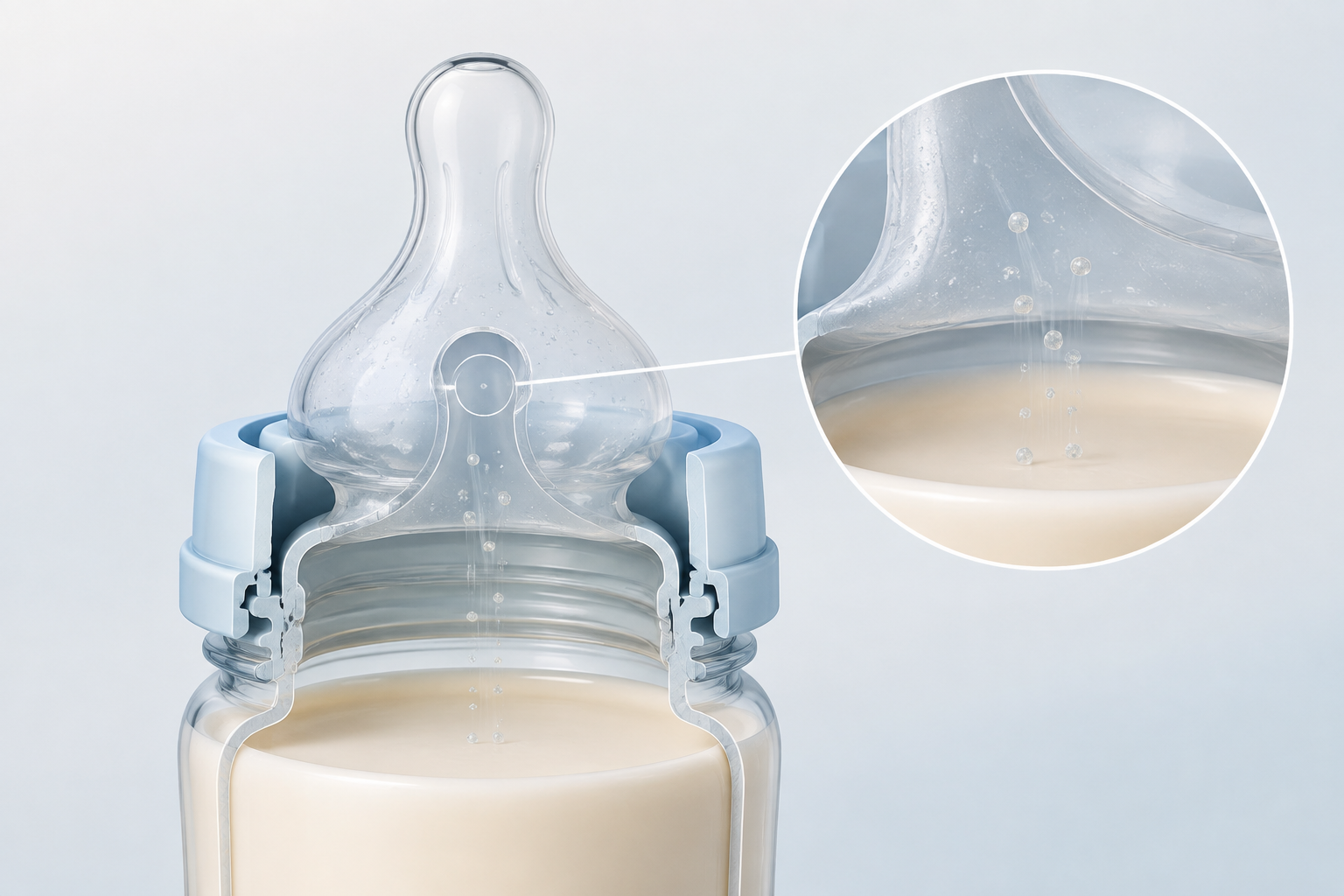
A bottle is not considered “leftover” merely because milk was poured into it. The important change happens when your baby begins feeding. Bacteria from your baby’s mouth can enter the bottle through contact with the nipple. Those bacteria can then multiply in the remaining milk, with the risk increasing as the used bottle sits.
That is why the time limit for an unfinished bottle is different from the storage life of milk that has remained untouched. The original storage date does not give a partially consumed bottle a longer window, and returning it to the refrigerator does not extend the two-hour cutoff. The relevant clock began when that feeding ended.
Use a simple routine so you don’t have to reconstruct the timing later:
- Note the time as soon as the feeding ends.
- If your baby shows hunger cues again, you may offer the remaining milk within the two-hour window.
- Discard anything still left when that window expires.
- Do not save or freeze the unfinished bottle for a later feeding.
Don’t rely on how precious the milk is, how little remains or how recently it was originally pumped. None of those details removes the mouth contact that changed the bottle’s status.
Use smaller portions instead of stretching the safety window
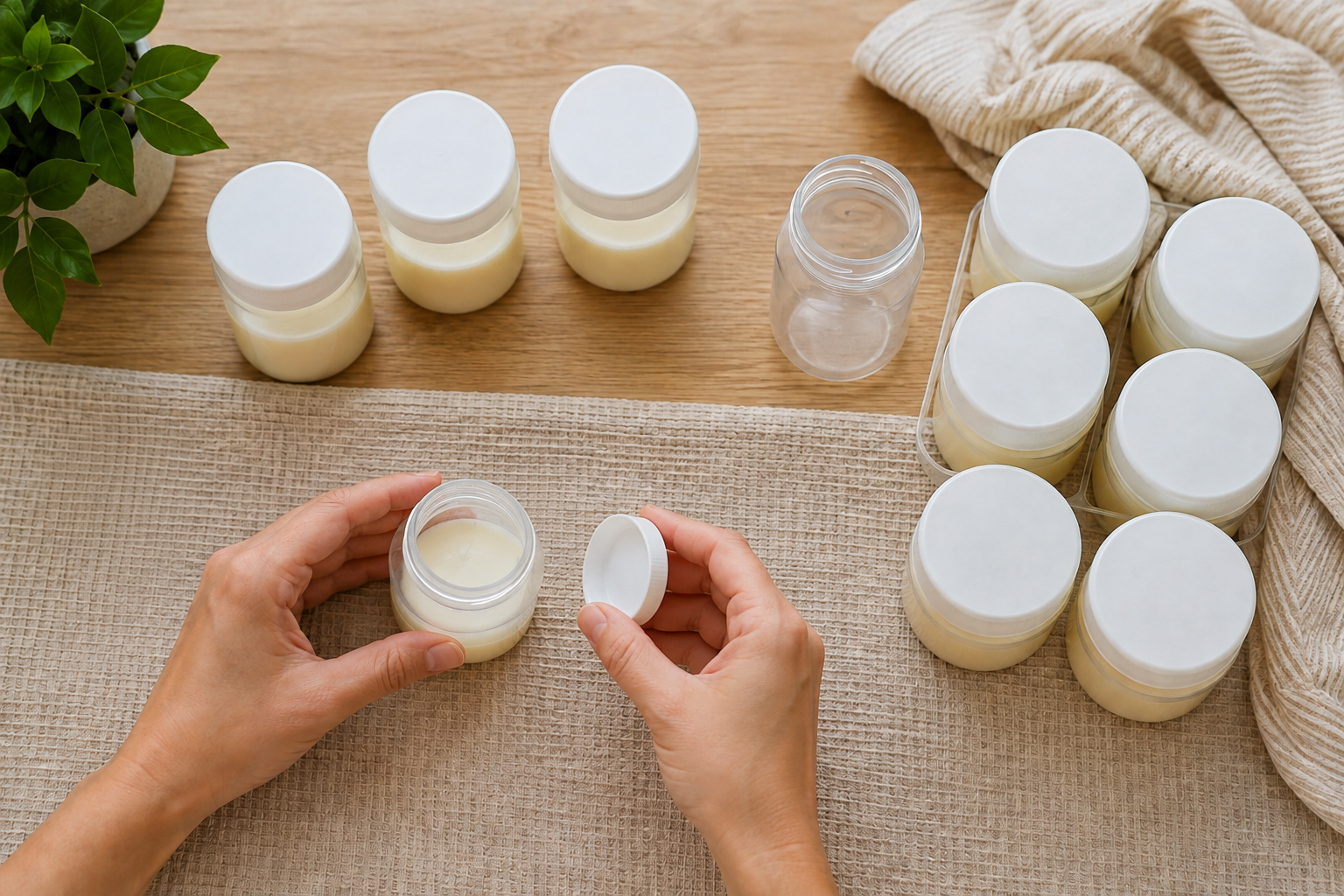
If your baby regularly leaves milk behind, change how much you offer first. The goal is not to persuade your baby to finish a larger bottle. It is to keep more of your expressed milk untouched until you know it is needed.
A practical approach is to store milk in a range of portions, such as 1, 2 and 4 ounces. Start with an amount your baby commonly finishes. If your baby is still hungry, offer a separate smaller portion as a second serving.
- Look at what usually remains rather than automatically preparing the largest likely feed.
- Reduce the first bottle by roughly the amount that repeatedly goes unfinished.
- Keep a small reserve portion separate and untouched.
- Offer that reserve only after the first bottle is finished and your baby still shows hunger cues.
This separates two different kinds of milk: the amount your baby is actively drinking and a clean reserve that has not been exposed through feeding. If the second portion is not needed, it remains available under the storage guidance that already applied to it. If a small second bottle is started but not finished, far less milk reaches the two-hour deadline.
Recurring leftovers are useful information. They tell you that the starting portion may be larger than your baby wants at that time of day. Adjust the next bottle rather than treating every unfinished feed as a one-off accident.
Protect the milk before it reaches the bottle
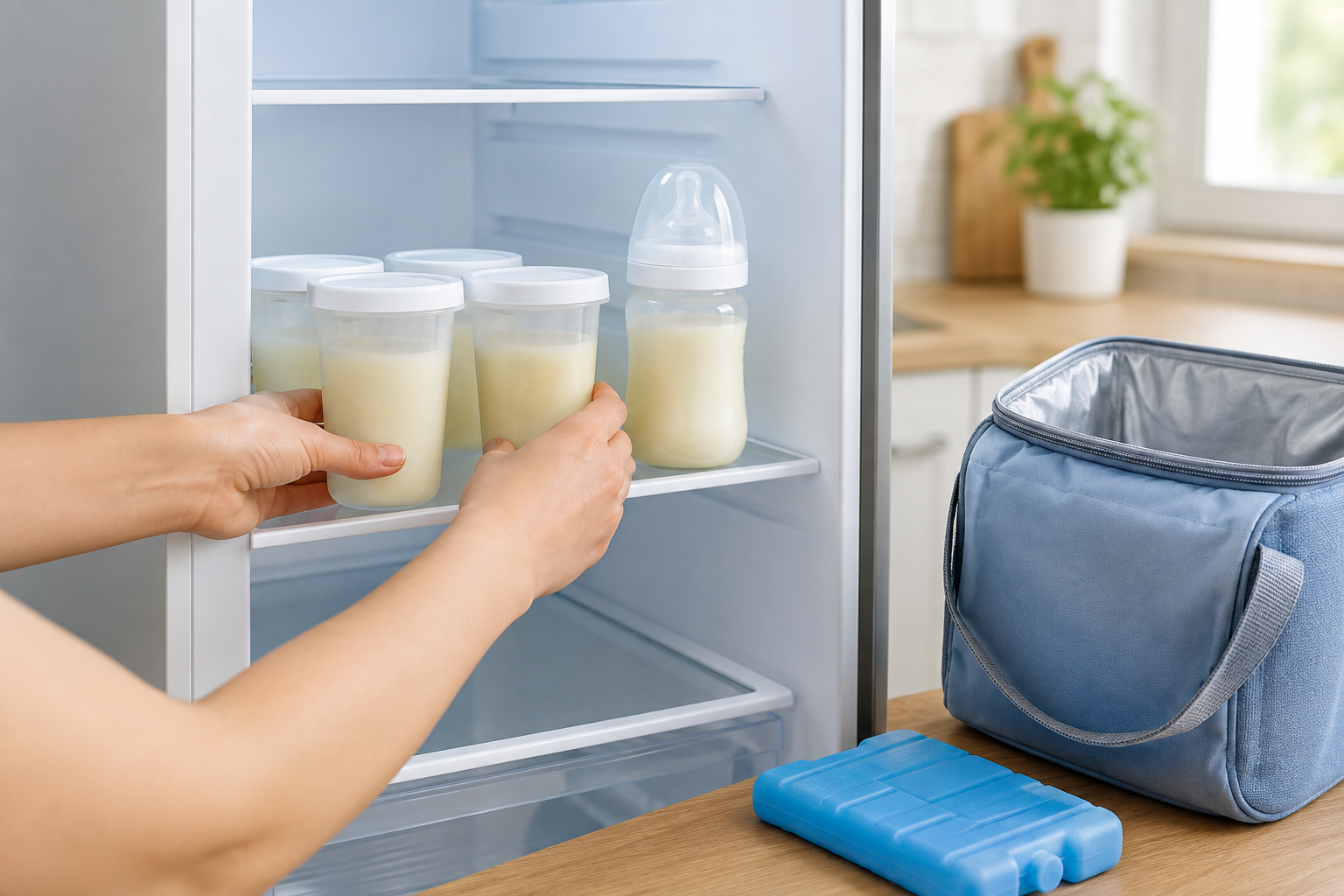
Mouth contact is not the only point where contamination can occur. Expressed milk can also be exposed while you pump, transfer or store it. Good handling reduces that earlier risk, although it does not cancel the two-hour rule after feeding begins.
- Wash your hands well before pumping or handling expressed milk.
- Keep the pump kit and tubing clean.
- Use breast milk storage bags or food-grade containers intended for storing expressed milk.
- Follow the applicable storage guidance for freshly expressed, refrigerated and frozen milk.
- Keep reserve milk separate until your baby actually needs it.
Think of clean handling and the unfinished-bottle rule as two separate safeguards. Clean pumping and storage protect milk before a feed. The two-hour cutoff addresses the new exposure that occurs after your baby drinks from the bottle.
When your baby’s care plan should take priority
General leftover-milk guidance cannot account for every baby’s medical situation. If your baby was born prematurely, has a condition that affects immune health, is currently unwell or has clinician-directed feeding instructions, follow the care plan you were given. Ask your baby’s pediatric clinician whether any unfinished bottle should be reused at all.
If frequent unfinished bottles come with concerns about feeding, intake or growth, discuss the pattern with your baby’s clinician. An International Board Certified Lactation Consultant can also help you review bottle portions and feeding routines. Neither the two-hour rule nor smaller portions should be used as a substitute for individualized medical or feeding advice.
For the next feed, prepare the smaller amount your baby usually finishes, keep any reserve separate, and record the feeding end time immediately. That gives you a clear decision when milk remains: reuse it within two hours, or let it go.
References




