
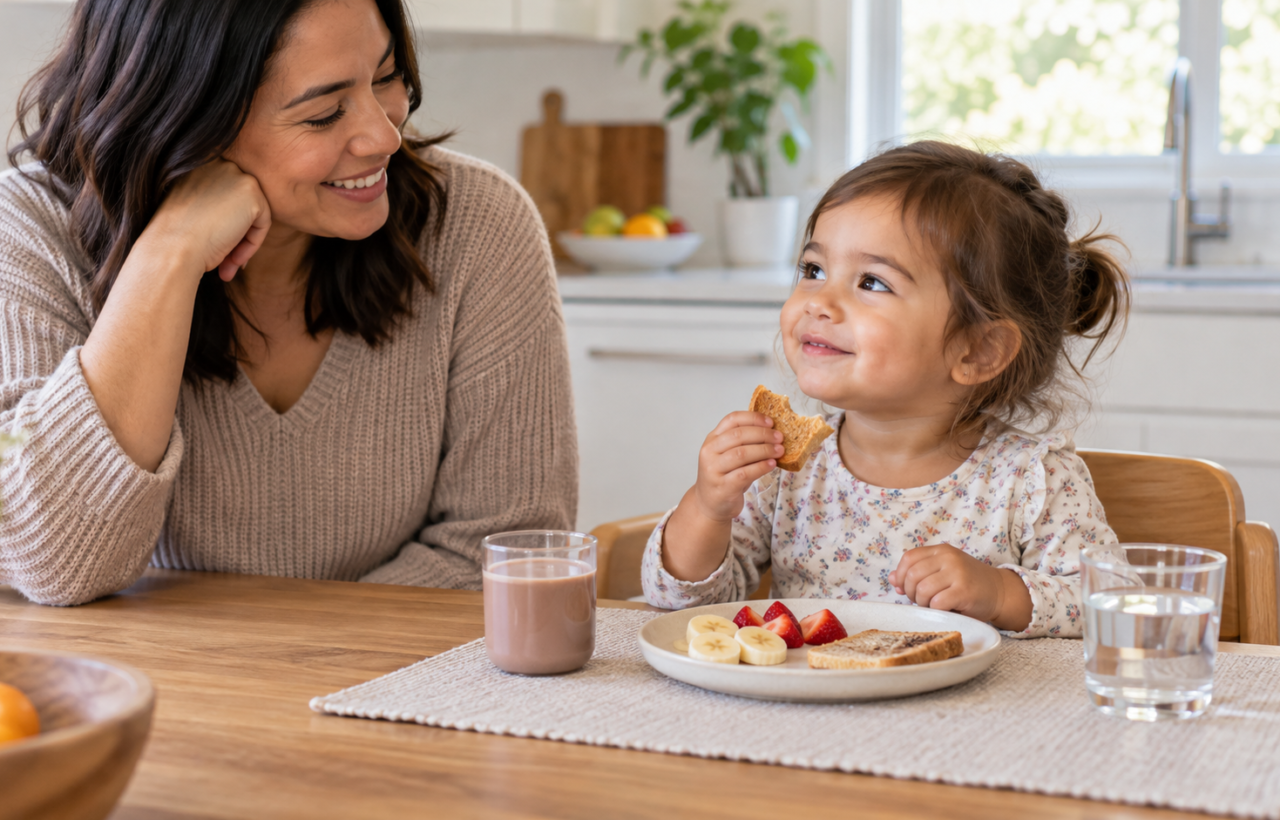
If your toddler asks for chocolate milk – or plain milk has become a daily standoff – you do not need to decide whether chocolate milk is simply “good” or “bad.” The useful questions are how old your child is, how often you serve it, and what the drink is replacing.
Before age two, the straightforward choice is to avoid making chocolate milk a routine drink because it introduces added sugar at a stage when children do not need it. From age two to three, chocolate milk can be an occasional option, but water and unsweetened drinks should remain the familiar defaults.
Age determines the first answer
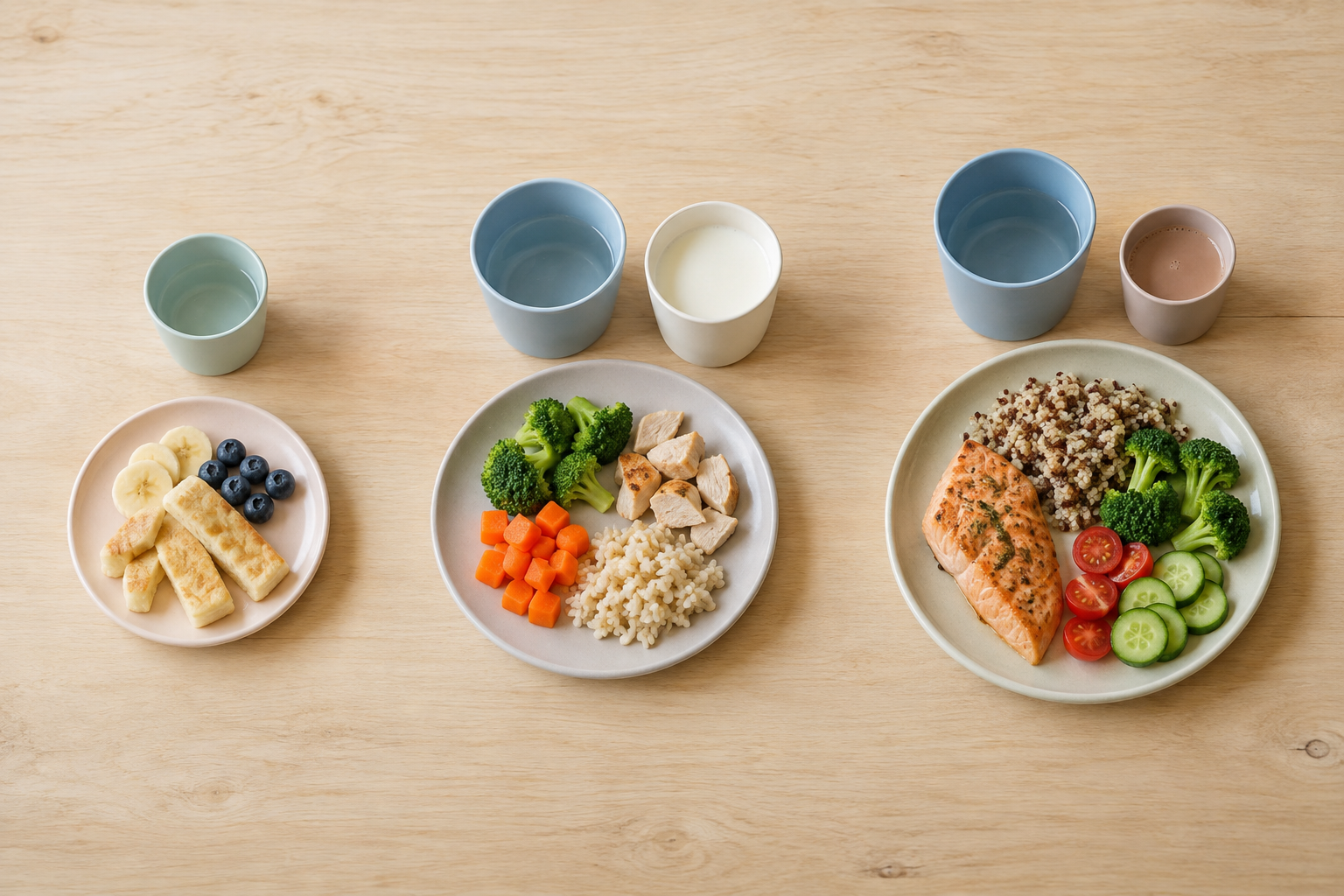
The same carton means something different for a baby, a 20-month-old and a three-year-old. Start with the age line before debating ingredients, brands or serving size.
Birth to 12 months
Chocolate milk is not an appropriate regular drink for a baby. Breast milk or infant formula should remain the primary milk drink during the first year. Cow’s milk is not a substitute for either one, and adding chocolate or sugar does not change that.
A small accidental taste is different from putting chocolate milk into your baby’s usual bottle or cup. If your baby has consumed a meaningful amount, has a known milk allergy, or develops symptoms after drinking it, contact a health-care professional for individual advice.
12 months to the second birthday
Plain milk may be part of your child’s diet when it is appropriate for their feeding plan, but chocolate milk brings added sugar into the same drink. That distinction matters: added sugar is the main reason the answer changes with age.
For this age group, keep the default simple: water for thirst and the plain, unsweetened milk recommended for your child. If your toddler refuses plain milk, you do not have to replace it automatically with chocolate milk. Milk is one way to obtain nutrients, not a test your child has to pass at every meal.
From the second birthday to age three
After age two, chocolate milk can fit occasionally. It still should not become the drink your child expects whenever they are thirsty, upset or unwilling to eat. The important distinction is between a sweet drink offered in a defined setting and a default beverage available throughout the day.
If your two- or three-year-old eats a varied diet, drinks water readily and sometimes has chocolate milk with a meal, there is little reason to turn that serving into a moral issue. If the child will drink only chocolate milk, repeatedly asks for it between meals or fills up on it instead of eating, the routine deserves attention.
Key takeaways
- Do not use chocolate milk as a regular drink during the first year; breast milk or infant formula remains the primary milk drink.
- From 12 months until age two, choose unsweetened drinks rather than making added sugar part of the milk routine.
- From age two to three, chocolate milk can be occasional, but it should not replace water, meals or a varied diet.
- Judge the pattern, not one cup: frequency, timing and what the drink displaces matter more than an isolated serving.
- Compare labels using the same serving size, and remember that total sugar includes milk’s naturally occurring lactose.
Read the carton without writing off all of its nutrition
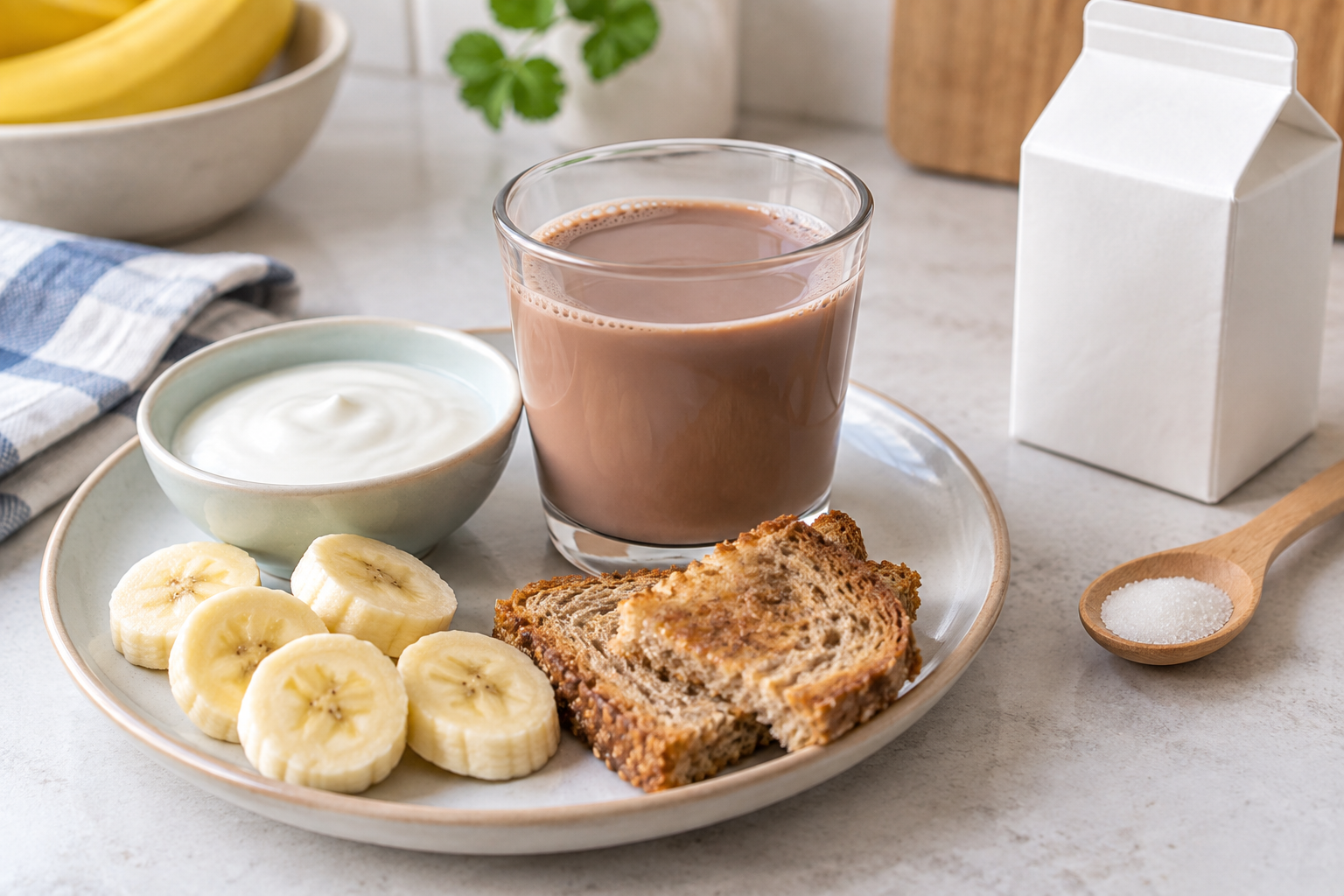
Chocolate milk is still milk. Depending on the product, it can provide protein, calcium, vitamin B12 and fortified vitamin D. Sweetening it does not make those nutrients disappear. At the same time, keeping the nutrients does not cancel out the added sugar. Both facts belong in the decision.
This is why a single word such as “healthy” is not very helpful. A child who occasionally has chocolate milk with lunch is in a different situation from a child who carries it around all day or depends on it for most of their calories.
When you compare chocolate milk with plain milk, use this label check:
- Match the serving sizes. A larger carton can look similar until you notice that the nutrition values cover different amounts.
- Read total sugar carefully. Plain milk contains lactose, a naturally occurring sugar, so the total-sugar number is not automatically the amount that was added.
- Look for an added-sugars line when the label provides one. If your local label does not list added sugars separately, check the ingredient list for sugar and other sweeteners, then compare the chocolate and plain versions from the same brand.
- Check the rest of the label. Protein and vitamin fortification can vary by product. Do not assume that every dairy drink or milk alternative has the same nutritional profile.
- Notice the format. A large single-serve bottle can quietly turn one choice into several servings. Pouring the amount you intend to offer into your child’s cup makes the boundary visible.
Labels help you compare products, but they cannot tell you how the drink functions in your family. For that, ask three questions: Is your child at least two? Is chocolate milk occasional rather than automatic? Does your child still eat meals and accept water? Three yes answers describe a very different pattern from a sweet drink served on demand.
Make an occasional drink stay occasional
Toddlers learn routines quickly. If protesting reliably produces chocolate milk, the negotiation itself can make the drink more important. A predictable boundary is easier for a young child to understand than a decision that changes with every request.
- Choose the setting before your child asks. For an age-appropriate child, you might reserve chocolate milk for a particular meal or occasional family outing rather than offering it whenever plain milk is refused.
- Serve it at the table. Put it in a cup and let the drink end with the meal or snack. Avoid a bottle or spill-proof cup that follows your child for hours.
- Keep water as the response to thirst. A request for a drink between eating occasions does not have to become a choice between plain and chocolate milk.
- Do not use it to replace a refused meal. Chocolate milk can be filling. If it routinely arrives after your child rejects food, the child may learn to wait for the preferred drink.
- Avoid presenting it as a prize. Making chocolate milk the reward for eating vegetables or behaving well gives the sweet drink extra status and turns the meal into a bargain.
- Step down gradually if it is already habitual. You can combine plain and chocolate milk, then reduce the chocolate portion over successive servings. Tell your child what is changing and keep the boundary calm and consistent.
If your toddler does not drink plain milk, resist making the issue bigger than it is. Offer it without pressure and include other suitable foods that contribute the nutrients your child needs. If your family avoids dairy, ask a pediatric health-care professional or registered dietitian which alternative fits your child’s age; plant-based drinks are not nutritionally interchangeable.
Know when the drink is pointing to a larger feeding issue

A preference for chocolate over plain milk is ordinary. It becomes more important when the preference narrows what your child will eat or drink. The concern is then not that one food is “bad”; it is that a sweet drink may be crowding out variety or masking a feeding difficulty.
Bring the pattern to your child’s health-care professional or a registered dietitian if your child:
- relies heavily on milk and regularly skips food;
- accepts very few foods or drinks and the list is becoming narrower;
- has a diagnosed condition, growth concern or iron concern that changes their feeding plan;
- needs a dairy-free substitute and you are unsure which product is suitable for their age; or
- has symptoms that make you suspect a milk allergy or intolerance.
A dentist can help if sweet drinks are frequent or you are concerned about your child’s teeth. These professionals can evaluate the whole diet and the child’s health; a chocolate-milk label cannot.
At your next grocery trip, compare the plain and chocolate versions side by side. Then choose one boundary that matches your child’s age: no routine chocolate milk before two, or a defined occasion rather than on-demand access after two. That small decision is usually more useful than trying to classify the drink forever.
References




