

If you’re staring at a positive test and wondering whether your body matches the week on your pregnancy app, use this timeline as a map, not a test. Symptoms can start early, arrive late, disappear, return, or never show up at all.
The useful question isn’t, “Do I have every symptom for this week?” It is, “What changes are common around now, what might help, and what deserves a call to my prenatal care provider?” This week-by-week map will help you answer those questions without treating normal variation as a problem.
Why pregnancy week 1 starts before conception
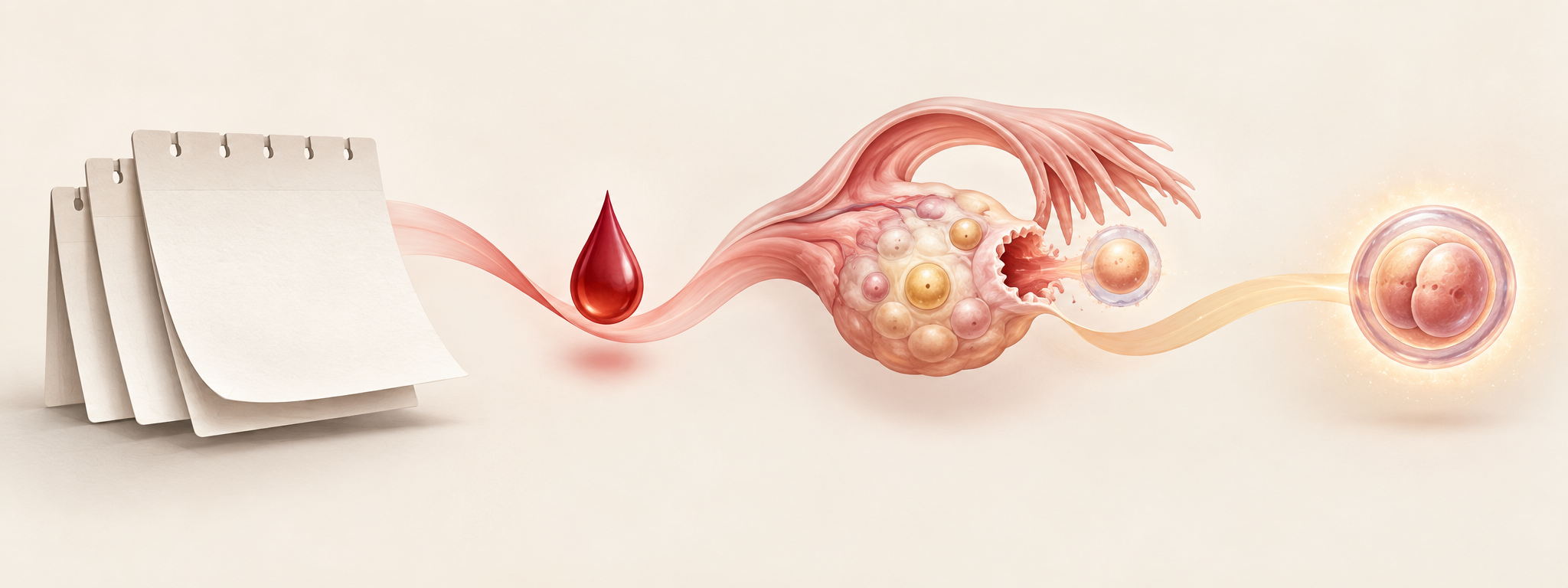
Pregnancy is dated from the first day of your last menstrual period, not from the day an egg was fertilized. That means week 1 is usually the week of your period, while ovulation commonly falls during week 2. You aren’t technically pregnant during those first days, even though they count toward gestational age.
This explains why a pregnancy can be described as four weeks along when fertilization happened roughly two weeks earlier. It also explains why symptoms in weeks 1 and 2 look like period or ovulation symptoms rather than pregnancy symptoms.
- First trimester: weeks 1 through 13
- Second trimester: weeks 14 through 27
- Third trimester: week 28 onward, with the estimated due date at about week 40
Your week number gives you context, but it cannot confirm a pregnancy or show whether one is progressing normally. A symptom can have several causes, and having few symptoms can still be normal. Use a pregnancy test and prenatal care for answers that a symptom list cannot provide.
First-trimester symptoms: weeks 1 to 13

The first trimester often brings the fastest shifts. Hormonal changes can affect your breasts, digestion, energy, mood, sense of smell, and bladder, but the timing varies widely. A quiet week is not automatically a bad sign.
| Week | What you may notice | What is useful to know or do |
|---|---|---|
| 1 | Bleeding, cramps, sore breasts, or mood changes associated with your last menstrual period. | This is the starting point used to date the pregnancy, even though conception has not happened yet. |
| 2 | You may have no obvious change. Possible ovulation signs include one-sided lower-abdominal twinges, tender breasts, slippery discharge, or a rise in basal body temperature. | Not everyone feels ovulation. The presence or absence of these signs cannot tell you whether fertilization occurred. |
| 3 | A fertilized egg may implant in the uterine lining. Some people notice mild cramping or light spotting. | Heavy bleeding or intense pain warrants a prompt call to a health care provider because an ectopic pregnancy is one possible cause. |
| 4 | A home pregnancy test may turn positive. Tender breasts, fatigue, bloating, constipation, mood changes, or heightened smell and taste can begin. | You may also feel entirely unchanged. Symptoms can take several more weeks to appear, so don’t use their absence to overrule a properly taken test. |
| 5 | Fatigue, breast tenderness, nausea, and quick mood shifts may become noticeable. | Look for your own pattern rather than expecting a fixed checklist. A symptom that affects daily life is worth mentioning to your prenatal provider. |
| 6 | Nausea may begin, and stronger smells can contribute to food cravings or aversions. Despite the name “morning sickness,” queasiness is not limited to one time of day. | Smaller meals, ginger, acupressure wristbands, and avoiding personal food triggers may help. Contact your provider if nausea or vomiting is making it difficult to eat, drink, or function. |
| 7 | Frequent urination can start as pregnancy hormones, increased body fluid, and harder-working kidneys affect your bladder routine. | Build bathroom access into commutes, meetings, and outings instead of assuming this symptom only appears after your belly grows. |
| 8 | Nausea, fatigue, breast soreness, bloating, frequent urination, mood changes, headaches, or extra saliva may occur together. | This can be an intense symptom week for some people and a relatively quiet one for others. Compare changes with your own baseline, not someone else’s pregnancy. |
| 9 | Constipation and gas may join nausea because pregnancy hormones can slow movement through the intestines. | If food, fluids, and routine adjustments aren’t enough, ask your health care provider before using a stool softener or another treatment. |
| 10 | Your breasts and abdomen may begin changing. Some people notice clearer-looking skin, while others develop hormone-related acne. | Neither a “glow” nor a breakout says anything reliable about how the pregnancy is progressing. |
| 11 | Stretching around the growing uterus can cause abdominal or round-ligament discomfort. Clear or creamy vaginal discharge may increase. | Normal pregnancy discharge is often called leukorrhea. If pain or discharge worries you, let your prenatal provider assess it rather than trying to identify the cause from appearance alone. |
| 12 | Veins may become more visible as blood volume rises during pregnancy, particularly on lighter skin. | This visible change can be normal. Record any accompanying symptom that concerns you so you can describe the full pattern to your provider. |
| 13 | Some early symptoms may begin easing. Dizziness can appear because of hormonal and circulatory changes. | Hydrate and change positions slowly. If dizziness is persistent, severe, or accompanied by another concerning symptom, contact your care team. |
Second-trimester symptoms: weeks 14 to 27

Some people get relief from nausea and exhaustion in the second trimester, but that is not a deadline your body has to meet. This phase can also bring back pain, heartburn, skin changes, sleep disruption, and the first noticeable fetal movements.
| Week | What you may notice | What is useful to know or do |
|---|---|---|
| 14 | Appetite, energy, or interest in sex may increase as some first-trimester symptoms ease. | If you feel better, this may be a practical time to discuss an appropriate exercise routine with your health care provider. Continued fatigue or nausea does not mean you have missed a required turning point. |
| 15 | A stuffy nose, leg cramps, sensitive gums, or extra clumsiness may emerge. | Ligaments loosen during pregnancy, so move deliberately when balance feels different. Mention troublesome gum or mobility symptoms at an appropriate health appointment. |
| 16 | Skin may darken around the nipples, navel, inner thighs, armpits, cheeks, or nose. | This pigmentation is common and can be more noticeable on darker complexions. It is a body change, not a measure of pregnancy health. |
| 17 | Backache or forgetfulness may become noticeable. You may also begin to feel subtle fetal movement. | First movements are often noticed between weeks 16 and 22, so week 17 is part of a window, not a deadline. |
| 18 | Your abdomen and breasts may grow more visibly. Even your usual shoe fit can change. | Choose comfort over trying to make pre-pregnancy clothing or footwear work. Body size and shape do not change on the same schedule for everyone. |
| 19 | Heartburn may begin when pregnancy hormones relax the muscle that normally helps keep stomach contents down. Constipation can continue. | Try smaller meals, stay upright after eating, and notice whether acidic, greasy, or spicy foods are personal triggers. |
| 20 | Early movement can feel like fluttering rather than a clear kick. Leg cramps, dry eyes, and sleep trouble are also possible. | A pregnancy pillow may make positioning easier. If you haven’t felt movement, remember that the common first-movement window extends through week 22. |
| 21 | Round-ligament pain can feel sharper in the hip, groin, or abdomen as the uterus grows. | Notice where the pain occurs, how long it lasts, and what triggers it. Those details are more useful to your provider than the label “stomach pain.” |
| 22 | Hair may feel thicker, nails may grow faster, and stretching skin on the abdomen can become dry or itchy. | A simple moisturizer may soothe dry skin. Keep taking your prenatal vitamin as directed by your health care provider rather than changing supplements because of hair or nail changes. |
| 23 | Backache, headaches, constipation, leg cramps, discharge, skin stretching, and mental fog can overlap. | When several symptoms occur together, write down which one limits sleep, eating, movement, or work. That helps your care team focus on the part that most needs attention. |
| 24 | Interest in sex may rise or fall. Tingling hands, bleeding gums, or snoring related to nasal changes may also appear. | There is no required libido pattern in pregnancy. Treat discomfort and fatigue as useful information, not something you have to push through. |
| 25 | Fluid retention and swelling can contribute to pregnancy-related carpal tunnel symptoms, including tingling or numb fingers. | Avoid sleeping on your hands and gently shake out your wrists during the day. Bring persistent numbness or pain to your provider. |
| 26 | Sleep may be interrupted by urination, cramps, anxiety, or physical discomfort. Itching can also occur. | Intense itching of the hands or feet needs medical attention because it can be a sign of cholestasis of pregnancy, a liver disorder that requires care. |
| 27 | Hemorrhoids can develop or worsen as blood flow, pelvic pressure, and constipation-related straining increase. | Fluids and fibre may reduce straining. Ask your prenatal provider which ointments, sitz-bath practices, or other treatments are appropriate for you. |
Third-trimester symptoms: weeks 28 to 42

In the third trimester, your growing uterus can put more pressure on your bladder, digestive tract, pelvis, and lungs. Some early-pregnancy symptoms may return. The important shift is that contractions, fluid loss, bleeding, and fetal movement now carry information your care team may need promptly.
| Week | What you may notice | What is useful to know or do |
|---|---|---|
| 28 | Aches can intensify. Some people develop symphysis pubis dysfunction, which causes pain or instability around the front of the pelvis. | Tell your provider if pelvic pain is affecting walking, stairs, turning in bed, or daily movement. Naming the activity that triggers it helps distinguish ordinary soreness from a more limiting problem. |
| 29 | Yellowish colostrum may begin leaking from the breasts as your body prepares for feeding after birth. | Leaking or not leaking is not a test of future milk supply. Note unexpected breast changes, but don’t use colostrum timing to judge feeding ability. |
| 30 | Heartburn, swelling, itching, aches, and stretch marks may become more noticeable. | Don’t blame yourself if a cream fails to prevent stretch marks; genetics often influences whether they appear. They commonly fade with time. |
| 31 | Tender breasts, frequent urination, and strong fatigue may return or may never have fully left. | A returning symptom can reflect the changing demands of late pregnancy. A sudden, severe, or worrying change still deserves a call rather than an assumption that it is “just pregnancy.” |
| 32 | Braxton Hicks practice contractions may feel like sporadic tightening or hardening of the uterus. They often occur irregularly and can last from 30 seconds to two minutes. | Call your health care provider if contractions become stronger and more frequent, since that pattern can indicate premature labor at this stage. |
| 33 | Breathlessness, heartburn, bladder leaks, and general pressure are common as the uterus crowds nearby organs. Stretching can also cause upper-abdominal tenderness. | Don’t diagnose upper-abdominal pain by location alone. If it concerns you or feels different from ordinary stretching, contact your prenatal provider. |
| 34 | The character or intensity of fetal movement may shift as the baby grows and changes position. | Significantly less movement than usual warrants a call to your health care provider. Your baby’s established pattern matters more than comparison with another pregnancy. |
| 35 | Braxton Hicks contractions may become more noticeable, and insomnia can intensify. | Ask your care team how they want you to distinguish practice contractions from labor and whom to call outside office hours. Save those instructions before contractions make it hard to search for them. |
| 36 | The baby may begin dropping lower into the pelvis, sometimes two to four weeks before delivery. Breathing can feel easier while pelvic pressure increases. | Dropping does not give you an exact labor date. Treat it as a positional change, not a countdown. |
| 37 | Pelvic pressure may increase. Light spotting can occur after sex because the cervix is sensitive and enlarged. | Bleeding that resembles a period needs a call to your health care provider because a placental problem is one possible cause. |
| 38 | You may lose the mucus plug as a thick, pink or blood-tinged discharge. | The plug can be released a few days to a couple of weeks before labor, so it cannot tell you exactly when labor will begin. |
| 39 | Water breaking may feel like a gush or a slow trickle. Regular contractions, pelvic pressure, dull back pain, or restlessness can accompany early labor. | Some first-time parents are told to go to the hospital when contractions are four or five minutes apart, last one minute, and continue for one hour. Your own provider may give different instructions, so follow the plan made for your pregnancy. |
| 40 | Insomnia, swelling, frequent urination, and pelvic discomfort can continue until birth. | If pregnancy continues past the due date, your provider may recommend ultrasound monitoring of the baby’s position, size, and amniotic fluid. |
| 41 | You may still be waiting while watching for contractions, fluid loss, pelvic pressure, and other labor signs. | Stay in contact with your care team and follow the monitoring and delivery plan made for you. A due date is an estimate, but later pregnancy still calls for individualized supervision. |
| 42 | Reaching this week is uncommon, and the discomfort and fatigue of late pregnancy may continue. | Many providers advise induction before week 42 when labor has not begun. This decision belongs in a direct conversation with the clinician overseeing your pregnancy. |
Key takeaways: use the timeline without chasing symptoms
- Start with the right week: pregnancy dating begins on the first day of your last menstrual period, so weeks 1 and 2 generally precede conception.
- Match broad patterns, not every line: symptoms vary between people and between pregnancies. Having more symptoms does not prove that a pregnancy is healthier, and having fewer does not prove that something is wrong.
- Track changes in context: record the week, when a symptom started, whether it is getting stronger, what triggers it, and whether it interferes with eating, drinking, sleeping, walking, or working.
- Keep your care plan more accessible than a search result: save your prenatal provider’s number and their instructions for contractions, water breaking, bleeding, and fetal movement.
- Call promptly for the warning signs identified here: heavy bleeding or intense pain early in pregnancy, intense itching of the hands or feet, contractions that grow stronger and more frequent well before the due date, significantly less fetal movement than usual, or bleeding that resembles a period.
At the start of each new week, make one short note about what has changed and one question for your next appointment. If a warning sign appears or something feels meaningfully different, skip the note-taking and call your prenatal care provider.
References



