When I think about the transition into motherhood, I think about how enormous it really is. The physical, emotional, and identity shifts can be intense, and it makes sense that mental health can feel unsettled during this season. About one in every five to seven moms may experience a perinatal mood disorder during pregnancy or within the first year after giving birth.
I hear postpartum depression, or PPD, talked about more often, but I also think it is important to remember that it is not the only mental health condition that can affect new moms during this period.
“Postpartum anxiety tends to be underlooked,” says Dr. Shelly Orlowsky, a licensed clinical psychologist based in Miami Beach, Florida, who specializes in reproductive mental health. One reason? “Anxiety is often more normalized — like, you’re a new mom, of course you’re going to worry.”
But postpartum anxiety, or PPA, can be just as serious as PPD when it is left untreated. I find it helpful to understand how these conditions can look different, where they overlap, and why naming what is happening can make it easier to get support.
PPD And PPA Can Look Similar, But They Are Not The Same
“You often hear PPD as a blanket term for any clinical condition a postpartum mom goes through,” says Orlowsky. I can see why that happens, because PPD and PPA can share some common ground, but they also have important differences.
For starters, both can happen during pregnancy or within the first year postpartum. New stressors, such as a parent returning to work or a baby starting a new feeding pattern, can also contribute to symptoms or make existing symptoms feel heavier, Orlowsky says.
Both conditions are also different from the “baby blues,” which usually fade within a few weeks. With PPD and PPA, symptoms tend to persist and interfere with daily life.
“When we’re looking at postpartum depression and anxiety, we’re talking about symptoms lasting more days than not for a period of two weeks or more,” Orlowsky says. The specific symptoms, however, can vary depending on what someone is experiencing.
When I look at PPD, the symptoms often include crying or sadness, anger or rage, irritability, difficulty completing daily tasks, fatigue, and a loss of energy or motivation.
With PPA, the symptoms are often more centered around excessive worry, rumination, self-doubt, racing thoughts, and physical symptoms such as nausea, dizziness, a racing heart, or diarrhea.
Some Postpartum Depression And Anxiety Symptoms Overlap
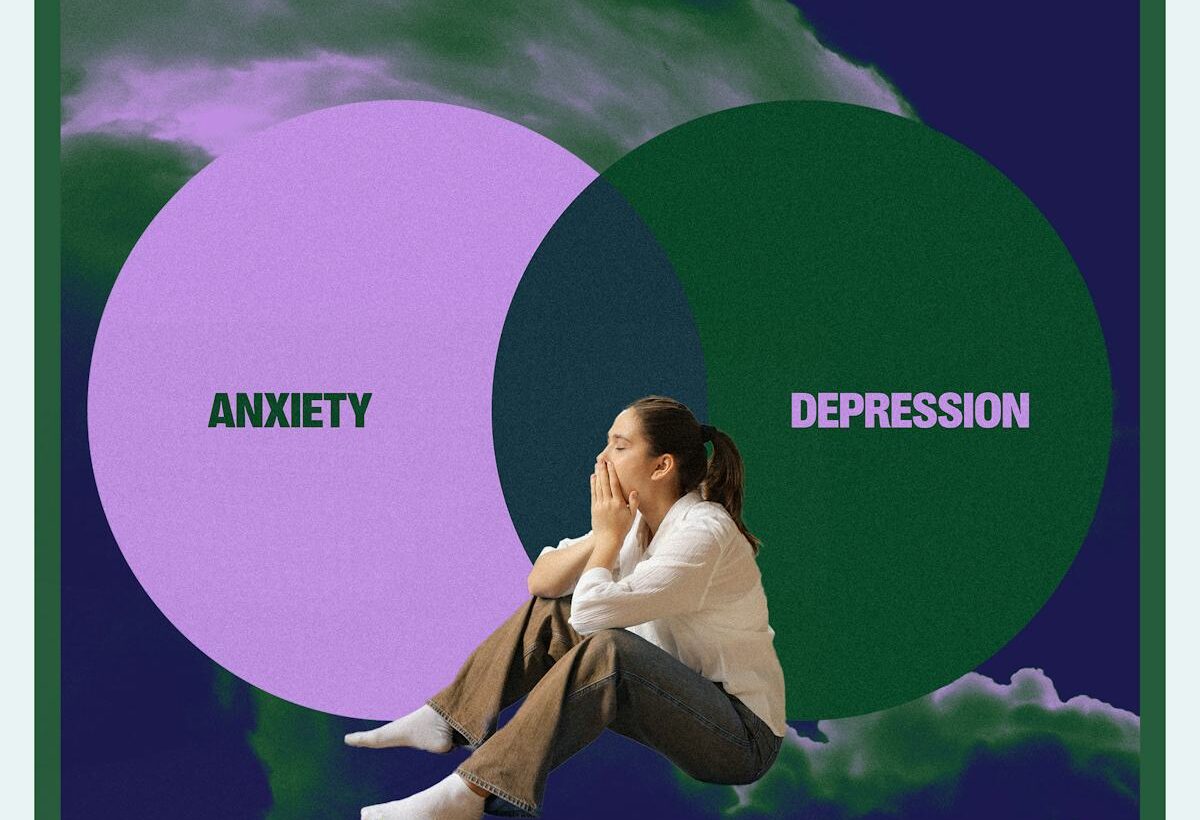
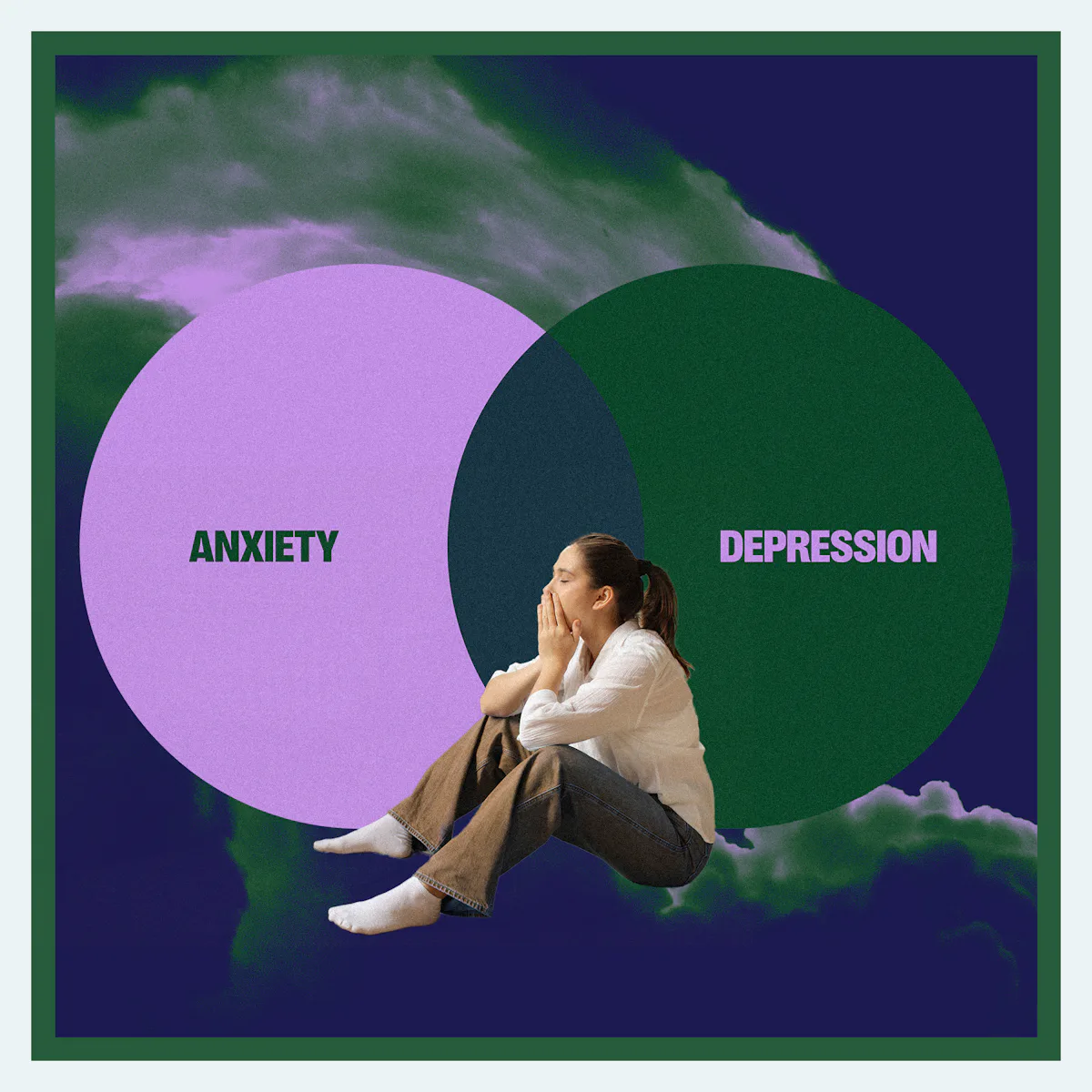
Just like anxiety and depression outside the postpartum period, postpartum depression and postpartum anxiety can overlap, Orlowsky says. That overlap can make it confusing to know what is going on, especially when someone is already exhausted and trying to care for a baby.
Both PPD and PPA can involve sleep issues, appetite changes, feelings of guilt, shame, or hopelessness, and negative feelings about identity as a mom.
“Postpartum depression is more than a depressed mood,” Orlowsky says. “It can often be accompanied by anxiety and overwhelming feelings of guilt and shame, because women will describe having negative thoughts about themselves.”
It is also possible for both conditions to happen at the same time, or for one to trigger the other. According to a 2025 study in BMC Pregnancy and Childbirth, nearly 10% of new moms self-reported both PPD and PPA at the same time.
“Over time, the diagnoses can overlap,” Orlowsky says. “As you can imagine, if anxiety is long-lasting, it can lead to depressive symptoms.” I think about a mom who is constantly worried about whether her baby is still breathing, whether the swaddle is too tight, or whether the baby is eating enough.
“She’s sleep deprived because she’s checking on the baby, she’s on high alert, she’s exhausted physically and mentally,” Orlowsky says. “That’s going to eventually have an effect on mom where she’s going to feel irritable, agitated, or rageful and depressed because of that. That’s why we do see so much overlap.”
Why Knowing The Difference Matters
“When there isn’t the information or education given to moms and new families about what to look for, moms are left diagnosing themselves or not really knowing what’s going on,” Orlowsky says. “When we don’t recognize the full range of conditions that moms can experience, they may not receive the right support.”
If I were only watching for one set of symptoms, I might assume I was fine if those symptoms did not show up, even if I was clearly struggling in another way. That is why understanding both PPD and PPA matters: it can help make distress easier to recognize and harder to dismiss.
Knowing the difference can also help someone see that what they are feeling is more than the baby blues or a normal postpartum adjustment. “Having a name for it like, ‘oh, this is postpartum anxiety,’ can help you feel validated,” Orlowsky says.
It can also encourage quicker treatment, which matters because waiting can affect bonding with the baby and may lead to longer-term consequences. “If left untreated, it can affect mom’s identity — she can have this narrative of being a ‘bad mom’ because of her anxiety or depression,” Orlowsky says.
Whether someone is experiencing PPD, PPA, or both, Orlowsky says treatment is often very effective. Support can include individual therapy, group therapy, and social support. Separate support groups for PPD and PPA may also be helpful because they connect new moms with others who understand a similar set of symptoms and experiences.
“These mental health conditions are highly treatable,” Orlowsky says. “They can help moms experience symptom relief and be able to reengage or be the mom that they want to be.”
Postpartum Support International can help you find a local or online support group. There is also a 24/7 help line dedicated to supporting new moms and family members, including dads and partners.
Presented by BDG Studios
Inspired by this post on Scary Mom.