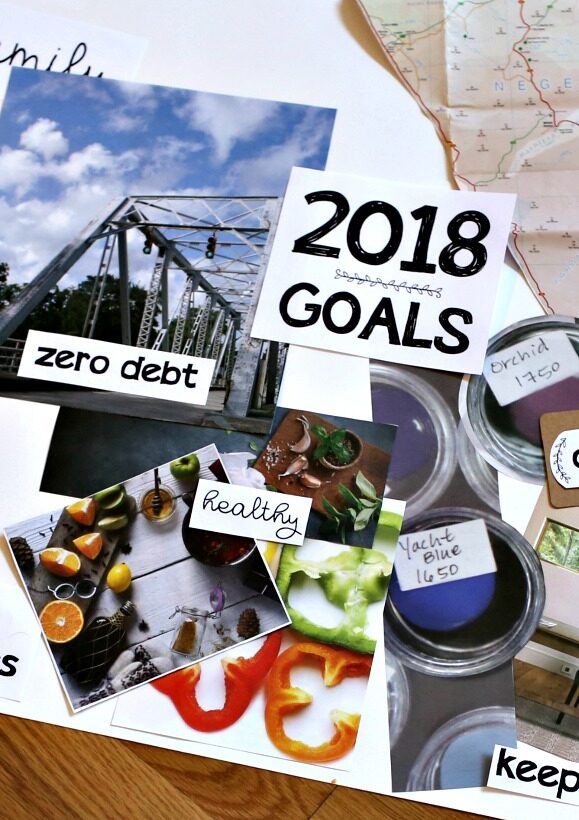
A vision board can be more than a craft project. Used thoughtfully, it becomes a simple planning tool: a visible reminder of what a person or family wants to move toward.
The Realistic Mama frames the project around three connected ideas: choosing meaningful goals, creating the board, and using it to help achieve those goals. Because the source material is brief, the guidance below keeps the facts general and focuses on a practical way to make the idea useful at home.
Start With Goals Before You Start With Images
The easiest mistake with a vision board is beginning with pretty pictures before deciding what they are meant to represent. A stronger approach is to first name the areas of life that need attention. For a family, that might mean routines, finances, health, travel, home projects, connection, learning, or time together.
According to The Realistic Mama, the point is not only to create a board but also to create better goals and follow through on them. That matters because a board without a goal can become decoration. A board tied to a clear intention can serve as a prompt for daily choices.
- Choose a few broad areas that matter right now.
- Write one clear goal for each area in plain language.
- Ask whether each goal is realistic enough to act on.
- Pick images, words, or symbols that point back to those goals.
Make the Board Specific Without Making It Complicated
A useful vision board does not need to be elaborate. It can be made with a poster board, a bulletin board, a notebook page, or a digital layout. The format matters less than whether the board is clear, visible, and connected to action.
For households with kids, simplicity is usually an advantage. A crowded board can be hard to read and easy to ignore. A board with fewer, more intentional items gives everyone a better chance of remembering what each image represents.
- Use a short phrase for each goal instead of long explanations.
- Group related images together so the board has an obvious structure.
- Leave some empty space so the board does not feel visually noisy.
- Include goals that reflect real family priorities, not just what looks aspirational.
Key Takeaways
- The source presents a vision board as a way to choose goals, make them visible, and work toward them.
- The strongest boards begin with clear intentions before images are selected.
- A family vision board works best when it is simple enough for everyone to understand.
- The board should be revisited regularly so it supports follow-through instead of becoming background decor.
Turn the Board Into a Follow-Through Tool
The Realistic Mama emphasizes achieving goals, which is the part many vision board projects leave vague. A board can help with motivation, but it cannot replace a plan. The practical next step is to pair each visual cue with one small behavior.
For example, a goal about calmer mornings might connect to preparing backpacks the night before. A goal about spending more time together might connect to one protected family evening each week. The board reminds people of the direction; the routine creates movement.
- Choose one next action for each goal on the board.
- Keep the board somewhere it will actually be seen.
- Review it monthly and remove goals that no longer fit.
- Celebrate progress in a grounded way, even when the full goal is not finished.
Use It as a Conversation, Not a Test
When a vision board includes children or multiple family members, it can work best as a conversation starter. What does everyone want more of? What feels too hard right now? Which goals belong to one person, and which ones are shared?
That distinction is important. A board should not turn into pressure to perform or a public scorecard. It should help make priorities visible in a way that feels manageable. Families can use it to talk about tradeoffs, notice progress, and decide what deserves attention next.
A vision board is most useful when it stays connected to real life. Keep it clear, keep it visible, and let it guide small decisions long after the scissors, magazines, or design tools are put away.
Inspired by this post on The realistic mama.