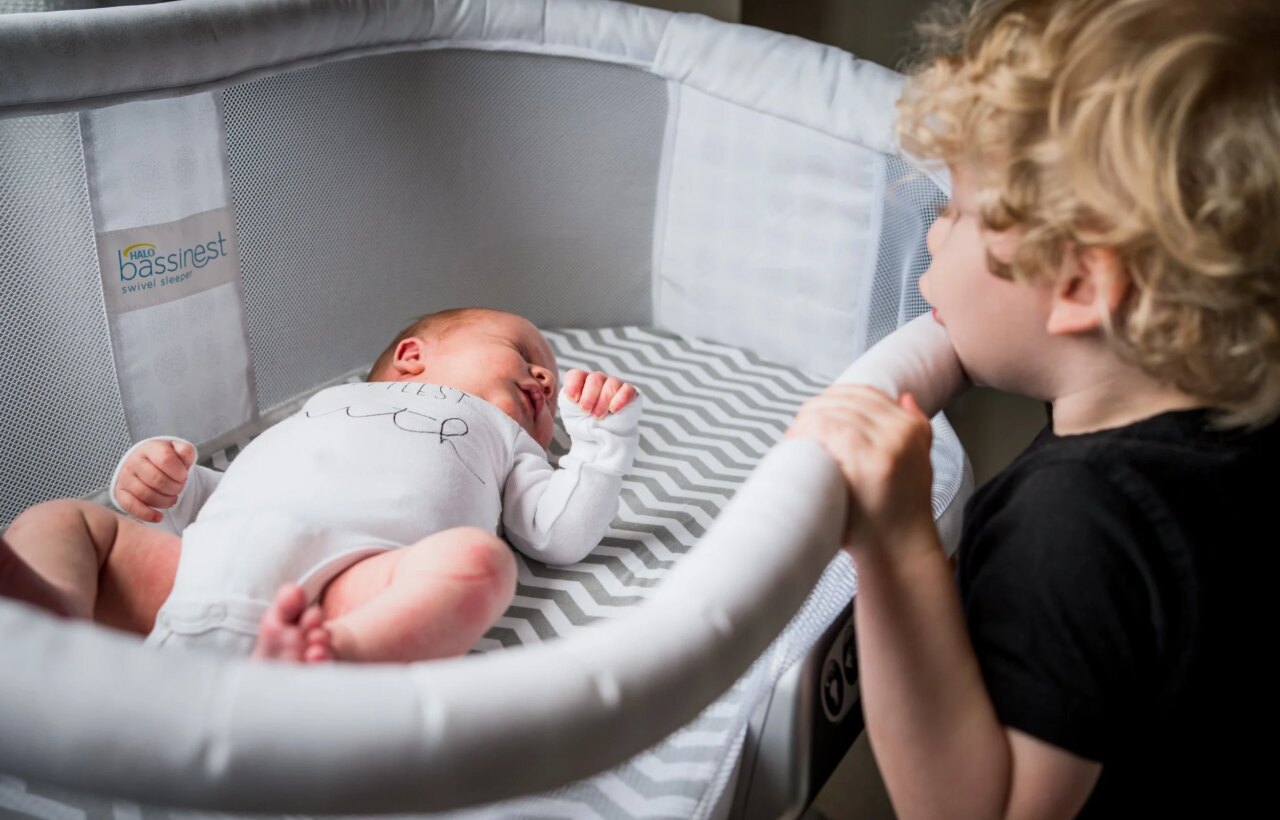
Bringing a baby home changes the rhythm of the whole household, and older siblings often feel that shift before they can explain it. Excitement, jealousy, curiosity, worry about crying, and a sudden need for extra attention can all show up at once.
Drawing on guidance from Welcome Baby Co. Blog, this article focuses on practical ways parents can prepare an older child, protect connection, and make the early newborn weeks feel less like a loss of place for the big sibling.
Start With What Your Child Can Understand
Preparation does not need to be complicated. Welcome Baby Co. Blog recommends talking with children before the baby arrives about what life may look like after birth. For younger children, age-appropriate books about becoming a sibling can give language to a change that otherwise feels abstract.
Play can also make the idea of baby care more concrete. A doll or stuffed toy gives a child a way to practice gentle caregiving, diaper changes, feeding routines, or simply being near a baby. The point is not to turn the older child into a helper with responsibilities. It is to make the new routines familiar before they become constant.
Questions matter, too. A child may ask the same thing repeatedly or focus on details adults would not expect. That repetition can be part of processing. Clear, simple answers are usually more useful than a long explanation.
Set Up the Home for Moments When Your Hands Are Full
A common pressure point is the moment a parent sits down to feed, change, or settle the baby and the older child suddenly needs something. The source suggests preparing a few self-serve options ahead of time so the older child has safe, simple choices during those moments.
- A snack bin in an easy-to-reach place can help an older child manage a small need while still staying close to the parent.
- Busy bins with small themed toys can be reserved for moments when the baby needs focused care, which helps keep them interesting.
- A reachable book basket allows the child to choose a story or picture book to look through with the parent during feeding time.
These tools work best when they are framed as inclusion, not dismissal. A child who is asked to bring a book over while the baby feeds is still part of the room. A child who is sent away every time the baby needs care may begin to experience the baby as the reason they are being excluded.
Protect Familiar Routines Where You Can
Welcome Baby Co. Blog advises making major changes before the baby comes home when possible. Moving bedrooms, switching from a crib to a bed, or changing a major daily routine can feel less connected to the baby if the older child has time to adjust first.
Some disruption is unavoidable in the newborn stage. Still, familiar routines can anchor a child when the rest of the day feels unpredictable. Bedtime, morning habits, reading rituals, or regular moments with a parent can reassure an older sibling that their life has not been completely replaced by the baby’s needs.
The goal is not perfect consistency. It is preserving enough predictability that the child can recognize their place in the family.
Use Language That Does Not Make the Baby the Problem
One of the most useful points in the source is about wording. When parents repeatedly say they cannot play, help, or listen because of the baby, resentment can build. The baby becomes the reason for every no.
A small reframe can change the emotional message. Instead of leading with the baby as the obstacle, parents can acknowledge the child first: they would like to play in a few minutes, their hands are full right now, or they want to hear about the toy the child is holding. The limit is still real, but the older child hears that they still matter.
The source also suggests occasionally letting the baby wait in a visible way. For example, a parent might tell the older child that the baby has a need soon, but first the parent is going to spend a few minutes with them. This kind of moment can be powerful because it shows that the older sibling is not always second in line.
Give the Big Sibling a Role Without Making Them Responsible
Including an older child can be as simple as asking them to choose an outfit, pass a diaper, sing a song, or care for their own doll nearby. These small invitations can help the child feel involved in the baby’s care without carrying adult expectations.
Praise should be specific and warm. Noticing patience, gentleness, helpfulness, or effort gives the older sibling a clearer sense of what is going well. Welcome Baby Co. Blog also notes that it helps to acknowledge that being a big sibling can be hard. Children do not only need praise for coping well; they also need permission to have complicated feelings.
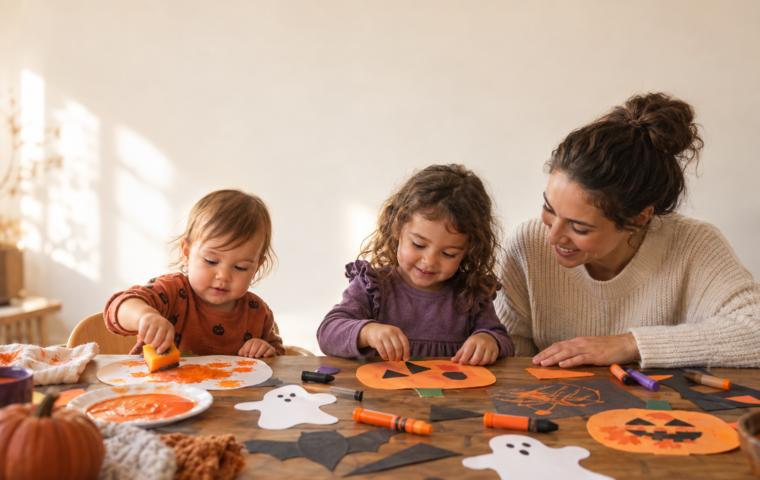
One-on-one time is another important piece. The source mentions that even 10 minutes of focused play, coloring, or reading can help reduce jealousy. Short, protected attention often matters more than a long activity that keeps getting interrupted.
Expect Some Regression and Respond With Connection
Regression can happen when children are under stress. According to the source, a recently potty-trained child may want diapers again or have accidents, while others may struggle with sleep or start using baby talk. These behaviors can be frustrating, but they may be a way of seeking closeness or coping with change.
Parents do not have to ignore limits or pretend everything is easy. But responding as if the behavior is communication, rather than defiance, can keep the relationship steadier. The adjustment is temporary for many families, and bonding between siblings may take time.
Key Takeaways
- Prepare the older child before birth with simple conversations, books, and pretend baby care.
- Set up snacks, books, and activity bins so the child has options when newborn care takes both hands.
- Make major household changes before the baby arrives when possible, and preserve familiar routines.
- Avoid making the baby the stated reason for every delay, refusal, or interruption.
- Expect mixed feelings and possible regression, and use small moments of focused attention to rebuild connection.
Families do not need a flawless transition for the sibling relationship to begin well. A more realistic goal is steady reassurance: the baby belongs, the older child belongs, and there is still room for each child to be seen.
Inspired by this post on Welcome Baby Co. Blog.