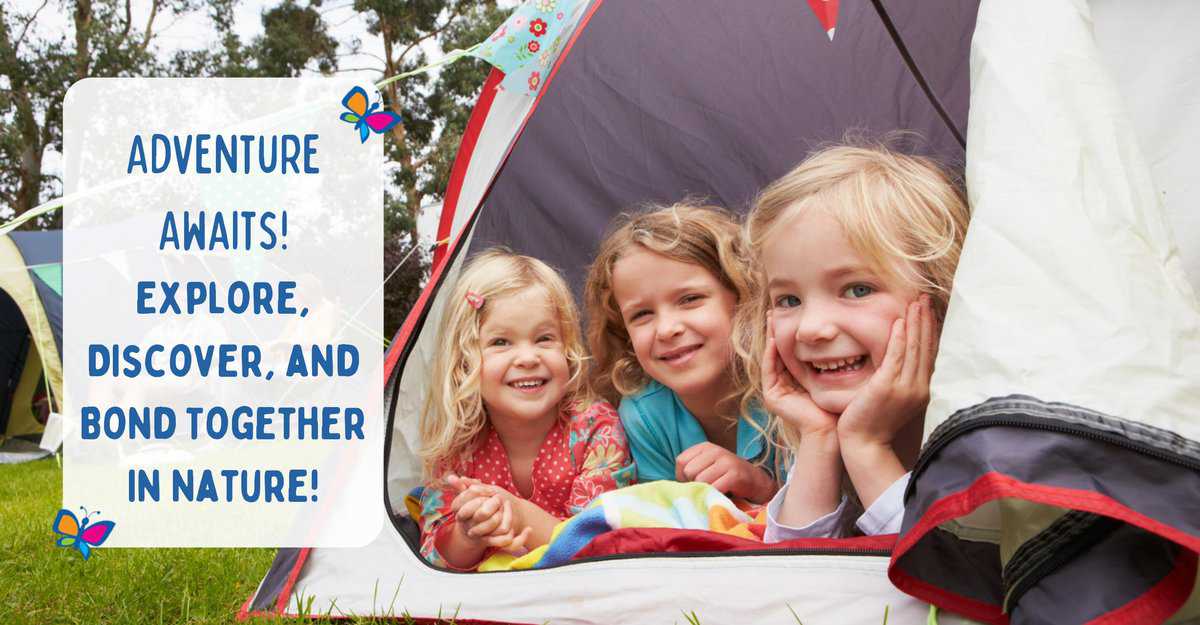
Camping with kids can sound simple: pack the car, find a place to sleep, and let nature do the rest. In practice, the best family camping trips are usually the ones planned around children’s comfort, attention spans, and need for predictable rhythms.
Childhood Development Info frames camping as one way families may spend warmer, longer days outdoors and explore nature together. Because the available source material is brief, this guide keeps the reported facts limited and focuses on general, practical planning families can adapt before a first or next overnight trip.
What the Source Actually Establishes
The source identifies camping with kids as a family outdoor activity connected to warm weather, longer days, and interest in nature. It does not provide a detailed checklist, age guidance, campsite recommendations, or safety rules in the supplied material.
That matters because family camping advice can easily become too specific too quickly. A toddler’s first night in a tent, a school-age child’s weekend at a campground, and a teen’s backcountry trip are very different experiences. Parents are better served by starting with the question the source raises indirectly: how can time outdoors feel inviting rather than overwhelming?
Start With the Kind of Trip Your Child Can Handle
For many families, the first decision is not where to go. It is how much novelty the child can manage. Camping changes sleep, food, bathrooms, noise, light, and routines all at once. Some children enjoy that immediately; others need a slower introduction.
- Choose a short first trip if the child has never slept away from home or outside a familiar bedroom.
- Consider a campground with basic amenities before attempting a more remote setting.
- Keep the schedule loose enough for breaks, boredom, and early bedtime.
- Have a clear backup plan if weather, fear, or fatigue makes the night difficult.
A successful trip does not need to be ambitious. For younger kids especially, roasting food, spotting insects, carrying a flashlight, or waking up somewhere new may already feel like a full adventure.
Protect Comfort Without Removing the Outdoor Feel
Camping is often marketed as a chance to unplug and simplify, but children still need familiar anchors. Comfort is not the opposite of outdoor learning; it is often what makes outdoor learning possible. A tired, cold, hungry, or anxious child is less likely to notice the woods, sky, or campfire and more likely to focus on getting home.
Parents can keep the experience grounded by bringing a familiar blanket, preserving part of the bedtime routine, packing foods the child will reliably eat, and explaining what will happen before it happens. The aim is not to recreate home outdoors. It is to give the child enough security to be curious.
Give Kids a Real Role at Camp
One reason camping can support family connection is that it creates shared work. Children can help in age-appropriate ways: placing sleeping bags, collecting safe loose kindling where allowed, filling water bottles, sorting snacks, or choosing a short walking route with an adult.
The role should be real but not high pressure. A child who helps set up a small corner of camp is more likely to feel ownership of the experience. A child who is corrected constantly may decide camping is just another place to get things wrong.
Key Takeaways
- According to Childhood Development Info, camping with kids fits into families’ interest in warmer-weather outdoor time and nature exploration.
- The available source material is brief, so families should avoid assuming it contains detailed safety or destination guidance.
- A manageable first trip, familiar routines, and age-appropriate responsibilities can make camping feel more accessible for children.
- The goal is not a perfect wilderness experience; it is a shared outdoor experience the family can build on.
A Smaller Trip Can Still Count
Families do not need to treat camping as an all-or-nothing test of outdoor skill. A backyard practice night, a single overnight at a nearby campground, or a day spent preparing gear together can all help children understand what camping involves.
Used thoughtfully, camping can become less about performing toughness and more about making room for wonder, patience, and shared attention. That is the practical promise behind taking kids outside when the days are longer: not a flawless trip, but a family memory that has enough ease to be repeated.
Inspired by this post on Childhood Development Info.