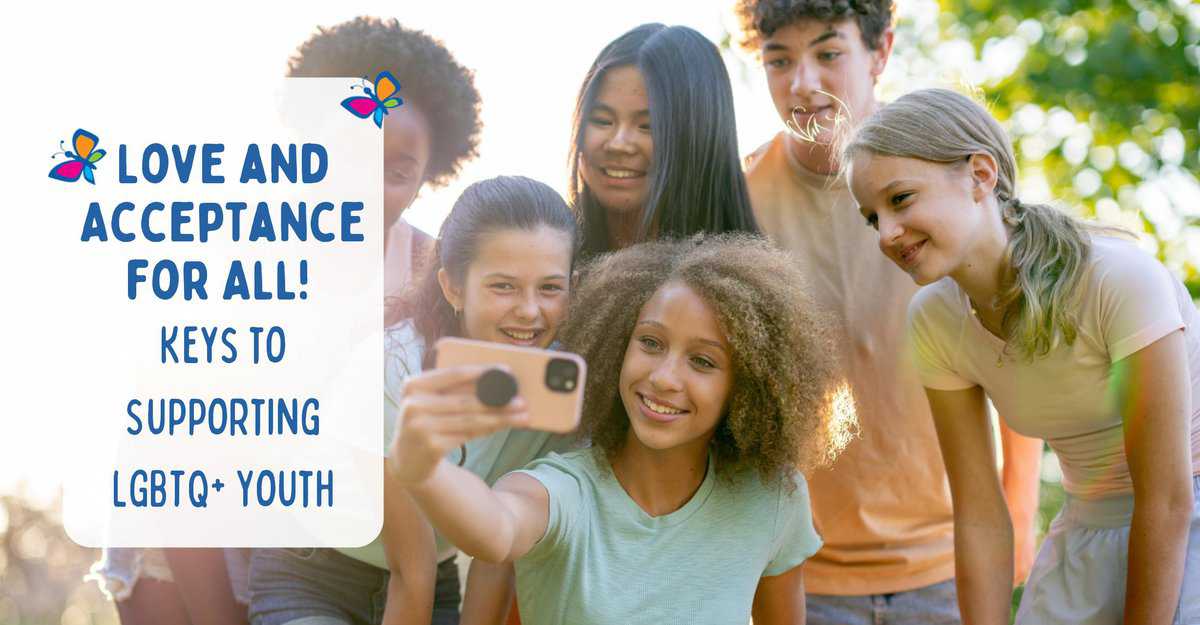
Childhood Development Info identifies support for LGBTQ+ youth as an important responsibility for parents, teachers, and caregivers. The available source text is brief, but its central point is clear: young people need adults who help create safe and accepting environments.
For families and schools, that idea becomes practical in everyday interactions. Support is not only a statement of approval; it is also the tone adults use, the privacy they protect, the assumptions they avoid, and the consistency they show when a young person is figuring out how to be understood.
What the Source Actually Says
The source material available from Childhood Development Info is a short preview rather than a full article. It says that understanding and supporting LGBTQ+ youth is important and names parents, teachers, and caregivers as adults with a role in creating a safe and accepting setting.
Because the source excerpt does not include statistics, research findings, examples, or step-by-step advice, this article does not add those as reported facts. Instead, it uses the source’s broad point as a starting place for general, non-specific guidance about adult behavior.
Why Safety and Acceptance Are the First Priorities
For a young person, feeling safe with an adult means more than avoiding open hostility. It means being able to ask questions, share concerns, or simply exist without being mocked, interrogated, or treated as a problem to solve. Acceptance does not require an adult to have perfect language or complete expertise. It does require respect, steadiness, and a willingness to listen.
LGBTQ+ is a broad term, and youth may use different words for their identities over time. Adults can support them by not rushing to label, correct, or publicize what a young person says. A calm response often matters more than a polished one.
How Parents, Teachers, and Caregivers Can Respond
The adults named by Childhood Development Info have different roles, but the same basic responsibilities apply. A parent may be shaping the emotional climate at home. A teacher may be setting expectations for respect in a classroom. A caregiver may be the trusted adult a young person turns to when a conversation feels too difficult elsewhere.
Supportive responses are usually built from small, repeatable habits:
- Listen before offering advice or correction.
- Use the words a young person uses for themself, when appropriate and safe.
- Avoid turning one conversation into a public family or classroom issue.
- Make it clear that disrespectful jokes, insults, or exclusion are not acceptable.
- Ask what kind of support would actually help, rather than assuming.
These habits are not a substitute for professional support when a young person is in distress, but they can make everyday environments feel less isolating and more predictable.
Key Takeaways
- Childhood Development Info frames support for LGBTQ+ youth as a responsibility shared by parents, teachers, and caregivers.
- The clearest point in the available source is the need for safe and accepting environments.
- Adults do not need to have every answer before they can respond with respect.
- Privacy, calm listening, and consistent boundaries around disrespect are practical forms of support.
Where Adults Should Be Careful
Good intentions can still create pressure. An adult may want to show support by asking many questions, sharing the information with others, or moving quickly into problem-solving. For some young people, that can feel exposing. A more careful approach is to ask permission before discussing identity-related information with other family members, school staff, or peers.
It is also important not to make one young person responsible for educating every adult around them. Adults can learn general language and concepts on their own while still letting the young person define what matters in their own life.
A Practical Standard for Support
The most useful standard is simple: a young person should not have to earn basic respect by explaining everything perfectly. If an adult can stay curious, protect dignity, and keep the environment emotionally safe, they are already doing meaningful work.
The source excerpt leaves many details undeveloped, but its core message is still worth taking seriously. Support for LGBTQ+ youth begins with the daily choices adults make to be trustworthy, measured, and accepting.
Inspired by this post on Childhood Development Info.