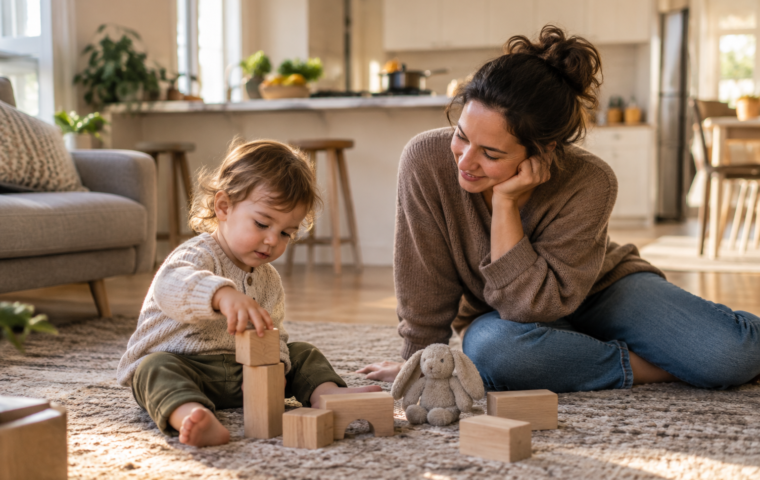
Family mindfulness is often presented as a way to slow down the noise of daily life, but it works best when it is treated as a small habit rather than another parenting project.
Childhood Development Info frames the topic around a familiar problem for parents: routines can become chaotic enough that family members feel overwhelmed or disconnected. With only a brief source excerpt available, the most useful takeaway is not a long list of claimed techniques, but a practical way to think about mindfulness at home without overstating what the source reported.
What the source makes clear
According to Childhood Development Info, the article is about exploring mindfulness activities for families. The available excerpt connects that idea to parental concern for family well-being and happiness, especially when everyday pressure leaves people feeling stressed or less connected.
That is a broad starting point, not a detailed research claim. The source material provided here does not include specific exercises, statistics, age recommendations, study findings, or clinical advice. Any practical guidance should therefore be understood as general context about mindfulness, not as a list of activities reported in the source.
What family mindfulness can mean in practice
Mindfulness generally means paying attention to the present moment with more intention and less automatic reaction. For families, that can be as simple as pausing long enough to notice breathing, tone of voice, body tension, or the mood in the room before responding.
The point is not to make children perfectly calm or to turn parents into meditation experts. A more realistic aim is to create short moments of attention that interrupt the rush: before school, after a conflict, during a transition, or at bedtime. Used this way, mindfulness is less about performance and more about helping a family notice what is happening before the moment escalates.
Small habits fit family life better than big plans
Because the source highlights daily chaos, the most practical approach is to keep mindfulness brief and repeatable. A family that is already overwhelmed is unlikely to benefit from a complicated routine that requires extra supplies, perfect quiet, or long blocks of time.
- Try one quiet breath together before leaving the house.
- Ask each person to name one thing they notice in the room.
- Use a short pause before answering during tense conversations.
- Make bedtime a moment for noticing one good part and one hard part of the day.
- Keep expectations age-appropriate, especially for younger children who may need movement instead of stillness.
These examples are general mindfulness ideas, not specific recommendations attributed to Childhood Development Info. They show how the broader concept can be adapted to normal family routines without adding pressure.
Key takeaways
- Childhood Development Info presents family mindfulness as a response to feeling overwhelmed and disconnected.
- The provided source excerpt does not include detailed activities, research claims, or outcomes.
- Mindfulness at home can be understood as brief, intentional attention during ordinary moments.
- Short practices are more realistic for busy families than elaborate routines.
- Parents should avoid treating mindfulness as a cure-all for stress, conflict, or anxiety.
Where mindfulness has limits
Mindfulness can be a useful family tool, but it should not be used to dismiss real problems. If a child is anxious, a parent is burned out, or household stress is persistent, a short pause may help the moment but will not replace support, boundaries, rest, or professional guidance when needed.
The most grounded way to use the idea is modestly: choose one routine moment, make it calmer by a few degrees, and notice whether it helps the family feel more present with one another. That keeps the focus where the source places it, on well-being and connection, without turning a thin excerpt into claims it does not support.
Inspired by this post on Childhood Development Info.