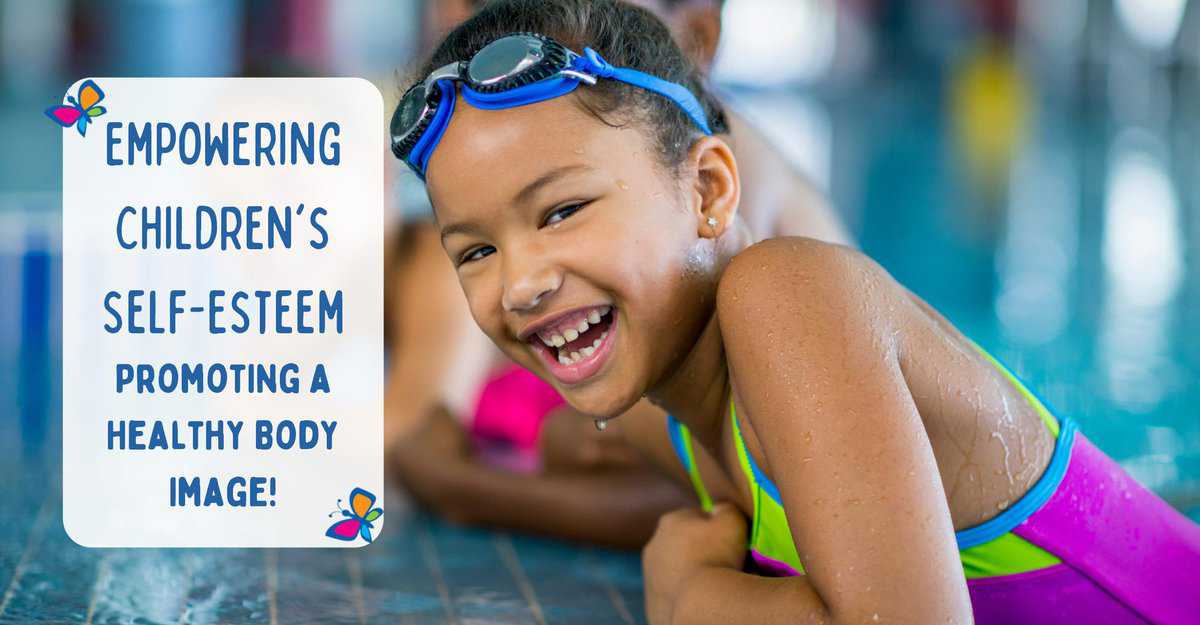
Childhood Development Info frames positive body image as part of a child’s confidence and overall happiness. The source material is brief, but the core point is practical: children benefit when the adults around them help separate self-worth from appearance.
For parents and caregivers, that means paying attention to everyday language, routines, media habits, and the way bodies are discussed at home. The goal is not to make children ignore appearance altogether, but to help them see their bodies as capable, changing, and worthy of respect.
Body Image Starts Before Kids Can Name It
Body image is the way a person thinks and feels about their body. In children, it can be shaped by comments they hear, comparisons they make, and the standards they absorb from family, peers, entertainment, advertising, and online spaces.
According to Childhood Development Info, encouraging positive body image matters because it supports self-confidence and happiness. That does not mean every child will feel good about their body all the time. It means children need steady cues that their value is not conditional on size, shape, weight, skin, hair, ability, or how closely they match a narrow ideal.
What Parents Can Control at Home
Parents cannot remove every impossible beauty standard a child may encounter. They can, however, make home a place where body talk is less judgmental and more grounded. A useful starting point is to notice whether comments about bodies are mostly about appearance or about care, comfort, strength, rest, movement, and health.
Children often learn from tone as much as from direct advice. When adults criticize their own bodies, praise weight loss automatically, or treat certain foods as moral failures, kids may absorb those patterns. A more supportive approach is to talk about bodies in neutral, respectful language and to avoid making appearance the main way children receive attention.
- Compliment effort, kindness, creativity, persistence, and problem-solving, not only looks.
- Describe food and movement in terms of energy, enjoyment, and care rather than punishment or reward.
- Correct teasing or body-based jokes quickly, even when they are framed as harmless.
- Make room for different body types in books, shows, toys, and family conversations.
Key Takeaways for Raising Body-Positive Kids
- Childhood Development Info identifies positive body image as connected to children’s confidence and happiness.
- Body-positive parenting is not about constant praise; it is about steady respect for the body a child has.
- Everyday comments about food, size, exercise, and appearance can either reduce shame or reinforce it.
- Parents can help children question unrealistic beauty standards without turning appearance into the center of every conversation.
Helping Kids Handle Comparison
The source points to a culture that often emphasizes unrealistic beauty ideals. For children, comparison can show up through classmates, older siblings, sports, dance, social media, or entertainment. The answer is not usually one big lecture. It is a series of small conversations that teach kids to ask better questions about what they see.
Caregivers can point out that images are selected, posed, edited, filtered, or styled. They can also ask how certain content makes a child feel. If a child repeatedly feels worse after looking at a particular account, show, or trend, that is useful information. The lesson is not that all media is bad, but that children can learn to notice when something is affecting their self-worth.
Confidence Grows Through Capability
A body-positive home does not need to avoid health, sports, grooming, or clothing. The difference is the frame. Movement can be about play, skill, stress relief, teamwork, or feeling strong. Clothes can be about comfort and self-expression. Health routines can be about caring for the body rather than fixing it.
This matters because children are still forming the inner voice they may carry into adolescence and adulthood. When adults consistently connect bodies with capability, care, and respect, children get an alternative to appearance-based judgment.
When a Child Is Already Struggling
If a child frequently criticizes their body, avoids activities because of appearance concerns, or seems distressed by food, clothing, photos, or comparison, parents should take that seriously. The source material does not provide clinical guidance, so it is best to avoid overinterpreting those signs. A trusted pediatrician, therapist, or qualified health professional can help families understand what is going on.
The practical takeaway is simple: body confidence is built through repeated messages, not one perfect conversation. A child who hears that their body deserves care and respect is better equipped to move through a world that often tells them otherwise.
Inspired by this post on Childhood Development Info.