Teen TikTok Safety: A Practical Parent Conversation Guide

A practical guide to discussing TikTok with teens, using the reported concerns as a starting point for privacy, screen time, and boundaries.

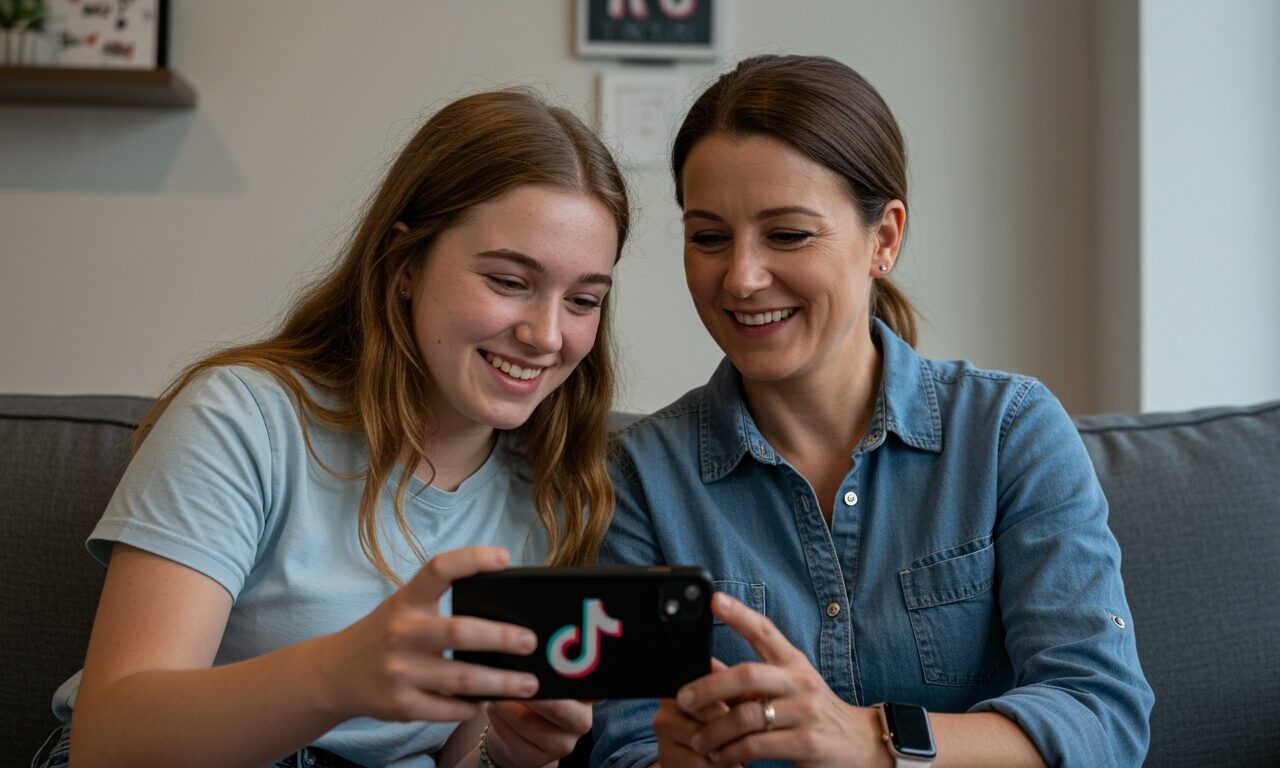
Young person and adult woman smiling at a phone with a TikTok logo while sitting on a couch.
A young person and an adult woman sit close together on a gray couch, smiling as they look at a smartphone with the TikTok logo on its case.

For many families, TikTok is not a fringe app teens occasionally mention. It is part of the everyday social media landscape, which is why parent concerns deserve more than a simple yes-or-no answer.

Kars4Kids Parenting frames the issue around a familiar tension: teens are drawn to TikTok, while many parents worry about safety, privacy, and the broader implications of a Chinese-owned social media platform that the source says has been banned on government devices in all fifty states. Because the available source material is brief, the most useful approach is to separate what is reported from what parents can reasonably discuss at home.
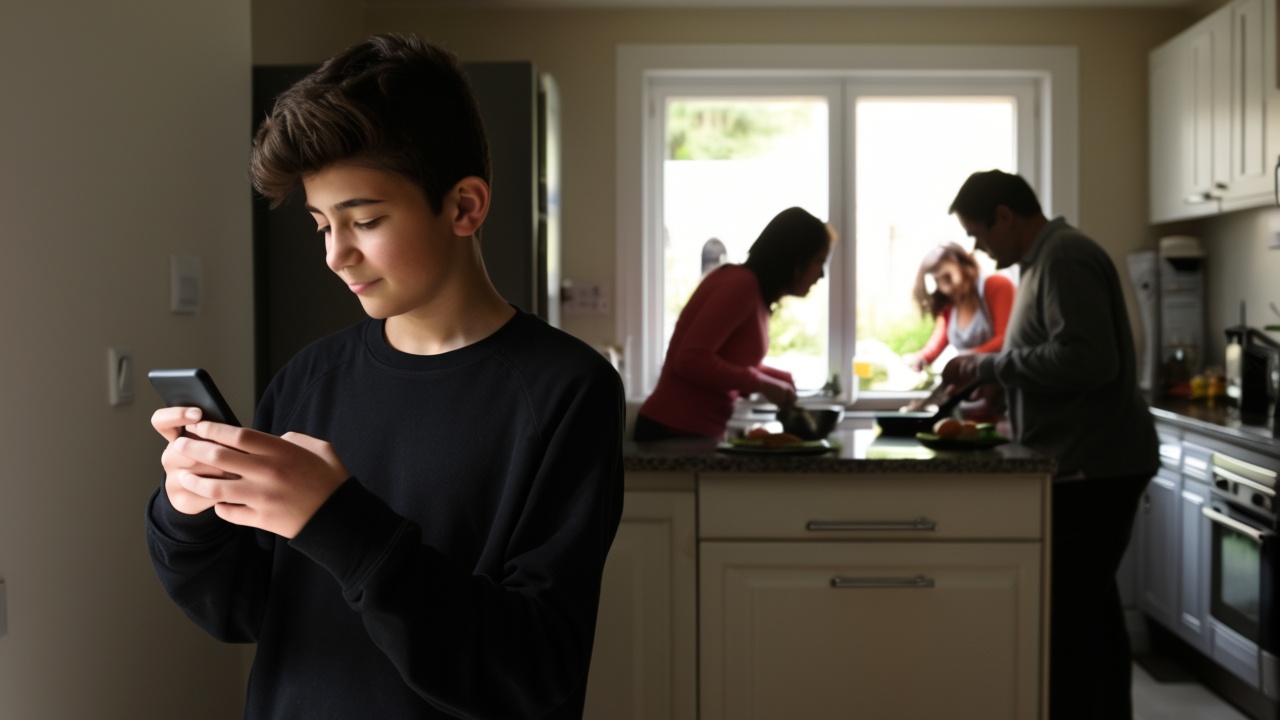
Young person looking at a phone in a kitchen while others prepare food in the background.
A young person stands apart in a kitchen, looking down at a phone as several people work near the counter and bright window behind him.

What the Source Actually Reports

According to Kars4Kids Parenting, the starting point is clear: many teens and TikTok appear closely linked, and many parents have serious concerns about the app. The source also points to government-device bans across all fifty states as one reason families may question whether the platform is safe for teenagers.
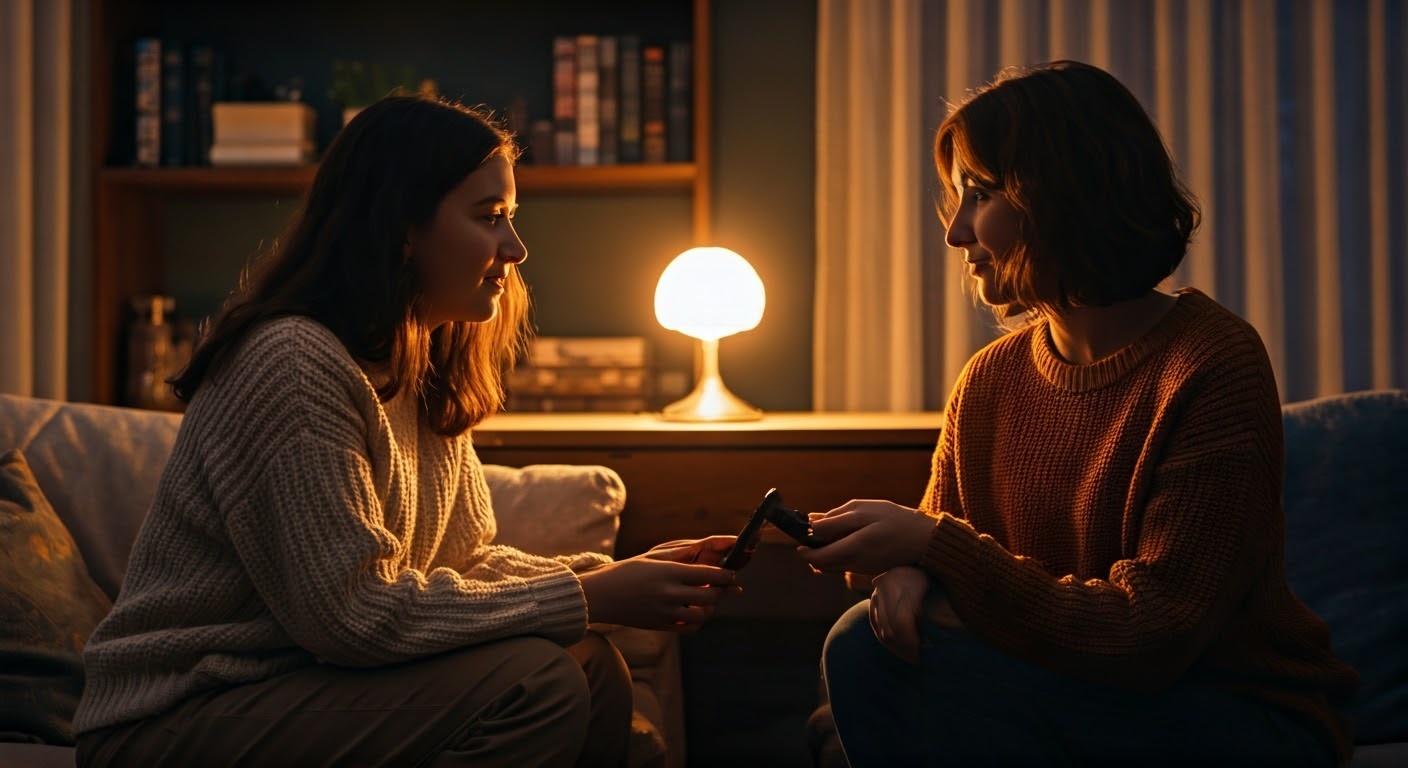
Two people sit facing each other on a sofa, holding a phone in warm lamplight.
Two people sit close together on a sofa in a dim room, facing each other while one holds a phone near a glowing table lamp.

That does not, by itself, answer whether a specific teen should use TikTok, how often, or under what limits. A government-device ban is a public-sector policy signal, not a parenting plan. Still, it can be a useful prompt for families to talk about data privacy, content exposure, screen time, and how much trust they want to place in any social media platform.
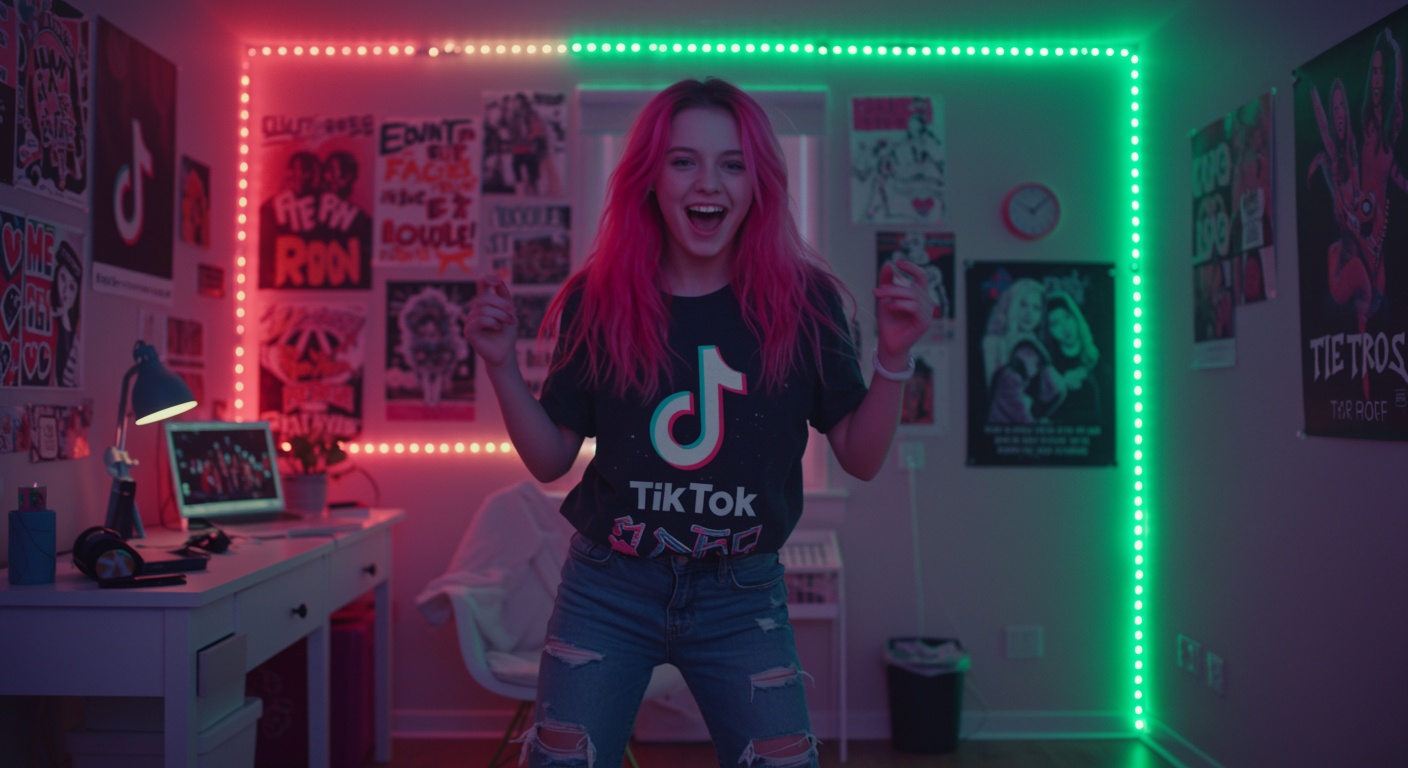
Young person in a TikTok shirt standing in a neon-lit bedroom with posters and red and green LED lights.
A smiling young person wearing a TikTok shirt stands in a bedroom decorated with posters, a desk, and bright red and green LED strip lights.

Why Parents Should Avoid an All-or-Nothing Conversation

A blanket ban may feel simple, but it can also push the discussion underground if a teen sees the app as a major social space. On the other hand, unlimited access can leave too much responsibility on a young person who is still learning judgment, impulse control, and digital boundaries.

Hand holding a smartphone showing the TikTok logo and profile grid while a blurred person gestures behind it.
A smartphone is held close to the camera with the TikTok logo and a grid of profile images visible, while a blurred person gestures in the warmly lit background.

A more practical middle ground starts with naming the concern. Is the parent worried about privacy, inappropriate content, time spent scrolling, social comparison, strangers, misinformation, or all of the above? Different concerns call for different boundaries. A privacy concern may lead to account-setting checks; a sleep concern may lead to device-free nights; a content concern may require more regular conversation about what the teen is seeing.
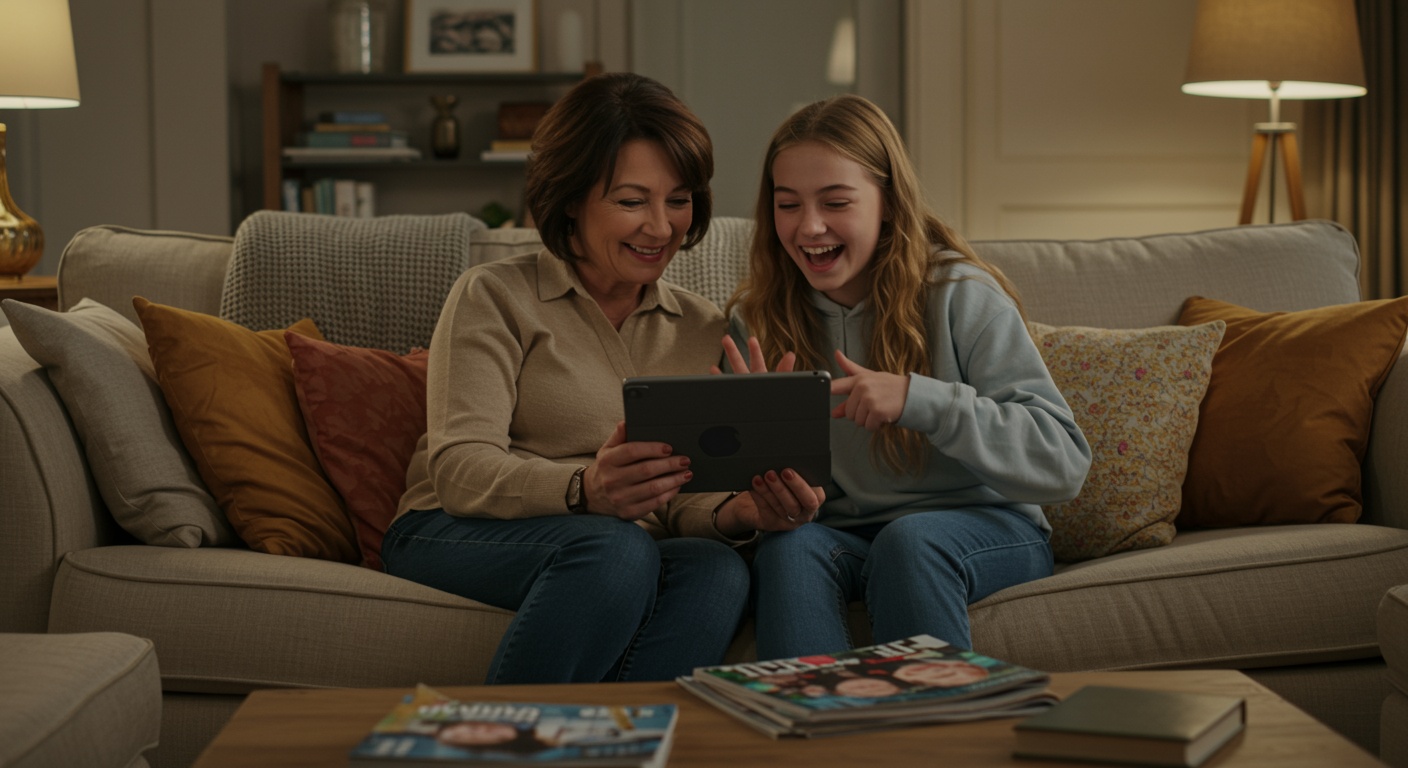
Woman and teen sitting on a couch smiling while looking at a tablet together
A woman and a teenage girl sit close together on a living room couch, smiling and looking at a tablet in a warmly lit room.

Key Takeaways for Parents

  • Kars4Kids Parenting reports that many parents are uneasy about TikTok, especially given government-device bans and concerns tied to the app’s ownership.
  • The available source material does not provide a complete safety checklist, so parents should avoid treating it as a full risk assessment.
  • The better first step is a calm conversation about what the teen uses TikTok for, what they see there, and what boundaries already exist.
  • Rules work best when they are specific: account privacy, direct messages, screen time, bedtime access, and what to do when disturbing content appears.

Questions to Ask Before Setting Rules

Parents do not need to become experts in every trend to ask useful questions. The goal is to understand the teen’s actual use instead of reacting only to headlines or assumptions.

Young person lying in bed using a phone showing the TikTok name and logo.
A young person rests on a pillow while holding a smartphone; the screen shows the TikTok name and logo, with a finger touching the display.
  • What do you mostly watch on TikTok: friends, humor, music, sports, beauty, news, or something else?
  • Do you post, comment, message, or mostly watch?
  • Is your account public or private?
  • Have you ever seen content that made you uncomfortable?
  • What would make TikTok easier to manage: time limits, no-phone hours, or help with settings?

These questions keep the focus on behavior. A teen who only watches videos privately has a different risk profile from one who posts publicly, accepts messages, or feels pressure to respond to trends. The rules should match the actual pattern.

Smiling young person taking a selfie in a brightly lit room with a camera, monitors, and colorful wall lights.
A smiling young person holds the camera for a selfie in a vivid, neon-lit room set up with monitors, a tripod-mounted camera, shelves, and wall art.

How to Turn Concern Into a Family Plan

The most durable family rules are clear, reviewable, and connected to a reason. Instead of saying TikTok is simply good or bad, parents can create a short agreement that covers privacy, time, content, and communication.
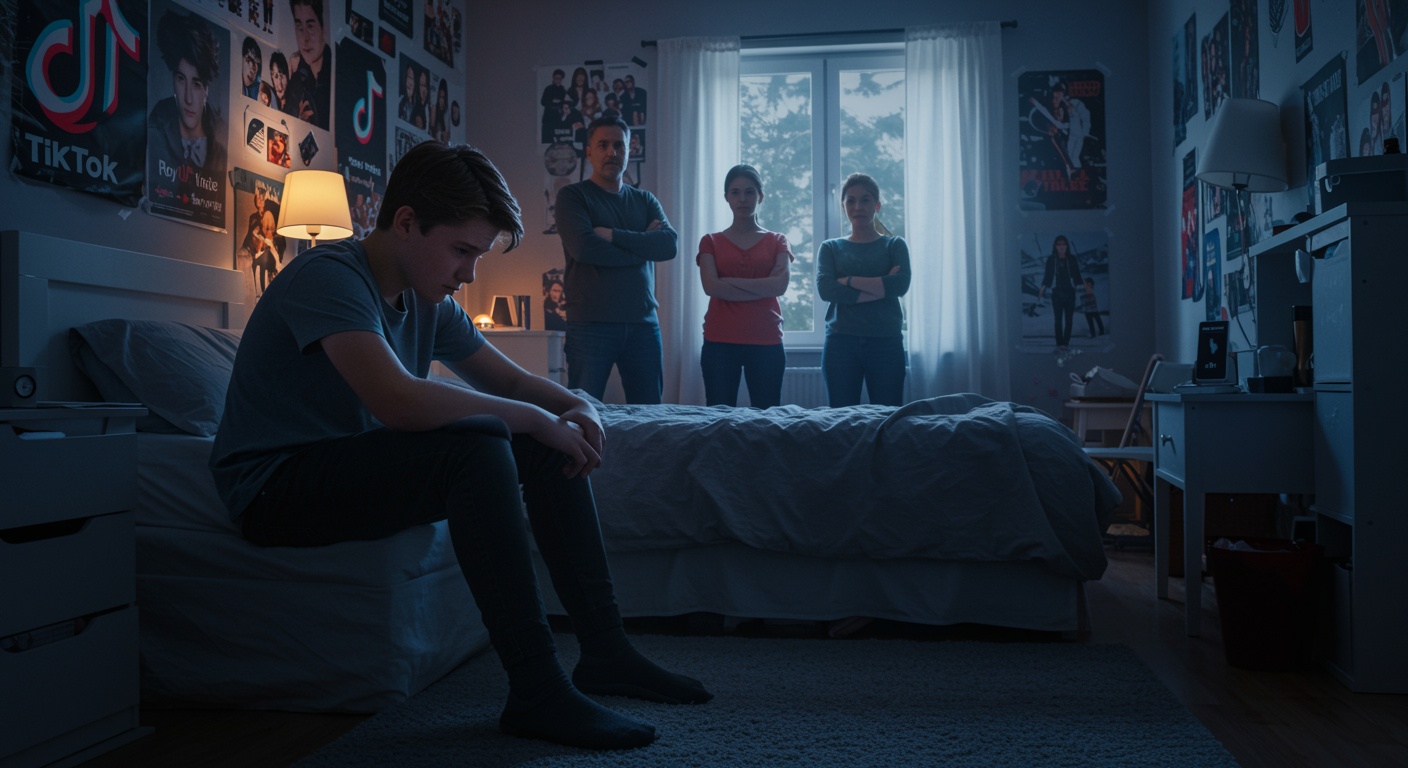
Young person sits on a bed while three people stand nearby in a poster-covered bedroom with TikTok text on the wall.
A dim bedroom scene shows a young person sitting apart on a bed as three people stand near a bright window, with posters and visible TikTok text on the walls.

For example, a family might decide that accounts stay private, direct messages are limited, phones charge outside bedrooms at night, and a teen can come to a parent without punishment if something upsetting appears. The point is not to remove every possible risk. It is to make the teen less alone inside the app.
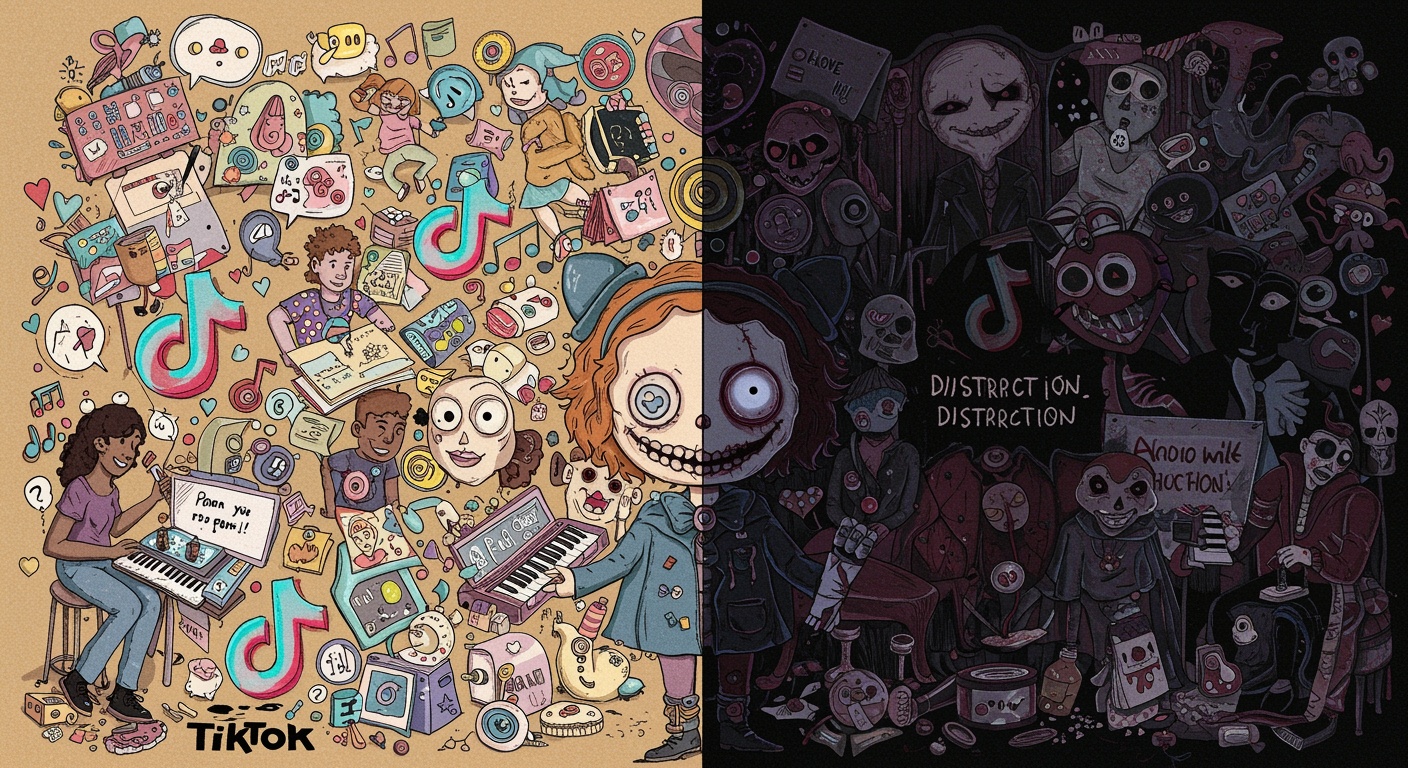
Split cartoon collage with TikTok logos, teens and devices on a bright side, eerie figures on a dark side.
A split illustration contrasts a lively, colorful social media scene with a darker crowded side filled with masked figures, faces, devices, and TikTok logos.

Kars4Kids Parenting raises a concern many families already feel: TikTok is popular with teens, and parents are right to ask hard questions. The next step is to turn that concern into a concrete household conversation, with rules that can change as a teen shows more maturity and responsibility.
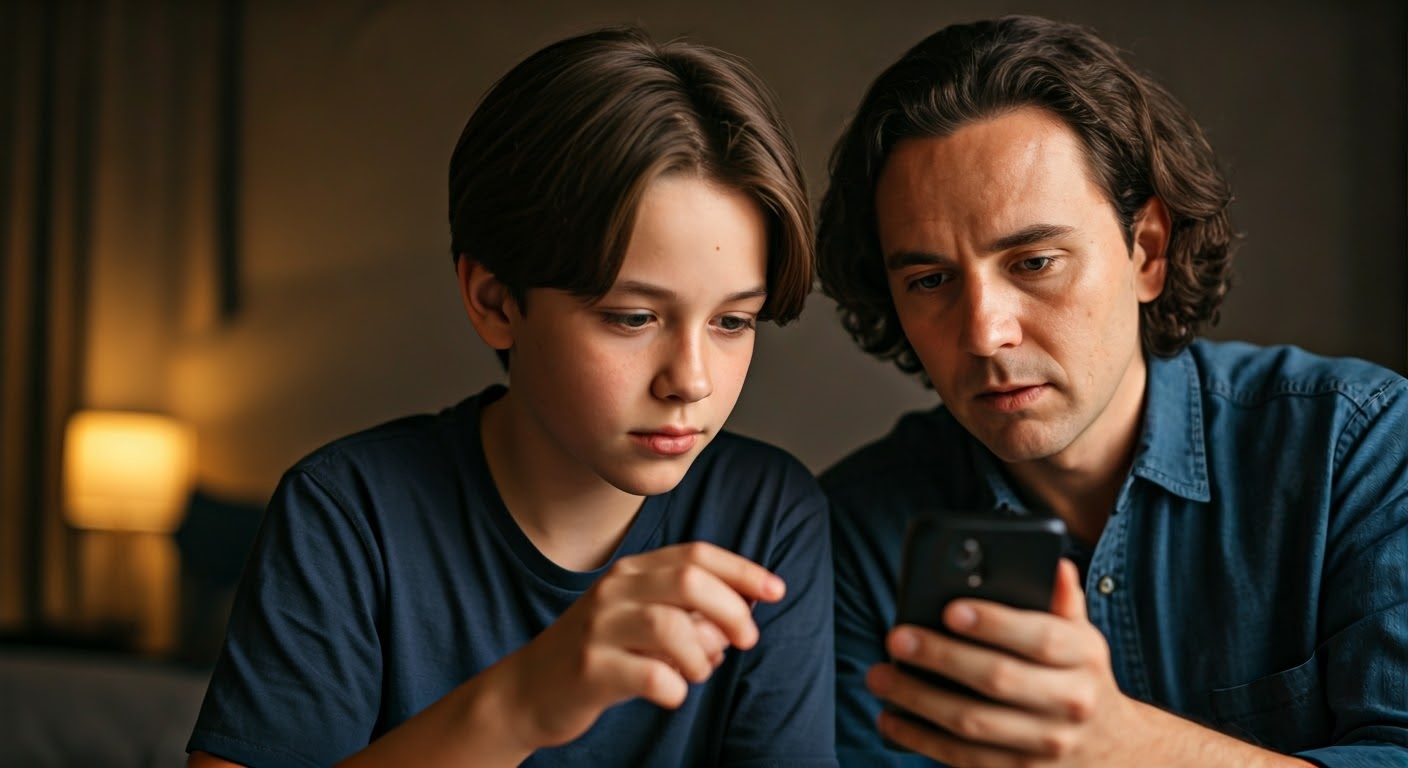
Teen and adult look closely at a smartphone in a dim indoor room.
A teen and an adult sit close together indoors, focused on a smartphone held by the adult, with warm blurred lighting in the background.

Inspired by this post on Kars4Kids Parenting.


Generated image 1 (2)

FAQs

How should parents start a conversation about teen TikTok safety?

Start by calmly asking what your teen uses TikTok for, what they see there, and which boundaries already exist. Focus on their actual behavior rather than reacting only to headlines or assumptions.

What TikTok concerns should families discuss?

The guide suggests talking about data privacy, inappropriate content, screen time, social comparison, strangers, and misinformation. Naming the specific concern helps families choose a matching boundary.

Is a blanket TikTok ban the best approach for teens?

The guide cautions that an all-or-nothing approach can be unhelpful: a blanket ban may drive use underground, while unlimited access may place too much responsibility on a teen. A practical middle ground uses clear limits tied to specific concerns.

What questions can parents ask before setting TikTok rules?

Parents can ask what their teen watches, whether they post or message, whether the account is public or private, and whether any content has made them uncomfortable. They can also ask whether time limits, no-phone hours, or help with settings would make the app easier to manage.

What boundaries can be included in a family TikTok plan?

A family plan might keep accounts private, limit direct messages, set screen-time or bedtime rules, and charge phones outside bedrooms at night. It can also make clear that a teen may seek help without punishment when upsetting content appears.

Do government-device bans determine whether a teen should use TikTok?

No. The article treats government-device bans as a public-sector policy signal that can prompt discussion, not as a complete safety assessment or a parenting plan for an individual teen.

How should TikTok rules change as a teen matures?

Rules should be clear, reviewable, and connected to a reason. Families can revisit them as the teen demonstrates greater maturity and responsibility.

Join the conversation

Your email address will not be published. Required fields are marked.

From birth till the first flush

A few taps now. A clearer picture later.

Log diapers, feeds, sleep and more in one calm place—then notice the gentle patterns in your baby’s day.

Get diapr.ai Free to download · iPhone & Android
Diaproo, the diapr.ai kangaroo mascot