Room temperature is one of those newborn details that can feel small until bedtime arrives. A baby may be fed, changed, and ready for sleep, but the room can still be too warm, too cool, or uneven from one part of the night to the next.
Newton Hush reports that the target range for a newborn’s room is 68 to 72 F, or 20 to 22 C. The useful question for parents is not only where to set the thermostat, but how to judge whether the baby is actually comfortable and safely dressed for sleep.
The temperature range to aim for
According to Newton Hush, newborns are sensitive to temperature changes because their ability to regulate body temperature is still developing, especially in the first couple of months. That is why a room that feels merely chilly or warm to an adult can matter more for a very young baby.
The source gives 68 to 72 F as the ideal sleep range. It may sound cooler than expected, especially to parents who instinctively want to add blankets or heavier layers. The caution is that overheating is a safety concern, and Newton Hush notes that overheating is associated with an increased risk of sudden infant death syndrome, or SIDS.
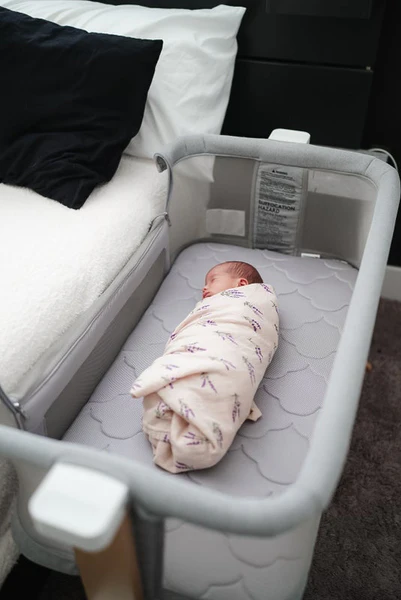
A thermostat is a good starting point, but it is not the whole picture. A nursery can vary by floor, insulation, sunlight, season, and where the crib sits in the room. A separate indoor thermometer in the baby’s room can help confirm what is happening where the baby actually sleeps.
Signs the room or sleepwear may need adjusting
Parents should pay attention to the baby, not just the number on the thermostat. Newton Hush lists several signs that a newborn may be too warm: a sweaty neck, hot chest or ears, flushed skin, irritability, or faster breathing. These signs are worth taking seriously, especially if the baby is wearing multiple layers.
Signs a baby may be too cold include blue hands or feet, shivering, or waking more often than usual, according to the source. Hands and feet can sometimes feel cooler than the rest of the body, so the baby’s chest, back, and neck are generally more useful areas to check for overall comfort.
Adult comfort can also be a practical cue. If the room makes a lightly dressed adult reach for a sweatshirt, the baby may need a warmer sleep layer. If an adult feels warm in a T-shirt, the baby may be overdressed or the room may need cooling.
How to dress a newborn for sleep
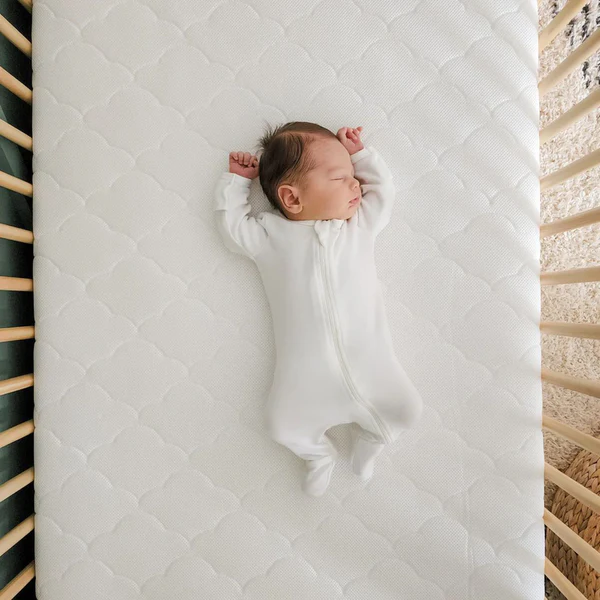
The safest temperature plan is tied to safe sleep basics. Newton Hush cites guidance that the crib should not contain loose blankets, pillows, stuffed toys, bumpers, or other soft items. A fitted sheet is the standard sleep surface covering. Loose bedding can cover a baby’s face, and a newborn cannot reliably move it away.
Instead of loose covers, the source suggests using a swaddle or wrap for newborn sleep, with an important limit: swaddling should stop once the baby shows signs of rolling over. Newton Hush reports that this begins for many babies between two and four months.
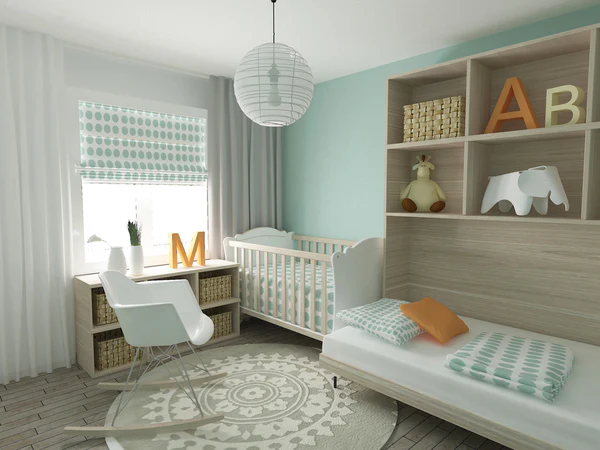
The source also recommends the common one-extra-layer rule: dress the baby in no more than one additional layer beyond what would keep an adult comfortable in the same room. Breathable fabrics can help, and sleepwear warmth can be compared by TOG rating. Newton Hush gives lower TOG ratings, such as 0.2 to 1.0, for warmer rooms and higher ratings, such as 2.5 to 3.5, for cooler rooms.
One item to skip at night is a hat. Newton Hush notes that babies regulate temperature through their head, so covering it during sleep can work against the goal of preventing overheating.
Room setup choices that can help
Air movement can make a nursery feel more even. Newton Hush reports that one study found fan use in an infant’s room was associated with a lower SIDS risk, while also noting that more research is needed. Practically, a ceiling or portable fan should not blow directly on the baby.
In warmer weather, a fan, open door, or open window may help fresh air circulate. An air conditioner can also be used, according to the source, as long as the room stays within the 68 to 72 F range and direct airflow is managed. In bright rooms, blackout curtains may help limit heat from sunlight during naps.
Humidity is a separate comfort issue. Newton Hush says a humidifier may help with dry skin, congestion, or soothing background noise, but it needs regular cleaning because mold and bacteria can grow inside. The source recommends cool mist rather than warm mist to avoid scalding risk.
Key takeaways
- Newton Hush gives 68 to 72 F, or 20 to 22 C, as the ideal room temperature range for a newborn.
- Check the baby’s neck, chest, skin color, breathing, and sleep patterns instead of relying only on a thermostat.
- Use fitted sheets only in the crib, and avoid loose blankets, pillows, bumpers, and stuffed items.
- Dress the baby in no more than one extra layer compared with what keeps an adult comfortable in the room.
- Stop swaddling when the baby shows signs of rolling, which the source says often begins between two and four months.
A simple bedtime check
The most useful routine is straightforward: set the room near the recommended range, dress the baby lightly and safely, keep the crib clear, and check the room again before adults go to sleep. Temperature will not be perfectly controlled every night, but a consistent check reduces guesswork and helps keep newborn sleep safer and more comfortable.
Inspired by this post on Newton Hush.