

Heavy metals in infant formula are a worrying topic because formula can be a major source of nutrition during a baby’s first months. The harder part for parents is separating realistic safety questions from impossible promises.
Using hibobbie Blog as the source, this article explains what the “Closer to Zero” idea means, why heavy metals can appear in food at all, and what parents can reasonably look for when comparing formula brands.

Why “zero” is not the practical standard
Heavy metals such as lead, arsenic, cadmium, and mercury are naturally occurring elements. According to hibobbie Blog, they can enter foods through soil, water, air, ingredient sourcing, processing, and packaging. That means the promise parents often want most – a formula with absolutely no heavy metals – is not the way the issue is usually framed.

The source points instead to the FDA’s “Closer to Zero” approach: reducing childhood exposure to contaminants as much as possible. In practical terms, parents are not only asking whether a contaminant can ever be detected. They are asking whether a company is actively trying to reduce exposure, test for it, and share enough information for families to make an informed choice.
Why infants get special attention
Trace exposure to metals can occur across many foods, but babies are a different risk category. The source notes that infants have small body mass and rapidly developing organs, including the brain and nervous system. That is why repeated exposure at certain levels is the concern, rather than the mere existence of naturally occurring elements in the environment.

For parents, the takeaway is not to panic over every mention of contamination. It is to look for evidence of risk reduction. Formula is highly regulated as a category, but hibobbie Blog reports that manufacturers are not required to conduct routine heavy metal testing and that mandatory federal limits for heavy metals in infant formula are not currently in place.
How metals can reach formula ingredients
The path from environment to finished formula can include several points of exposure. Crops may absorb metals from soil or water as they grow. The source identifies rice starch, palm oil, and corn syrup solids as ingredients of concern because of the way certain crops can retain metals from soil.

Manufacturing can also matter. hibobbie Blog says contamination may be introduced during ingredient sourcing, processing, or packaging, and that equipment or packaging materials can contribute trace amounts. Dairy ingredients can also be affected if animals consume contaminated feed or water. None of this means a formula is automatically unsafe; it means sourcing, production controls, and testing deserve attention.
Key takeaways for parents comparing formulas
- Look for brands that voluntarily test for heavy metals rather than relying only on minimum requirements.
- Ask whether testing is independent or third-party, and whether results are available for parents to review.
- Treat “Closer to Zero” as a risk-reduction standard, not a guarantee that metals can be eliminated from the food supply.
- Consider ingredient choices, especially when a formula relies on ingredients the source links with higher contamination concern.
- Use certifications as supporting signals, while remembering that transparency and test results still matter.
What the source says about testing and Bobbie
hibobbie Blog cites Consumer Reports testing of 41 infant formulas for lead, arsenic, and cadmium, and says Consumer Reports identified Bobbie among its top choices. The source also says Bobbie conducts independent third-party testing for heavy metals, tests every batch, and makes results available for parents to review.
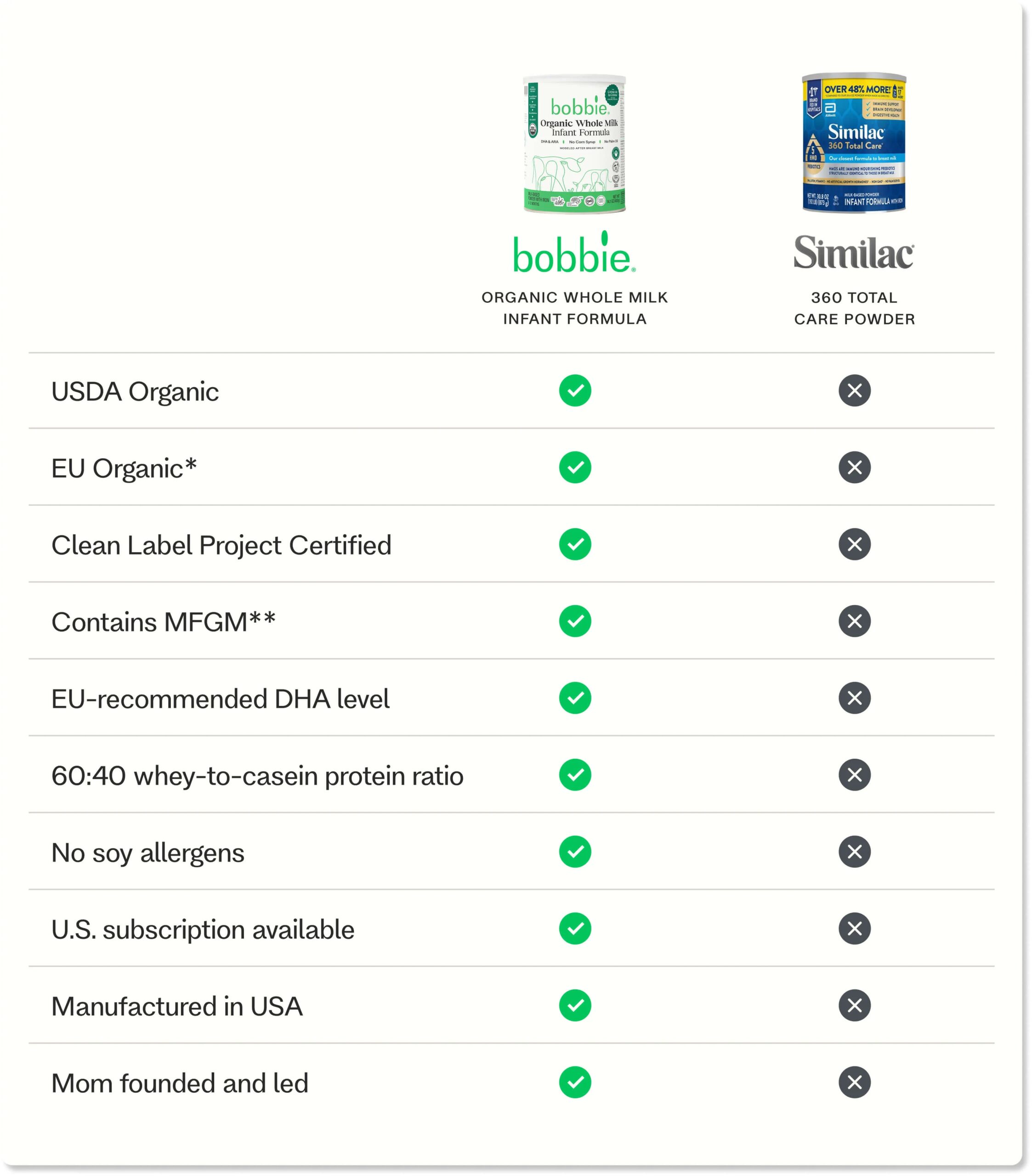
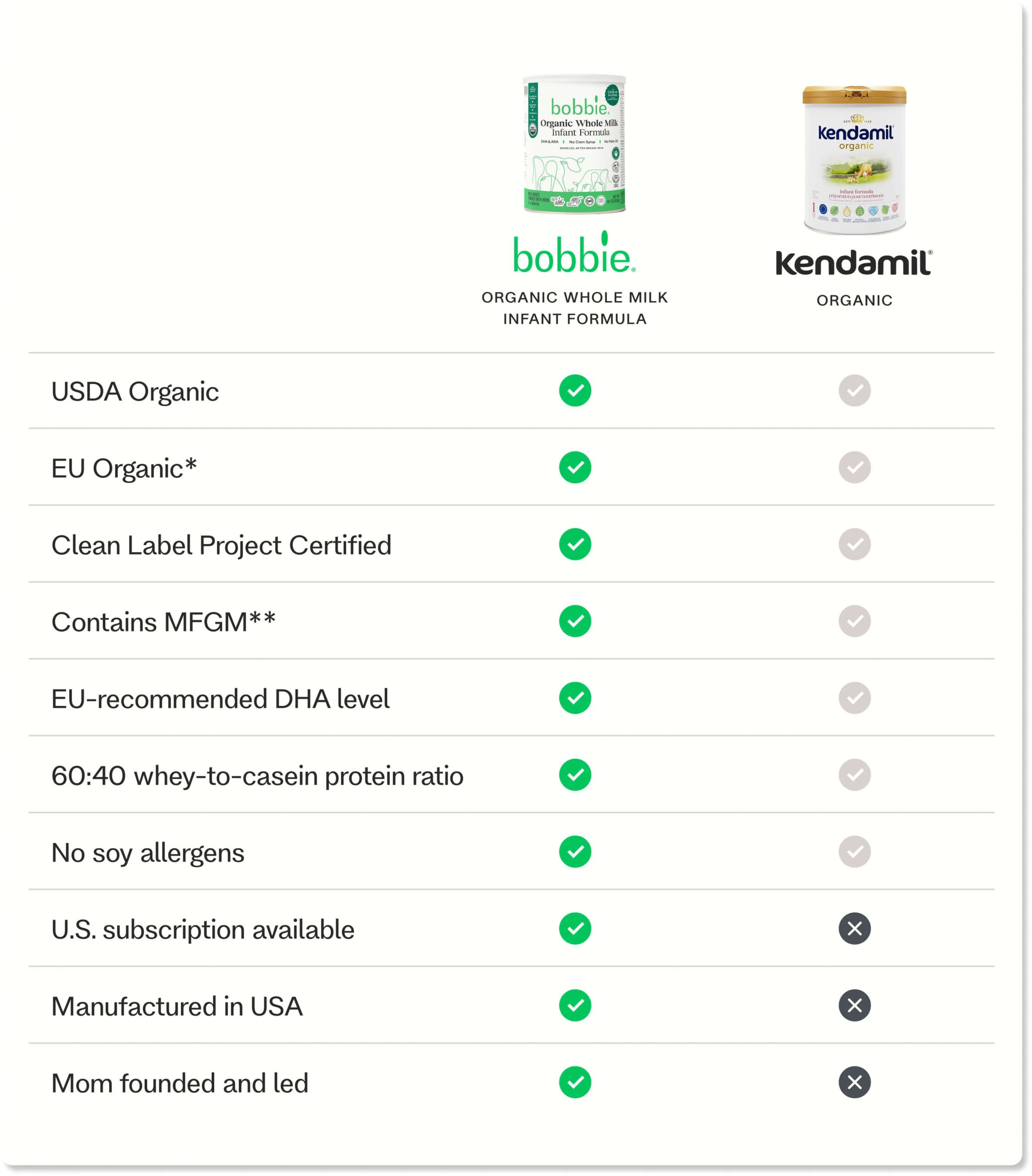
The article also reports that Bobbie is organic certified and has received the Clean Label Project Purity Award and Clean Label Project Pesticide-Free certification. According to the source, Bobbie avoids rice syrup, rice starch, corn syrup, and palm oil because those ingredients are more susceptible to accumulating heavy metals.
Those are brand-specific claims from the source, not independent testing by this site. The broader lesson is useful beyond any one formula: a stronger safety signal comes from clear sourcing standards, routine testing, third-party review, and accessible results.
Other ways to reduce exposure once solids begin
Formula is only one part of the larger conversation about infant nutrition. When a baby begins solid foods, hibobbie Blog suggests varying foods instead of relying heavily on a few staples. A varied diet can help reduce repeated exposure from foods that may absorb more metals from soil and water.

The source specifically names rice cereal and sweet potatoes as foods that can absorb more heavy metals, and suggests alternatives such as oatmeal or barley cereal. It also recommends considering filtered water when preparing formula, especially because tap water can contain contaminants such as lead or arsenic.
The most practical approach is steady rather than extreme: choose formula brands that explain their testing, rotate foods when solids are introduced, pay attention to water quality, and be skeptical of claims that sound absolute. “Closer to Zero” is a reminder that the goal is lower exposure, backed by transparent evidence.
Inspired by this post on hibobbie Blog.