
Choosing between Bobbie and Similac is less about finding a single best formula and more about matching a feeding option to a baby’s needs, a family’s budget, and the way parents actually buy formula.
Using hibobbie Blog as the source, this guide reorganizes the comparison around the decisions parents are most likely weighing: ingredients, tolerance, product range, availability, and when to involve a pediatrician.

Start With the Kind of Formula Experience You Want
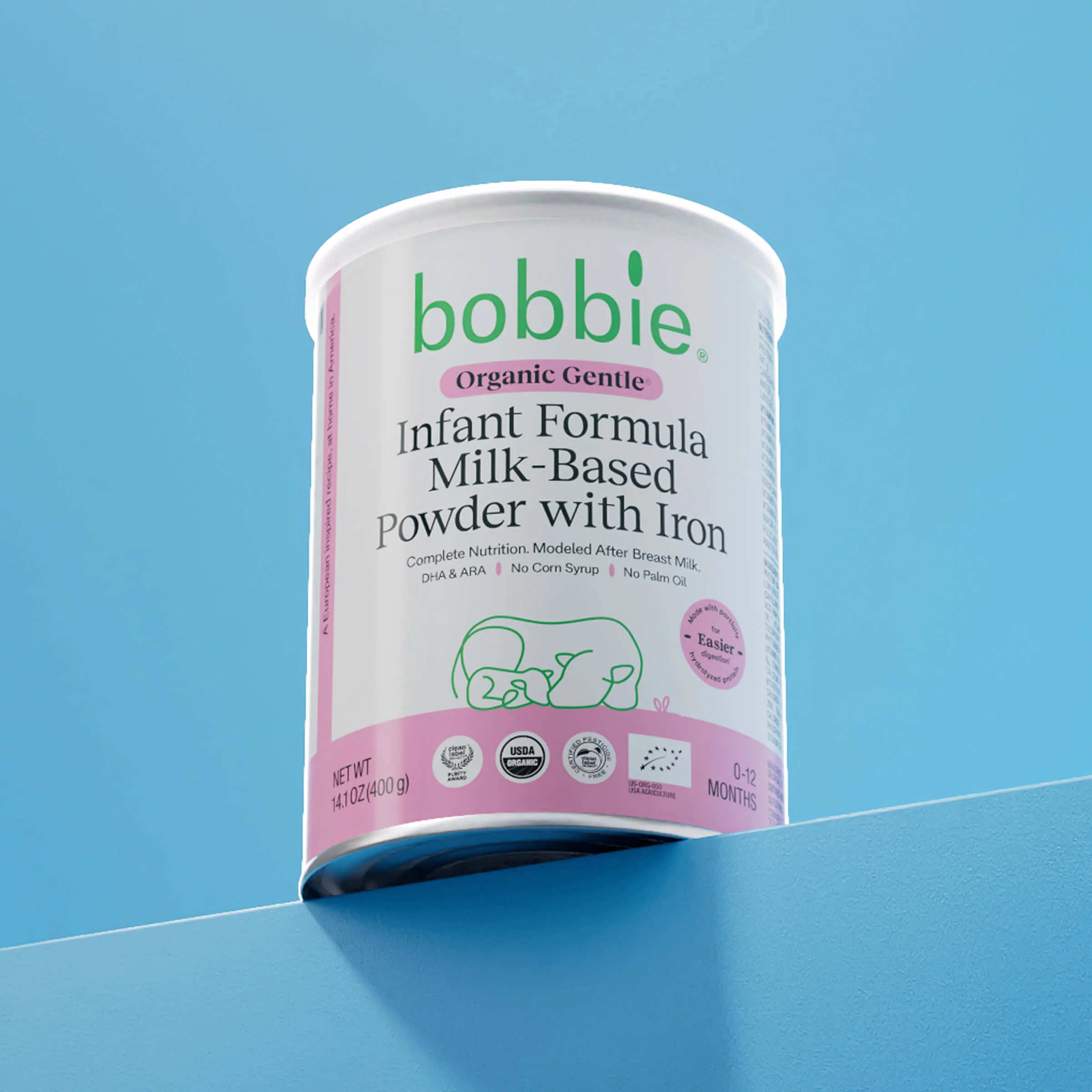
According to hibobbie Blog, Bobbie and Similac take noticeably different approaches. Bobbie is presented as a smaller, more curated formula lineup with European-style recipes, simple ingredient positioning, and subscription ordering. Similac is described as a widely recognized legacy brand with many more formula types and broad access through stores, pharmacies, hospitals, and WIC programs.

That difference matters because parents are not only comparing scoops and labels. Some families want fewer choices and predictable deliveries. Others prefer a brand they can find quickly in many retail settings, especially if benefits, price, or specialty needs are part of the decision.

The source does not argue that one brand is always better. Instead, the practical takeaway is that a manageable formula routine can matter as much as an ingredient preference.
Ingredient Differences Parents Tend to Notice
hibobbie Blog highlights carbohydrates, protein structure, milk base, and fat blends as common comparison points. Bobbie’s formulas are described as ingredient-conscious, with some options using whole milk, lactose as the carbohydrate source, and no palm oil. The source also says Bobbie’s intact milk protein formulas are commonly described as having a 60:40 whey-to-casein ratio inspired by mature breast milk composition.

Similac varies more by product line. The source notes that Similac 360 Total Care includes a proprietary blend of 5 HMO prebiotics and is often chosen for familiarity, hospital recognition, and mainstream convenience. Its broader lineup also means families may see different ingredient structures depending on the specific Similac product.

Ingredient lists can help parents ask better questions, but they cannot predict every baby’s response. Feeding pace, bottle type, air intake, developmental stage, and individual digestion can all affect tolerance.
Gentle and Everyday Product Comparisons
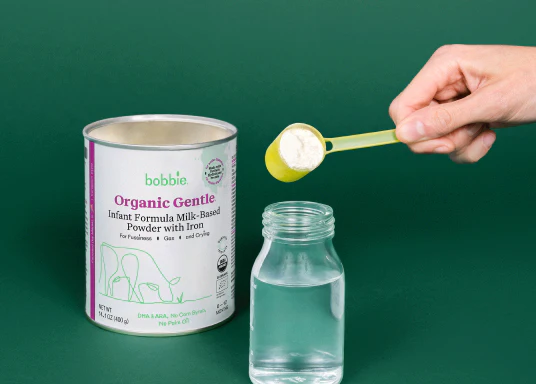
For babies with gas or fussiness, the source compares Bobbie Organic Gentle with Similac 360 Total Care Gentle Comfort. Bobbie Organic Gentle is described as using partially hydrolyzed whey proteins, lactose as the sole carbohydrate source, organic ingredients, and a simple ingredient profile. Similac Gentle Comfort is described as using partially broken-down whey proteins and a carbohydrate blend that includes corn maltodextrin and sugar, also called sucrose in the source.

For everyday feeding, hibobbie Blog compares Bobbie Organic Whole Milk with Similac 360 Total Care. Bobbie Organic Whole Milk is described as using a whole milk base, 100% lactose for carbohydrates, no palm oil, a European-style recipe, and USDA organic certification. Similac 360 Total Care is framed as a comprehensive everyday formula with broad availability, brand familiarity, hospital recognition, and the 5 HMO prebiotic blend noted above.

These are useful distinctions, but they should not be treated as a guarantee. A formula that looks ideal on paper may not be the one a baby tolerates best.
Availability, Benefits, and Real-World Access
Cost and access can make the choice much clearer. hibobbie Blog reports that Similac is WIC-eligible in some states, while Bobbie is not currently WIC-eligible. The source also says Bobbie, like Similac, can be purchased with EBT in stores and online.
Bobbie’s convenience is tied to subscription ordering, including a 10% discount reported by the source, direct-to-consumer shipping, predictable deliveries, and retail availability. Similac’s convenience is tied to its extensive presence in grocery stores, pharmacies, big-box retailers, hospital systems, and WIC programs.
For some households, the best formula is the one that can be purchased reliably month after month. Running out, switching unexpectedly, or struggling to use benefits can add stress to an already sensitive feeding decision.
Key Takeaways
- Bobbie is described by hibobbie Blog as a smaller, more curated, ingredient-conscious formula brand with subscription convenience.
- Similac is described as a broadly available brand with a larger lineup, including specialty and sensitive formula options.
- Bobbie Organic Gentle uses lactose as its carbohydrate source, while the source says Similac Gentle Comfort uses a blend that includes corn maltodextrin and sucrose.
- WIC coverage, EBT access, store availability, and pediatrician guidance may matter as much as ingredients.
When to Ask a Pediatrician
Parents often compare formulas because a baby seems uncomfortable after feeding. Fussiness, spit-up, gas, burping difficulty, or rough transitions can all make a new formula tempting. Still, hibobbie Blog emphasizes that tolerance is individual and that persistent or severe concerns should be discussed with a pediatrician before major feeding changes.
The most useful signs are practical ones: steady growth, comfortable digestion, and feeds that do not regularly end in prolonged distress. Whether that points a family toward Bobbie, Similac, or another pediatrician-recommended option, the goal is a formula routine that is nutritionally appropriate, accessible, and workable in daily life.
Inspired by this post on hibobbie Blog.