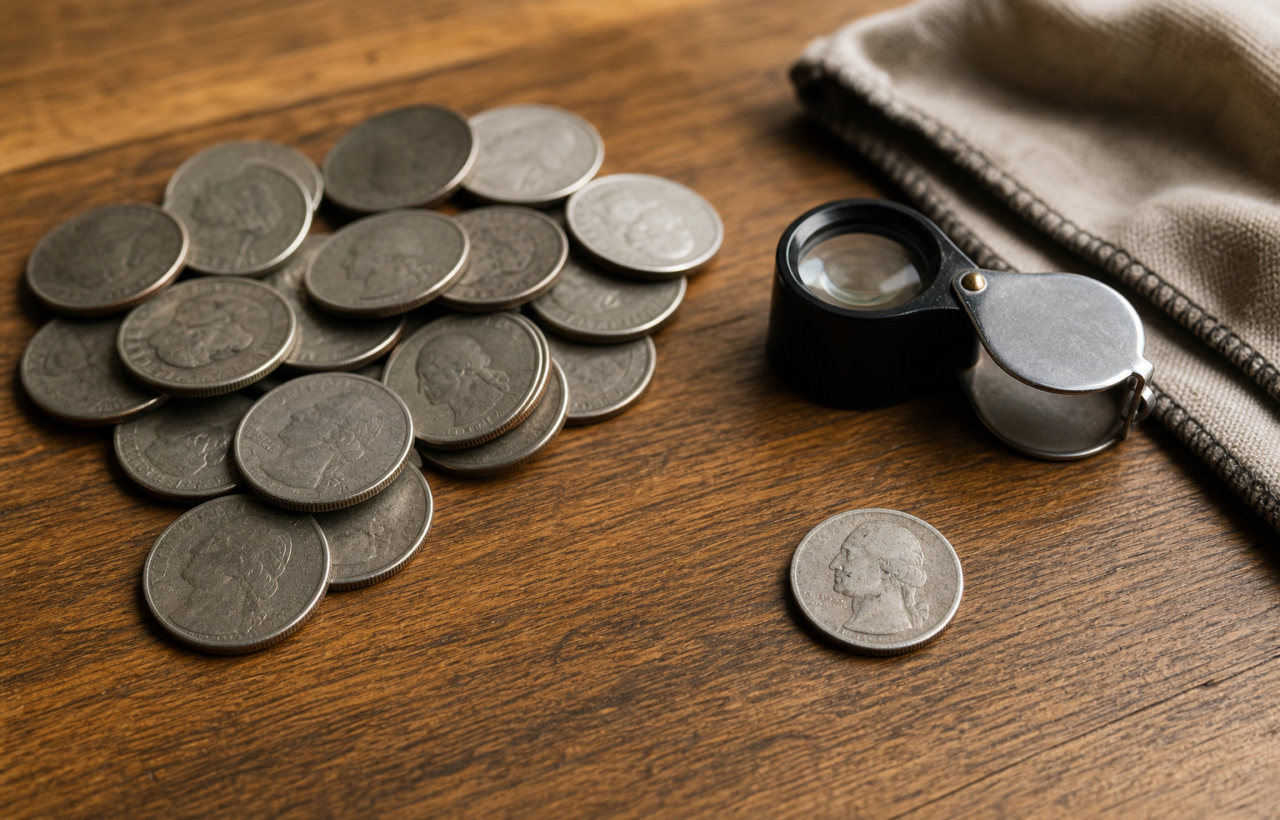
Old quarters can be easy to overlook because most still spend for exactly 25 cents. The practical question is not whether every older coin is valuable, but whether a quick screening process can separate ordinary change from coins worth researching further.
The source material from diapr.ai Blog reports that some quarters may be worth more than face value, while also noting that the available article excerpt did not identify the specific years or varieties in the referenced list. That makes a careful method more useful than a claimed shortcut.
Start With The Limits Of The Claim
The diapr.ai Blog post frames the issue in cautious terms: most quarters in a jar are still ordinary spending money, while a smaller number may deserve a closer look. It also reports that the source article focused on 11 quarters that may be worth serious money, but the provided material did not name those 11 coins.
That missing detail matters. A reader should not treat age, shine, an unusual reverse design, or an online listing as proof of value. The better takeaway is procedural: before rolling or depositing a mixed batch, check the features that usually distinguish collectible coins from common circulation pieces.
The First Sorting Pass Should Be Simple
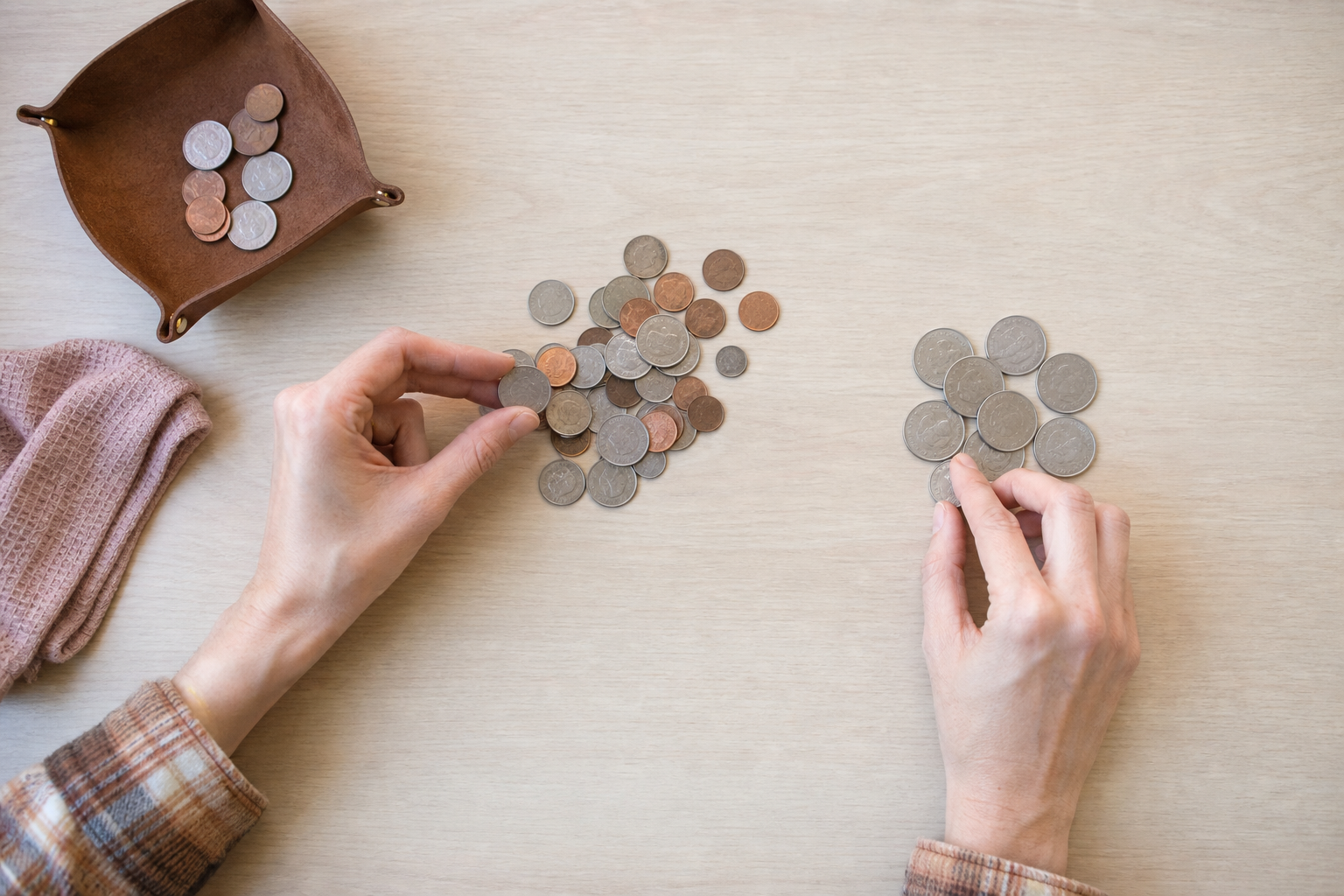
A practical screen does not require a full appraisal. It only needs enough structure to keep potentially interesting coins from being spent before they are identified.
- Separate quarters that look older, more worn, or noticeably different from the rest of the pile.
- Read the date and mint mark under good light, without cleaning the coin.
- Set aside coins with unfamiliar designs, unusual metal appearance, or obvious production oddities.
- Keep unusually crisp coins apart from heavily circulated examples, because condition can affect collector interest.
- Place promising coins in a small holder or envelope so they do not pick up new scratches while being researched.
The diapr.ai Blog post specifically warns against cleaning a coin whose date or details are hard to read, because surface damage can reduce collector interest. That is one of the easiest mistakes to avoid during a home sort.
What To Check After A Coin Stands Out
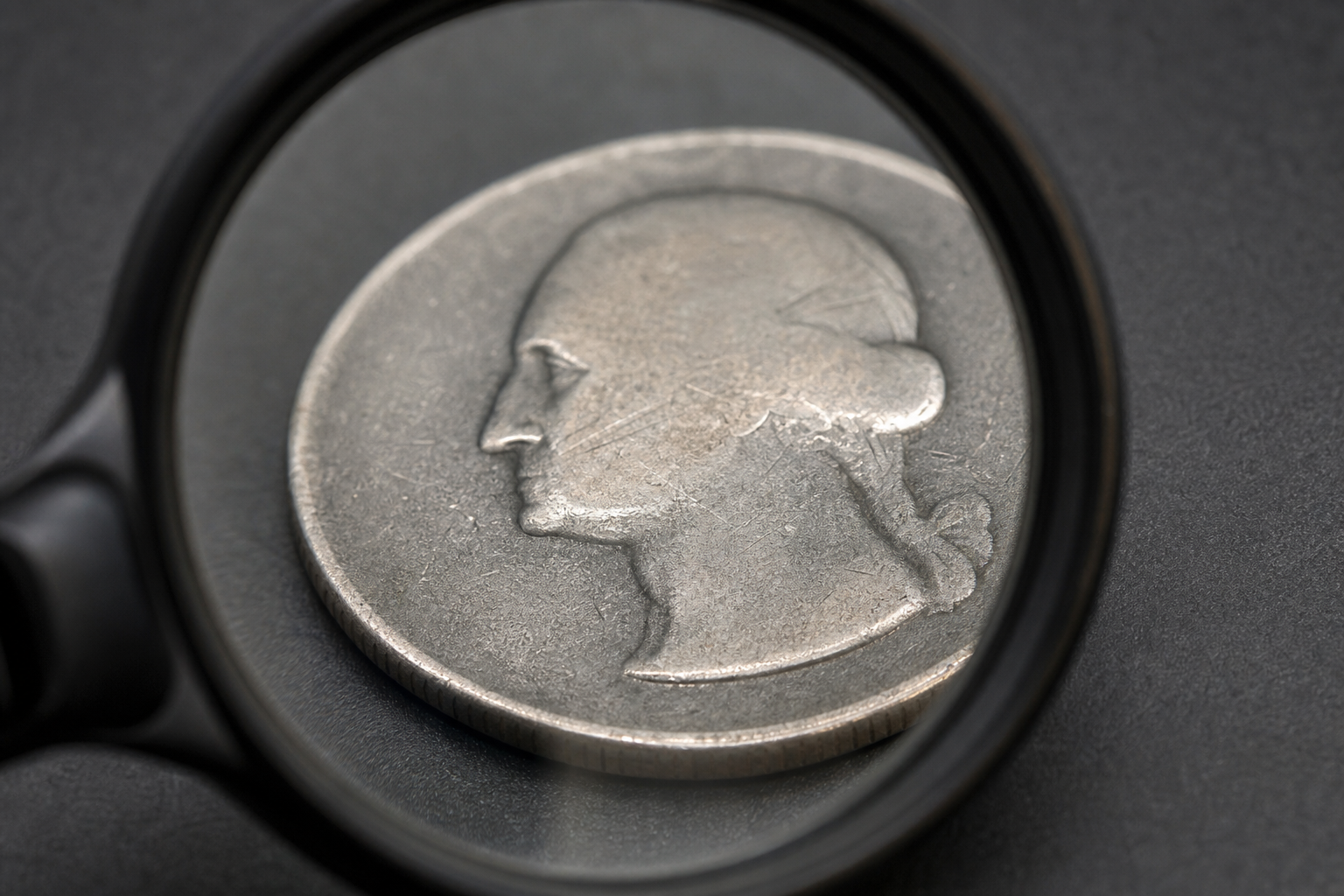
Once a quarter has been pulled from the ordinary pile, the next question is why it stood out. General coin-collecting context points to a few recurring factors: date, mint mark, condition, scarcity, genuine minting errors, and buyer demand. The diapr.ai Blog post presents those same categories as the useful criteria for further research.
Date and mint mark help identify when and where a coin was made. Condition affects how much detail remains and whether the surface has been damaged. Error claims require extra caution, because a true minting mistake is different from scratches, staining, dents, or ordinary circulation wear.
Online prices also need context. The diapr.ai Blog post distinguishes asking prices from realized prices, noting that a listing can claim almost anything. Completed sales, reputable references, and knowledgeable review are more useful than a dramatic unsold listing.
Key Takeaways
- Most loose quarters remain worth face value, even when they look old or unusual.
- The available source material reports that some quarters may be worth more, but it does not identify the specific 11 coins from the referenced article.
- Date, mint mark, condition, and genuine minting errors are the main features to check before spending a coin.
- Promising coins should not be cleaned, because cleaning can reduce collector interest.
- A second opinion makes sense when research suggests a known valuable variety or a real minting error.
When A Second Opinion Is Worth The Effort
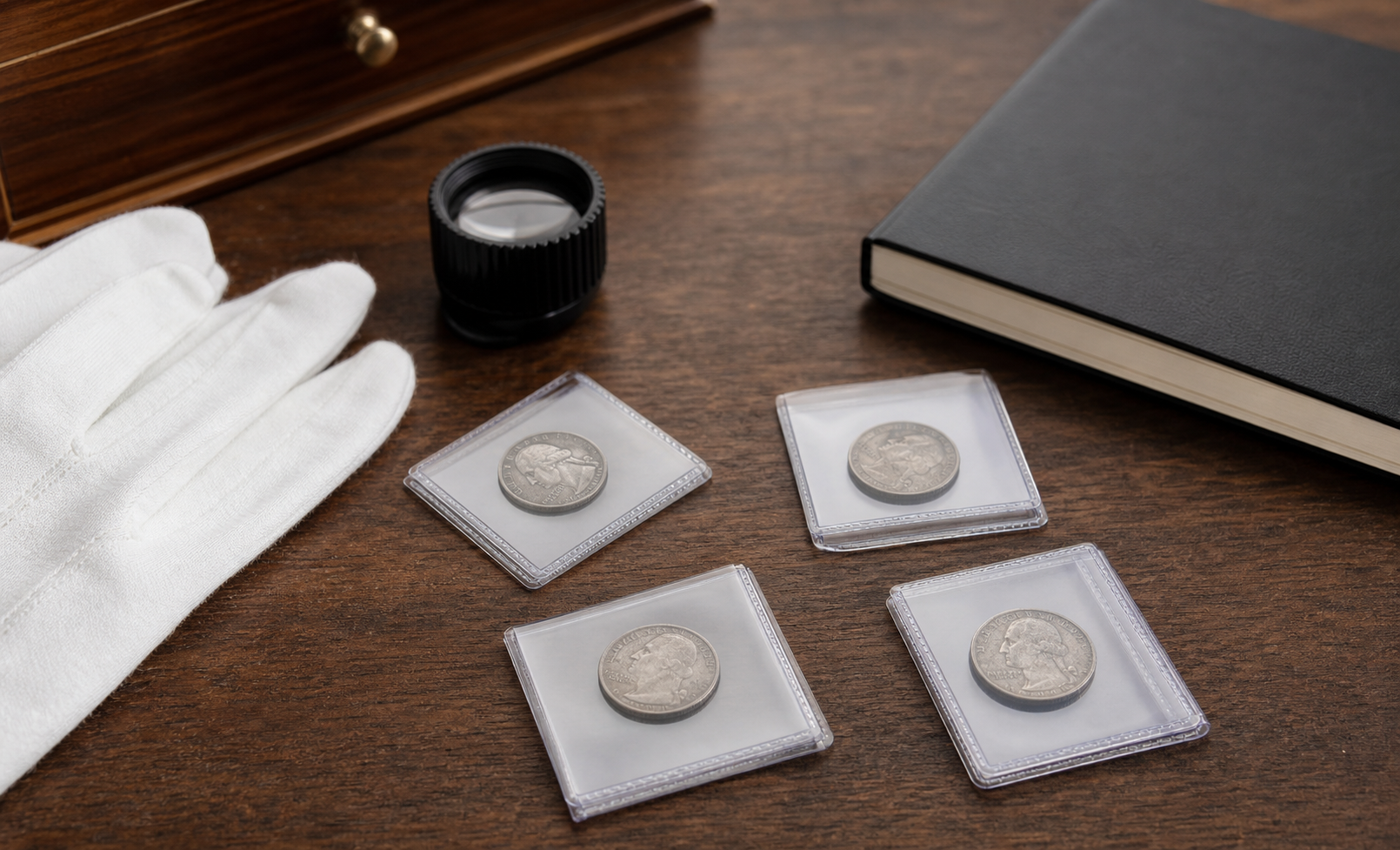
The diapr.ai Blog post suggests seeking guidance from a reputable coin dealer or grading service when a quarter appears to match a known valuable variety, or when an apparent error cannot easily be explained as damage. That step is most sensible when the possible value is high enough to justify the time, cost, or risk involved.
For ordinary change jars, the useful habit is modest: sort before spending, protect anything unusual, and research from reliable references before assuming a payday. That approach preserves the upside without turning every quarter into a project.