

Parent-child bonding is often described as warm, instinctive and rewarding. The sources gathered here show a more useful picture: connection is built through repeated care, and that care can ask a great deal from a parent’s body, patience and emotional reserves.
Taken together, the breastfeeding reflection, the response to a father’s viral confession, and the secure attachment post point to the same tension. Children benefit from steady, responsive caregiving, but parents need support and honest language about what that steadiness costs.
Bonding Is Built Through Repeated Care, Not One Gesture
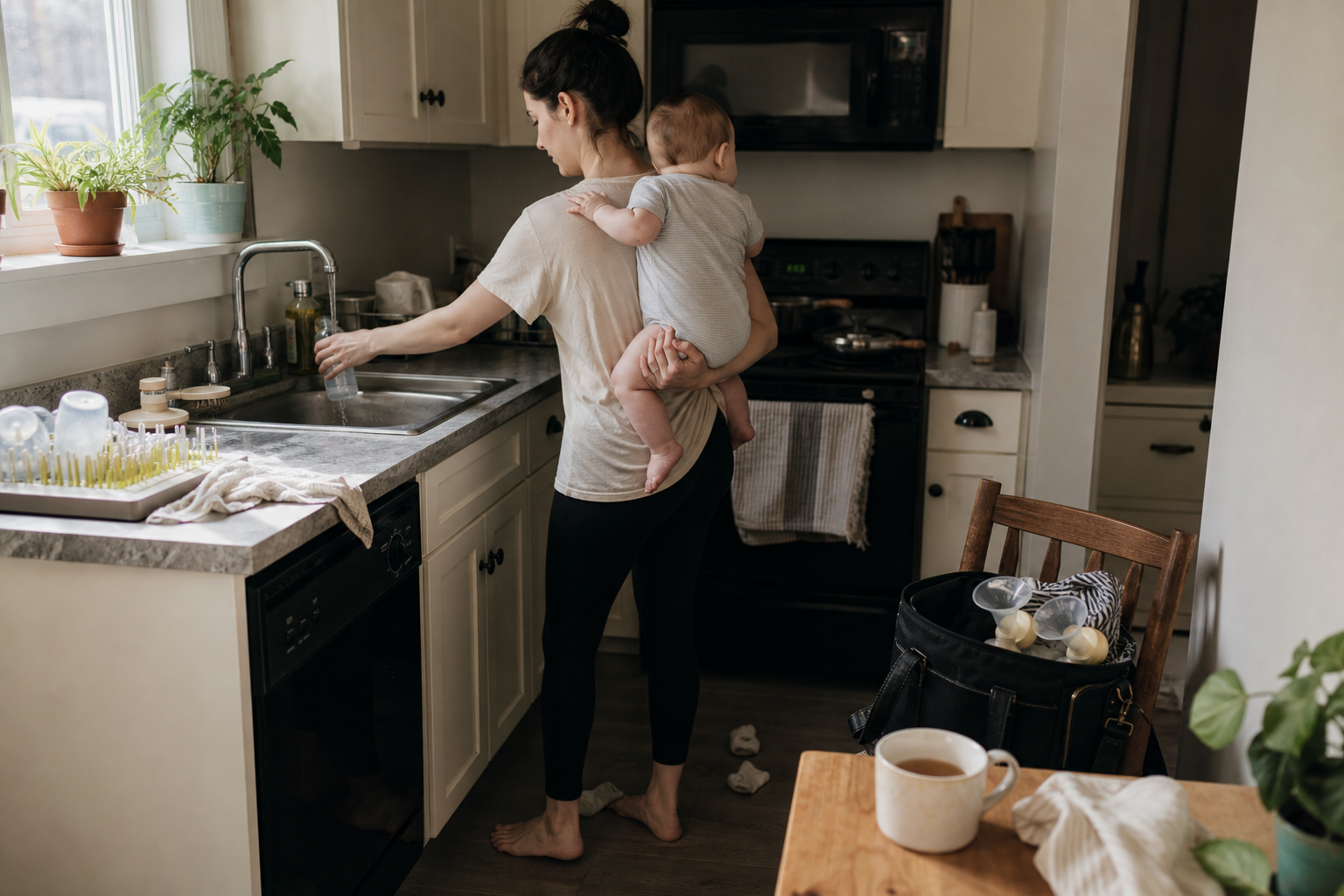
The secure attachment post frames parent-child bonding as an emotional foundation that helps a child feel safe, supported and understood. It reports that this security can show up in everyday ways: a child who feels confident exploring, can handle difficulty with resilience, and can express big feelings with trust and connection.
The breastfeeding post approaches bonding from a different angle. It describes two years of breastfeeding as more than a feeding routine, reporting that it shaped both daily life and the parent’s understanding of her body. The emotional connection was real, but it arrived alongside physical and psychological demands.
The fatherhood post adds another everyday setting: play. It responds to a viral confession from a dad who said playing with his children made his “blood boil,” while also arguing that being present in the same room is not the same as showing children that their joy matters. Across the sources, bonding is not treated as a single sentimental moment. It is the pattern children experience over and over.
The Cost Can Be Physical, Emotional and Relational
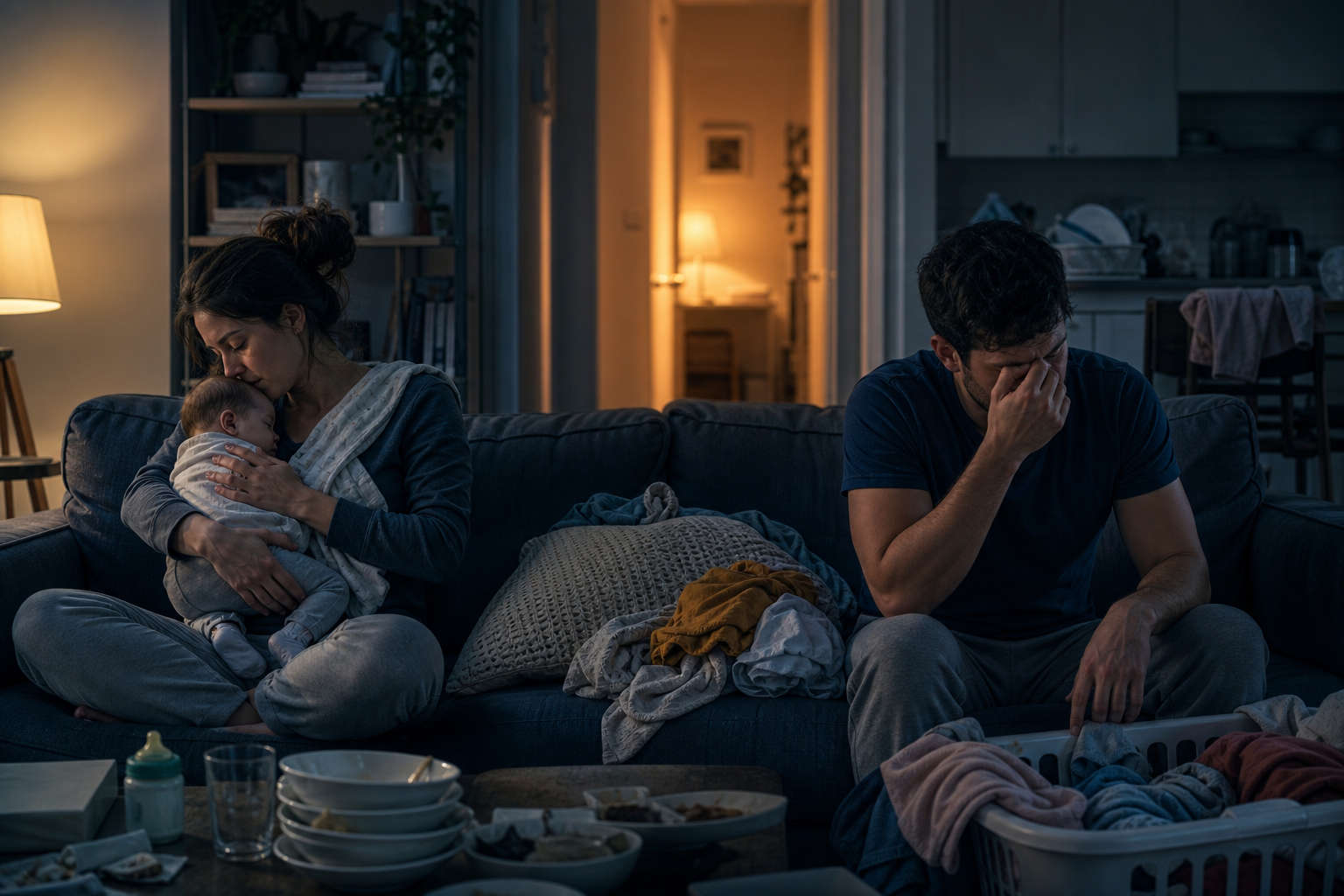
The clearest physical cost appears in the breastfeeding source. It reports that producing milk affected appetite, energy levels, hormones and postpartum recovery. It also describes the parent sometimes feeling strong and connected, and at other times feeling touched out, tired or unsure whether her body still felt like her own.
The fatherhood source centers a different cost: emotional strain during child-led play. It acknowledges that parents can feel frustration, exhaustion and overwhelm, and that play can feel repetitive, messy and inconvenient when life is already full. Its concern is not that a parent struggled, but that the way adults talk about children’s needs can either protect or erode emotional safety.
These are different caregiving pressures, but they belong in the same conversation. Feeding, playing, soothing and responding all require attention. The sources suggest that the burden is not only the task itself, but the parent’s effort to remain warm and available while tired, overstimulated or stretched thin.
Secure Attachment Does Not Require Perfect Parents

A useful distinction runs through the sources: honesty about parenting strain can be necessary, but it is not the endpoint. The fatherhood post says a public admission of struggle can open an important conversation, while also saying it should lead to reflection, support and a deeper commitment to showing up better.
That matters because secure attachment, as described in the attachment source, is about a child’s steady sense of being safe, supported and understood. General parenting context supports this framing: children do not need adults who never feel irritated or depleted. They need caregivers who repair, respond and keep returning to connection often enough that trust remains intact.
The breastfeeding source also resists a perfection narrative. It reports a layered relationship with the body: one that carried postpartum recovery, comforted a child and adapted repeatedly. Bonding, in that account, does not erase difficulty. It asks that the difficulty be recognized rather than hidden.
Support Is Part of Bonding, Not Separate From It
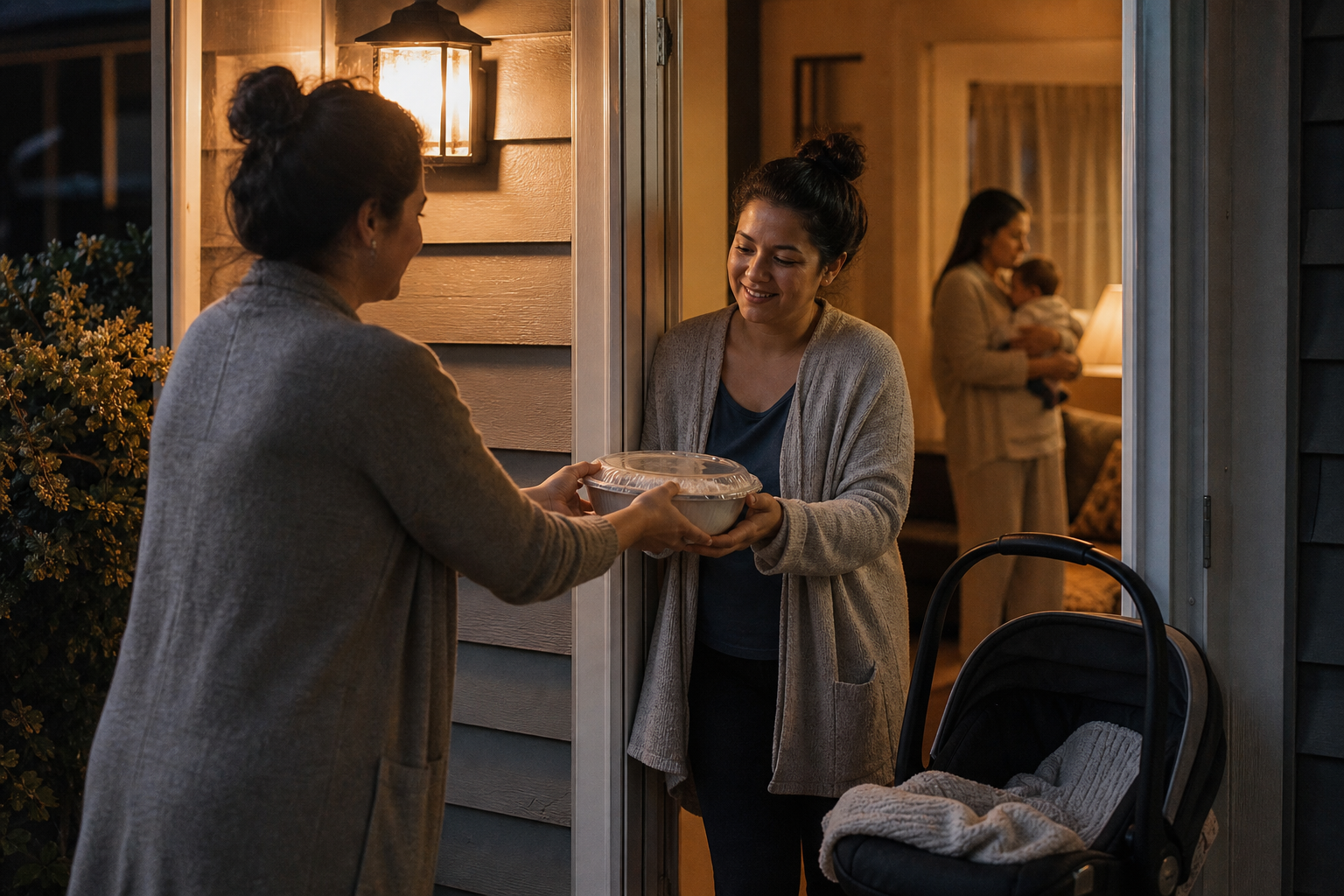
The breastfeeding reflection specifically reports that extended breastfeeding changed how the parent viewed rest, nutrition and support. Drinking more water, eating enough, asking for help and slowing down were described as ways to feel steadier.
That detail connects directly to the emotional expectations in the fatherhood post. If parents are expected to play, respond and create emotional safety, they need conditions that make patience more possible. Support is not a bonus after the bonding work is done. It is one of the conditions that helps caregiving stay responsive instead of resentful.
This is also where the attachment post becomes practical. Confidence, resilience and emotional expression in children are described as signs of security, but those signs grow from repeated interactions. A family culture that protects rest, nourishment, help and repair gives parents more capacity for those interactions.
Key Takeaways
- Parent-child bonding is built through repeated acts of care, including feeding, play, comfort and emotional responsiveness.
- The reported costs of caregiving include physical demands, tiredness, feeling touched out, frustration and emotional overload.
- Secure attachment is described as a child’s sense of safety and support, visible in confidence, resilience and trusted emotional expression.
- Honest conversations about parenting strain are most useful when they lead to support, reflection and repair.
- Rest, nutrition and help are not separate from caregiving; they help parents stay steady enough to connect.
What Parents Can Take From These Stories
The shared lesson across the sources is not that parents should ignore their own limits. It is that a child’s need for connection and a parent’s need for care have to be held together.
For a breastfeeding parent, that may mean treating food, hydration, rest and help as part of the feeding relationship. For a parent struggling with play, it may mean naming the overwhelm without making the child feel like a burden. For any caregiver thinking about attachment, it may mean focusing less on flawless performance and more on steady repair, warmth and responsiveness.
The next conversation about bonding should leave room for both sides of the truth: children thrive on dependable connection, and dependable connection is easier to offer when caregivers are cared for too.
References
- diapr.ai Blog — How Two Years of Breastfeeding Changed My Body Forever
- diapr.ai Blog — What One Dad’s Viral Confession Misses About Fatherhood
- diapr.ai Blog — Secure Attachment Signs: Raising Confident, Resilient Kids