
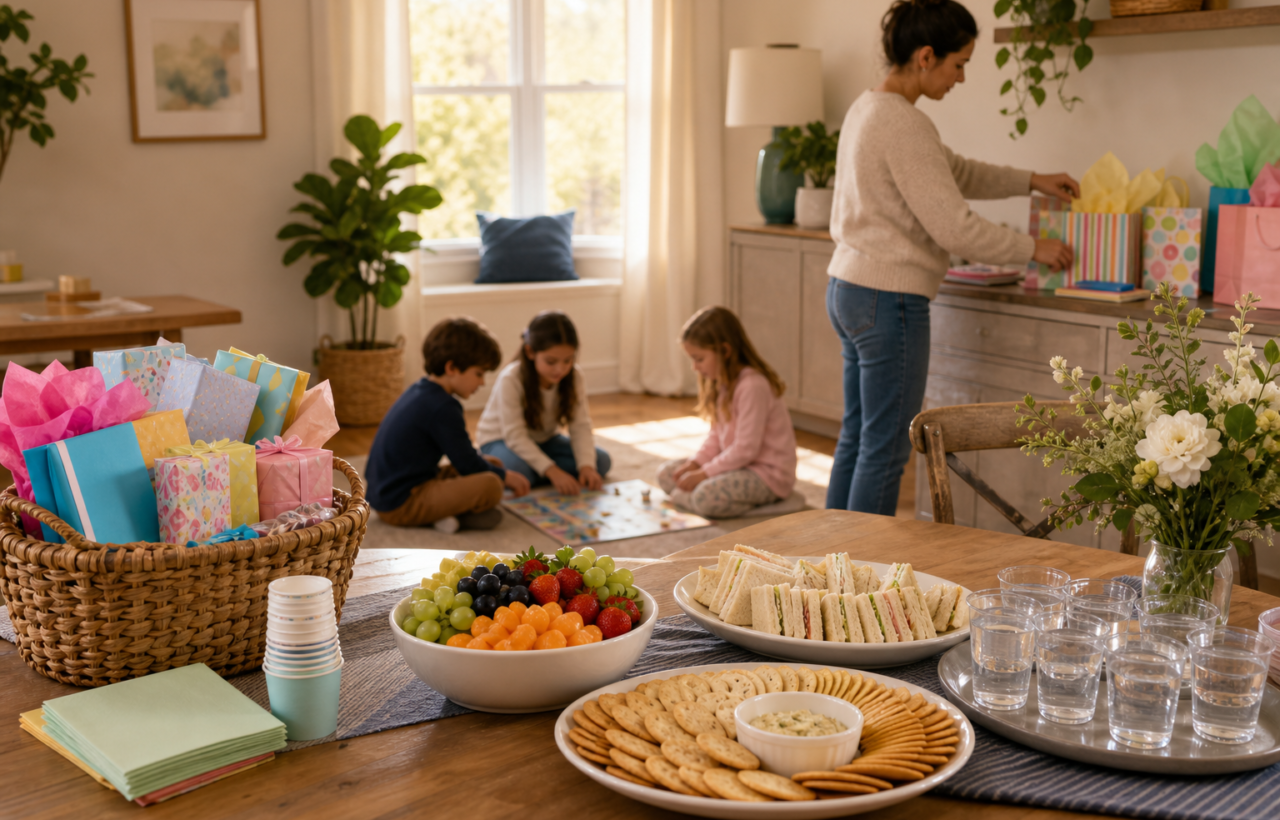
Children’s parties often look simple from the outside: an invitation, a snack table, a few games, and a pickup time. The source articles point to a more useful planning lens: the hardest part is not any single detail, but how expectations around gifts, food, and supervision fit together.
Taken together, the reports suggest that good planning is less about making an event elaborate and more about making it legible. Guests should know what is expected, children should have food they will actually eat, and the host should have enough structure to keep the gathering calm without draining the fun from it.
The real work is expectation-setting
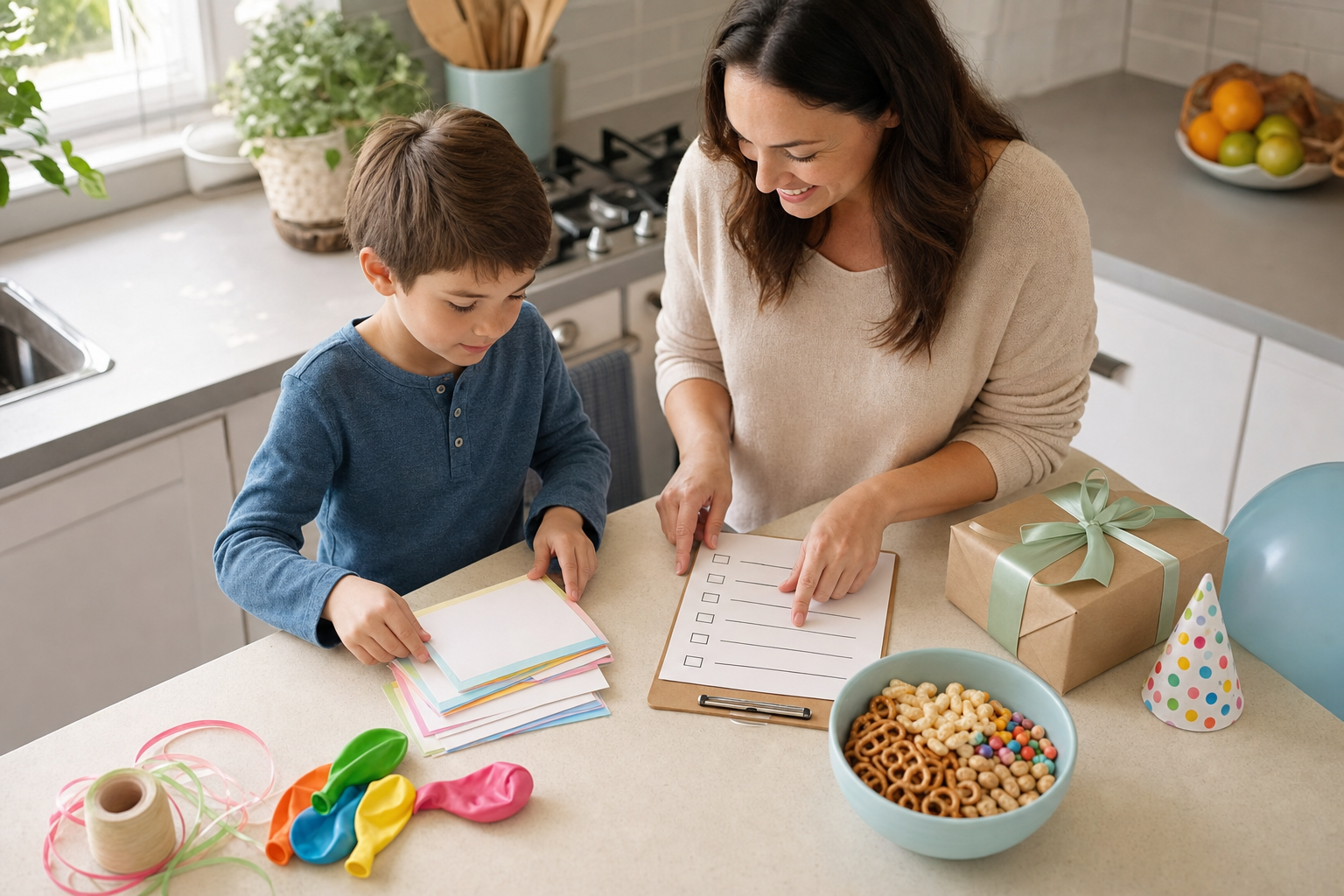
The birthday-party source described a parent encountering a gift request that felt unusually strict, even compared with more familiar price-limit guidance. That distinction matters: a gift limit can reduce pressure, but a request that feels overly rigid can make another parent question whether attending is still comfortable.
The sleepover source approaches expectations from another angle. It reported that sleepovers can feel more intense than they did in the past, yet can still stay simple when the host starts with basics such as a theme, games, kid-friendly food, and parent-approved tips for keeping the night smooth.
The common thread is communication. A party invitation does not need to over-explain every household rule, but it should make the most important expectations easy to understand. Gift guidance, food notes, timing, and sleepover logistics all work better when they feel practical rather than controlling.
Gift rules should reduce awkwardness, not create it

Gift guidance can be useful when it lowers costs, prevents duplicate shopping, or makes the celebration feel more inclusive. The birthday-gift source specifically noted that parents may appreciate a price limit because it can make shopping easier and help everyone feel more comfortable.
The problem begins when guidance shifts from helpful boundary to social friction. If a request is so precise or firm that it makes guests feel judged before they arrive, it may undermine the point of the party. A more flexible approach keeps the child’s celebration at the center while still giving families a practical shopping cue.
- Helpful: a broad budget range or a note that gifts are optional.
- Less helpful: wording that makes one type of gift feel mandatory.
- Helpful: a simple theme or interest area for guests who ask.
- Less helpful: rules that make attendance feel conditional on buying correctly.
Snack planning works best when it is simple and usable

The snack source focused on Trader Joe’s options that were described as dietitian-approved, kid-friendly, easy, and supportive of young children’s nutritional needs. It also emphasized a practical point: snacks only help if children will actually want to eat them.
That connects directly to party and sleepover planning. Snack choices at children’s events need to do more than look balanced in theory. They have to be easy to serve, familiar enough for children to try, and flexible enough to fit the rhythm of the gathering. At a birthday party, snacks may need to bridge excitement and cake. At a sleepover, food may need to support a longer evening without turning the whole event into a grazing free-for-all.
The sources do not provide allergy, choking, or serving-size guidance, so those details should be handled case by case with families and caregivers. The broader planning principle still stands: choose foods that match the age group, the schedule, and the amount of adult help available.
Sleepovers need enough structure to feel safe and relaxed

The sleepover source reported that a memorable night can be built around a theme, easy games, kid-friendly food, and parent-approved tips. That is a useful counterweight to the pressure to turn every sleepover into a highly produced event.
For hosts, structure does not have to mean a rigid schedule. It can mean having a few clear anchors: when children arrive, when food is served, what activity starts the evening, where everyone sleeps, and how the night winds down. Those anchors give the adults a plan while still leaving children space to enjoy the social part of the sleepover.
This is also where gift and snack planning overlap with supervision. A party that is clear about expectations, stocked with food children will eat, and planned around manageable activities is easier for adults to guide. The event feels calmer because fewer decisions have to be improvised in the moment.
Key takeaways
- Gift guidance is most useful when it lowers pressure for guests rather than making attendance feel complicated.
- Snack planning should prioritize foods that are easy, kid-friendly, and realistic for the age group and event format.
- Sleepovers benefit from simple anchors such as a theme, games, food, and a clear wind-down plan.
- The same planning principle applies across parties and sleepovers: communicate the essentials early and leave room for flexibility.
A practical way to plan the next event
A useful starting point is to plan the event in three passes. First, define the expectations guests need before they arrive: timing, gift guidance, and any essential household notes. Second, choose food that fits the children and the event length. Third, add enough activities to guide the group without filling every minute.
That approach keeps the focus where it belongs: children having a good time, parents understanding the plan, and the host avoiding avoidable stress. The next generation of birthday parties and sleepovers does not need to be bigger to be better; it needs to be clearer.
References
- diapr.ai Blog — A Strict Birthday Gift Request Made Me Rethink the Party
- diapr.ai Blog — 17 Dietitian-Approved Trader Joe’s Snacks Kids Love
- diapr.ai Blog — The Ultimate Sleepover Guide for an Unforgettable Night