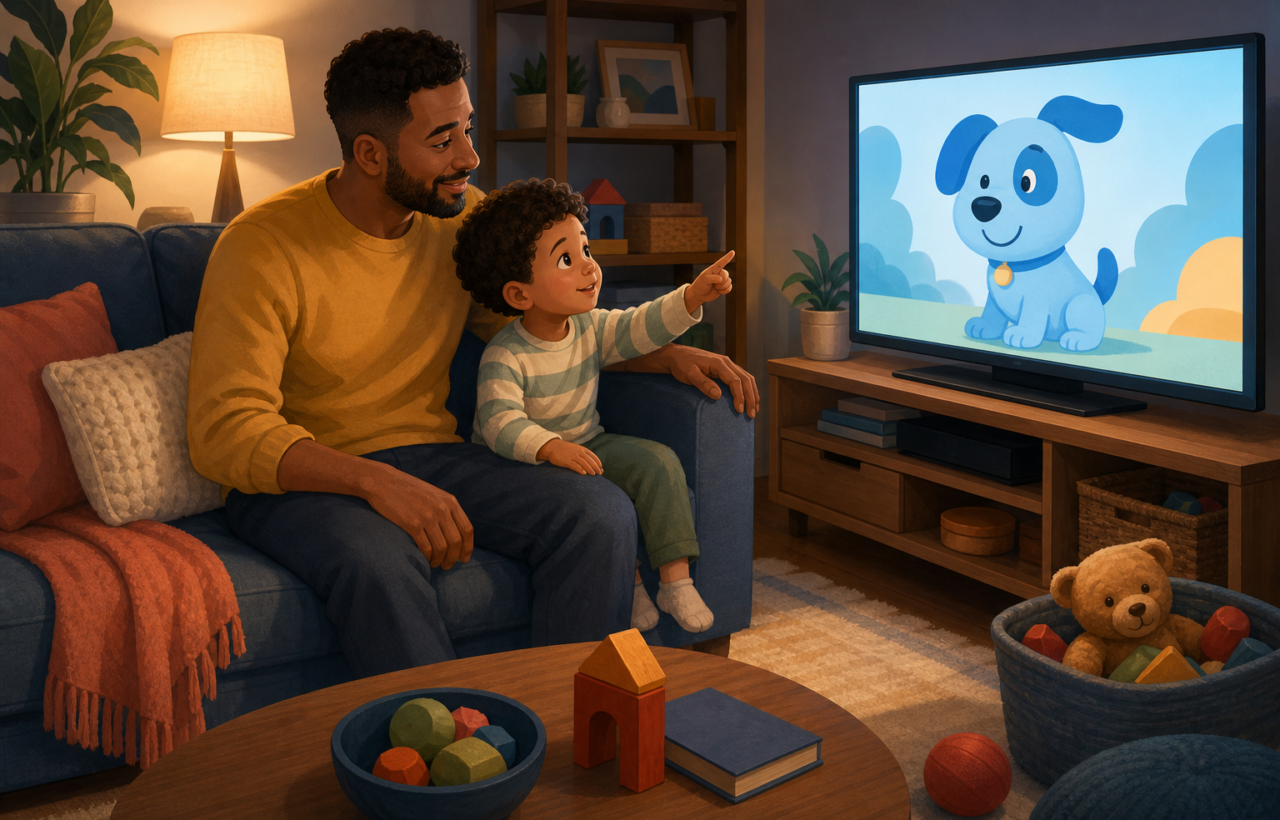
The available Parents source is framed around a simple question many families ask after watching the animated series: is Bluey a boy or a girl? Because the supplied source material includes the headline and categories but no article body, the details below stick to what can be responsibly said from that limited information.
For parents and caregivers, the useful part of the question is not only the answer. It can also open a low-pressure conversation about how children understand characters, names, voices, families, and assumptions while watching TV together.
What the Parents source clearly establishes
According to the provided source metadata, Parents published an entertainment piece titled around whether Bluey is a boy or girl, along with fun and unexpected facts about the show. The article was categorized under movies and TV, entertainment, and life with kids.
That tells readers the piece is intended as family-viewing context rather than health, safety, or developmental guidance. It also suggests the question is common enough among viewers to merit a direct explainer.
Why the question comes up in family viewing
Children often sort characters quickly based on a few cues: a name, a voice, clothing, color, behavior, or what another character says. Adults may do the same without noticing. A show aimed at young viewers can make those assumptions visible because children are still learning how to connect words, identity, and social categories.
When a child asks about a character’s gender, the answer can be short and calm. The larger parenting opportunity is to model curiosity instead of turning a small question into a correction-heavy moment.
Key takeaways for parents
- The supplied Parents source confirms the topic of the article but does not provide the body text needed to verify its specific facts.
- It is better to avoid adding character details, dates, cast information, or show trivia unless they are available in the source text.
- The question can still be useful at home because it invites a simple conversation about how kids read character clues.
- For a young child, a brief answer followed by asking what they noticed is usually more helpful than a long explanation.
How to talk about it with kids
If a child asks whether a character is a boy or girl, caregivers can answer what they know and then invite the child to explain their thinking. That keeps the exchange age-appropriate and helps the child practice observation.
Useful follow-up questions might include what made them wonder, whether another character said something that helped, or how the character acts with friends and family. The point is not to quiz the child. It is to treat media as something families can notice and discuss together.
What not to overread from a thin source
Because the provided Parents article body is empty, this piece cannot responsibly repeat show facts, behind-the-scenes details, creator comments, or character trivia. Those may exist in the original article, but they are not present in the supplied source material for this rewrite.
The safest takeaway is narrow: Parents identified the Bluey boy-or-girl question as a family entertainment topic, and parents can use that kind of question as a small opening for clearer, kinder media conversations at home.
Inspired by this post on Parents.