A ball, a few willing players, and a bit of space can be enough to turn restless energy into active play. Parents describes old-fashioned ball games as easy, fun ways to get children moving, with adults able to join in as players or help keep the game fair.
Because the available source material is brief, the most useful takeaway is not a list of specific games, but a practical way to think about why these games still work and how families can use them without making play feel over-managed.
Why simple ball games still work
According to Parents, classic ball games are appealing because they are straightforward: they are easy, enjoyable, and active. That combination matters for families because the barrier to starting is low. Children do not need a complicated setup, a long explanation, or specialized equipment before they can begin moving.
For many kids, the simplest games are also the easiest to repeat. A game that can be started quickly after school, in a yard, at a park, or during a family gathering is more likely to become part of ordinary family life than an activity that needs heavy planning. The value is in the movement, but also in the shared attention: someone throws, someone chases, someone waits for a turn, and the game keeps going.
The adult role does not have to be complicated
Parents notes that parents and grandparents can take part either as players or as mediators. Those are two different roles, and both can be useful depending on the children involved.
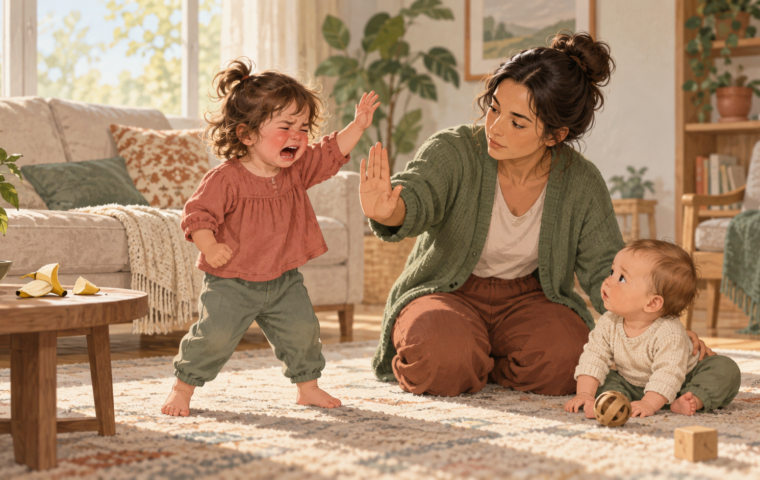
Joining as a player can make the game feel more social, especially for younger children who want adult attention as much as they want activity. Acting as a mediator can help when children are different ages, have different skill levels, or disagree about rules. In that role, the adult is not running a lesson; they are keeping the play moving.
A light touch usually works best. Adults can help define boundaries, rotate turns, settle a disputed point, or adjust the pace when a child is getting frustrated. The goal is not to make the game perfect. It is to keep it active, inclusive, and enjoyable enough that children want to come back to it.
Key takeaways
- Parents frames classic ball games as an easy way to help kids be active.
- The source emphasizes fun and movement rather than formal instruction.
- Parents and grandparents can participate directly or help mediate the game.
- Simple rules and flexible adult involvement can make play more accessible for mixed ages.
How to make a ball game easier to start
When a family wants active play to happen more often, the setup should be as frictionless as possible. Keep the instructions short, choose a space that gives children room to move, and start with a version of the game that everyone can understand quickly. If children need several minutes of explanation before the first throw, kick, or catch, the game may lose momentum before it begins.
It can also help to treat rules as adjustable. Younger children may need shorter distances, slower throws, or extra chances. Older children may want more challenge or clearer scoring. Those changes do not have to spoil the game; they can be what makes the same activity work for the whole group.
What families should keep in mind
The source does not provide a detailed list of the 20 games named in its title, so it would be misleading to claim which games were included. What is clear from the material available is the broader point: old-fashioned ball games can be a low-pressure way to combine movement, family participation, and shared play.
For families, that may be enough of a prompt. The next active afternoon does not need to be elaborate. A familiar ball game, a few flexible rules, and an adult willing to join in or keep things fair can give kids a practical reason to move.
Inspired by this post on Parents.