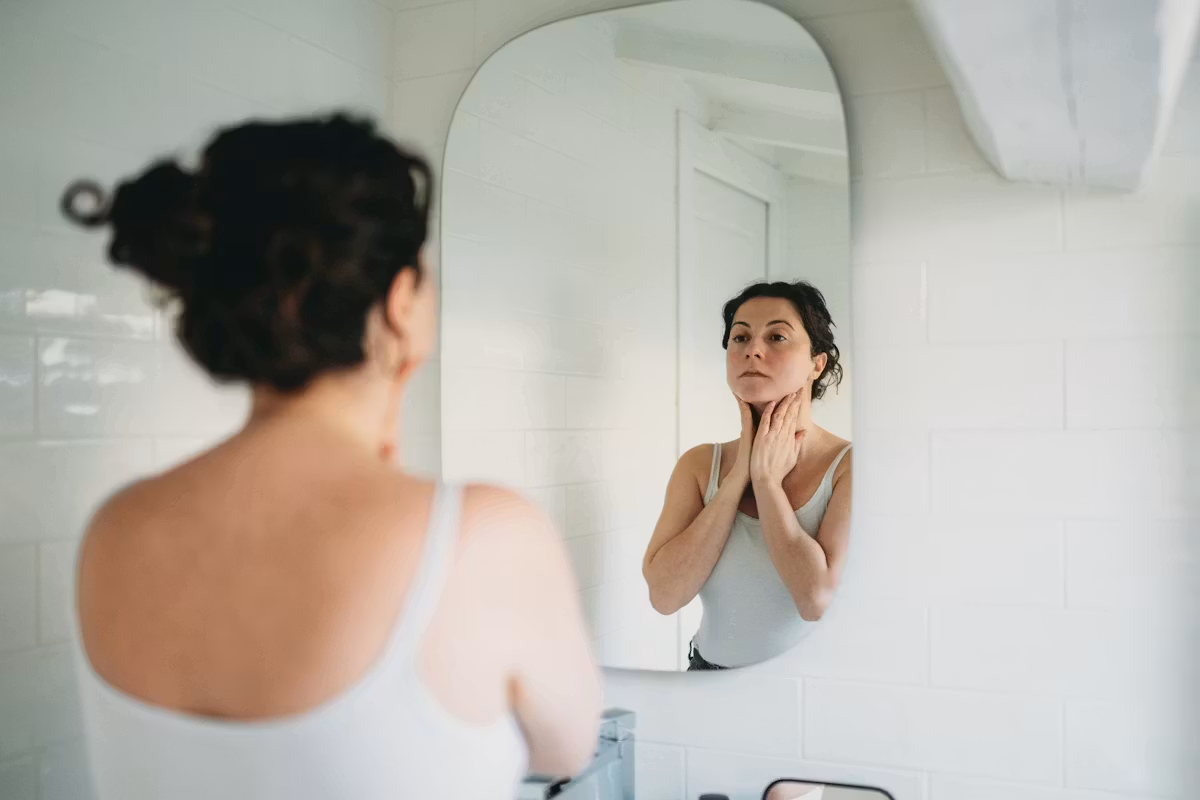
Deep bumps along the neck or jawline can feel especially frustrating because they often sit under the skin, stay tender, and do not behave like a simple whitehead. Scary Mom reported on this adult-acne pattern through dermatologist input, focusing on why it can show up in the 30s and what people can do before assuming it is just a random breakout.
The main message: stubborn neck acne is common enough that dermatologists see it regularly, but it is also worth treating carefully. The wrong approach can make inflammation last longer or increase the chance of marks afterward.
What These Deep Neck Bumps Usually Are
According to Scary Mom, Dr. Jenna Queller, a board-certified dermatologist and founder of DermWorks, described these breakouts as inflammatory acne lesions, including deeper papules and cysts. Because they form lower in the skin, they may not develop a visible whitehead and can remain for weeks or even months before settling down.
That matters because these spots are not always responsive to the same habits people use for surface pimples. Picking, squeezing, or waiting for a head to form may not help because the inflammation is happening deeper than it appears from the outside.
Why the Neck and Jawline Can Flare in the 30s
Scary Mom’s dermatology sources pointed to several possible contributors rather than one universal cause. Queller said the neck can still be affected by clogged pores, hormonal breakouts, and irritation from products, even though the area may feel more delicate than facial skin.
Hormones are a major part of the explanation in the source article. Queller told Scary Mom that estrogen and progesterone may fluctuate more noticeably in the 30s, while some women may become more sensitive to androgens, which can stimulate oil production. More oil can mean more clogged pores and deeper inflammatory acne, especially along the lower face, jawline, and neck.
The article also noted other pattern-shifters that can influence adult acne, including stress, sleep changes, starting or stopping birth control, pregnancy, postpartum changes, and certain medications. Those factors do not mean every neck bump has the same cause, but they are useful clues to bring into a skin-care conversation.
Key Takeaways
- Deep neck and jawline breakouts in the 30s are often inflammatory lesions rather than surface pimples.
- Hormonal shifts, product irritation, clogged pores, stress, sleep changes, pregnancy, postpartum changes, birth control changes, and some medications may all play a role, according to Scary Mom’s reporting.
- Squeezing these bumps can worsen inflammation and may raise the risk of scarring or lingering dark marks.
- Over-the-counter ingredients such as salicylic acid, benzoyl peroxide, adapalene, azelaic acid, and sulfur were discussed by the dermatologists as possible acne-support options.
- Persistent or recurring deep acne is a good reason to see a dermatologist, especially before marks or scarring become an ongoing issue.
What Not to Do When a Bump Will Not Come to a Head
The strongest at-home caution from the source is also the simplest: do not try to force these bumps out. Scary Mom cited Dr. Danny Guo, a double board-certified dermatologist and medical director of Rejuvenation Dermatology, as advising against extracting or squeezing them.
Queller gave a similar warning, explaining that squeezing can increase inflammation, stretch out the healing process, and make scarring or lingering dark marks more likely. In practical terms, treating a deep neck bump like a poppable pimple can turn a slow-healing spot into a bigger skin problem.
Ingredients Dermatologists Mentioned for At-Home Care
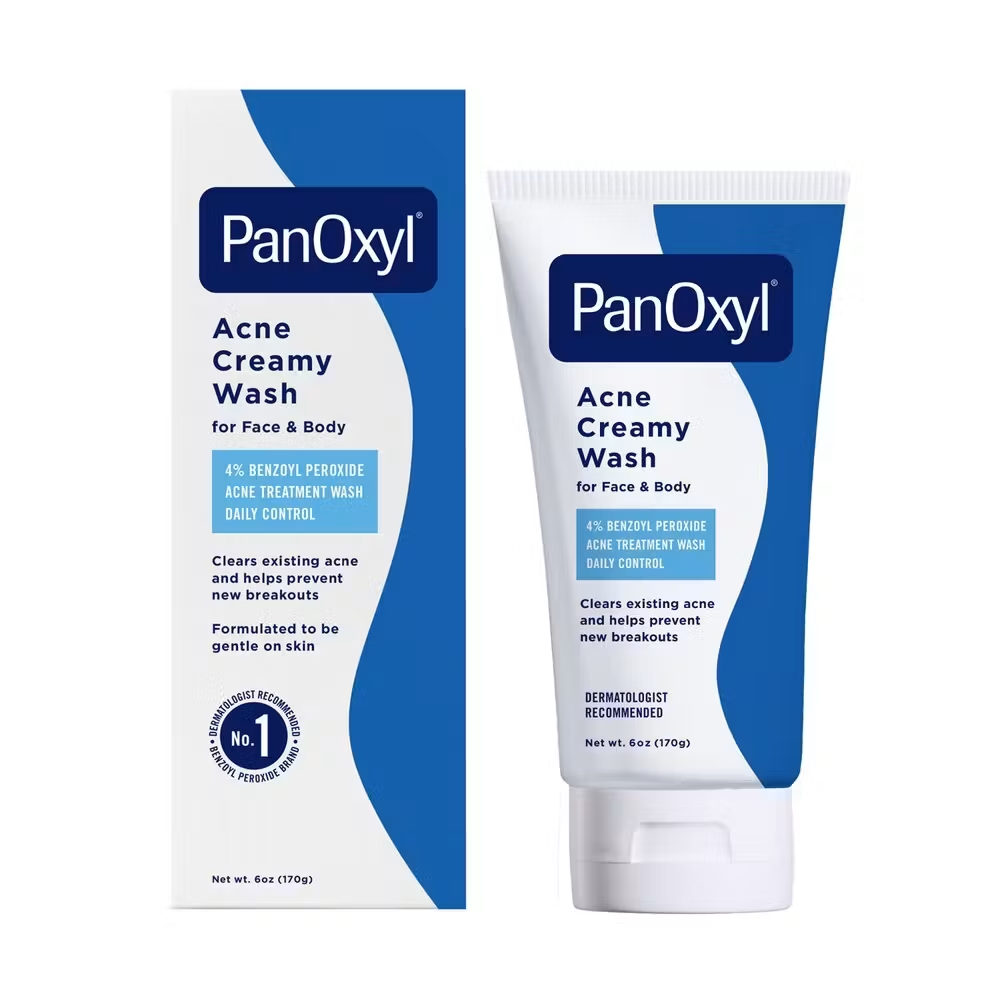
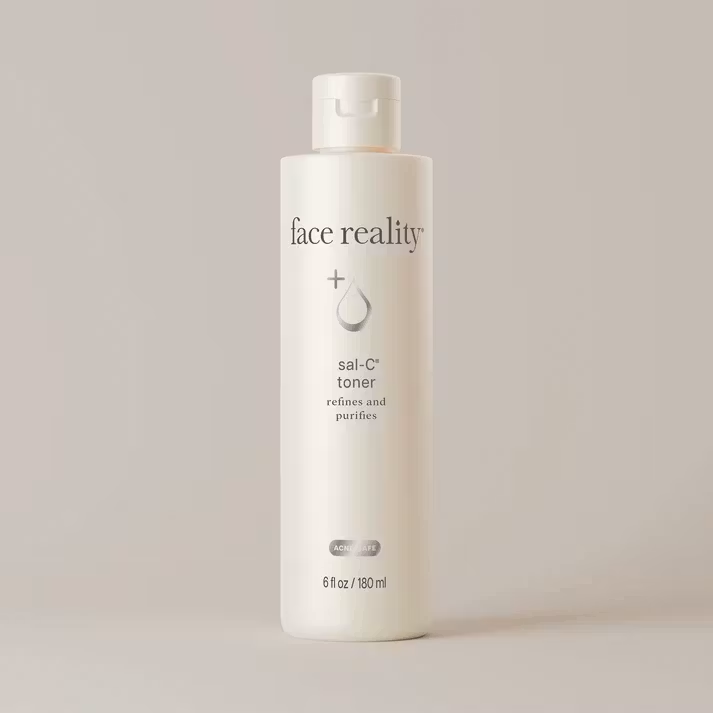
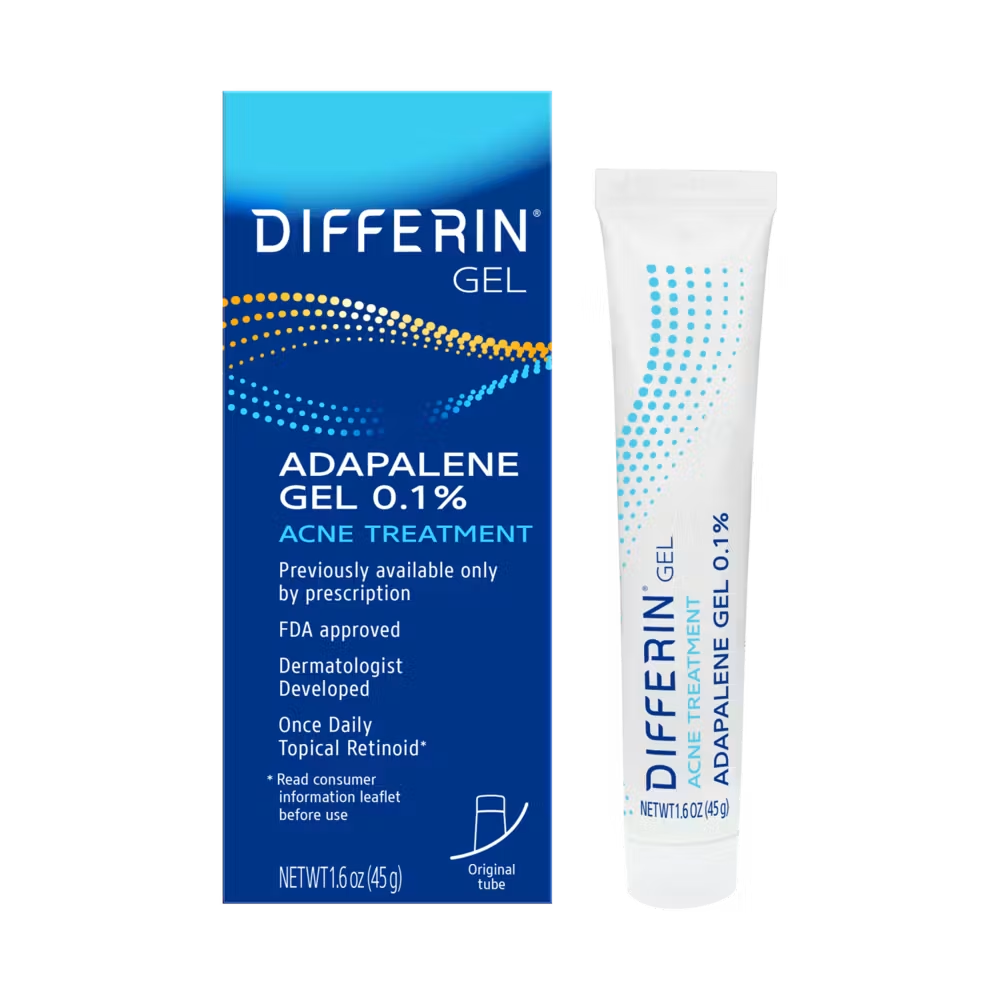
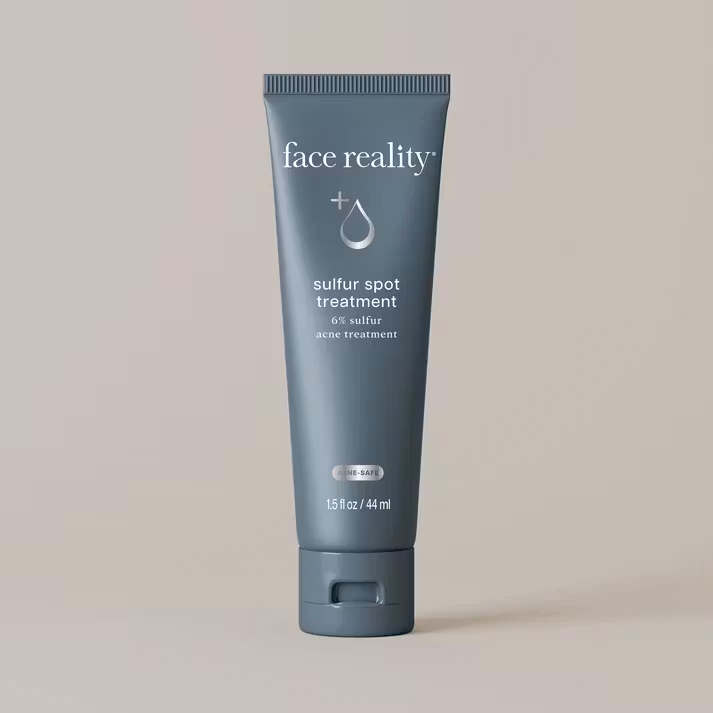
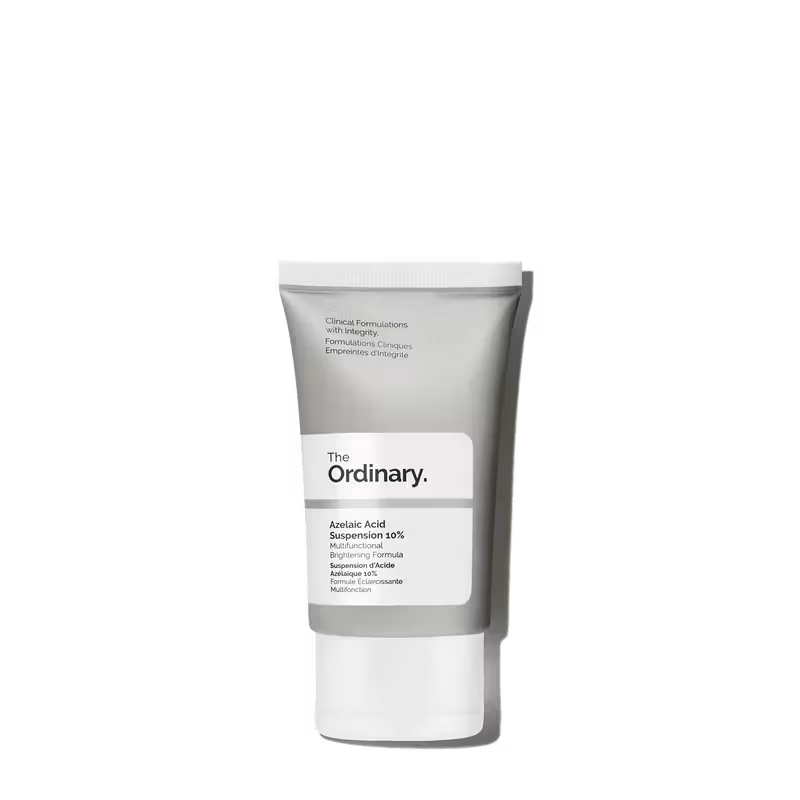
For people trying over-the-counter care, Scary Mom reported that both Queller and Guo discussed acne-focused ingredients rather than aggressive scrubbing. Salicylic acid can help address buildup inside pores. Benzoyl peroxide is commonly used to reduce acne-causing bacteria on the skin. Adapalene, an over-the-counter retinoid, can support acne treatment, while azelaic acid may help with inflammation, redness, and post-acne marks.
The source also mentioned sulfur spot treatment among products Queller recommended for acne-prone skin. The broader takeaway is not that every person needs every ingredient. Neck skin can be reactive, and stacking too many active products at once can be irritating. A more measured approach is to introduce acne-fighting ingredients carefully and watch how the skin responds.
When It Is Time to Book a Dermatology Visit
Scary Mom reported that both dermatologists would want to examine neck acne that hangs around for an extended period. Guo suggested bringing a list of skin-care and makeup products to the appointment so a dermatologist can review whether anything in the routine might be contributing.
This is especially relevant when the acne feels deep, repeats in the same area, or leaves marks after it resolves. Queller noted that deeper hormonal acne sometimes needs prescription treatment, and an individualized plan can help reduce ongoing inflammation and the risk of scarring.
Neck acne in the 30s can be confusing, particularly for people who did not deal with acne as teenagers. But the source’s dermatology guidance frames it as a treatable pattern: identify possible triggers, avoid squeezing, use targeted ingredients gently, and get professional help when the bumps are persistent or recurring.
Inspired by this post on Scary Mom.