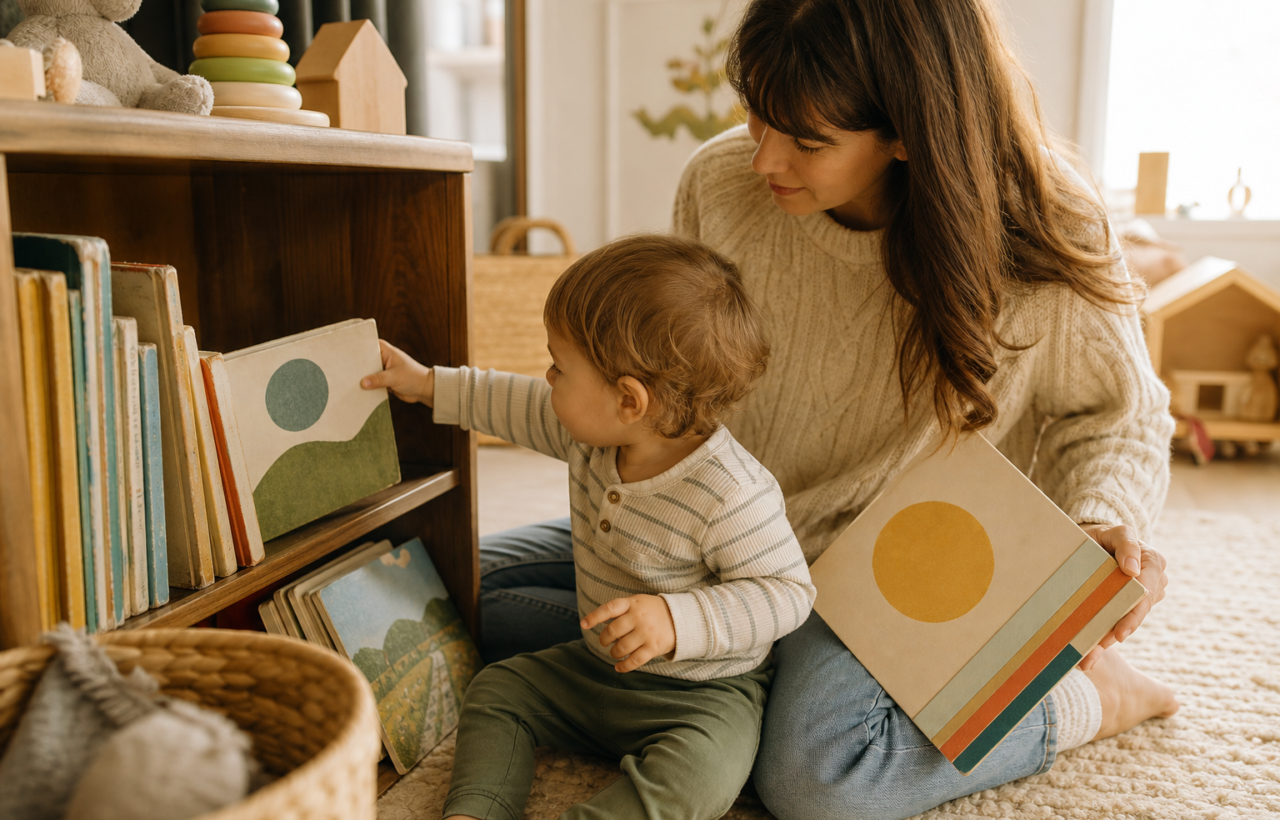
You remember the character, the cover and perhaps even the voice an adult used when reading the story. Your baby or toddler meets that book without any of those memories. That difference should guide what you bring home.
If you are tempted by a boxed set from your childhood, pause before buying the whole collection. Use nostalgia to make a shortlist, then let your child’s current interests, attention and way of handling books decide what belongs on the reading shelf now.
Choose for the child in front of you
Looking through classic ’90s and 2000s series to revisit with children can bring back strong feelings. A familiar title may remind you of bedtime, school or the first book you chose independently. Those memories explain why the series matters to you, but they do not tell you whether its books suit a child under 36 months.
Start with the interaction the book makes possible. At this age, a successful reading does not require finishing the story or understanding every event. Your child may listen to a page, point at a picture, repeat a sound, turn ahead or carry the book around. Those are all legitimate ways to engage with it.
For babies from birth to 12 months
Look for a sturdy reading copy, pictures that are easy to identify and language that sounds natural when spoken. A complicated plot is unlikely to be the main attraction. Your voice, the page-turning rhythm and the chance to look together do most of the work.
Hold the book where your baby can see it, name what catches their gaze and stop when they turn away repeatedly. Finishing the book is not the goal. A beloved childhood chapter book can wait on a future shelf while you choose a simpler title from the same imaginative world, if one is available.
For toddlers from 12 to 24 months
Choose books that give your toddler something clear to do: point to a familiar object, copy an action, make a sound or join a repeated phrase. Dense pages can still work if you are comfortable shortening the text and following your child’s attention instead of reading every sentence.
Watch what your toddler does after the reading. Bringing the book back, looking for a particular picture or repeating a word is more useful evidence than sitting still until the last page.
For toddlers from 24 to 36 months
Recurring characters and recognizable situations can become more meaningful in this phase. Pause before a familiar event and give your child room to anticipate it. Ask an occasional concrete question such as, “Where did the character go?” but do not turn the story into a quiz.
These age bands are a selection aid, not a milestone test. If your child prefers looking, moving or listening while playing nearby, adapt the reading rather than using the book to measure development.
Run a one-book test before buying the series
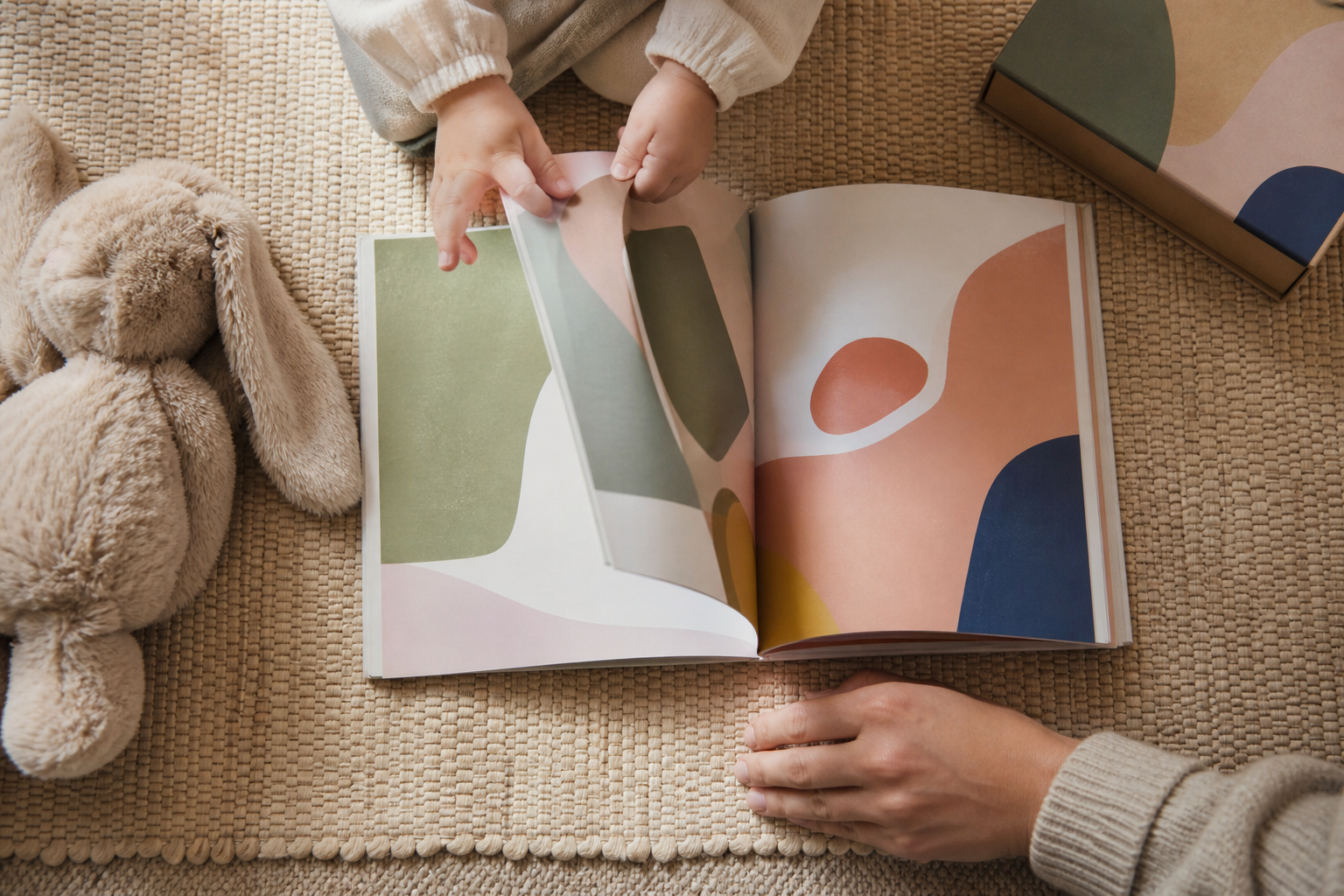
A complete set feels satisfying to an adult because it restores the collection as we remember it. For a young child, it can become a row of books that are too long, too fragile or simply uninteresting. Borrow one title, use a library copy or buy one volume before committing to the rest.
Read it at a time when you would normally share books. Then try it again on another day. Familiarity can change the experience, while a single distracted reading tells you very little. Use this checklist to decide what happens next:
- Your child has an entry point. They notice a picture, gesture, sound, repeated line or character.
- You can read it comfortably. The sentences work aloud, or you can shorten them without losing the thread.
- The physical format fits. Your child can explore the copy without immediately damaging a fragile keepsake.
- Repetition feels manageable. You would be willing to read the book again if it became a favourite.
- The individual title holds up. You like this story itself, not only the name on its cover.
If your child repeatedly returns to the book, add another title individually. If the book produces no interest, place it in a future-reading pile and move on. If you love it but your child does not, keep it as your own memento. A childhood favourite does not have to become a family favourite to retain its value.
Keep the affection, but reassess the book
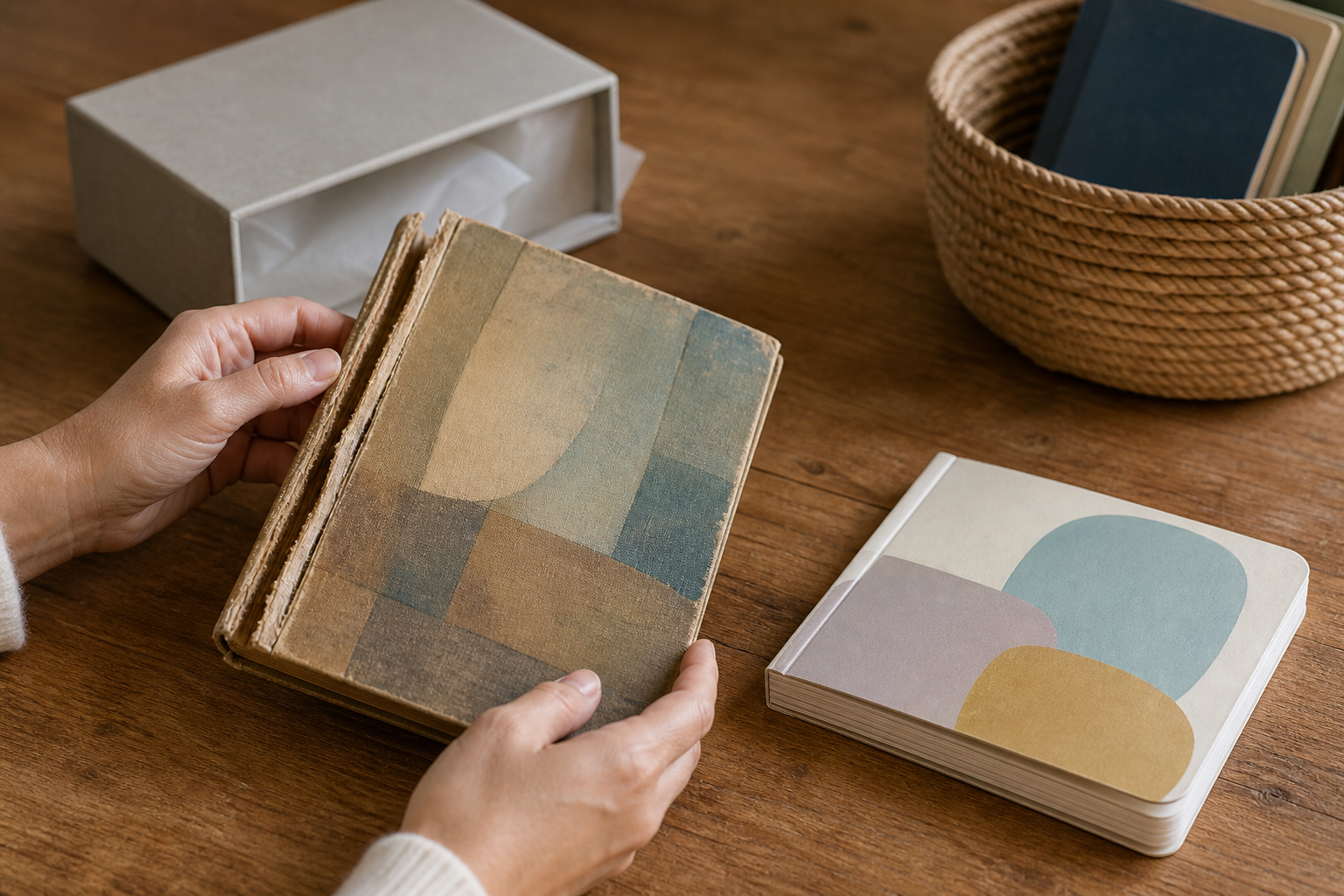
Nostalgia can preserve the feeling of a story more clearly than its actual wording. Read the entire book privately before introducing it. Look at the pictures as closely as the text. You may find an old-fashioned detail that needs no intervention, a confusing passage that can be paraphrased or a portrayal you no longer want to repeat.
Make that decision before story time. Quietly simplify a minor confusing phrase if the story still works. Briefly name a problem if your toddler notices it. Skip the title when a stereotype or unkind message is central to the book rather than incidental. You do not owe every volume in a remembered series equal space in your child’s life.
Inspect inherited and second-hand copies as physical objects too. Babies commonly pull, rub and mouth the things they explore, so remove a book from reach if it has loose pieces, sharp exposed fasteners, crumbling layers, flaking surfaces or visible mould. A persistent musty smell or signs of dampness are reasons not to use that copy for everyday reading.
If the edition matters sentimentally, keep it on an adult shelf and read from a sturdier replacement or library copy. The keepsake does not have to absorb spills, chewing and enthusiastic page turns to become part of your family’s story.
Turn the series into a familiar reading ritual
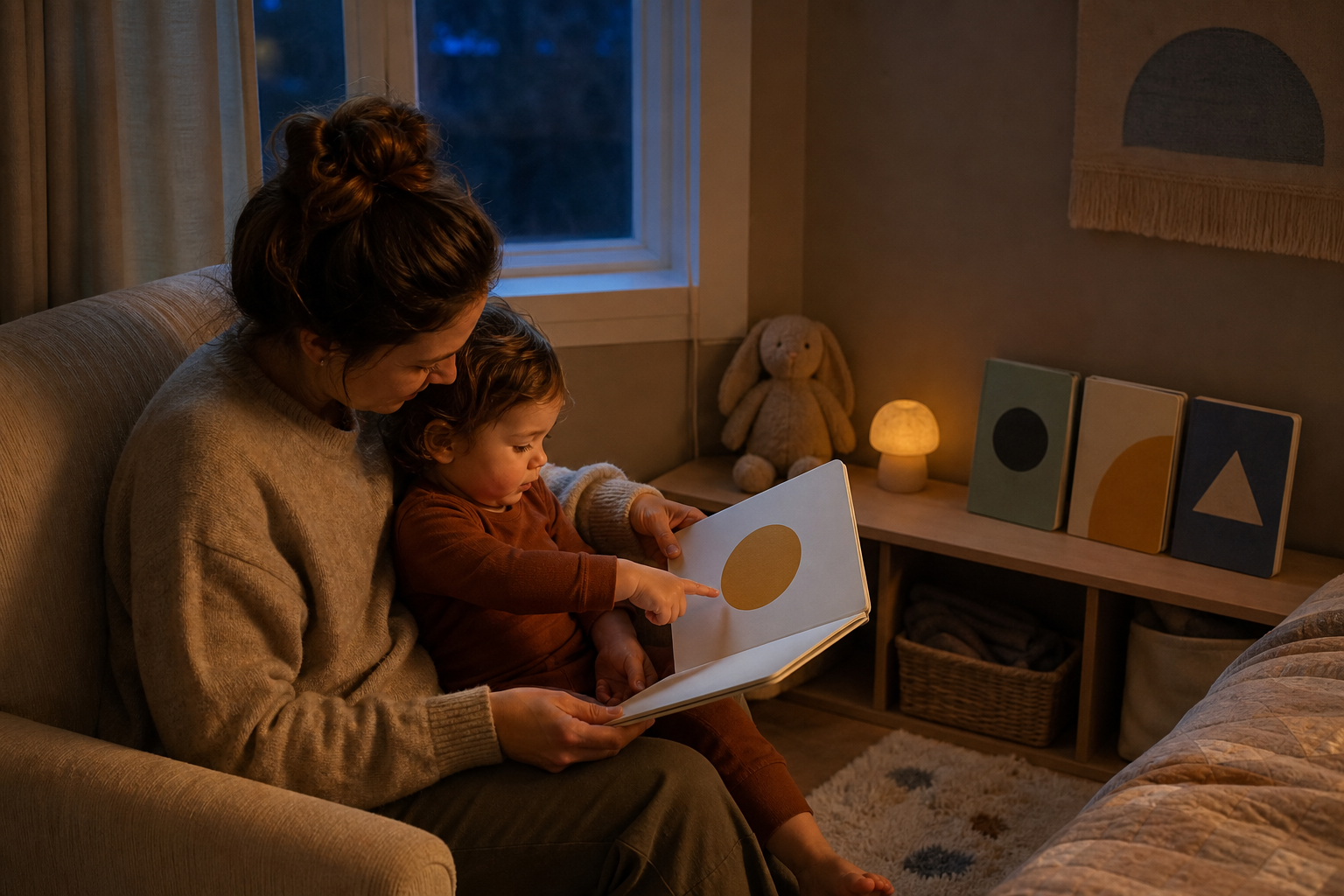
A series becomes useful when familiarity helps your child enter the story. Once a character or setting is recognizable, a different volume can offer something new without making every page feel unfamiliar. You do not need to read the books in publication order unless the stories genuinely depend on it.
- Keep a small, reachable selection available instead of displaying the entire collection at once.
- Offer a simple choice between the nostalgic book and another current favourite.
- Begin by pointing out the recurring character or place your child already recognizes.
- Follow your child’s attention. Name the picture they choose even if it is not connected to the sentence you were reading.
- Stop while the experience is still pleasant. A shortened reading can protect interest better than insisting on the final page.
- Rotate another volume into the basket when curiosity drops, not because you feel obliged to complete the set.
Try not to script the reaction you hope to see. Your child may adore the side character you barely remembered, ignore the famous line or use the book mainly to practise turning pages. Shared reading works when you make room for their version of the experience.
Key takeaways
- Let nostalgia create the shortlist; let your child’s behaviour decide what stays in rotation.
- Match the book to what your baby or toddler can enjoy now rather than saving the experience for a perfect reading age.
- Test one title before buying a boxed set or trying to rebuild an entire childhood collection.
- Read every old favourite in advance so you can decide how to handle dated language, images or messages.
- Separate sentimental copies from everyday reading copies when the originals are fragile or damaged.
- Treat a series as a source of familiar characters, not a checklist that must be completed in order.
Tonight, choose one remembered title and read it without trying to recreate your own childhood. Notice what your child reaches for, watches or asks to repeat. That response will tell you whether the book belongs on the current shelf, the future shelf or your shelf.
References