
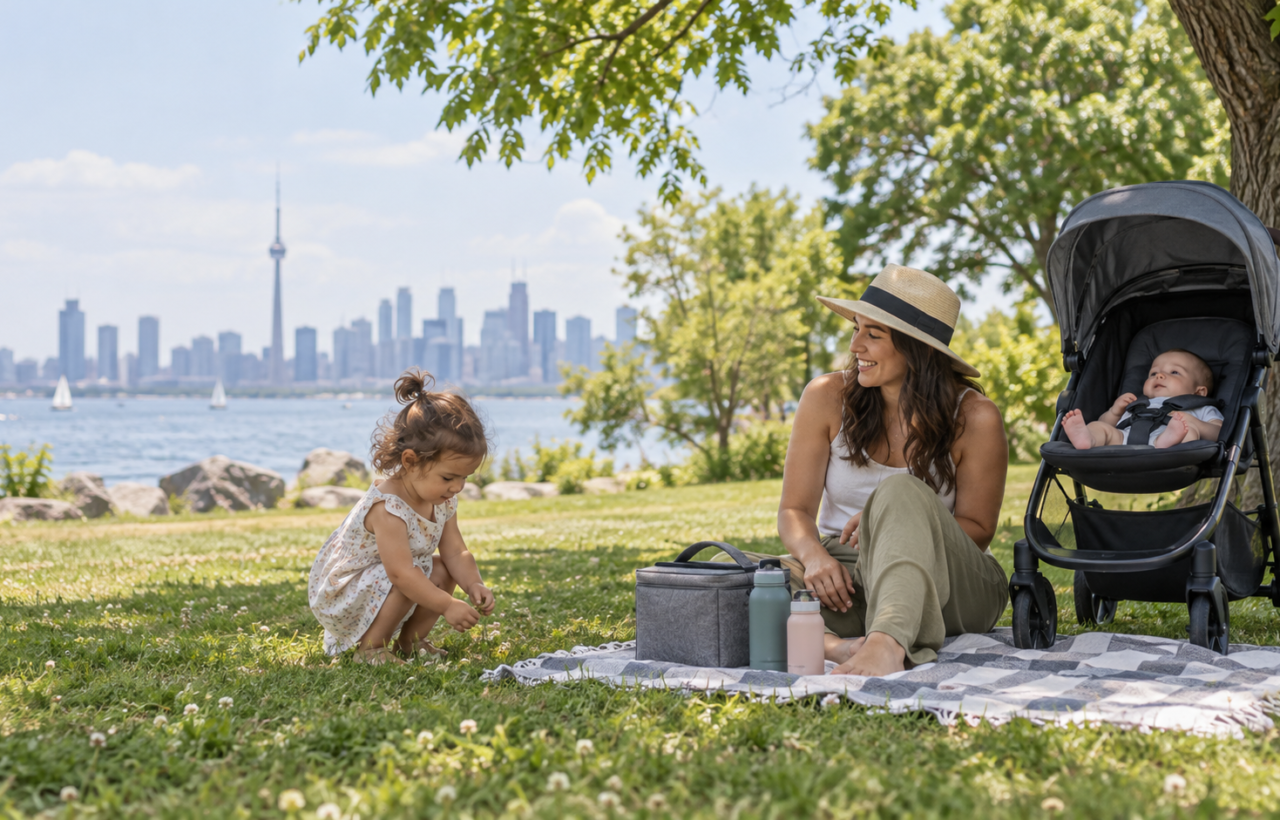
A camp-free weekday with a baby or toddler does not need to become a miniature vacation. The most workable plan is usually one anchor outing, one easy meal and permission to leave while everyone is still doing well.
If you are choosing among a splash pad, park, museum, beach, farm and the zoo, start with your child’s nap and the weather rather than the most impressive destination. That one decision can turn an overpacked day into an outing you can actually enjoy.
Start with the nap, weather and your own capacity
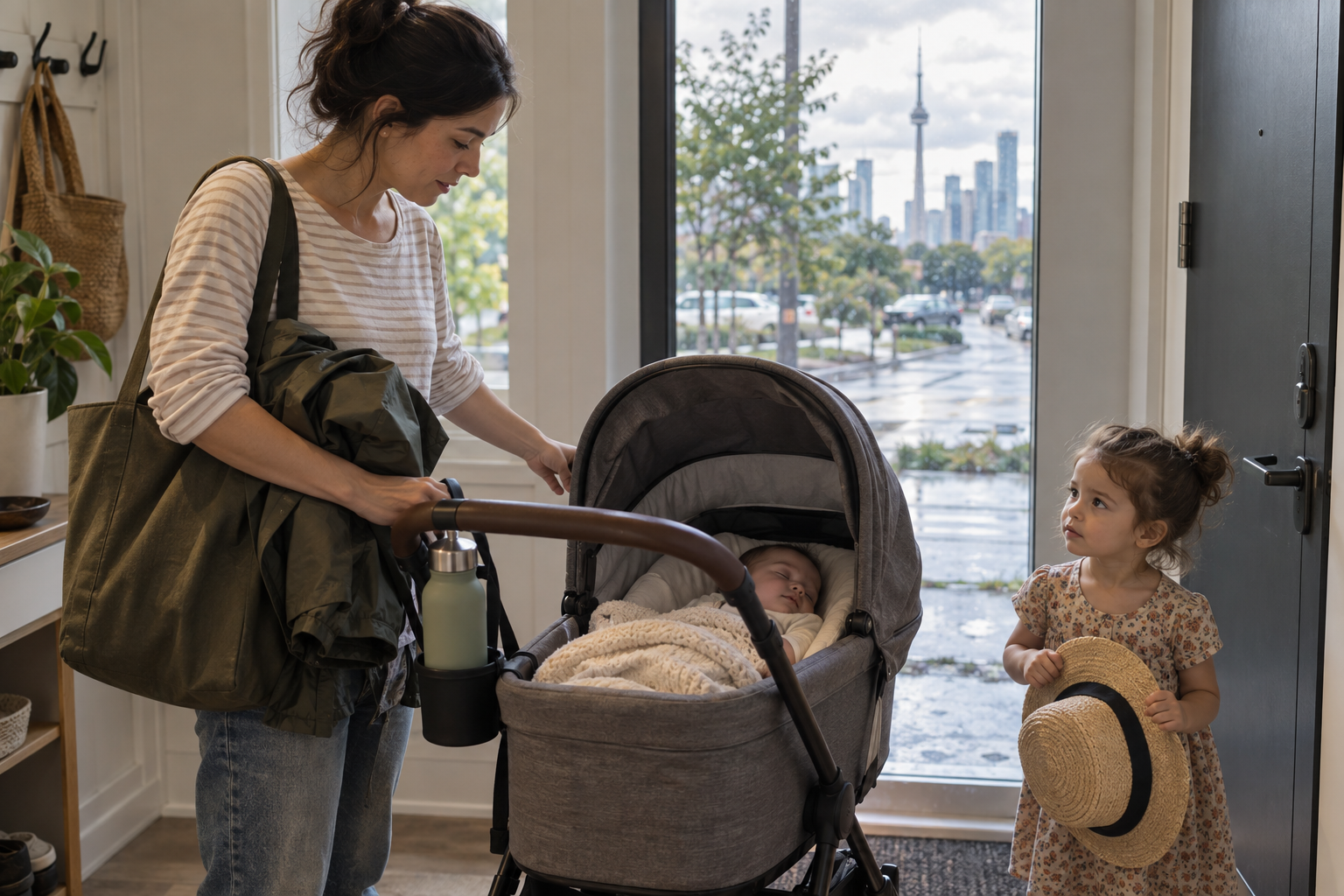
Before naming a destination, answer four practical questions. They narrow the options quickly and help you avoid committing to a full-day attraction when your family only has enough energy for a neighbourhood outing.
- How long is the comfortable window before the next sleep? If you have only a morning or afternoon, choose somewhere close enough that travel will not consume most of it.
- What will the weather make difficult? Heat points toward a short splash-pad visit followed by an indoor stop. Rain points toward a museum, library, indoor pool or play space.
- What does your child need most? A new walker may need open movement more than exhibits. A younger baby may do better with shade, feeding flexibility and an easy exit.
- How much setup can you manage? A park picnic requires less coordination than loading beach equipment, food and changes of clothing into the car.
Use your answers to pick one starting point:
| Your day | Best starting point | Why it fits | When to leave |
|---|---|---|---|
| A short window on a warm day | Local splash pad or playground | Little travel and no need to fill the whole day | After water play and a snack, before the next sleep becomes urgent |
| Your toddler needs room to move | Park picnic | The meal, playground and open space are all in one place | When movement stops being fun and transitions start getting harder |
| Rain or uncomfortable heat | Library or museum | You can explore indoors without building the day around the weather | After one satisfying activity, floor or exhibit area |
| A full day and an adult ready for plenty of walking | Toronto Zoo | Animals, trails, play areas and picnic options can support a longer visit | Before the return trip collides with hunger or overtiredness |
| You want the day to feel like a getaway | Farm or beach | The travel and extra equipment can be worthwhile when you have a wide schedule | Early enough to handle the drive home calmly |
Four no-camp plans you can use without filling every hour
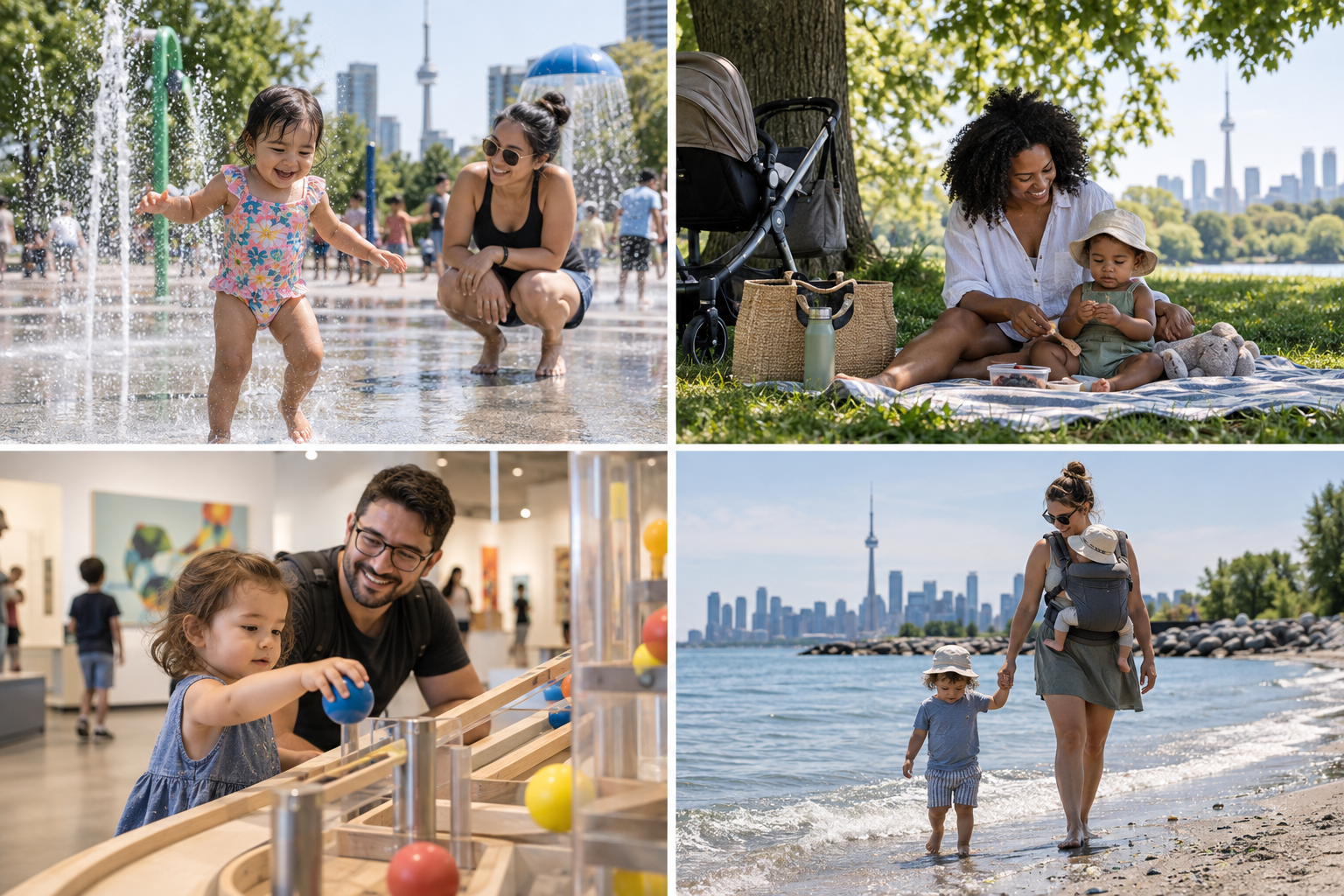
Plan 1: Splash pad, dry clothes and a library
This is the most flexible plan for a hot day because either part can stand alone. Earl Bales Park, Milliken Park and Richmond Green Sports Centre & Park have splash-pad options, while Toronto and GTA library branches may offer storytime, crafts, LEGO clubs, STEM activities, summer reading and other family programming.
- Leave after your child’s morning meal so hunger is not the first problem you have to solve.
- Treat the splash pad as the anchor. Your goal is water play, not a long list of nearby activities.
- Change your child into a completely dry outfit before deciding what comes next.
- If everyone still has capacity, cool down at a library. If not, borrow books another day and go home.
Pack the wet items together so you can pull out one small bundle instead of emptying the whole diaper bag. Water destinations still require continuous adult supervision. If you will also be managing food, equipment and another child alone, choose the setup that lets you keep your attention on the water.
Plan 2: A picnic that happens to include a park
A picnic works because lunch is part of the activity rather than an interruption to it. High Park offers playgrounds, walking trails, Grenadier Pond and shaded picnic areas. Centennial Park has open green space, playgrounds and walking paths. Richmond Green adds a playground and room for bikes or scooters.
Do not bring every outdoor toy you own. Pick one movement item and one quiet item: a ball and bubbles, for example, or a scooter and sidewalk chalk. Eat first if your toddler is already hungry, then follow their interest. A playground, a short walk and lunch are enough for one outing.
If you are bringing a baby, choose the picnic location before unloading. Shade, a comfortable feeding spot and a simple route back to the stroller or car matter more than reaching the park’s biggest attraction.
Plan 3: One museum theme, not the whole building
Indoor days become tiring when adults try to get full admission value by seeing everything. Give the visit one theme instead. At the ROM, that might be dinosaurs, wildlife or gemstones. At Little Canada, it might be finding tiny trains, moving vehicles and interactive buttons. Those distinct visual and hands-on features give you a natural focus without requiring a building-wide tour.
Begin with the feature your child is most likely to notice, pause for food before patience disappears and leave the rest for another visit. A toddler who spends most of the outing watching one model train has not missed the museum. They have found their activity.
A library is the lower-commitment version of the same plan. Choose books, join one scheduled activity if it suits your day and allow a little unstructured browsing. Check current programming before you travel; a listed type of activity does not mean every branch runs it every day.
Plan 4: One destination for the full day
Choose the Toronto Zoo when you have a broad schedule, comfortable shoes and enough adult energy for substantial walking. It has more than 5,000 animals, walking trails, interactive exhibits, playgrounds, seasonal splash areas and places to picnic or buy lunch. Arriving early can make the opening part of the day easier, and checking the keeper-talk schedule lets you choose one timed event instead of chasing several.
A farm can create the same destination-day feeling outside the city. Chudleigh’s Entertainment Farm, Downey’s Farm and Pingle’s Farm Market combine different mixes of farm animals, play areas, wagon rides, produce, picking and seasonal activities. Confirm what is operating on the date you plan to visit; seasonal features should be treated as possibilities, not promises.
For a beach day, Woodbine Beach has nearby washrooms, a playground, restaurants and the boardwalk. If you are willing to travel farther, Kelso Conservation Area and Sibbald Point Provincial Park add combinations of swimming, trails and picnic space. Beach access may be free in some places while parking or other activities cost money, so check the details before loading the car.
Keep a destination day simple after arrival. Choose one main area, establish where you will eat and identify your exit route. The zoo, farm or beach is already the activity; it does not need an extra stop on the way home.
Adjust the plan to the child in front of you
Age ranges are useful for packing, but development and temperament vary. Plan around what your child can comfortably do now rather than what an itinerary assumes they should enjoy.
For a younger or pre-mobile baby
Your logistics will shape the outing. Prioritize a manageable feeding and changing setup, protection from the weather, a stroller or carrier that works for the location and somewhere you can pause. A park walk, shaded picnic or brief museum visit can be a complete activity. You do not need to keep adding stimulation simply because the calendar says the day is free.
For a crawler or new walker
Choose a place where your child can move without repeated transfers between car seat, stroller and attraction. A playground, open park or younger-child play area may work better than a long route with many stops. Let repetition count: going back to the same step, button or patch of water is participation, not a cue to hurry them along.
For an older toddler
Offer two choices you can accept, such as park or library, rather than asking an open-ended question about the entire day. Once you arrive, make the sequence concrete: play, snack, one more turn, then home. A small at-home yes day can also rescue a day when travel is unrealistic: let your toddler choose the blanket-fort location, a favourite meal, a new playground for later or the family movie.
Pack for the transitions, not every possible activity
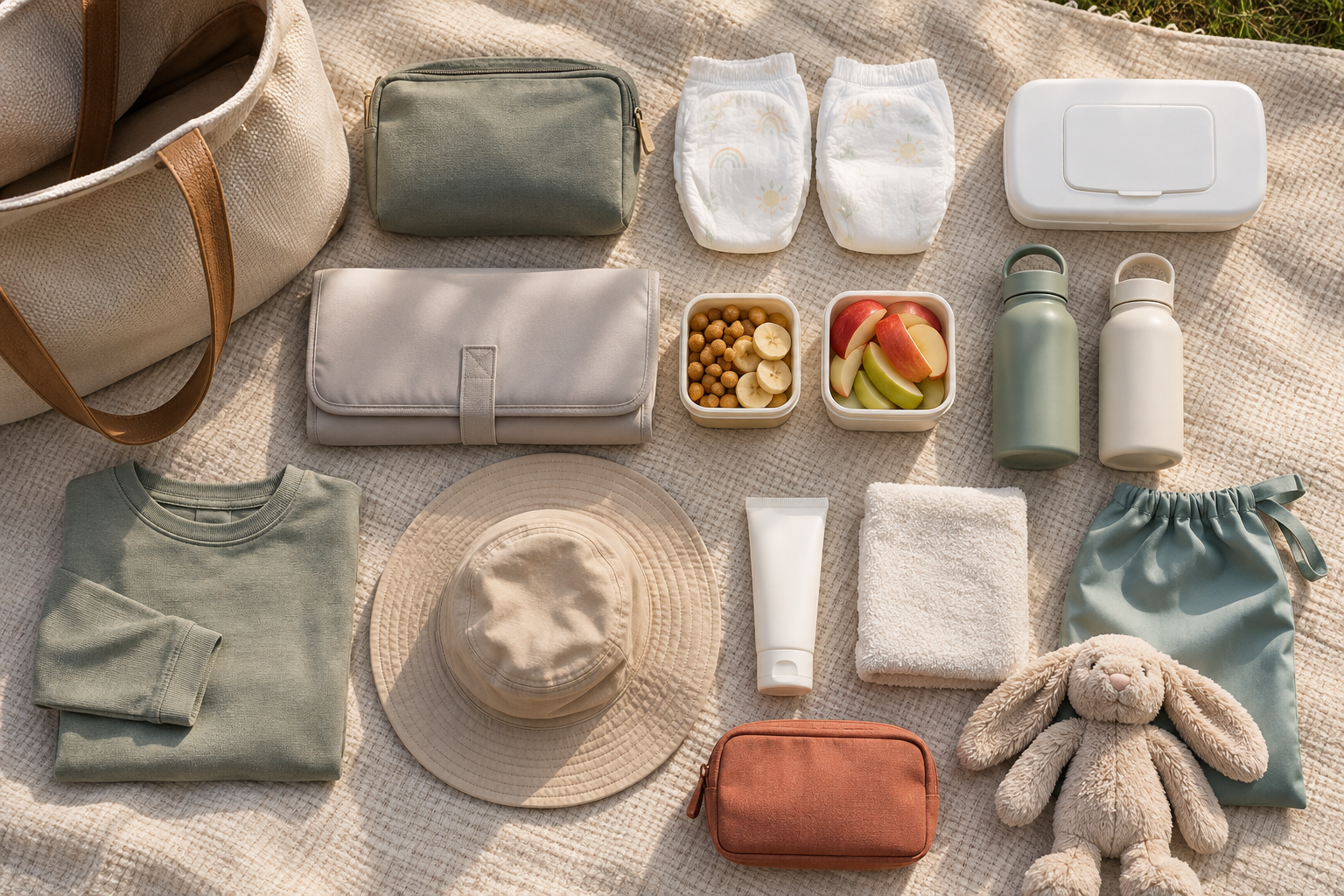
The hardest parts of a summer outing are often getting out the door, changing after water play and returning home when a child is tired. Keep a basic warm-weather bag ready, then add one small module for the destination.
Keep in the base bag
- Diapers or pull-ups, wipes and your usual changing supplies
- Refillable water bottles and familiar snacks
- Hats and the sun protection you normally use for your child
- A complete change of clothes
- Basic first-aid items you normally carry
- Bug spray when appropriate for your family and destination
- A portable phone charger
Add for water play
- Swimsuit
- Towel
- Water shoes
- A second dry outfit if the trip home is long
- A separate bag for wet clothing
Add for a park, beach or farm
- Picnic blanket
- Food that can be served without complicated preparation
- One portable play item, such as bubbles, chalk, a ball or a Frisbee
- Extra snacks for a longer return trip
Set one exit rule before you leave. It might be the end of the planned activity, the next meal or the first clear sign that your child needs rest. An exit rule saves you from negotiating with yourself after the useful part of the day is already over.
Frequently asked questions
What can families do for free in Toronto on a summer day?
Splash pads, public playgrounds, parks, walking trails, library programs, nature walks and beach visits can all support a free or low-cost day. Community-centre drop-ins and neighbourhood events may add more options. Confirm schedules, registration requirements and possible parking costs before leaving.
What is the easiest option when rain or heat changes the plan?
Use a library as the simplest indoor backup when you want flexibility. Choose the ROM or Little Canada when you are comfortable committing to a larger outing. Indoor pools, soft-play spaces, bowling, mini golf and movie theatres are other possibilities, but the best backup is the one that does not require you to repack the entire day.
How do you stop a no-camp day from becoming exhausting?
Plan one anchor activity and label everything else optional. Protect the next nap or rest period, bring an easy meal or snack and decide what will tell you it is time to leave. The day succeeds when the outing fits your family, not when you stay until closing.
Tonight, pack the base bag and choose one outdoor plan plus one indoor backup. In the morning, let the weather and your child’s rhythm make the final decision. One well-timed outing is enough to give a camp-free day its shape.
References




